

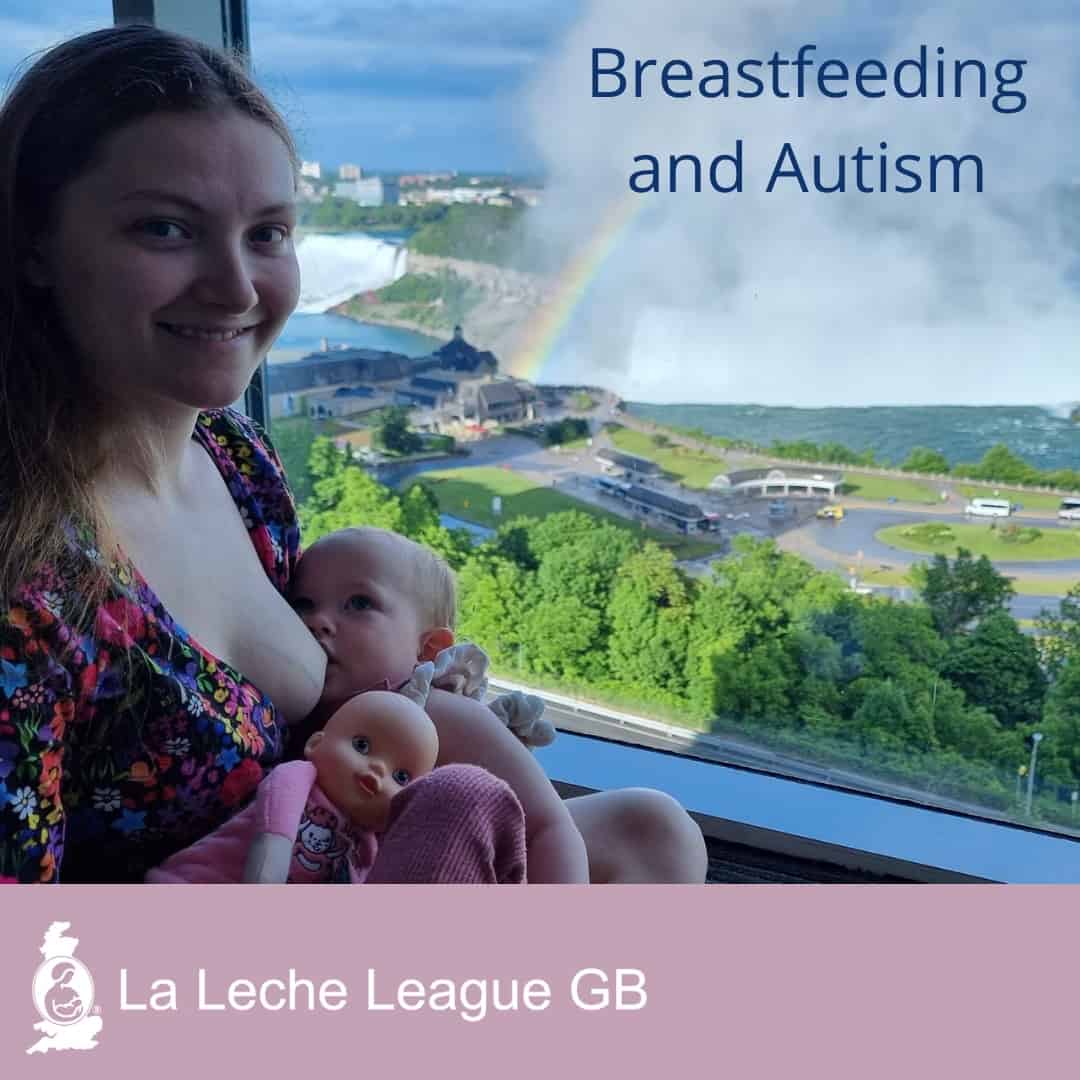
Autism, now widely recognized as a neurodevelopmental difference rather than a disorder, presents a diverse spectrum of experiences that profoundly influence how individuals perceive the world and interact with it. Often described as neurodivergent, autistic people navigate life with distinct cognitive and sensory profiles that can lead to both unique strengths and specific challenges, particularly within the context of parenthood and infant feeding. This article explores the multifaceted intersection of autism and breastfeeding, offering insights for autistic parents, parents of autistic children, and the healthcare professionals who support them. It aims to shed light on the less-understood aspects of this journey, promoting a more informed and inclusive approach to maternal and infant care.
The Unseen Majority: Understanding Autism in Parents
The understanding and diagnosis of autism have evolved significantly over recent decades. Historically, autism was primarily associated with boys and often characterized by more pronounced externalized traits. This led to a significant underdiagnosis in girls and women, who often present with more internalized characteristics or learn to "mask" their autistic traits to conform to neurotypical social expectations. Recent estimates suggest that while approximately 0.82% of the population of England is diagnosed as autistic, a staggering proportion—up to 72% of the autistic adult population—may remain undiagnosed. This statistic is critical when considering maternity care and breastfeeding support, as many parents accessing these services may be autistic without realizing it, or without having received a formal diagnosis.
The journey into parenthood is transformative for anyone, but for autistic women and parents, it can bring additional layers of complexity. The existing healthcare systems, often designed with neurotypical assumptions in mind, can inadvertently create barriers. Autistic individuals may have distinct needs when engaging with maternity care and seeking breastfeeding support, and these needs are highly individualised, reflecting the diverse nature of the autistic spectrum. Recognising this variability is the cornerstone of effective, compassionate care. The lack of diagnosis or late diagnosis can mean that these parents may not understand their own needs or how to articulate them within the healthcare system, leading to feelings of frustration, anxiety, and a sense of not being heard.
Navigating Maternity Services: Challenges and Strengths
For many autistic women, the prenatal and postnatal periods can be particularly challenging. Standard maternity care environments, with their often busy, unpredictable, and sensory-rich settings (bright lights, loud noises, strong smells, frequent interruptions), can be overwhelming. The expectation of constant social interaction, the need to process large amounts of verbal information, and the requirement to advocate for oneself in a system not always equipped to understand neurodivergent communication styles can be exhausting. Many autistic women excel at in-depth research and independent information gathering. This strength can mean that those who intend to breastfeed often arrive at parenthood remarkably well-informed about the physiology and benefits of lactation. If they decide to breastfeed, this dedication often translates into exceptional determination, which can be a significant asset in overcoming initial challenges. This intrinsic motivation, coupled with a methodical approach to learning, can empower autistic parents to navigate the complexities of breastfeeding with remarkable resilience.
However, the very systems designed to offer support can sometimes become barriers. The phenomenon of "masking," where autistic individuals consciously or unconsciously suppress their natural behaviours and responses to fit in, can make it difficult for healthcare providers to identify their true needs. An autistic parent who is struggling may appear calm and composed, making it challenging for professionals to recognise their distress or need for tailored support. This often leads to a lack of appropriate interventions, exacerbating feelings of isolation and inadequacy. The emotional toll of masking, particularly during the vulnerable postpartum period, can contribute to burnout and mental health struggles.

Communication Beyond Words: Bridging Gaps in Support
Communication differences are a hallmark of autism, presenting unique considerations in the context of maternal care and breastfeeding support. These differences are not always about a complete inability to speak; rather, they can be situational. An autistic person might be non-verbal in high-stress environments, such as a busy clinic or during a difficult conversation, even if they are typically verbal in comfortable settings. This "situational mutism" can hinder their ability to express needs, ask questions, or articulate discomfort during crucial moments, leaving them feeling unheard and unsupported.
To bridge these communication gaps, healthcare providers and support networks must adopt a flexible and multi-modal approach. Offering a range of communication methods is vital. This could include providing options to write or type messages on a phone or tablet, using visual aids like picture cards to explain procedures or common breastfeeding positions, or even incorporating basic sign language. Clear, concise, and direct communication, avoiding jargon and abstract language, is paramount. Providing information in written formats beforehand can also empower autistic parents to process details at their own pace and formulate questions without the pressure of immediate verbal response. La Leche League Great Britain (LLLGB) offers a valuable service in this regard, providing a written Help Form for those who find phone calls challenging, acknowledging the specific difficulties many autistic individuals face with auditory processing and real-time verbal interaction.
Furthermore, the emotional landscape post-birth can be particularly sensitive for autistic mothers. Research indicates higher rates of Post Traumatic Stress Disorder (PTSD) within the autistic community compared to neurotypical individuals. This can be exacerbated by birth experiences where autistic parents may have felt a profound lack of control over their bodies or circumstances, leading to significant trauma. Such experiences can naturally impact their confidence and willingness to engage with further medical or support services, including breastfeeding groups, often leading to avoidance behaviours.
Sensory Landscapes: How Perception Shapes the Breastfeeding Journey
One of the most defining aspects of autism is sensory processing differences. Autistic individuals may experience senses—smell, taste, touch, sight, and sound—with either heightened intensity (hypersensitivity) or reduced perception (hyposensitivity). This impacts every facet of daily life, and breastfeeding is no exception.
For a hypersensitive autistic parent, the act of breastfeeding can present a barrage of overwhelming sensory input. The feel of the baby’s skin, the suckling sensations, the sound of the baby feeding, the smell of milk, or even the feeling of let-down can be intensely distracting or even painful. Dysphoric Milk Ejection Reflex (D-MER), a condition where negative emotions occur just before milk let-down, may also be more prevalent or intensely experienced by autistic parents due to sensory and emotional regulation differences. Conversely, hyposensitivity might mean a parent struggles to feel a proper latch or perceive early hunger cues from their baby, making responsive feeding more challenging. The environment also plays a huge role; bright hospital lights, the hum of machinery, or the chatter of a busy support group can make it impossible to focus on the intimate act of nursing.

Tailoring the sensory environment is key to supporting autistic parents. This might involve recommending quiet, dimly lit spaces for feeding, suggesting comfortable clothing and seating, or using specific tools like nipple shields if tactile sensations are overwhelming. Understanding that what might be a minor irritant for a neurotypical person could be a significant barrier for an autistic individual is crucial for providing effective support. Healthcare providers should proactively inquire about sensory preferences and offer practical solutions, such as offering ear defenders, weighted blankets, or scheduling appointments in less busy periods.
The Empowering Embrace: Positives of Breastfeeding for Autistic Parents
Despite the potential challenges, many autistic women and parents report profoundly positive experiences with breastfeeding. For some, the act provides a unique opportunity for calm and quiet introspection. In a world often perceived as chaotic and overwhelming, breastfeeding can offer a protected, predictable space to sit, rest, and connect with their infant. This dedicated time, free from external demands, can be deeply restorative and regulating, serving as a much-needed "reset button" in a busy day. The rhythmic nature of suckling can also provide a comforting, repetitive sensory input that is often soothing for autistic individuals.
Many autistic parents describe feeling empowered by their breastfeeding journey. The ability to nourish their child directly, to respond intuitively to their needs, and to achieve a biological function that is both intimate and profound can be a source of immense pride and self-efficacy. This sense of accomplishment can be particularly valuable for individuals who may have often felt misunderstood or disempowered in other aspects of their lives. The consistent pattern of feeds, the physical closeness, and the predictable sensory input can create a sense of safety and calm for both parent and child, fostering a deep and secure attachment.
Breastfeeding an Autistic Child: A Spectrum of Needs
While adult autism diagnosis rates are still catching up, there has been a noticeable increase in autism diagnoses among children. This growing awareness means more parents are seeking information and support for breastfeeding an autistic child or a child suspected of being neurodivergent. The World Health Organization (WHO) recommends breastfeeding for two years and beyond, with the natural age of weaning estimated to be between 2.5 and 7 years. For a child who is autistic, or suspected to be neurodivergent, breastfeeding may hold an even greater significance, extending beyond simple nutrition to encompass comfort, regulation, and a crucial source of sensory input. It can be a consistent, predictable element in a world that can often feel chaotic, offering stability and a familiar anchor.
Sensory Processing and Feeding Patterns in Autistic Children

Just as with autistic adults, autistic children process sensory information differently. This can manifest as either heightened sensitivity (hypersensitivity) or reduced sensitivity (hyposensitivity) to various stimuli. These sensory differences profoundly impact feeding patterns and behaviours.
A child with hypersensitivity might be acutely aware of the temperature of the room, the texture of their mother’s clothing, specific smells, or ambient noises, making it difficult to latch or feed comfortably. They might seek a very specific feeding environment—perhaps needing complete silence, darkness, or a particular position—to avoid overwhelming sensory input. Conversely, a hyposensitive child might seek intense sensory experiences. They might want to breastfeed very frequently, not necessarily for hunger, but as a means of self-regulation, finding the rhythmic suckling, warmth, and close physical contact deeply soothing and grounding. This can be particularly evident when the child feels overwhelmed by external stimuli, such as in a busy, loud, or unfamiliar environment. In such situations, breastfeeding becomes a powerful tool for co-regulation, helping the child to manage their internal state and providing a predictable source of comfort.
Parents often observe that if their autistic child is struggling with sensory input—which could be anything from the scratchy label on their clothing to the texture of a new food—their ability or desire to breastfeed can be significantly affected. In these instances, the most helpful approach is often to modify the environment or remove the offending sensory input, creating a more conducive and calming space for feeding. This might mean moving to a quiet room, dimming the lights, or ensuring the child is wearing comfortable, familiar clothing.
The "High Needs" Narrative: Supporting Neurodivergent Infants and Their Parents
Many infants and young children are described as "high needs," meaning they exhibit an intense need for closeness to their primary caregiver, frequent feeding, and struggle with independent sleep. While this intensity is a normal and expected variation of infant behaviour, it can be particularly pronounced and prolonged in neurodivergent children. The constant demand for physical presence and comfort can be incredibly taxing on parents, leading to exhaustion and feelings of isolation. This can be further compounded if the child struggles with transitions or changes in routine, making it harder for parents to delegate care or find respite.
For parents of high-needs autistic children, self-care is not a luxury but a necessity. Building a robust support network is paramount. This includes seeking support from family and friends who understand and respect their unique parenting journey, as well as finding like-minded communities—both online and in-person—where experiences can be shared, and strategies exchanged. Organisations like La Leche League provide invaluable peer support, offering a safe space for parents to connect and learn from each other, often helping to normalize intense infant behaviours and share coping mechanisms. It’s crucial for parents to acknowledge their own limits and seek help without guilt, recognizing that tending to their own well-being ultimately benefits the entire family.
Weaning and Boundaries: Navigating a Sensitive Transition

The topic of weaning can be particularly complex for parents of autistic children. While responsive breastfeeding into toddlerhood and beyond offers numerous benefits, including continued nutrition, immune support, and emotional regulation, the extended duration can become physically and emotionally draining for the parent. Weaning an autistic child can present additional challenges due to inherent sensory and communication issues. Breastfeeding often serves as a vital co-regulation mechanism for these children, making the transition away from it more difficult, as it removes a primary source of comfort and sensory input they rely on.
Many parents of autistic toddlers find frequent feeding challenging and express a strong need for increased information and gentle strategies for setting boundaries or initiating weaning. Autistic children may struggle with interoception—the sense of what’s happening inside their bodies, such as hunger, thirst, or fullness. This can lead to difficulties in recognising satiety cues, potentially prolonging feeding or making it harder to introduce solid foods. They may also find it challenging to understand verbal explanations about weaning or to cope with changes in routine.
Furthermore, sensory differences can cause autistic children to struggle with eating solid foods due to specific textures, tastes, smells, or even the visual appearance of food. This can result in a limited diet, making breastfeeding an even more critical source of nutrients and leading to an increase in breastfeeding frequency as they get older.
Parents have various approaches to extended breastfeeding and weaning. Some choose to continue nursing until their child naturally "self-weans" when they outgrow the need. Others opt for responsive feeding, continuing to breastfeed older children on demand. When parents feel the need to introduce boundaries or limit feeds, it can be challenging, especially when communication issues are present. Support from an LLL Leader or other knowledgeable professional can be invaluable in exploring gentle, child-led weaning strategies, setting boundaries, or reducing feed frequency and duration. Options can include offering alternative comfort, delaying or distracting the child with a preferred activity, or changing the location of feeds to break associations. The key is a compassionate and patient approach that respects the child’s needs while also acknowledging the parent’s well-being and their right to set boundaries.
Towards Inclusive Support: Recommendations and Resources
The insights gained from understanding the unique intersection of autism and breastfeeding underscore a critical need for systemic changes in maternal and infant care. The current landscape often falls short in providing truly neurodiversity-affirming support, inadvertently creating barriers for many families.
**Training Healthcare Providers