

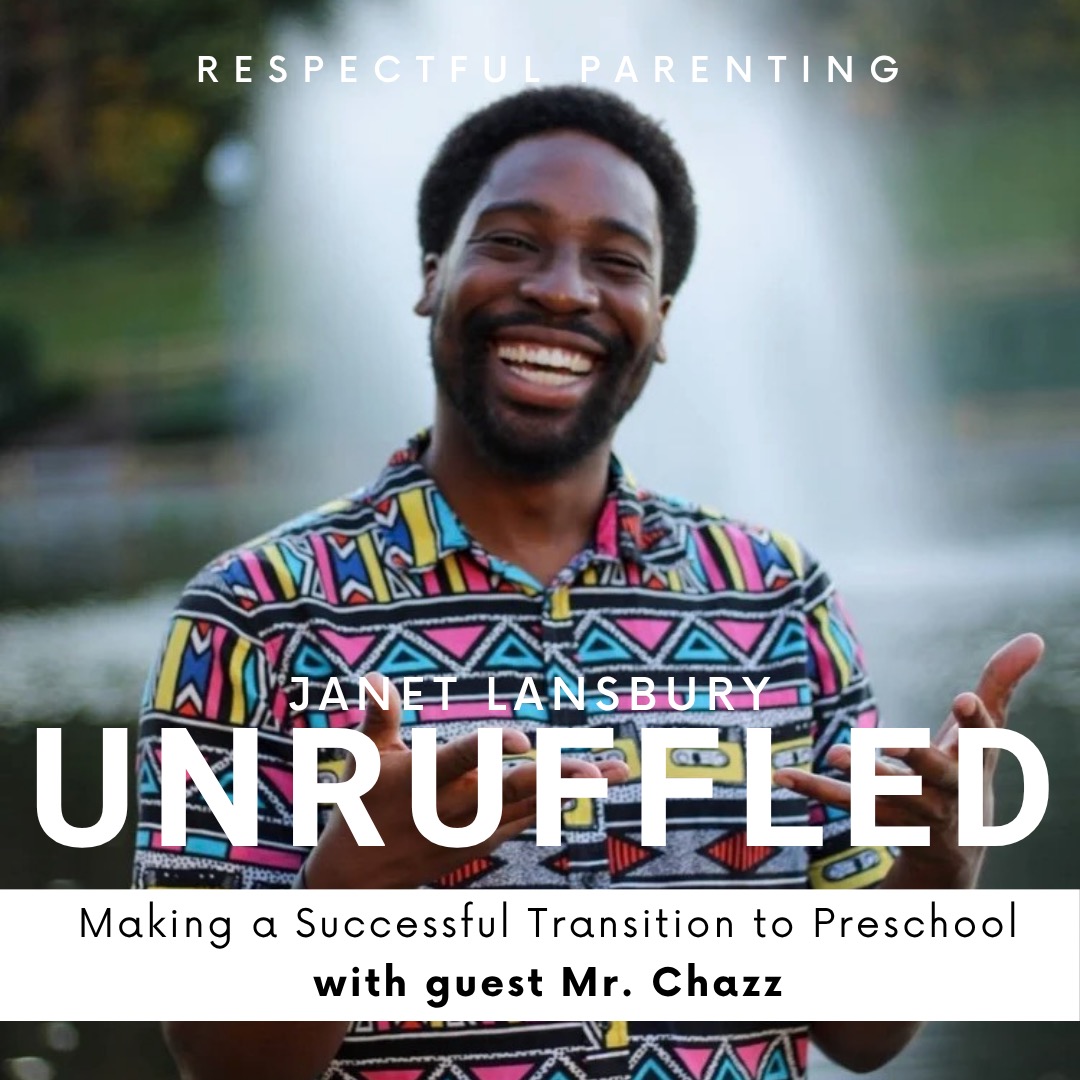
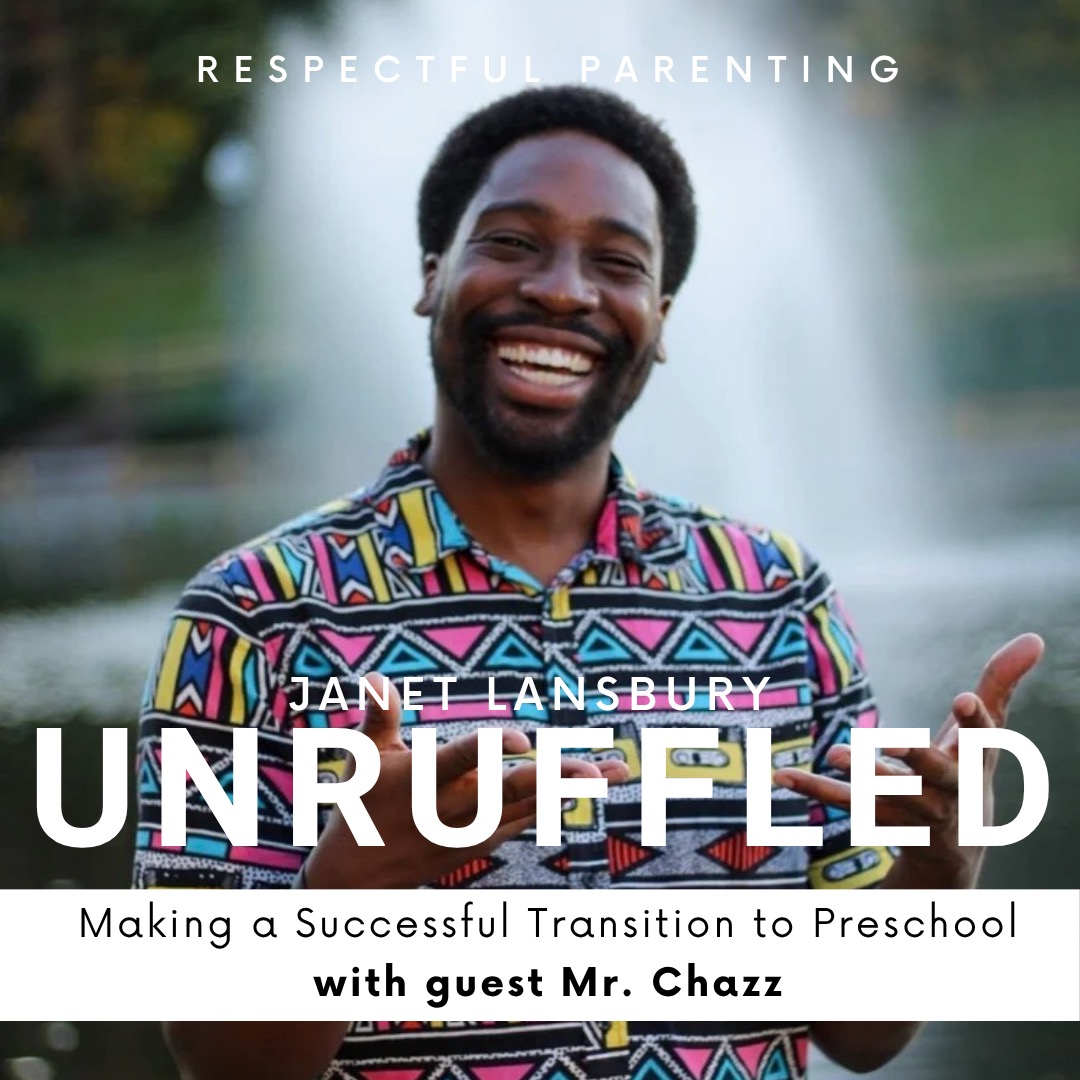
Esteemed educator Mr. Chazz, widely recognized as "America’s favorite teacher," recently joined host Janet Lansbury on her podcast to discuss the critical process of transitioning young children into preschool or childcare settings. The conversation, which aired on October 5, 2025, offered practical strategies for both parents and educators, emphasizing the foundational importance of trust and sustained connection during periods of separation. Mr. Chazz, whose insights have garnered a significant following across platforms like TikTok and Instagram, shared his expertise, drawing from his extensive experience and his innovative approach to early childhood education, notably through his newly established learning and childcare center, Birdhouse, in Brooklyn.
The Foundation of Trust and Connection
Mr. Chazz articulated a core philosophy that underpins his work: the paramount importance of building trust and maintaining a sense of connection between children, parents, and educators. He posited that many traditional childcare models often prioritize adult convenience over the developmental needs of the child, leading to less-than-ideal transition experiences. "We often do things for the convenience of the adult rather than what’s best for the child or the teachers or even the family unit," Mr. Chazz stated, highlighting a systemic issue within early childhood education. This perspective challenges conventional drop-off procedures, which he characterized as akin to "dropping children off like Amazon packages," often marked by emotional distress and hurried departures.
Birdhouse: An Innovative Model for Early Childhood Care
The discussion extensively covered the principles behind Mr. Chazz’s Birdhouse center, which aims to redefine the childcare experience. A key innovation is the provision of on-site housing for the head teacher, enabling them to live above the facility. This arrangement, Mr. Chazz explained, alleviates financial pressures on educators, allowing them to operate from a place of security rather than survival. "They can really lend their prefrontal lobes and really care for the children because they feel cared for and they’re not in a survival state," he noted, underscoring the direct correlation between educator well-being and the quality of care provided to children. This approach directly addresses the pervasive issue of high teacher turnover in the early childhood sector, fostering a sense of commitment and stability that benefits the entire school community.
Redefining "Arrival" and "Reunion"
Central to Birdhouse’s transitional model is a shift in language and practice, replacing "drop-off" and "pick-up" with "arrival" and "reunion." This linguistic change is accompanied by a more deliberate and integrated approach to the initial moments a child spends in the center. The arrival process at Birdhouse is designed to be a shared experience between parent and child, incorporating elements such as handwashing, personal connection, and settling into the classroom environment. This deliberate pacing, Mr. Chazz argued, fosters a sense of safety and belonging, paving the way for more engaged participation in learning and play.
The Visual Routine Card: A Tool for Predictability and Independence
To support this structured arrival process, Birdhouse utilizes visual routine cards. These cards, displaying a sequence of steps from left to right, guide both children and parents through the arrival procedure. The steps typically include a moment of connection with Mr. Chazz or another educator, putting away personal belongings, removing shoes, and handwashing. This visual aid, Mr. Chazz explained, provides children with a predictable framework, reducing uncertainty and empowering them to navigate the transition with increasing independence. He noted that over time, children begin to internalize the routine, even prompting themselves and their parents through the steps.
Building Bridges Through Play and Observation
Mr. Chazz emphasized the importance of meeting children where they are, avoiding pressure and instead focusing on observing their interests and responding accordingly. This involves noticing what a child is looking at, offering them toys they are drawn to, and acknowledging their attempts to communicate. These small, attuned moments, he explained, are crucial for building trust and helping children feel seen and understood. This approach contrasts with more traditional methods that may inadvertently create a sense of pressure or uncertainty for a child entering a new environment.
Leveraging Technology for Professional Development
Birdhouse also employs cameras not for disciplinary purposes, but as a powerful tool for reflection and professional development among its staff. Mr. Chazz shared that he reviews footage of interactions to identify learning opportunities for his "safekeepers" (educators). These reflections, shared within the team, foster a culture of continuous improvement and allow for collaborative problem-solving, ensuring that the educators are constantly refining their approach to support children’s emotional and developmental needs. This data-driven approach to professional development can lead to more effective strategies for managing challenging behaviors and fostering positive child-adult interactions.
Navigating Difficult Emotions and Transitions
The conversation delved into the reality that even with the most supportive environment, children may still experience distress during separation. Mr. Chazz recounted a particularly challenging situation where a child cried throughout circle time. He highlighted how the educators responded by acknowledging the child’s feelings and involving the other children in a collective deep breath for their peer. This strategy, he explained, not only supports the distressed child but also teaches all the children about emotional regulation and empathy. This approach underscores the idea that difficult moments can serve as powerful learning opportunities for all involved.
The Parent’s Role in the Transition Process
Mr. Chazz stressed that parents play an integral role in facilitating a smooth transition. He encouraged parents to be honest about their child’s potential feelings and to collaborate with educators. This includes providing detailed information about their child’s habits, preferences, and any potential anxieties, particularly regarding nap times or other routines. "There’s never too much detail," Mr. Chazz emphasized, illustrating this with an anecdote about a child who became upset due to a forgotten comfort object, underscoring the critical role of specific information in supporting a child’s emotional well-being.
Addressing Common Challenges in Early Childhood Settings
The discussion also touched upon the inherent challenges in larger group settings, such as noise, stimulation, and the sheer volume of children requiring individual attention. Mr. Chazz acknowledged that in such environments, it can be more difficult for educators to provide the same level of individualized attunement as in smaller, more controlled settings. This highlights the importance of realistic expectations for both parents and educators in diverse childcare environments.
The Emotional Labor of Teaching and Parenting
Both Mr. Chazz and Ms. Lansbury spoke passionately about the profound emotional labor involved in teaching and parenting. Mr. Chazz expressed his personal fulfillment in returning to the classroom, describing it as a "mile deep" experience that offers unparalleled rewards despite its challenges. He emphasized the importance of appreciating the small victories and moments of progress, as these can provide the energy and motivation to continue in this demanding yet vital profession. Ms. Lansbury echoed these sentiments, reflecting on her own experiences and the deep learning that comes from working closely with children and their families.
Fostering Resilience and Understanding
The conversation concluded with a powerful message about belief and resilience. Mr. Chazz reiterated that even during difficult separations, children can navigate these moments with the support of attuned caregivers. He framed a child’s sadness at saying goodbye not as a weakness, but as a testament to their capacity for deep love and connection. This perspective encourages parents to trust in their child’s ability to cope and to view challenging moments as opportunities for growth and healing. The underlying belief that children can handle these emotions, provided they have a safe and understanding environment to return to, is fundamental to a successful transition and the fostering of lifelong resilience. This outlook is crucial for both parents navigating the initial separation and for educators tasked with providing a nurturing space for children to process their feelings.
The insights shared by Mr. Chazz provide a comprehensive framework for understanding and implementing successful preschool transitions. By prioritizing trust, connection, and a child-centered approach, educators and parents can work collaboratively to ensure that these early educational experiences are positive, supportive, and foundational for future learning and development.