

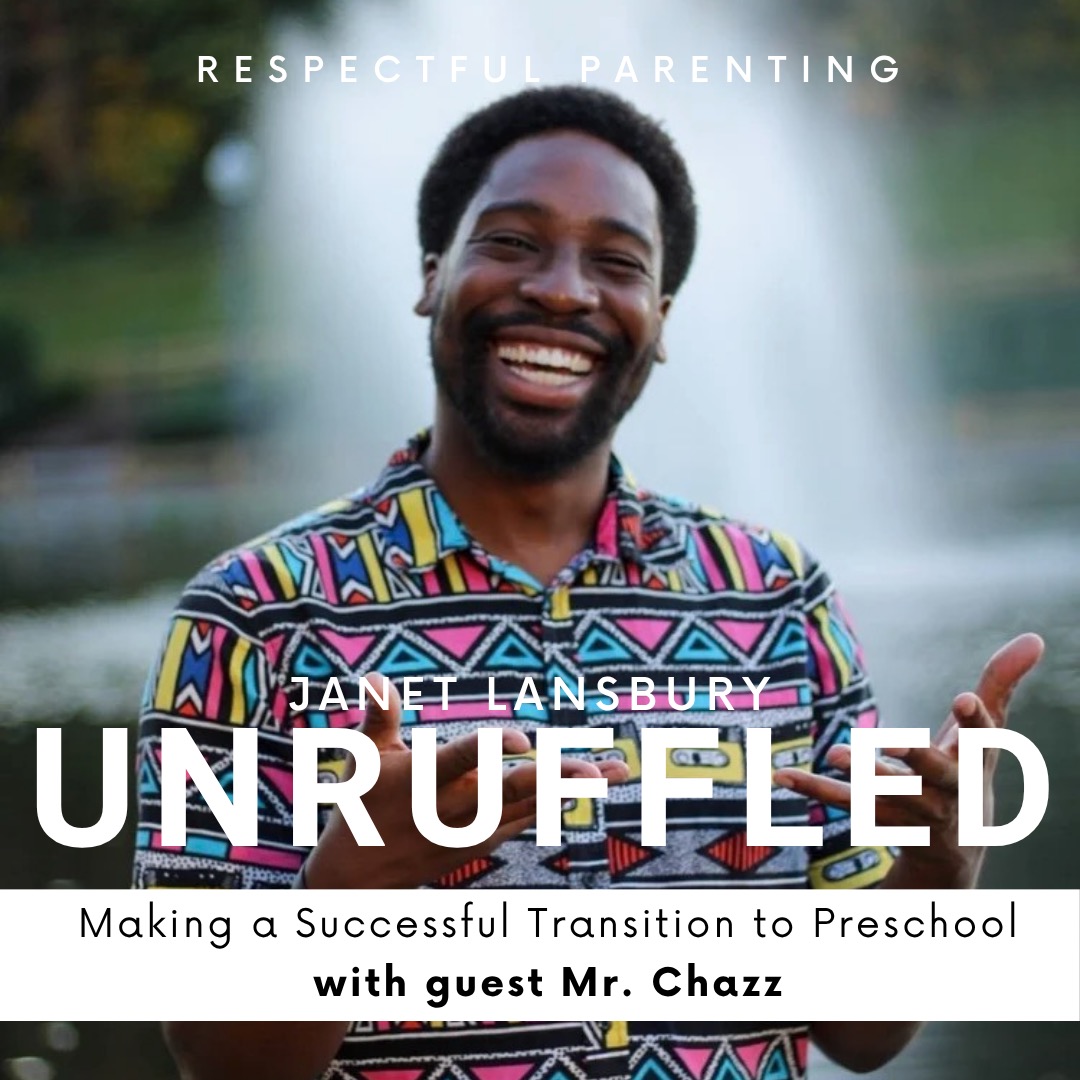
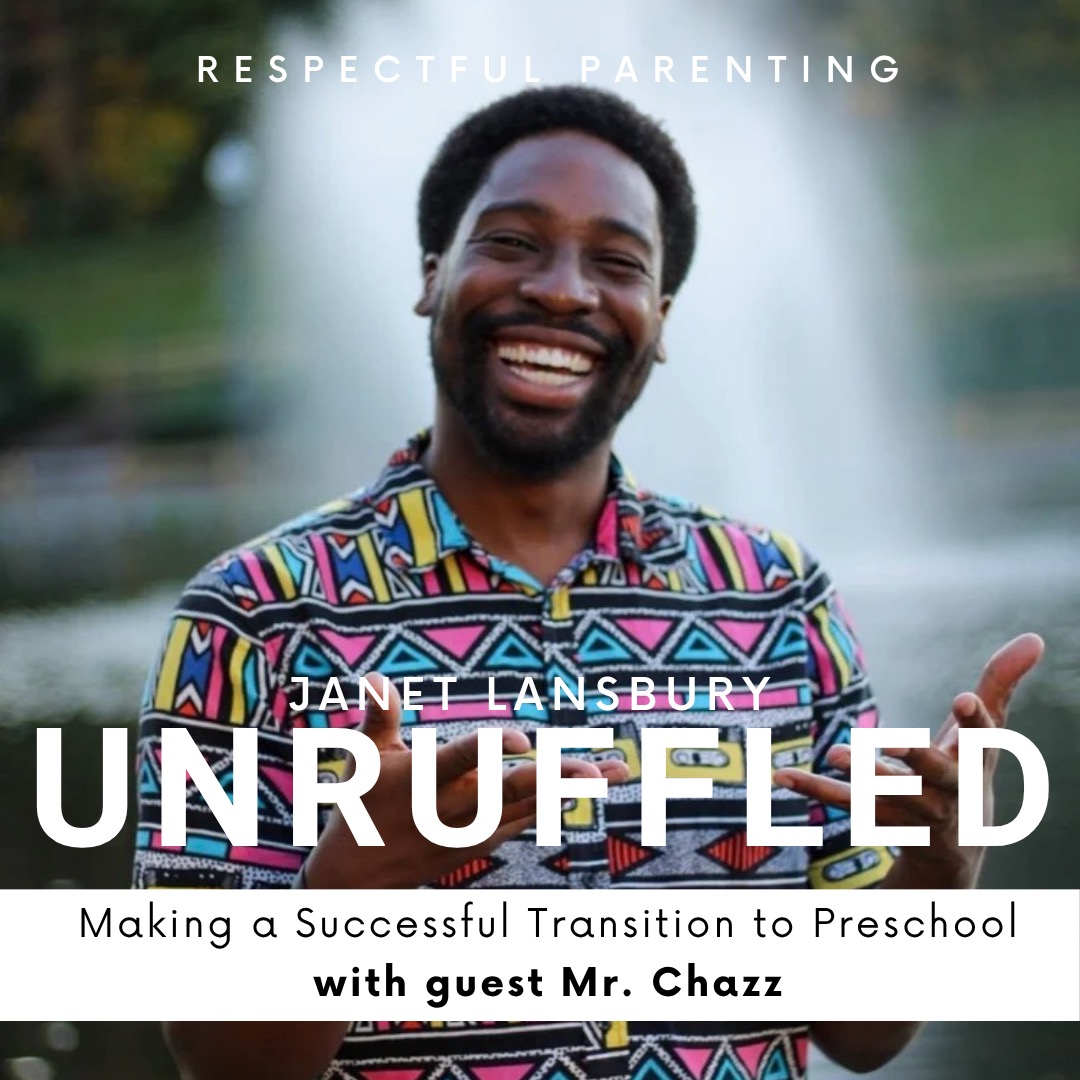
Renowned educator Mr. Chazz, celebrated as "America’s favorite teacher," recently joined Janet Lansbury on her podcast, "Unruffled," to discuss strategies for facilitating a smooth transition for children entering preschool or childcare settings. The conversation, which aired on October 5, 2025, highlighted Mr. Chazz’s innovative approach to early childhood education, particularly through his newly established childcare center, "Birdhouse," in Brooklyn. The discussion emphasized the crucial role of trust, connection, and a child-centered philosophy in easing separation anxiety for both children and parents.
Mr. Chazz, who has garnered a significant following on social media platforms like TikTok and Instagram for his engaging and empathetic style, shared insights into the challenges inherent in traditional childcare transitions. He posited that many existing models inadvertently prioritize adult convenience over the developmental needs of children and educators. This perspective underpins his vision for Birdhouse, which aims to redefine early childhood care by fostering a supportive and nurturing environment.
The "Birdhouse" Model: Prioritizing Educator Well-being
A cornerstone of Mr. Chazz’s philosophy, and a key differentiator for Birdhouse, is the prioritization of educator well-being. He revealed that the head teacher at Birdhouse lives on-site, a measure designed to alleviate financial burdens such as rent. This initiative, Mr. Chazz explained, allows educators to operate from a place of security rather than constant "survival." When teachers feel cared for and supported, they are better equipped to engage their "prefrontal lobes" and provide attentive, compassionate care to the children. This directly addresses the well-documented issue of high staff turnover in the early childhood education sector, often attributed to low wages and demanding work conditions. Data from the National Association for the Education of Young Children (NAEYC) consistently points to these factors as significant contributors to instability for children in care. By creating a more sustainable and supportive work environment, Birdhouse aims to foster long-term commitment from its staff, ensuring greater consistency and continuity for the children and their families.
Rethinking "Drop-off" and "Pick-up"
Mr. Chazz articulated a significant shift in terminology and practice regarding the daily separation and reunion of children and parents. He advocates for replacing the terms "drop-off" and "pick-up" with "arrival" and "reunion" to reframe the emotional weight of these moments. Instead of a hurried exit, Birdhouse emphasizes a more intentional and connected "arrival" process. This involves a brief period where parents and children engage in a ritualized sequence, starting with a moment of connection—often a high-five, hug, or fist bump—with Mr. Chazz or another staff member. This is followed by children putting away their belongings, removing their shoes, and washing their hands, all guided by visual cues.
The "arrival" phase is designed to be a gradual integration into the classroom environment, fostering a sense of belonging and safety. This contrasts sharply with many traditional childcare settings where parents are often expected to leave quickly, sometimes leading to distress for the child. Mr. Chazz noted that this approach, while requiring more time, ultimately leads to children feeling more secure and ready to engage in learning and play.
Strategies for a Seamless Transition
For parents navigating more traditional childcare settings, Mr. Chazz offered practical strategies. He stressed the importance of a visual routine card, a left-to-right sequence of steps outlining the arrival process. This visual aid, he explained, helps children understand the sequence of events, reducing uncertainty and friction. Children can learn to point to the next step, fostering independence and a sense of control.
Beyond the visual routine, Mr. Chazz suggested several proactive measures:
- Pre-Visit Familiarization: If possible, encourage children to visit the school with their parents beforehand. This allows them to explore the space, meet staff, and begin building connections in a low-pressure environment.
- Creating a Visual Book: Parents can create a personalized book with photos of the school, the teachers, and the daily schedule. This can help children visualize their day and build excitement for attending.
- Role-Playing: Practicing the arrival and separation routine at home through play can significantly reduce anxiety. This can involve using stuffed animals to represent other children and enacting the steps of the day, including the goodbye.
- Honest Communication: While aiming to build excitement, it’s crucial to be honest about all aspects of the day, including less popular activities like nap time. Allowing children to express concerns and discussing potential solutions or compromises with teachers can be beneficial.
The Power of Connection and Observation
Central to Mr. Chazz’s philosophy is the concept of "connection" as the foundation for all learning and emotional regulation. He emphasized that teachers, whom he affectionately calls "safekeepers," should not pressure children but rather meet them where they are, observing their interests and responding to their cues. This involves noticing what a child is looking at or playing with and engaging with them on their terms, offering a toy or acknowledging their actions. These small, observant moments create a sense of being seen and understood, which is vital for building trust.
To facilitate this, Birdhouse utilizes cameras not for disciplinary purposes, but as a reflective tool for educators. These recordings allow teachers to analyze interactions, identify learning opportunities, and discuss effective strategies for supporting children. This practice fosters a culture of continuous professional development and allows for shared learning among the staff.
Navigating Difficult Emotions
The conversation delved into the inevitable challenges of separation, including instances where children experience significant distress. Mr. Chazz shared a poignant anecdote about a child who cried throughout circle time. Instead of attempting to silence the child, the educators acknowledged the child’s feelings, framing it as missing their mom and experiencing disappointment. The other children were encouraged to take a deep breath for their peer, a practice that not only supported the distressed child but also offered a valuable lesson in co-regulation for the entire group.
This approach highlights a key principle: emotions are contagious, and by modeling healthy regulation, adults can guide children through difficult feelings. Mr. Chazz stressed that these moments, while challenging, are powerful learning opportunities for both children and adults, offering insights into a child’s inner world and reinforcing the importance of empathy and understanding. He also emphasized the importance of avoiding blame, whether directed at oneself, the child, or others, and instead focusing on a helpful mindset and practical strategies.
The Enduring Importance of Early Childhood Educators
Mr. Chazz concluded the discussion by reaffirming his deep commitment to being present in the classroom, describing it as a "mile deep" rather than a "mile wide" approach to early childhood education. He acknowledged the significant emotional labor involved in teaching but declared it the most rewarding aspect of his career. This sentiment was echoed by Janet Lansbury, who expressed her own deep appreciation for the profound learning that occurs through direct interaction with children.
Both educators underscored the vital role of early childhood professionals and parents in creating environments where children feel safe, connected, and understood. They highlighted that a child’s ability to express difficult emotions during separation is not a sign of failure but a testament to their deep love and strong attachments, a strength to be nurtured and supported. The conversation served as a powerful reminder of the transformative impact of thoughtful, empathetic, and developmentally appropriate approaches to early childhood education.