

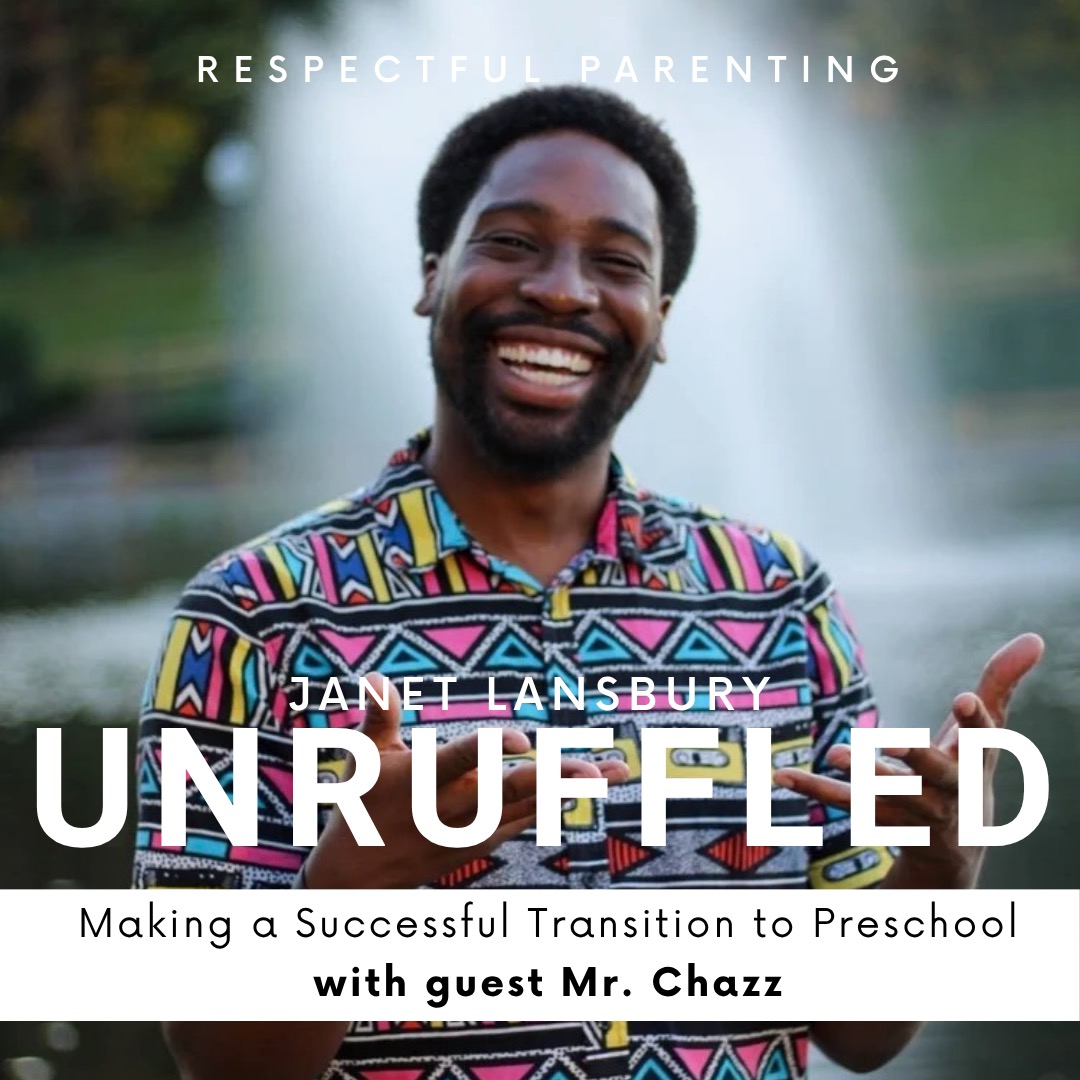
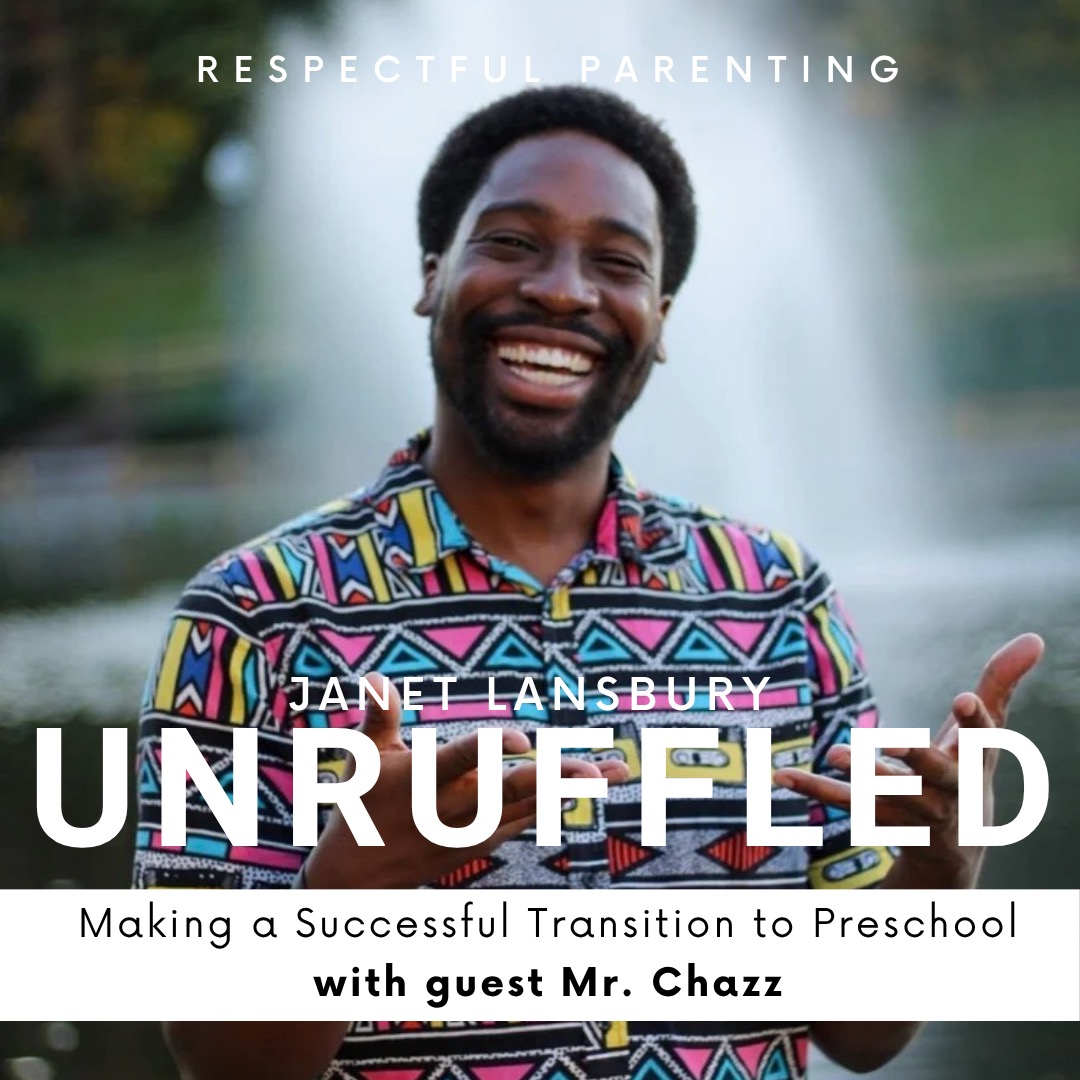
Esteemed educator Mr. Chazz, widely recognized as "America’s Favorite Teacher," recently joined host Janet Lansbury on her podcast, "Unruffled," to discuss the critical topic of helping children navigate the often-challenging transition into preschool or new childcare environments. The conversation, which took place in early October 2025, highlighted Mr. Chazz’s innovative approach at his newly established childcare center, Birdhouse, in Brooklyn, and offered practical advice for parents and educators alike.
The Importance of Trust and Connection in Early Childhood Transitions
Mr. Chazz, whose genuine connection with children and adults has garnered him a significant following on social media platforms like TikTok and Instagram, as well as through his podcast "Learning Curve with Mr. Chazz," emphasized that successful transitions hinge on fostering trust and maintaining a strong sense of connection. He articulated that traditional childcare models often prioritize adult convenience over the developmental needs of children, leading to less-than-ideal separation experiences.
"We often do things for the convenience of the adult rather than what’s best for the child or the teachers or even the family unit," Mr. Chazz stated during the broadcast. He further elaborated that this convenience often stems from the overwhelming responsibilities that adults carry, making it difficult to prioritize the child’s emotional needs during transitions.
Birdhouse: A Model for Supportive Early Childhood Care
The core of Mr. Chazz’s discussion revolved around his new venture, Birdhouse. This in-home childcare facility is designed from the ground up to address the shortcomings he observed in conventional early childhood programs. A key innovation at Birdhouse is the housing arrangement for the head teacher, who lives upstairs from the school. This arrangement aims to alleviate financial burdens and reduce the "survival state" that many educators experience, allowing them to dedicate their full attention and emotional capacity to the children.
"Teachers don’t feel like they’re in their own survival state," Mr. Chazz explained. "They can really lend their prefrontal lobes and really care for the children because they feel cared for and they’re not in a survival state." This approach directly combats the high turnover rates often seen in the early childhood education sector, which can disrupt consistency and create instability for children and families. Lansbury underscored this point, noting that teacher retention is crucial for building trust and a stable environment.
Redefining "Drop-off" and "Pick-up"
Mr. Chazz introduced a fundamental shift in terminology at Birdhouse, moving away from the transactional terms "drop-off" and "pick-up" to "arrival" and "reunion." This linguistic change is more than just semantics; it reflects a deeper philosophy of engagement and connection.
"Instead of it being this quick drop-off and pick-up, we wanted to focus more on the connection aspect of all of this," he said. The "arrival" period at Birdhouse is designed as a gentle integration into the classroom. Parents are encouraged to spend time with their children, engaging in activities like handwashing and connecting with the educators. This process, while taking more time than a hurried departure, is intended to create a sense of safety and belonging for the child, facilitating a smoother transition into learning and play.
The "Arrival" Ritual: A Step-by-Step Guide
The arrival process at Birdhouse is structured with clear visual cues to guide both children and parents. This visual routine, often presented on a card or board, typically includes steps such as:
- Moment of Connection: A personalized greeting, ranging from a high-five to a hug, acknowledging each child’s individual preference. This ensures children feel seen and valued from the outset.
- Putting Away Belongings: Children are guided to place their personal items in their designated hook or cubby.
- Transitioning Indoors: Removing outdoor shoes to maintain a clean and hygienic play space.
- Handwashing: A collaborative activity between parent and child to prepare for the day’s activities.
- Pre-Departure Connection: A final, meaningful interaction between parent and child before separation. This could be a brief game, a hug, or a kiss, reinforcing their bond.
While parents are not mandated to stay, they are invited to participate in the initial stages of the day, including circle time, allowing for a gradual separation. This extended welcome contrasts sharply with many traditional centers where parents are often expected to leave immediately after a brief interaction.
Building Bridges: Pre-Enrollment Strategies
Birdhouse also implements proactive strategies to ease the transition process even before the official start date. Children and their parents are invited to visit the center a week or two in advance to acclimate to the environment and build rapport with the educators, referred to as "safekeepers."
"If the child does have a hard time when the parent leaves, they have a safe person to go to," Mr. Chazz explained. This pre-enrollment period is crucial for establishing a foundation of trust, making it easier for children to cope with the emotional experience of separation when it occurs.
The Role of Observation and Responsive Caregiving
Mr. Chazz emphasized the importance of observation and responsive caregiving in building connections with new children. Educators are trained to avoid pressuring children, instead focusing on noticing their interests and engaging with them at their pace.
"I look for little moments of things that they’re interested in that they want to play, and then I notice those things too," he shared. This approach, he believes, helps children feel seen and understood, fostering a sense of safety that is paramount for their emotional well-being and willingness to explore.
To support ongoing professional development, Birdhouse utilizes cameras not for surveillance, but as a reflective tool. These recordings allow educators to analyze interactions, identify learning opportunities, and discuss strategies for more effective child engagement. This commitment to continuous learning and self-improvement is central to Mr. Chazz’s philosophy.
Navigating Emotional Departures: Acknowledging and Regulating
The conversation also addressed the inevitable emotional challenges that arise during separations. Mr. Chazz acknowledged that even with the most supportive environment, children may cry when parents leave. However, he stressed that the key lies in how these emotions are handled.
"The difference is that the child cries and they often come to us for comfort and safety, and we’re able to help them work through that because they already feel safe and connected with us," he stated.
The Power of Shared Experience and Co-Regulation
A poignant anecdote shared by Mr. Chazz involved a child who cried throughout circle time. Instead of ignoring the child’s distress, the educators acknowledged it openly, inviting the other children to take a deep breath for their peer. This act of co-regulation not only supported the distressed child but also provided a valuable learning experience for the entire group, demonstrating how to navigate strong emotions constructively.
This approach extends to parents as well, offering them a model for how to manage their own anxieties about their child’s emotional responses. The emphasis is on acknowledging that difficult emotions are a natural part of development and can be navigated with support and understanding.
Visual Aids and Role-Playing: Tools for Preparation
For parents whose children attend more traditional preschools, Mr. Chazz offered practical strategies to ease the transition. He advocated for the creation of visual routine cards, which can help children understand and anticipate the steps involved in arriving at school. These visual aids can demystify the process and provide a sense of predictability.
Role-playing the school routine at home, including greetings, putting away belongings, and saying goodbye, can also significantly reduce friction. This playful rehearsal allows children to practice these transitions in a low-stakes environment, building confidence and familiarity.
The Nuance of Excitement and Honesty
Lansbury and Mr. Chazz discussed the delicate balance of generating excitement for school while remaining honest about less enjoyable aspects, such as nap times. They agreed that transparency is key, and children should feel safe to express their reservations.
"We definitely don’t want to try to get them excited, because they always see through that," Lansbury remarked. Instead, the focus should be on preparing them for the day’s schedule, acknowledging their feelings, and collaboratively problem-solving any potential challenges with educators.
Understanding the Educator’s Role in Attunement
Mr. Chazz highlighted the significant undertaking for educators, especially in larger group settings, to attune to the individual needs of each child. The first month of enrollment is a critical period where teachers work to understand each child’s unique personality, routines, and preferences.
"It’s hard to notice what three children are looking at at the same time and having that moment with three children at the same time, right?" he posited, underscoring the challenge of individual attention in group settings.
He further emphasized that detailed information from parents about their child’s habits, preferences, and potential anxieties (such as naptime rituals) is invaluable to educators. This collaborative information-sharing ensures that children’s needs are met, even in a busy environment.
The Rewarding Depth of Classroom Engagement
Despite the demanding nature of early childhood education, Mr. Chazz expressed profound satisfaction with his decision to return to the classroom. He contrasted this deep engagement with the broader reach of speaking engagements, concluding that the direct impact on children and families in a day-to-day setting is unparalleled.
"There’s absolutely nothing more rewarding than being with my kids day in and day out and supporting them and practicing my skills and supporting the parents and teaching the parents," he stated. This commitment underscores the profound emotional labor and immense reward inherent in early childhood teaching.
The Enduring Strength of Childhood Connection
The conversation concluded with a powerful affirmation of the bond between children and their primary caregivers. Mr. Chazz and Lansbury agreed that a child’s distress upon separation is not a sign of weakness but a testament to the depth of their love and connection. This perspective reframes separation anxiety not as a problem to be eliminated but as a natural expression of a strong, healthy attachment.
"They’re loving deeply and they have a strong connection with their number one and their number two person in the world. It makes sense," Mr. Chazz summarized. This understanding empowers parents and educators to approach transitions with empathy, patience, and a deep appreciation for the emotional landscape of young children.