

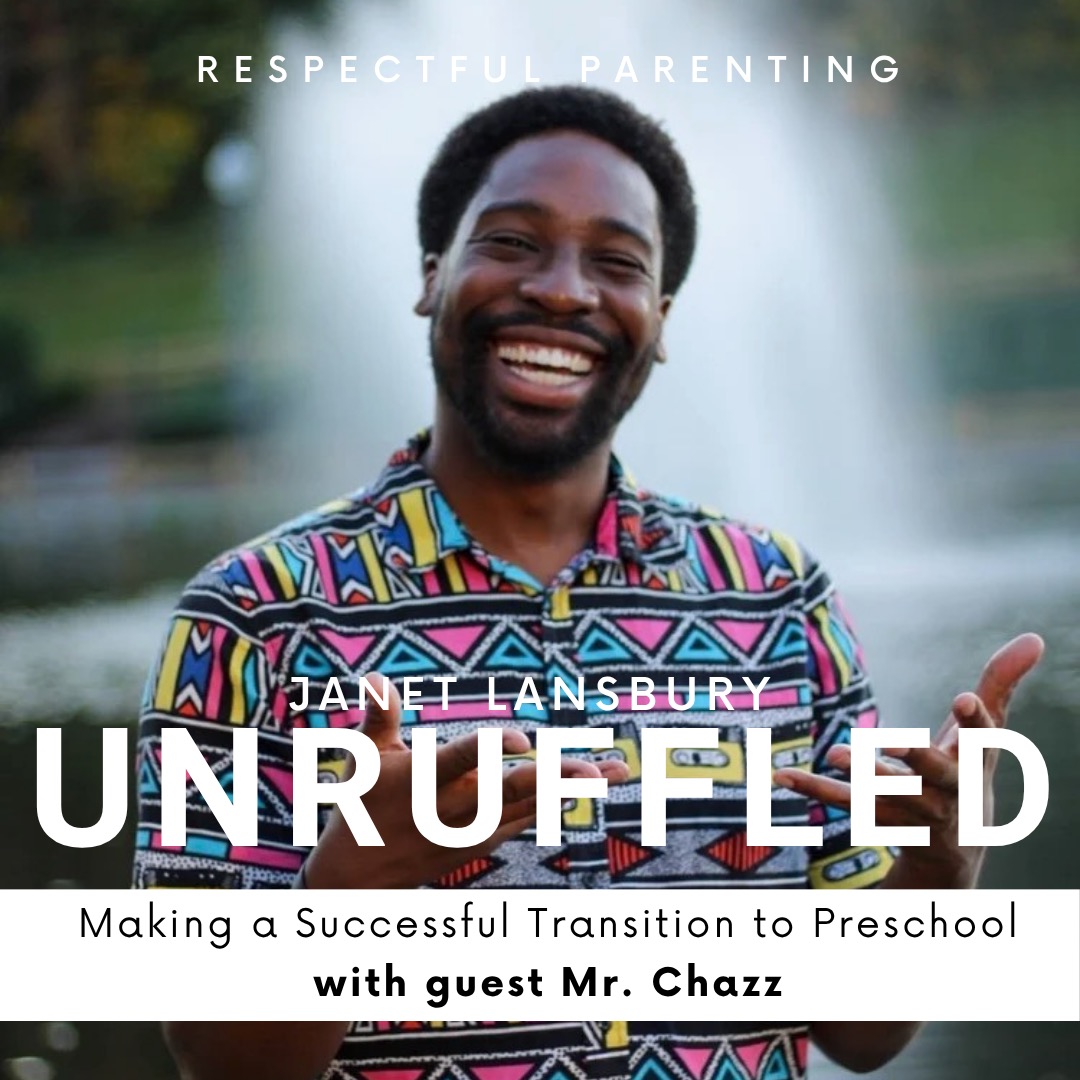
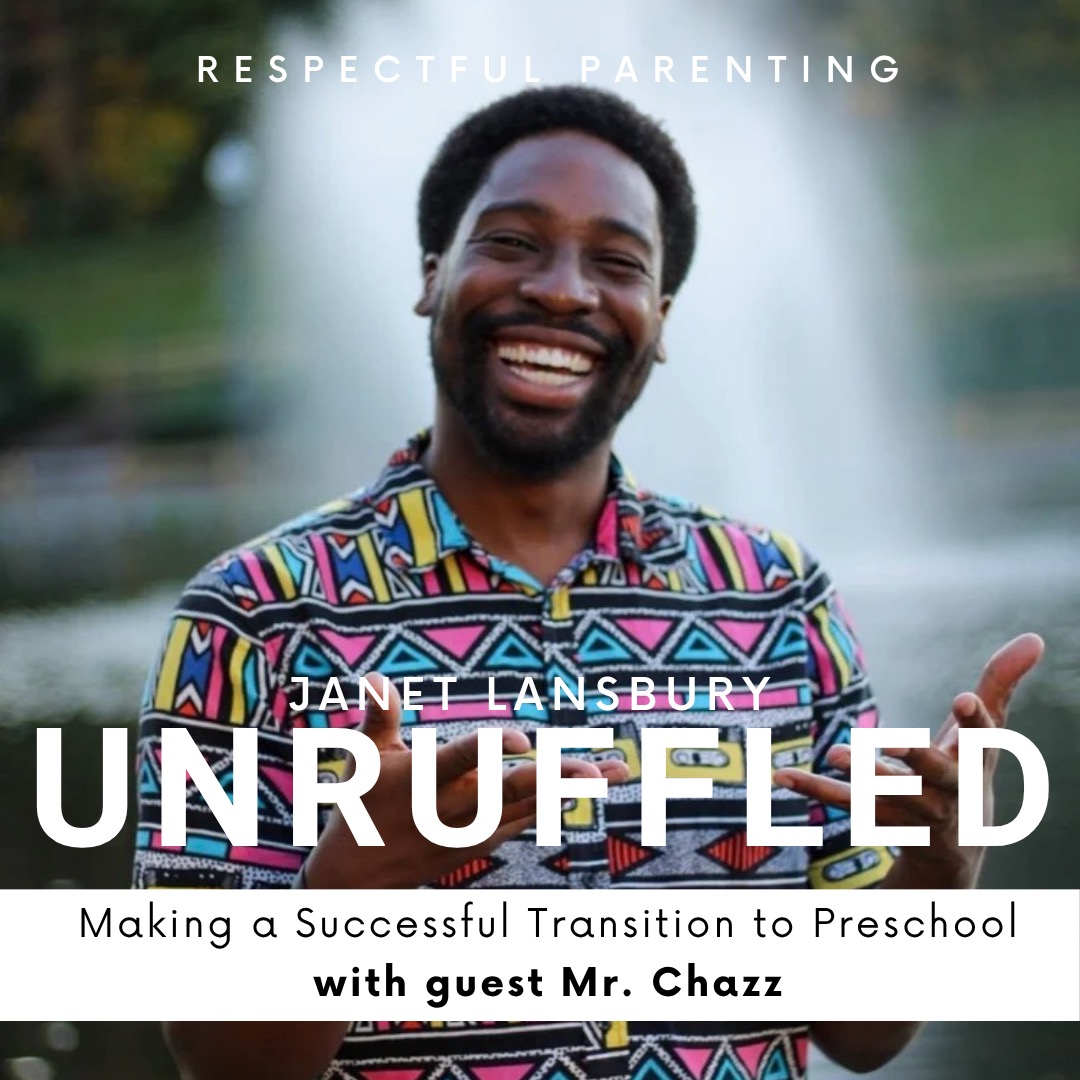
Iconic educator Mr. Chazz, known for his engaging presence on social media platforms and his podcast "Learning Curve with Mr. Chazz," recently sat down with Janet Lansbury to discuss the critical process of transitioning young children into preschool or childcare settings. The conversation, which aired on October 5, 2025, focused on fostering trust, maintaining secure connections, and empowering both parents and educators to navigate these significant developmental milestones with confidence.
Mr. Chazz, widely regarded as "America’s favorite teacher," brings a unique blend of charm, humor, and profound understanding of child development to his work. His recent initiative, the opening of "Birdhouse," a novel in-home childcare center in Brooklyn, served as a central theme, illustrating his vision for an ideal early childhood environment. However, the discussion also delved into practical strategies applicable to more traditional childcare settings, acknowledging the widespread challenges many families face.
The Vision Behind Birdhouse: Prioritizing Educator Well-being
A cornerstone of Mr. Chazz’s philosophy, and a key differentiator of Birdhouse, is the prioritization of the well-being and professional fulfillment of educators. In a field often plagued by high turnover rates, largely attributed to inadequate compensation and support, Mr. Chazz has implemented an innovative staffing model: the head teacher resides in an apartment directly above the school.
"This model," Mr. Chazz explained, "eliminates the financial strain of rent for our educators, allowing them to operate from a place of security rather than survival. When teachers feel cared for, they are better equipped to engage their prefrontal lobes and provide the nurturing care that children need. It’s a fundamental principle: it’s far more challenging to care for children when you yourself are not being cared for."
This approach directly addresses a critical issue in early childhood education. According to the National Association for the Education of Young Children (NAEYC), teacher turnover rates in the U.S. can exceed 40% annually in some centers. This instability significantly impacts children’s sense of security and continuity, and the consistent presence of well-supported educators is vital for fostering strong attachment bonds.
Rethinking "Drop-Off": The Power of Arrival and Reunion
The conventional practice of "drop-off" in many childcare settings often prioritizes adult convenience over the child’s emotional needs. Mr. Chazz described this as akin to "dropping children off like Amazon packages," a hurried process that can leave both child and parent feeling anxious and disconnected. At Birdhouse, this paradigm has been intentionally shifted to "arrival" and "reunion."
"We’ve changed the language because it reflects a change in our approach," Mr. Chazz stated. "Arrival is not a quick transaction; it’s an opportunity for connection. Parents are invited to come in, engage with their children, and transition them into the classroom environment. This might involve washing hands together, a brief moment of connection, or simply integrating them into the space."
This extended arrival process, though requiring more time than a hurried drop-off, is designed to build a foundation of safety and trust. By allowing parents to be present and involved in the initial moments, children are more likely to feel secure and confident as they embark on their day of learning and play. This contrasts with the typical scenario where parents are often quickly ushered out, potentially exacerbating a child’s separation anxiety.
Practical Strategies for Successful Transitions
For parents navigating more traditional childcare settings that may not offer the same level of parental involvement during arrival, Mr. Chazz offered several actionable strategies.
Visual Routines and Social Stories
A key tool employed at Birdhouse, and one easily adaptable by parents, is the use of visual routines. These are simple, left-to-right sequences of images depicting the steps of the arrival process: greeting, putting away belongings, removing shoes, washing hands, and a final moment of connection.
"Visuals are incredibly helpful for children and parents alike," Mr. Chazz explained. "They provide a clear roadmap, reducing uncertainty and fostering independence. Initially, educators guide the child through the steps, but over time, children learn to follow the visual cues themselves, leading to a more seamless and less friction-filled transition."
This approach aligns with established principles of child development, which highlight the importance of predictability and routine for young children. Social stories, or visual narratives, can also be created by parents to pre-emptively explain the school routine, introduce educators, and address any potential anxieties.
Role-Playing and Playful Practice
Mr. Chazz advocates for role-playing the transition process at home. This involves parents and children acting out the arrival and departure scenarios, using stuffed animals to represent other children. This playful practice allows children to become familiar with the routine in a low-stakes environment.
"It’s like practicing before the game," he said. "If a child has rehearsed the steps, they are better equipped to navigate them, even when experiencing emotional moments at school. This includes practicing the playful goodbyes, which can help alleviate anxiety."
Pre-Visit Opportunities
When possible, Mr. Chazz encourages parents to arrange for their child to visit the childcare setting with them prior to their official start date. These visits allow the child to become familiar with the environment, the educators, and the overall atmosphere.
"This is crucial for building connection," Mr. Chazz emphasized. "If a child has a positive initial connection with an educator, they have a safe person to turn to if they experience distress when the parent leaves. It’s difficult to help a child navigate big emotions if they don’t already feel safe and connected with you."
Navigating Difficult Emotions: A Framework for Support
The conversation also addressed the inevitable emotional challenges that arise during transitions, particularly when children experience separation anxiety. Mr. Chazz shared a poignant anecdote about a child who experienced prolonged distress on a particular day.
"This child was crying, clearly wanting their mom to stay," he recounted. "While other parents were leaving, and other children were engaging in activities, this child remained by the door. Our approach was not to force them into play or to immediately stop the crying. Instead, a teacher stayed nearby, offering a consistent, non-intrusive presence, conveying, ‘I’m here.’ The child was given space to feel their emotions, and the other children in the group learned about empathy and co-regulation by taking a deep breath for their upset peer."
This approach underscores a critical insight: emotions are not problems to be solved but experiences to be navigated. By acknowledging and validating a child’s feelings, rather than trying to suppress them, educators and parents can help children develop healthy coping mechanisms.
The Role of the Caregiver’s Mindset
Mr. Chazz stressed that the caregiver’s mindset is paramount. When faced with a child’s distress, he urged parents and educators to avoid blame—whether self-blame, child-blame, or blaming external factors.
"It just is," he stated. "You had to go to work, the child felt sad. There’s no inherent good or bad. The crucial element is how we, as adults, respond. If we are intentional and regulated, we can turn a difficult moment into a powerful learning opportunity. If we are reactive, driven by our own stress or lack of sleep, we risk exacerbating the situation."
This perspective offers a vital framework for managing challenging situations. It empowers caregivers to recognize their own emotional state and its influence on their interactions with children, promoting a more supportive and constructive approach.
The Enduring Value of Early Childhood Education
Throughout the discussion, Mr. Chazz reiterated his deep commitment to early childhood education and the profound impact it has on children’s lives. He spoke passionately about his decision to return to the classroom, emphasizing the unparalleled rewards of working directly with children.
"There’s nothing more rewarding than being with my kids day in and day out, supporting them, practicing my skills, and supporting the parents," he shared. "It’s the difference between going a mile wide versus a mile deep. The teaching job is difficult, it involves immense emotional labor, but I wouldn’t trade it for anything."
Janet Lansbury echoed this sentiment, highlighting the continuous learning that occurs in the classroom and the invaluable life lessons children impart. "Children teach you so many things, the important things in life," she remarked.
Mr. Chazz concluded by offering a message of encouragement to both parents and early childhood professionals. He emphasized the importance of appreciating the small victories, recognizing the resilience of children, and maintaining a belief in their capacity to navigate challenges. This belief, he argued, is instrumental in creating more positive and supportive experiences for everyone involved. The conversation underscored the fundamental principle that a child’s ability to transition successfully is deeply intertwined with the secure and trusting relationships they forge with their caregivers.