


Understanding Infertility: Definitions and Prevalence
Infertility, defined as the inability to achieve pregnancy after a specified period of regular unprotected intercourse, affects a significant portion of the global population, estimated to be around 10-15% of couples worldwide. This condition is not solely a female issue; approximately one-third of infertility cases are attributed to female factors, another third to male factors, and the remaining third to a combination of factors in both partners or to unexplained causes. Primary infertility refers to couples who have never conceived, while secondary infertility describes those who have conceived at least once but are now unable to do so again. The emotional toll of infertility is profound, often leading to stress, anxiety, depression, and relationship strain, making comprehensive support a critical component of treatment.

The landscape of fertility challenges has evolved, with a growing understanding of various contributing factors. For women, these can include ovulation disorders (such as Polycystic Ovary Syndrome or PCOS), blocked fallopian tubes (often due to pelvic inflammatory disease or endometriosis), uterine abnormalities (fibroids, polyps), and diminished ovarian reserve. Male infertility factors commonly involve issues with sperm production, function, or delivery, such as low sperm count, poor sperm motility, abnormal sperm morphology, or blockages in the reproductive tract. Environmental factors, lifestyle choices, and genetic predispositions also play increasingly recognized roles in both male and female fertility.
The Diagnostic Journey: A Systematic Approach
The path to fertility treatment begins with a thorough diagnostic evaluation for both partners. This systematic approach is crucial for identifying the underlying causes of infertility and tailoring the most effective treatment plan.

For women, initial assessments typically include:
- Hormone testing: Blood tests to measure levels of hormones like FSH (Follicle-Stimulating Hormone), LH (Luteinizing Hormone), estrogen, progesterone, thyroid hormones, and AMH (Anti-Müllerian Hormone), which provide insights into ovarian function and egg supply.
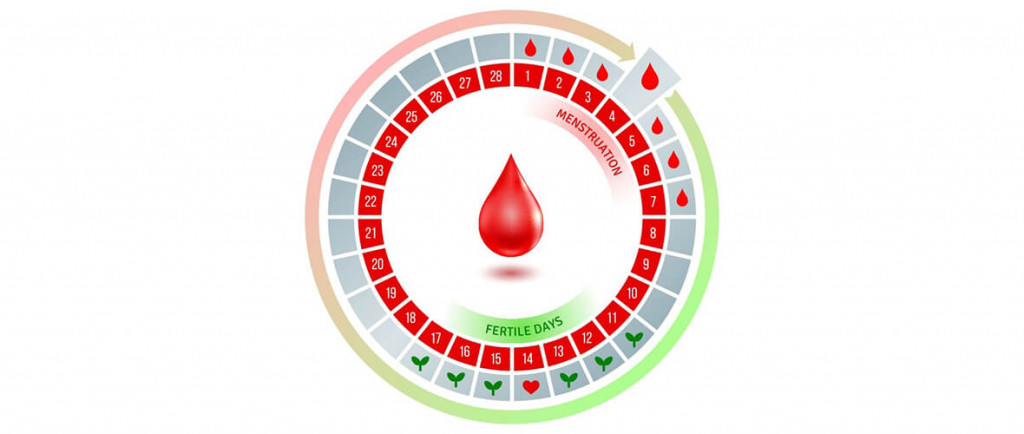
- Ovulation tracking: Methods like basal body temperature charting, ovulation predictor kits, and ultrasound monitoring help confirm regular ovulation.
- Imaging tests: A hysterosalpingogram (HSG) is a common procedure to check if fallopian tubes are open and to assess the shape of the uterus. Saline infusion sonography (SIS) or hysteroscopy may be used to examine the uterine cavity for polyps, fibroids, or scar tissue.
- Ovarian reserve testing: Assessing the quantity and quality of remaining eggs.
For men, the primary diagnostic tool is a semen analysis, which evaluates sperm count, motility (movement), and morphology (shape). Further investigations might include hormone testing (testosterone, FSH, LH), genetic testing, or specialized sperm function tests if initial results are abnormal. In some cases, a testicular biopsy or imaging studies may be required.

This comprehensive diagnostic phase, which can often take several weeks or months, is fundamental to devising an individualized treatment strategy, moving from least invasive options to more advanced interventions as necessary.
Conventional Treatment Pathways: Lifestyle, Supplements, and Medication
Fertility treatments span a spectrum of interventions, from simple lifestyle modifications to complex assisted reproductive technologies. The initial stages often focus on less invasive methods.

1. Lifestyle Changes:
Optimizing general health can significantly improve fertility outcomes. Recommendations often include:
- Diet and Nutrition: Adopting a balanced diet rich in fruits, vegetables, whole grains, and lean proteins, while limiting processed foods, excessive sugar, and unhealthy fats. Specific nutrients like folic acid are crucial for female reproductive health and early fetal development, and antioxidants can improve sperm quality.
- Weight Management: Maintaining a healthy Body Mass Index (BMI) is vital. Both obesity and being underweight can disrupt hormonal balance and ovulation in women, and impact sperm quality in men.
- Exercise: Regular, moderate physical activity is encouraged, but excessive, strenuous exercise can sometimes negatively affect fertility.
- Stress Reduction: Techniques such as mindfulness, yoga, meditation, and counseling can help manage the significant psychological burden of infertility, which can indirectly impact hormonal regulation.
- Eliminating Harmful Substances: Ceasing smoking, reducing alcohol intake, and avoiding recreational drugs are critical, as these substances are known to impair fertility in both sexes. Limiting caffeine intake is also often advised.
2. Vitamins and Supplements:
While not a standalone treatment, certain vitamins and supplements can complement other interventions.

- Folic Acid: Essential for preventing neural tube defects and recommended for all women trying to conceive.
- Vitamin D: Emerging research suggests a link between Vitamin D levels and fertility.
- Coenzyme Q10 (CoQ10): Some studies indicate it may improve egg quality in women and sperm parameters in men.
- DHEA (Dehydroepiandrosterone): Used in some cases to improve ovarian response, particularly in women with diminished ovarian reserve, though its use is often under specialist guidance due to potential side effects.
- Myo-inositol: Shows promise in improving ovulation and egg quality in women with PCOS.
It is crucial for individuals to consult with their healthcare provider before taking any supplements, as not all are evidence-based, and some may interact with medications or have adverse effects.
3. Medication:
Pharmacological interventions are often the first line of medical treatment, primarily for ovulation disorders.
- Clomiphene Citrate (Clomid): An oral medication that stimulates the pituitary gland to release more FSH and LH, prompting the ovaries to produce follicles and ovulate. It is often used for women with irregular or absent ovulation.
- Letrozole (Femara): Another oral medication, often preferred for women with PCOS, that also induces ovulation by temporarily lowering estrogen levels, which in turn increases FSH production.
- Gonadotropins (e.g., FSH, LH injections): These injectable hormones directly stimulate the ovaries to produce multiple eggs. They are more potent than oral medications and require close monitoring to prevent ovarian hyperstimulation syndrome (OHSS) and multiple pregnancies.
- Metformin: Primarily used for diabetes, it can improve insulin sensitivity in women with PCOS, leading to more regular ovulation.
- Dopamine Agonists: Medications like bromocriptine or cabergoline are used to treat hyperprolactinemia (high prolactin levels), which can interfere with ovulation.
4. Surgery:
Surgical interventions can correct anatomical issues hindering conception.

- For Women: Procedures may include laparoscopy to remove endometriosis implants, ovarian cysts, or fibroids; hysteroscopy to remove uterine polyps or septa; and tubal surgery to repair blocked or damaged fallopian tubes, though tubal repair is often less successful than IVF for severe tubal damage.
- For Men: Varicocelectomy, a procedure to repair varicoceles (enlarged veins in the scrotum), may improve sperm quality in some cases. Surgical sperm retrieval (e.g., TESE, TESA) is performed when sperm cannot be ejaculated due to blockages or production issues.
Advanced Reproductive Technologies (ART): Hope Through Innovation
When conventional treatments are insufficient or inappropriate, Assisted Reproductive Technologies (ART) offer powerful solutions. ART encompasses all fertility treatments in which either eggs or embryos are handled outside the body.
1. Intrauterine Insemination (IUI):
IUI involves directly placing a concentrated sample of washed sperm into the woman’s uterus around the time of ovulation. It is often combined with ovulation-inducing medications and is typically recommended for cases of mild male factor infertility, unexplained infertility, or cervical factor infertility. It is a less invasive and less expensive option compared to IVF.

2. In Vitro Fertilization (IVF):
IVF is the most effective ART procedure and involves several key steps:
- Ovarian Stimulation: Fertility medications are administered to stimulate the ovaries to produce multiple mature eggs.
- Egg Retrieval: Once the eggs are mature, they are retrieved from the ovaries using a needle guided by ultrasound, usually under light sedation.
- Fertilization: The retrieved eggs are then fertilized with sperm in a laboratory dish. This can be done through conventional insemination or via Intracytoplasmic Sperm Injection (ICSI), where a single sperm is injected directly into each egg, particularly useful for severe male factor infertility.
- Embryo Culture: The fertilized eggs (embryos) are cultured in the lab for several days (typically 3-5 days) to allow them to develop.
- Embryo Transfer: One or more selected embryos are transferred into the woman’s uterus using a thin catheter. Any remaining viable embryos can be cryopreserved (frozen) for future use.
- Pregnancy Test: A blood test is performed approximately two weeks after embryo transfer to determine if pregnancy has occurred.
IVF is utilized for a wide range of infertility causes, including blocked fallopian tubes, severe male factor infertility, endometriosis, ovulation disorders, and unexplained infertility.

3. Other ART Modalities:
- Donor Gametes: For individuals or couples where one partner’s gametes (eggs or sperm) are not viable, donor eggs or sperm can be used. Embryo donation is also an option.
- Gestational Carriers (Surrogacy): In cases where a woman cannot carry a pregnancy to term (e.g., due to uterine issues or medical contraindications), another woman (the gestational carrier) carries the pregnancy using the intended parents’ (or donor) embryo.
Beyond Medical Interventions: The Role of Support
The journey through infertility is emotionally arduous, and robust support systems are invaluable. Organizations like the American Pregnancy Association (APA) and RESOLVE: The National Infertility Association offer critical resources, including:
- Information and Education: Providing evidence-based articles, guides, and FAQs to help individuals understand their diagnosis and treatment options.
- Helplines and Live Chats: Offering immediate, confidential support and guidance from trained professionals.
- Community and Peer Support: Facilitating connections with others who share similar experiences through online forums, support groups, and local chapters, fostering a sense of belonging and reducing isolation.
- Advocacy: Working to improve access to care, insurance coverage, and public awareness of infertility.
These resources emphasize that no one should feel alone in their fertility journey, providing practical advice, emotional solace, and a pathway to informed decision-making.
Navigating the Financial and Emotional Landscape
While modern fertility treatments offer immense hope, they also come with significant challenges, notably financial costs and emotional strain. IVF cycles, for instance, can be expensive, often ranging from $12,000 to $25,000 per cycle, and many couples require multiple cycles. Insurance coverage for fertility treatments varies widely, with many plans offering limited or no coverage, leading to substantial out-of-pocket expenses. This financial burden can exacerbate stress and influence treatment choices.

The emotional and psychological impact of infertility and its treatment cannot be overstated. The cycle of hope and disappointment, the invasiveness of procedures, the hormonal fluctuations from medications, and the societal pressures to conceive can lead to profound psychological distress. Mental health support, including counseling, therapy, and mindfulness practices, is therefore an integral part of comprehensive fertility care. Many fertility clinics now integrate mental health professionals into their teams to provide holistic patient support.
The Future of Fertility Treatment: Innovations and Ethical Considerations
The field of reproductive medicine continues to advance rapidly. Emerging technologies and research areas include:

- Artificial Intelligence (AI) in Embryo Selection: AI algorithms are being developed to improve the selection of the most viable embryos for transfer, potentially increasing IVF success rates.
- Mitochondrial Replacement Therapy: A highly experimental technique aimed at preventing the transmission of mitochondrial diseases from mother to child.
- Improved Cryopreservation Techniques: Advancements in egg and embryo freezing are enhancing success rates and expanding options for fertility preservation.
- Personalized Medicine: Tailoring treatment protocols based on an individual’s genetic profile and specific infertility factors.
- Non-Hormonal Contraception and Fertility-Enhancing Drugs: Research into novel approaches that could offer more targeted and fewer side effects for both contraception and fertility enhancement.
These innovations bring with them important ethical considerations, such as the implications of genetic screening, the welfare of embryos, access to expensive technologies, and the definition of parenthood. Regulatory bodies and professional organizations continuously work to establish guidelines that balance scientific progress with ethical responsibility.
Conclusion: A Path Forward
The journey through infertility is undeniably challenging, marked by emotional highs and lows, complex medical decisions, and often significant financial strain. However, the remarkable advancements in reproductive medicine, coupled with robust support systems from organizations like the American Pregnancy Association, offer a powerful message of hope. From simple lifestyle adjustments and targeted medications to sophisticated assisted reproductive technologies like IVF, numerous evidence-based options are available to help individuals and couples achieve their dream of building a family. The key lies in early consultation with healthcare providers, adherence to professional guidelines from bodies like ASRM, and embracing the comprehensive support networks designed to navigate every stage of this deeply personal journey. As research continues to unfold, the future promises even more refined and accessible pathways to parenthood, ensuring that those facing infertility are never truly alone.
