


When a couple has been unsuccessful at achieving pregnancy after one year of regular, unprotected intercourse, a comprehensive physical and medical assessment for both partners is imperative. This proactive and equitable approach to fertility evaluation is crucial, as male factors alone account for approximately 50% of all infertility cases, underscoring the necessity of examining both individuals for potential issues simultaneously. The journey to parenthood can be challenging for many, with global statistics indicating that infertility affects a significant portion of the reproductive-aged population.

Understanding Infertility: A Modern Perspective
Infertility is medically defined by the World Health Organization (WHO) and the American Society for Reproductive Medicine (ASRM) as the failure to achieve a pregnancy after 12 months or more of regular unprotected sexual intercourse. For women over the age of 35, this timeframe is often shortened to six months due to age-related decline in ovarian reserve and egg quality. Historically, the burden of infertility was disproportionately placed on women, often leading to delayed diagnosis and treatment for male partners. However, advancements in reproductive medicine and a deeper understanding of human biology have illuminated the shared nature of fertility challenges. It is now widely recognized that male, female, or combined factors can contribute to a couple’s inability to conceive, and in some cases, infertility remains unexplained despite thorough investigations. Globally, it is estimated that 1 in 6 people are affected by infertility, highlighting its widespread prevalence and the need for accessible, unbiased diagnostic pathways.

The Evolving Landscape of Fertility Diagnosis
For decades, the initial focus of fertility investigations often centered primarily on the female partner. This historical bias stemmed from societal norms and a less complete scientific understanding of male reproductive health. Women would undergo extensive and often invasive tests, while male partners might only be considered much later in the diagnostic process, if at all. This approach not only caused undue stress and anxiety for women but also delayed effective treatment by missing crucial male factor contributions.

The shift towards a balanced, parallel investigation of both partners represents a significant evolution in reproductive healthcare. This change is rooted in robust scientific evidence demonstrating that male infertility is as common as female infertility. Studies consistently show that male factors are solely responsible for approximately 20-30% of infertility cases, contribute to an additional 20-30% of cases alongside female factors, and are part of the ‘unexplained’ category where male factors might be subtly at play. This data firmly establishes that neglecting male fertility evaluation is a critical oversight that can prolong the emotional and physical strain on couples trying to conceive.
When to Initiate the Fertility Workup

The standard recommendation for seeking fertility evaluation is after one year of regular, unprotected intercourse without conception. However, this timeline is adjusted for certain populations:
- Women over 35: Evaluation should begin after six months. This accelerated timeline is critical because female fertility declines more rapidly after this age, and prompt intervention can significantly improve outcomes.
- Individuals with known risk factors: Couples with a history of recurrent miscarriages, irregular menstrual cycles, pelvic inflammatory disease, endometriosis, testicular trauma, prior chemotherapy, or other medical conditions known to impact fertility should seek evaluation sooner, potentially even before the standard one-year or six-month mark.
Early consultation with a healthcare provider can help identify potential issues promptly and guide couples toward appropriate diagnostic steps and, eventually, treatment options.

The Comprehensive Diagnostic Pathway: A Dual Approach
Once a couple decides to pursue fertility evaluation, a structured, evidence-based approach is followed for both partners.

For Women:
Female fertility testing typically begins with a thorough medical history, including menstrual cycle regularity, past pregnancies, sexually transmitted infections, and any chronic medical conditions.
- Hormonal Blood Tests: These are usually performed on specific days of the menstrual cycle to assess:
- Follicle-Stimulating Hormone (FSH) and Luteinizing Hormone (LH): These hormones, produced by the pituitary gland, regulate ovarian function. Elevated FSH levels, particularly on day 3 of the cycle, can indicate diminished ovarian reserve.
- Estradiol: A form of estrogen, also tested on day 3, which provides additional information about ovarian function.
- Anti-Müllerian Hormone (AMH): This hormone, produced by cells in ovarian follicles, is a strong indicator of ovarian reserve and responds well to stimulation for IVF. Unlike FSH, AMH levels are relatively stable throughout the menstrual cycle.
- Thyroid-Stimulating Hormone (TSH) and Prolactin: Abnormal levels of these hormones can interfere with ovulation.
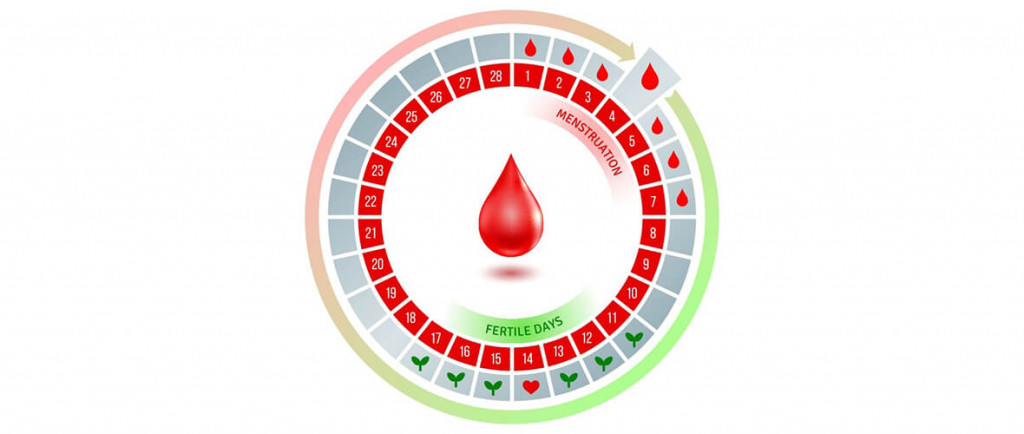
- Ovulation Tracking: Methods include basal body temperature (BBT) charting, ovulation predictor kits (OPKs) that detect the LH surge, and ultrasound monitoring of follicular development.
- Imaging Studies:
- Transvaginal Ultrasound: Used to visualize the uterus, ovaries, and fallopian tubes, checking for structural abnormalities such as fibroids, polyps, ovarian cysts, or signs of endometriosis.
- Hysterosalpingogram (HSG): An X-ray procedure where a dye is injected into the uterus and flows through the fallopian tubes to check for blockages or uterine abnormalities. Blocked fallopian tubes are a common cause of female infertility.
- Saline Infusion Sonogram (SIS) or Hysteroscopy: These procedures provide more detailed views of the uterine cavity to detect polyps, fibroids, or scar tissue that might impede implantation.
- Laparoscopy (if indicated): A minimally invasive surgical procedure that can diagnose and sometimes treat conditions like endometriosis, pelvic adhesions, or fibroids, especially if other tests are inconclusive.
For Men:
Male fertility assessment typically starts with a detailed medical and sexual history, including childhood illnesses (e.g., mumps), surgeries (e.g., hernia repair), medications, lifestyle factors (smoking, alcohol, drug use), and exposure to environmental toxins.

- Semen Analysis: This is the cornerstone of male fertility testing and is usually one of the first tests performed. A sample of semen is collected and analyzed for:
- Sperm Count: The number of sperm per milliliter of semen.
- Motility: The percentage of sperm that are moving and their quality of movement.
- Morphology: The percentage of sperm that have a normal shape and structure.
- Volume and pH: Overall characteristics of the semen.
- White Blood Cells: Presence can indicate infection.
- Abnormal results in any of these parameters can significantly impact a man’s ability to father a child.
- Physical Examination: A urologist specializing in male fertility will perform a physical exam to check for conditions like varicoceles (enlarged veins in the scrotum), testicular size, and any blockages in the reproductive tract.
- Hormonal Blood Tests: If semen analysis results are abnormal, further blood tests may be ordered to check hormone levels, including:
- Testosterone: The primary male sex hormone.
- FSH and LH: To assess pituitary function and testicular signaling.
- Prolactin: Elevated levels can affect sperm production.
- Post-Ejaculatory Urinalysis: To check for retrograde ejaculation, where semen enters the bladder instead of exiting the penis.
- Genetic Testing: In cases of severe male factor infertility or recurrent pregnancy loss, genetic tests such as karyotyping or Y-chromosome microdeletion analysis may be performed to identify underlying genetic causes.
- Testicular Biopsy (rarely): If no sperm are found in the ejaculate, a biopsy can determine if sperm production is occurring in the testes and whether sperm can be retrieved for assisted reproductive technologies.
The Interplay of Factors and Diagnostic Challenges
In many instances, infertility is not attributable to a single cause but rather a combination of male and female factors. For example, a woman might have mild endometriosis while her partner has suboptimal sperm motility. Separately, these issues might not cause absolute infertility, but together, they significantly reduce the chances of natural conception. This highlights the importance of concurrent evaluation to piece together the full picture. Furthermore, approximately 10-15% of couples experience "unexplained infertility," where all standard tests for both partners return normal results. While frustrating, this diagnosis often leads to empirical treatments, starting with less invasive options and progressing to more advanced assisted reproductive technologies (ART) if needed.

Psychological and Emotional Implications
The journey through infertility diagnosis and treatment can be incredibly taxing on couples. The emotional toll can include feelings of sadness, anger, guilt, isolation, and anxiety. The process itself, with its myriad appointments, tests, and uncertain outcomes, can strain relationships and personal well-being. Organizations like the American Pregnancy Association (APA) recognize this profound impact and emphasize the importance of psychological support alongside medical interventions. Access to counseling, support groups, and reliable, evidence-based information is crucial for couples navigating this challenging period. The financial burden of fertility treatments can also be substantial, adding another layer of stress.
The Path Forward: From Diagnosis to Treatment
Once a diagnosis or set of contributing factors has been identified, a personalized treatment plan can be formulated. Treatment options are diverse and range from lifestyle modifications, ovulation induction medications (like Clomid or Letrozole), intrauterine insemination (IUI), to more advanced assisted reproductive technologies such as in vitro fertilization (IVF) and intracytoplasmic sperm injection (ICSI). For male factor infertility, treatments may include lifestyle changes, medications, surgical correction of conditions like varicoceles, or sperm retrieval techniques for ART. The specific path chosen depends on the diagnosed issues, the couple’s age, preferences, and financial considerations.

The Importance of Informed Decision-Making and Support
The availability of comprehensive resources, such as those provided by the American Pregnancy Association, plays a vital role in empowering couples. These resources offer reliable, evidence-based information, often verified by content validation teams, to help individuals understand their diagnosis, explore treatment options, and cope with the emotional challenges of infertility. Access to helplines and chat services ensures that support is readily available, reinforcing the message that no one should feel alone on their journey to parenthood. The continuous advancements in reproductive medicine, coupled with a holistic approach to patient care, offer hope to many struggling with infertility. By acknowledging and addressing both male and female factors with equal diligence, the medical community significantly improves the "conception playing field" for couples worldwide.

Conclusion
Infertility is a complex medical condition affecting millions of couples globally, with male factors playing an equally significant role as female factors. The modern paradigm of fertility care champions a balanced and comprehensive diagnostic approach, ensuring that both partners undergo thorough evaluation if conception does not occur within the recommended timeframe. This inclusive strategy not only leads to more accurate diagnoses but also facilitates more effective and timely treatment, alleviating unnecessary distress and enhancing the chances of achieving a successful pregnancy. The commitment to evidence-based care, coupled with robust support systems, underscores a compassionate and effective approach to helping couples navigate the intricate path to parenthood.
