


When a couple has been unsuccessful at achieving pregnancy after one year of regular, unprotected intercourse, a comprehensive physical and medical assessment for both partners is medically recommended. This proactive approach is crucial, as fertility testing for women and a semen analysis for men should commence without undue delay. The prevailing understanding in reproductive medicine underscores the necessity of this dual evaluation, particularly because male factors are implicated in approximately 50% of all infertility cases. This statistic highlights the critical importance of examining both partners simultaneously to identify potential infertility issues and to formulate an effective treatment plan.

Understanding the Landscape of Infertility
Infertility, defined as the inability to conceive after a specified period of regular, unprotected intercourse, affects a significant portion of the global population. Current estimates suggest that between 8% and 12% of couples worldwide experience some form of infertility, translating to tens of millions of individuals. In the United States alone, approximately one in eight couples faces challenges in conceiving or carrying a pregnancy to term. Historically, the burden of infertility investigation often fell disproportionately on women. However, advancements in medical understanding and diagnostic tools have firmly established that infertility is a shared challenge, requiring a collaborative diagnostic and treatment approach involving both partners.

The etiology of infertility is complex and multifaceted, with causes often categorized as female factor, male factor, combined factor, or unexplained. While female factors such as ovulatory disorders, fallopian tube obstruction, and uterine abnormalities account for roughly one-third of cases, male factors, including issues with sperm production, function, or delivery, contribute similarly. Another significant percentage involves a combination of both male and female factors, or remains unexplained even after extensive investigation. This nuanced understanding necessitates that a thorough evaluation encompasses both individuals from the outset of the diagnostic process.
The Critical One-Year Benchmark and Earlier Intervention

The guideline recommending fertility evaluation after one year of unsuccessful conception is a standard established by leading reproductive health organizations, including the American Society for Reproductive Medicine (ASRM) and the World Health Organization (WHO). This timeframe is generally considered sufficient for most fertile couples to achieve pregnancy, with approximately 85% of couples conceiving within this period. For the remaining 15%, an underlying issue may be present.
However, this one-year benchmark is not universally applied. Certain circumstances warrant an earlier fertility assessment. Women aged 35 or older are advised to seek evaluation after just six months of trying to conceive, due to the natural decline in female fertility with advancing age. Ovarian reserve, the number and quality of eggs, significantly diminishes after the mid-30s, making early intervention critical for maximizing treatment success rates. Similarly, individuals with known risk factors for infertility, such as a history of irregular menstrual cycles, pelvic inflammatory disease, endometriosis, previous abdominal or pelvic surgery, sexually transmitted infections, or certain genetic conditions, should consider earlier consultation with a fertility specialist, regardless of the duration of their attempts to conceive. For men, risk factors might include a history of testicular trauma, undescended testes, mumps after puberty, or exposure to certain toxins.

The Diagnostic Journey: A Dual Approach
A comprehensive fertility workup involves a series of tests designed to identify potential impediments to conception in both partners.

Female Fertility Assessment:
The evaluation for women typically begins with a detailed medical history and a physical examination. Key diagnostic components include:
- Hormone Blood Tests: These tests measure levels of hormones crucial for ovulation and reproductive health, such as Follicle-Stimulating Hormone (FSH), Luteinizing Hormone (LH), Estradiol, Progesterone, Anti-Müllerian Hormone (AMH), and Thyroid-Stimulating Hormone (TSH). AMH, in particular, provides an indicator of ovarian reserve.
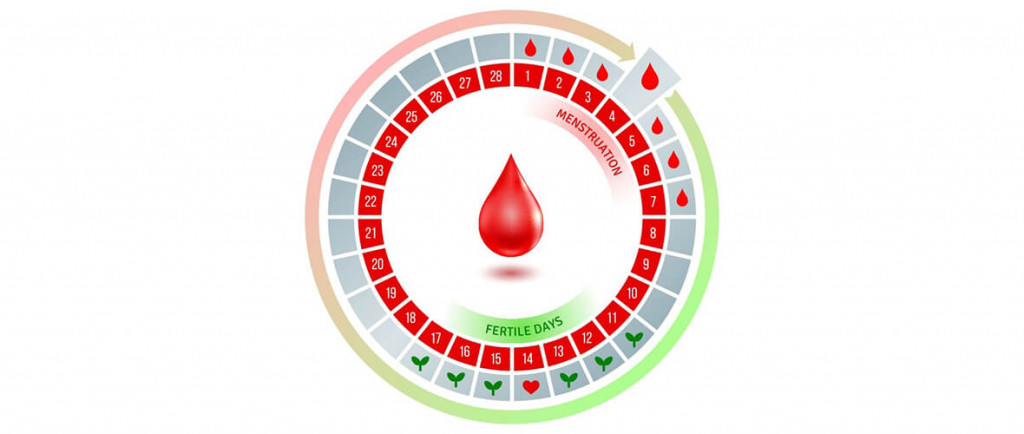
- Ovulation Tracking: Methods like basal body temperature (BBT) charting, ovulation predictor kits (OPKs), and ultrasound monitoring help confirm regular ovulation.
- Imaging for Uterine and Tubal Health:
- Hysterosalpingogram (HSG): An X-ray procedure that uses a special dye to visualize the inside of the uterus and check for blockages in the fallopian tubes.
- Transvaginal Ultrasound: Used to assess the uterus for structural abnormalities (e.g., fibroids, polyps) and the ovaries for cysts or signs of ovulatory dysfunction (e.g., polycystic ovary syndrome).
- Sonohysterogram (Saline Infusion Sonography – SIS): Involves infusing saline into the uterus during an ultrasound to get a clearer view of the uterine lining and identify polyps or fibroids.
- Laparoscopy (if indicated): A minimally invasive surgical procedure to directly visualize pelvic organs, diagnose and sometimes treat conditions like endometriosis or adhesions that might not be detectable through other methods.
Male Fertility Assessment: Beyond Semen Analysis:
The male fertility workup also starts with a thorough medical history, focusing on past illnesses, surgeries, lifestyle factors, and any previous fertility issues. The cornerstone of male fertility testing is the semen analysis.

- Semen Analysis: This laboratory test evaluates several parameters of ejaculated semen, including:
- Volume: The total amount of semen produced.
- Sperm Concentration (Count): The number of sperm per milliliter of semen. A low count (oligospermia) can hinder conception.
- Motility: The percentage of sperm that are moving and their quality of movement. Poor motility (asthenozoospermia) can prevent sperm from reaching and fertilizing an egg.
- Morphology: The percentage of sperm that have a normal shape. Abnormal morphology (teratozoospermia) can impact a sperm’s ability to penetrate an egg.
- Vitality: The percentage of live sperm.
- Other factors: Presence of white blood cells (indicating infection) or agglutination (sperm clumping).
- Hormone Blood Tests: Levels of testosterone, FSH, LH, and prolactin may be checked to assess hormonal balance, which plays a critical role in sperm production.
- Genetic Testing (if indicated): Karyotyping or Y-chromosome microdeletion testing may be performed in cases of severe male factor infertility or recurrent pregnancy loss to identify genetic causes.
- Post-Ejaculatory Urinalysis: To detect retrograde ejaculation, where semen enters the bladder instead of exiting the penis.
- Testicular Biopsy (rarely): In cases of azoospermia (absence of sperm in ejaculate), a biopsy can determine if sperm production is occurring in the testes.
The Evolving Landscape of Infertility Treatment and Support
The insights gained from these comprehensive diagnostic evaluations are instrumental in guiding treatment decisions. Modern reproductive medicine offers a spectrum of interventions, ranging from lifestyle modifications and ovulation induction medications to advanced assisted reproductive technologies (ART) such as in vitro fertilization (IVF) and intracytoplasmic sperm injection (ICSI). The success rates of these treatments have steadily improved, offering hope to many couples.

Beyond the medical procedures, the psychological and emotional toll of infertility is profound. Couples often experience stress, anxiety, depression, and feelings of isolation. Recognizing this, many fertility clinics and organizations like the American Pregnancy Association (APA) emphasize the importance of psychological support, counseling, and peer support groups. These resources help individuals and couples navigate the emotional complexities, cope with setbacks, and maintain their relationship strength throughout the journey. The APA, for instance, provides free helplines, live chats, and a pregnancy questions center, underscoring the message that "You’re Never Alone on Your Journey."
Furthermore, promoting preconception health for both men and women is an integral part of improving fertility outcomes. This includes maintaining a healthy weight, adopting a balanced diet, regular exercise, avoiding smoking and excessive alcohol consumption, and managing chronic health conditions. For men, specifically, understanding factors like scrotal temperature, exposure to environmental toxins, and medication side effects can be crucial.

Implications of Early and Comprehensive Evaluation
The primary implication of prompt and thorough fertility evaluation for both partners is the potential for earlier diagnosis and intervention. Delayed diagnosis can lead to prolonged emotional distress, increased financial burden due to repeated, unsuccessful attempts, and potentially diminished success rates for certain treatments, especially as female age advances. By identifying the root cause(s) of infertility quickly, couples can access targeted treatments, optimize their chances of conception, and potentially reduce the overall duration and intensity of their fertility journey.
The move towards a truly equitable diagnostic approach, acknowledging and thoroughly investigating male factors alongside female factors, represents a significant stride in reproductive healthcare. It challenges outdated assumptions and empowers couples with a more complete understanding of their fertility status, fostering a collaborative and informed path forward. As research continues to unravel the complexities of human reproduction, the emphasis on comprehensive, evidence-based assessment for both partners remains the cornerstone of effective infertility care.
