


The American Society for Reproductive Medicine (ASRM) strongly advises individuals to seek consultation with a healthcare provider if they are under 35 years old and have been actively attempting to conceive for over 12 months, or if they are over 35 years old and have been trying for more than 6 months. This critical recommendation underscores the importance of early intervention and diagnosis in the often complex journey of fertility, emphasizing that numerous options are available to increase the likelihood of achieving pregnancy. These treatments encompass a wide spectrum, ranging from fundamental lifestyle adjustments and nutritional supplements to advanced surgical procedures, targeted medications, and sophisticated assisted reproductive technologies (ART).

Understanding Infertility: A Widespread Challenge
Infertility, defined as the inability to conceive after a specified period of unprotected intercourse, is a medical condition affecting a significant portion of the global population. Current estimates suggest that approximately one in eight couples worldwide experience some form of infertility, translating to millions of individuals grappling with the emotional, psychological, and physical toll of this challenge. While often perceived as a female-centric issue, infertility affects both men and women almost equally, with male factor infertility contributing to roughly 30-40% of cases, female factor infertility accounting for another 40-50%, and combined or unexplained factors making up the remainder.
The causes of infertility are diverse and can include ovulatory disorders such as Polycystic Ovary Syndrome (PCOS), structural issues like blocked fallopian tubes (often due to endometriosis or pelvic inflammatory disease), uterine abnormalities, diminished ovarian reserve, and male factors such as low sperm count, poor sperm motility, or abnormal sperm morphology. Lifestyle factors, including diet, exercise, stress levels, smoking, alcohol consumption, and exposure to environmental toxins, can also play a significant role. The journey of infertility can be deeply isolating, marked by cycles of hope and disappointment, making expert guidance and comprehensive support indispensable.

The Crucial Role of Timely Consultation and ASRM Guidelines
The ASRM’s guidelines for seeking medical evaluation are not arbitrary; they are rooted in clinical evidence demonstrating that prolonged delays in diagnosis can reduce the efficacy of certain treatments, particularly as female age advances. For women, fertility naturally declines with age, with a noticeable drop after 35 and a more rapid decrease after 40, primarily due to a reduction in both the quantity and quality of eggs. Therefore, the recommendation for women over 35 to seek help after just six months reflects this biological reality, aiming to optimize the chances of success by initiating diagnostic work-up and treatment sooner.
Early consultation allows for a thorough assessment of both partners, identifying potential underlying causes before they become more challenging to address. This proactive approach not only enhances the physical prospects of conception but also provides crucial emotional support and clarity for couples navigating this often stressful period. A healthcare provider specializing in reproductive medicine can offer a structured pathway to understanding the problem and exploring viable solutions, transforming a nebulous struggle into a manageable process with clear steps.

Navigating the Diagnostic Pathway
The initial phase of addressing infertility involves a comprehensive diagnostic work-up for both partners. This typically begins with a detailed medical history, including lifestyle habits, previous pregnancies, and any existing medical conditions.
For women, common diagnostic tests include:

- Blood Tests: To assess hormone levels such as Follicle-Stimulating Hormone (FSH), Luteinizing Hormone (LH), estrogen, progesterone, thyroid hormones, and Anti-Müllerian Hormone (AMH), which provides an indication of ovarian reserve.
- Ovulation Tracking: Using ovulation predictor kits (OPKs), basal body temperature (BBT) charting, or ultrasound monitoring to confirm regular ovulation.
- Hysterosalpingogram (HSG): An X-ray procedure to check if the fallopian tubes are open and if the uterus has a normal shape.
- Ultrasound: To visualize the uterus and ovaries, checking for conditions like fibroids, polyps, or ovarian cysts (e.g., associated with PCOS).
- Laparoscopy: A minimally invasive surgical procedure that can diagnose and treat conditions like endometriosis, pelvic adhesions, or fibroids directly.
For men, the primary diagnostic tool is:
- Semen Analysis: This evaluates sperm count, motility (movement), and morphology (shape), which are crucial indicators of male fertility.
- Hormone Testing: Blood tests to assess testosterone and other hormone levels if semen analysis results are abnormal.
- Genetic Testing: In some cases, to identify genetic factors contributing to male infertility.
This diagnostic phase is critical for tailoring the most appropriate and effective treatment plan, moving beyond guesswork to evidence-based interventions.

Comprehensive Treatment Avenues: A Spectrum of Hope
Once a diagnosis is established, a range of fertility treatments becomes available, customized to the specific needs of the couple.
1. Lifestyle Modifications and Nutritional Support
Often the first line of advice, lifestyle changes can significantly impact fertility outcomes. These include:

- Balanced Diet: Emphasizing whole foods, lean proteins, fruits, and vegetables, while limiting processed foods and excessive sugar.
- Regular Exercise: Maintaining a healthy weight, as both being underweight and overweight can impair fertility in both men and women. Moderate exercise is recommended.
- Stress Management: Techniques such like yoga, meditation, mindfulness, and counseling can reduce stress, which can negatively affect hormonal balance and reproductive function.
- Avoiding Harmful Substances: Eliminating smoking, excessive alcohol consumption, and recreational drugs, which are known to harm sperm and egg quality.
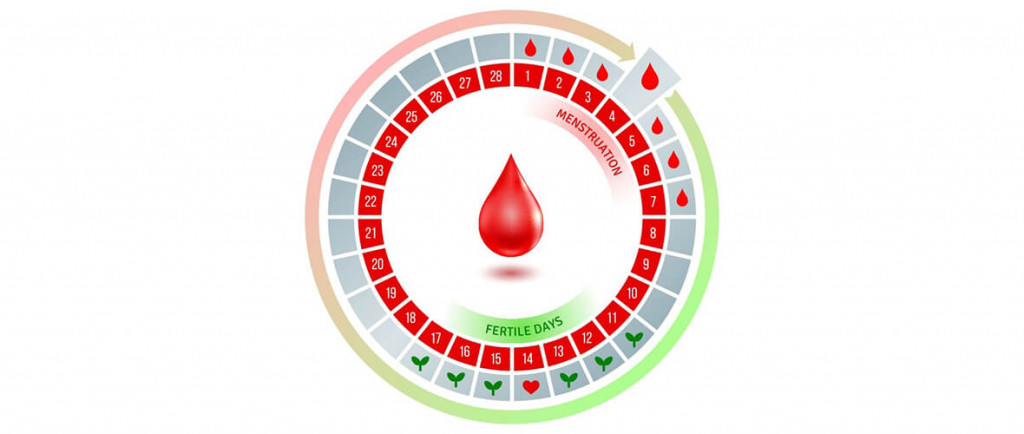
- Optimizing Timing: Understanding the female cycle and timing intercourse around ovulation is fundamental.
Certain vitamins and supplements, such as folic acid, CoQ10, and specific antioxidants, may also be recommended to improve egg or sperm quality.
2. Pharmacological Interventions
Medications are often used to stimulate ovulation or address hormonal imbalances:

- Clomiphene Citrate (Clomid) and Letrozole (Femara): Oral medications commonly used to induce ovulation in women with irregular cycles or PCOS. They work by stimulating the release of hormones that trigger egg development and release.
- Gonadotropins: Injectable hormones (FSH, LH) that directly stimulate the ovaries to produce multiple eggs. These are often used for women who do not respond to oral medications or as part of Assisted Reproductive Technologies (ART).
- Metformin: Used for women with PCOS and insulin resistance to improve ovulatory function.
- Bromocriptine/Cabergoline: Medications to lower high prolactin levels, which can interfere with ovulation.
3. Surgical Solutions
For structural issues, surgical interventions can be highly effective:
- Laparoscopy/Hysteroscopy: Used to remove endometriosis implants, uterine fibroids, polyps, or to clear blocked fallopian tubes. These procedures can restore normal reproductive anatomy and function.
- Varicocelectomy: A surgical procedure to repair varicoceles (enlarged veins in the scrotum) in men, which can improve sperm quality.
- Testicular Sperm Extraction (TESE): A procedure to retrieve sperm directly from the testicles for use in IVF with ICSI, especially in cases of obstructive azoospermia.
4. Assisted Reproductive Technologies (ART)
ART represents the most advanced fertility treatments and has revolutionized the field:

- Intrauterine Insemination (IUI): A procedure where specially prepared sperm is directly placed into the woman’s uterus around the time of ovulation. It is often used for mild male factor infertility, unexplained infertility, or when using donor sperm.
- In Vitro Fertilization (IVF): The most common and effective ART procedure. It involves stimulating the ovaries to produce multiple eggs, retrieving the eggs, fertilizing them with sperm in a laboratory, and then transferring the resulting embryos into the uterus. IVF can address a wide range of infertility causes.
- Intracytoplasmic Sperm Injection (ICSI): A specialized IVF technique where a single sperm is injected directly into an egg. It is particularly beneficial for severe male factor infertility.
- Donor Gametes (Eggs, Sperm, Embryos): When a couple cannot produce viable eggs or sperm, or if there’s a risk of transmitting a genetic disease, donor gametes can be used.
- Gestational Carriers (Surrogacy): For women unable to carry a pregnancy to term, a gestational carrier can carry the pregnancy using the intended parents’ embryos or donor embryos.
- Preimplantation Genetic Testing (PGT): Performed during IVF, PGT allows for screening embryos for chromosomal abnormalities (PGT-A) or specific genetic diseases (PGT-M) before transfer, improving success rates and reducing the risk of genetic disorders.
The selection of a specific treatment pathway is a highly individualized decision, made in close consultation with a reproductive endocrinologist and based on the diagnostic findings, age, and personal preferences.
The Emotional and Financial Landscape of Fertility Treatment
Beyond the medical procedures, the journey through fertility treatment is profoundly impactful on a couple’s emotional and financial well-being. The emotional rollercoaster of hope, anxiety, disappointment, and sometimes grief is immense. Studies have shown that women undergoing fertility treatment experience stress levels comparable to those with cancer or heart disease. The psychological burden can strain relationships, affect mental health, and impact daily life.
Financially, fertility treatments can be substantial. A single cycle of IVF, for instance, can cost upwards of $15,000 to $25,000 or more, depending on the clinic, location, and specific procedures involved (e.g., ICSI, PGT, medication costs). While some insurance plans offer partial or full coverage, many do not, leaving couples to bear the brunt of these expenses. This financial strain often adds another layer of stress, forcing difficult decisions and sometimes limiting access to necessary care. Advocacy groups are continually working to expand insurance coverage for fertility treatments to make them more accessible.
A Network of Support: Organizations and Resources
Recognizing the multifaceted challenges, organizations like the American Pregnancy Association (APA) and the American Society for Reproductive Medicine (ASRM) play vital roles in providing evidence-based information, resources, and support. The APA, for example, offers a range of free resources, including live helplines and chat services, a pregnancy questions center, and comprehensive articles on various aspects of conception, pregnancy, and infertility. These platforms serve as crucial lifelines, offering accessible information and a sense of community to those who often feel isolated.

Support groups, counseling services specializing in infertility, and online forums also provide invaluable emotional sustenance, allowing individuals to share experiences, cope with setbacks, and celebrate successes in a supportive environment. The message from these organizations is clear: "You’re Never Alone on Your Journey."
The Evolving Science and Future Outlook
The field of reproductive medicine is continually advancing, offering new hope and improved outcomes. Research into understanding the genetic basis of infertility, developing less invasive diagnostic tools, and enhancing the success rates of ART procedures is ongoing. Innovations like artificial intelligence being applied to embryo selection, improved cryopreservation techniques for eggs and embryos, and novel pharmacological agents are pushing the boundaries of what is possible.

Ethical considerations, such as those surrounding genetic screening, donor anonymity, and the implications of reproductive technologies, are also actively discussed and inform policy development. As scientific understanding deepens, the ability to personalize treatment plans further will likely increase, leading to more efficient and successful journeys to parenthood.
Conclusion: A Path Forward with Hope and Guidance
The path to parenthood, when complicated by infertility, can be arduous, but it is a journey illuminated by a growing array of medical possibilities and robust support systems. The recommendations from the American Society for Reproductive Medicine serve as a critical beacon, urging timely consultation to leverage the full spectrum of available fertility treatments. From fundamental lifestyle adjustments to the frontiers of assisted reproductive technologies, options exist to address diverse causes of infertility. While the emotional and financial challenges are undeniable, comprehensive information, expert medical care, and strong support networks offer solace and empowerment. For those embarking on this journey, hope, resilience, and informed decision-making remain paramount, with dedicated organizations committed to ensuring that every individual seeking to build a family finds the guidance and care they need.
