


When a couple has been unsuccessful at achieving pregnancy after one year of regular, unprotected intercourse, both partners need to undergo a comprehensive physical and medical assessment to identify potential underlying causes. This crucial recommendation stems from extensive medical consensus, recognizing that early and thorough evaluation significantly enhances the prospects of successful conception. Fertility testing for women and a semen analysis for men should commence immediately upon reaching this one-year benchmark, or even earlier for individuals with specific risk factors or those over the age of 35.

The Pervasive Challenge of Infertility
Infertility, defined as the inability to conceive after a specified period of regular sexual activity without contraception, affects a substantial portion of the global population. According to the World Health Organization (WHO), it is estimated that 1 in 6 people worldwide experience infertility, highlighting its widespread impact on individuals and families. This condition is not solely a female issue, a misconception that has historically delayed appropriate diagnosis and treatment for many couples. Current data consistently demonstrates that male factors contribute to approximately 50% of all infertility cases, either as the sole cause or in combination with female factors. This statistic underscores the imperative for a dual-partner diagnostic approach, ensuring that neither partner’s contribution to fertility challenges is overlooked.

The emotional and psychological burden of infertility can be profound, often leading to stress, anxiety, depression, and relationship strain. Couples embarking on the journey to parenthood typically envision a straightforward path, and when that path proves difficult, the emotional toll can be immense. Providing timely and accurate information, alongside comprehensive medical care, is therefore critical not only for physical outcomes but also for the mental well-being of those affected. Organizations like the American Pregnancy Association (APA) play a vital role in offering evidence-based resources and support, ensuring couples are equipped with reliable information throughout their fertility journey. This article, maintained and verified by the APA Content Validation Team, reflects the most current understanding of fertility diagnostics, with the last revision dated February 20, 2026.

Understanding the Diagnostic Journey: When and Why to Test
The recommendation to seek medical evaluation after one year of trying to conceive is a general guideline. However, for women aged 35 or older, this timeline is often shortened to six months due to the age-related decline in ovarian reserve and egg quality. Additionally, individuals with known medical conditions that could affect fertility, such as irregular menstrual cycles, a history of pelvic inflammatory disease, endometriosis, or previous testicular surgery, should consult a specialist even earlier. The primary goal of initial testing is to identify the specific factors contributing to infertility, allowing for the development of a targeted and effective treatment plan.

The comprehensive assessment typically begins with a detailed medical history for both partners, including information on past illnesses, surgeries, medications, lifestyle habits (smoking, alcohol, diet, exercise), and sexual history. Genetic screening may also be considered in certain cases, particularly if there is a family history of genetic disorders or recurrent pregnancy loss.

Fertility Assessments for Women
Female fertility testing is multi-faceted, focusing on ovulation function, uterine health, and fallopian tube patency. Key components often include:

- Hormone Blood Tests: These measure levels of hormones crucial for ovulation and reproductive health.
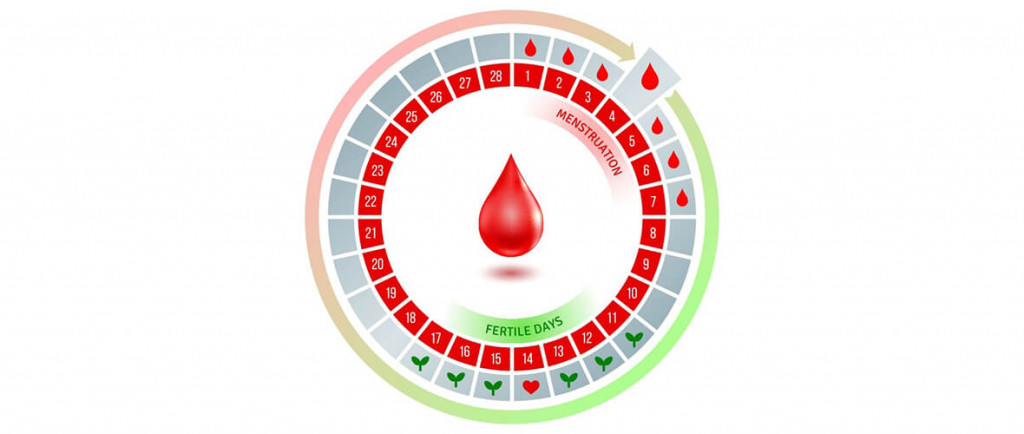
- Follicle-Stimulating Hormone (FSH): Typically tested on day 3 of the menstrual cycle, high FSH levels can indicate diminished ovarian reserve.
- Luteinizing Hormone (LH): Helps detect ovulation patterns and can be indicative of conditions like Polycystic Ovary Syndrome (PCOS).
- Estradiol: Also tested on day 3, this hormone provides insight into ovarian function.
- Anti-Müllerian Hormone (AMH): A reliable indicator of ovarian reserve, AMH levels do not fluctuate significantly throughout the menstrual cycle.
- Thyroid-Stimulating Hormone (TSH) and Prolactin: Abnormal levels of these hormones can interfere with ovulation.
- Ovulation Tracking: This can involve at-home ovulation predictor kits (OPKs) that detect the LH surge preceding ovulation, or more detailed monitoring through basal body temperature (BBT) charting and serial ultrasounds to visualize follicle development and rupture.
- Imaging Tests:
- Transvaginal Ultrasound: Used to assess the uterus for structural abnormalities (fibroids, polyps), ovarian cysts, and to monitor follicular development during ovulation tracking.
- Hysterosalpingography (HSG): An X-ray procedure where a dye is injected into the uterus to visualize the uterine cavity and fallopian tubes, checking for blockages or abnormalities. Blocked fallopian tubes are a common cause of female infertility.
- Hysteroscopy/Laparoscopy: These are minimally invasive surgical procedures performed under anesthesia.
- Hysteroscopy: A thin, lighted scope is inserted through the cervix into the uterus to directly visualize the uterine lining and identify polyps, fibroids, or scar tissue.
- Laparoscopy: A small incision is made in the abdomen to insert a scope, allowing direct visualization of the reproductive organs (uterus, ovaries, fallopian tubes) and detection of conditions like endometriosis, adhesions, or fibroids that may not be visible on ultrasound.
Fertility Assessments for Men
Given that male factors contribute significantly to infertility, comprehensive male assessment is equally critical and should ideally be conducted concurrently with female testing. The cornerstone of male fertility evaluation is the semen analysis, but other tests may also be necessary.

- Semen Analysis: This is the most fundamental test for male fertility. A semen sample is collected and analyzed in a laboratory for several parameters:
- Volume: The total amount of semen produced.
- Sperm Count (Concentration): The number of sperm per milliliter of semen. A low count (oligospermia) can impact fertility.
- Motility: The percentage of sperm that are moving and their quality of movement. Poor motility (asthenozoospermia) hinders sperm’s ability to reach and fertilize an egg.
- Morphology: The percentage of sperm that have a normal shape and structure. Abnormal morphology (teratozoospermia) can affect sperm function.
- Viability: The percentage of live sperm in the sample.
- White Blood Cells: Presence of white blood cells can indicate infection.
- Hormone Blood Tests: If semen analysis results are abnormal, further hormone testing may be ordered to assess the hormonal regulation of sperm production. These include FSH, LH, testosterone, and prolactin.
- Physical Examination: A urologist specializing in male fertility will perform a physical exam to check for conditions like varicocele (enlarged veins in the scrotum), which can affect sperm production, or structural abnormalities of the reproductive tract.
- Post-Ejaculatory Urinalysis: This test checks for the presence of sperm in the urine, which could indicate retrograde ejaculation (sperm ejaculated backward into the bladder).
- Genetic Testing: In cases of severe male factor infertility or recurrent pregnancy loss, genetic tests (e.g., karyotyping, Y chromosome microdeletion analysis, cystic fibrosis gene mutation screening) may be conducted to identify underlying genetic causes.
The Interconnectedness of Fertility
The 50% contribution of male factors to infertility cases highlights a critical paradigm shift in reproductive medicine. Historically, the burden of infertility diagnosis and treatment often fell disproportionately on women. However, modern understanding emphasizes that fertility is a shared responsibility, and a couple’s ability to conceive is the result of a complex interplay of both partners’ reproductive health. Delaying male assessment can lead to prolonged emotional distress, unnecessary female-focused treatments, and increased financial strain. By conducting both male and female evaluations concurrently, healthcare providers can arrive at a more accurate diagnosis sooner, leading to more efficient and effective treatment strategies.
Navigating Treatment Options and Support
Once the underlying causes of infertility are identified, a range of treatment options may be considered, tailored to the specific diagnosis. These can include:

- Lifestyle Modifications: For some, simple changes like diet, exercise, stress reduction, and avoiding certain toxins can improve fertility.
- Medications: Ovulation-inducing drugs for women, or hormonal treatments for men with hormonal imbalances.
- Assisted Reproductive Technologies (ART):
- Intrauterine Insemination (IUI): Specially prepared sperm are placed directly into the uterus around the time of ovulation.
- In Vitro Fertilization (IVF): Eggs are retrieved from the woman, fertilized with sperm in a laboratory, and the resulting embryos are transferred into the uterus. IVF is the most effective ART and can address a wide range of infertility causes.
- Surgical Interventions: Procedures to correct structural issues in either partner, such as removing fibroids or endometriosis in women, or repairing varicoceles or blockages in men.
Beyond medical interventions, the importance of psychological support cannot be overstated. Infertility can be a isolating experience, and access to counseling, support groups, and evidence-based information from trusted sources like the American Pregnancy Association can provide invaluable comfort and guidance. These resources help couples cope with the emotional challenges, make informed decisions, and maintain hope throughout their journey.

Broader Implications and Future Outlook
The continuous advancements in reproductive medicine offer increasing hope for couples struggling with infertility. Research into genetic factors, improved diagnostic tools, and more personalized treatment protocols are constantly evolving the field. However, significant challenges remain, including the high cost of fertility treatments, disparities in access to care, and the need for greater public awareness and destigmatization of infertility.

The emphasis on comprehensive, dual-partner fertility assessment is not just a medical recommendation; it represents a more equitable and effective approach to a deeply personal and often challenging experience. By embracing this holistic perspective, the medical community and supporting organizations aim to improve the conception playing field for all individuals hoping to build their families, ensuring that every couple receives the most appropriate and timely care. The American Pregnancy Association, through its commitment to evidence-based information and support services, continues to be a cornerstone for individuals navigating this complex journey.
