

The global wellness industry has witnessed an unprecedented surge in interest regarding the human microbiome, leading to a saturated market of probiotic supplements that often leaves consumers more confused than clarified. With options ranging from shelf-stable capsules and refrigerated liquids to varying potencies of Colony Forming Units (CFUs) spanning 10 billion to 100 billion, the decision-making process for the average consumer has become increasingly complex. Science now suggests that the efficacy of these supplements is not determined by a "one size fits all" approach but rather by the specific strains, delivery methods, and the unique biological needs of the individual.
The Evolution of Microbiome Science and Probiotic Discovery
The concept of using beneficial bacteria to improve health is not a modern invention, though its scientific validation has accelerated rapidly over the last two decades. The history of probiotics dates back to the early 20th century when Nobel laureate Elie Metchnikoff, often called the "father of probiotics," observed that Bulgarian peasants who consumed large amounts of fermented milk lived longer. He hypothesized that Lactobacillus bacteria could suppress the growth of harmful proteolytic bacteria in the large intestine.
By the mid-1990s, the World Health Organization (WHO) and the Food and Agriculture Organization (FAO) of the United Nations formalized the definition of probiotics as "live microorganisms which when administered in adequate amounts confer a health benefit on the host." In 2007, the launch of the Human Microbiome Project (HMP) by the National Institutes of Health (NIH) revolutionized our understanding, mapping the microbial communities that inhabit the human body and proving that these organisms play a critical role in digestion, immunity, and even mental health.
Identifying Specific Health Objectives
Journalistic analysis of the current supplement market indicates that the most successful outcomes for consumers occur when a probiotic is chosen based on targeted health goals rather than general wellness. Clinical research has segmented the benefits of probiotics into four primary categories: digestive health, urogenital health, immune modulation, and the gut-brain axis.
For individuals suffering from gastrointestinal distress, the primary goal is often the mitigation of bloating, gas, and irregular bowel movements. Conversely, a significant demographic of female consumers seeks probiotics specifically to maintain the delicate pH balance of the vaginal microbiome, which can be disrupted by antibiotics, hormonal fluctuations, or diet. Furthermore, the burgeoning field of "psychobiotics" explores how specific bacterial strains can influence neurotransmitter production, potentially alleviating symptoms of anxiety and depression.
Matching Physiological Symptoms to Bacterial Strains
The cornerstone of modern probiotic therapy is strain specificity. It is no longer sufficient for a label to simply list "Lactobacillus." Experts emphasize that the genus, species, and specific strain designation (often a series of letters or numbers) must be identified to ensure efficacy.
Digestive Support and Bloating Mitigation
Clinical trials have frequently highlighted Lactobacillus acidophilus and Bifidobacterium lactis as "superstar" strains for digestive regularity. These microorganisms assist in the production of essential enzymes and the absorption of nutrients while competing with pathogenic bacteria for space on the intestinal wall. By strengthening the intestinal barrier, these strains can significantly reduce the "leaky gut" phenomenon that often leads to chronic bloating.
Vaginal and Urinary Tract Health
The vaginal microbiome is dominated by Lactobacillus species. Specifically, Lactobacillus rhamnosus and Lactobacillus reuteri have been extensively studied for their ability to colonize the vaginal tract even when taken orally. These strains produce lactic acid, lowering the pH to a level that inhibits the growth of harmful bacteria and yeast, such as Candida albicans.
Immune System Modulation
Approximately 70% to 80% of the human immune system resides in the gut. Strains like Bifidobacterium infantis and Lactobacillus casei are instrumental in "training" the immune system. They help the body distinguish between harmless environmental antigens and dangerous pathogens, thereby reducing the likelihood of systemic inflammation or autoimmune overreactions.
The Gut-Brain Axis and Mood Regulation
Research into the gut-brain axis has identified Bifidobacterium longum and Lactobacillus helveticus as potent modulators of the stress response. These strains have been shown in clinical settings to lower cortisol levels and support the production of GABA and serotonin, the body’s natural "feel-good" chemicals.
Technical Standards: Quality, Potency, and Purity
As the probiotic market grows—projected to reach a global valuation of over $90 billion by 2030—the need for rigorous quality control has never been higher. Consumers and healthcare providers are increasingly looking for specific markers of a high-quality product.
- CFU Count and Viability: While higher is not always better, a range of 10 to 50 billion CFUs is generally considered the "therapeutic window" for most healthy adults. However, the CFU count is only relevant if the bacteria remain alive until the time of consumption.
- Third-Party Testing: Because the FDA regulates probiotics as dietary supplements rather than drugs under the Dietary Supplement Health and Education Act (DSHEA) of 1994, third-party verification from organizations like USP or NSF is the gold standard for ensuring that what is on the label is actually in the bottle.
- Shelf Stability: Traditional probiotics required refrigeration to maintain viability. Modern technological advancements, such as freeze-drying and specialized packaging, have allowed for shelf-stable formulas that do not degrade at room temperature, making them more accessible for travel and daily use.
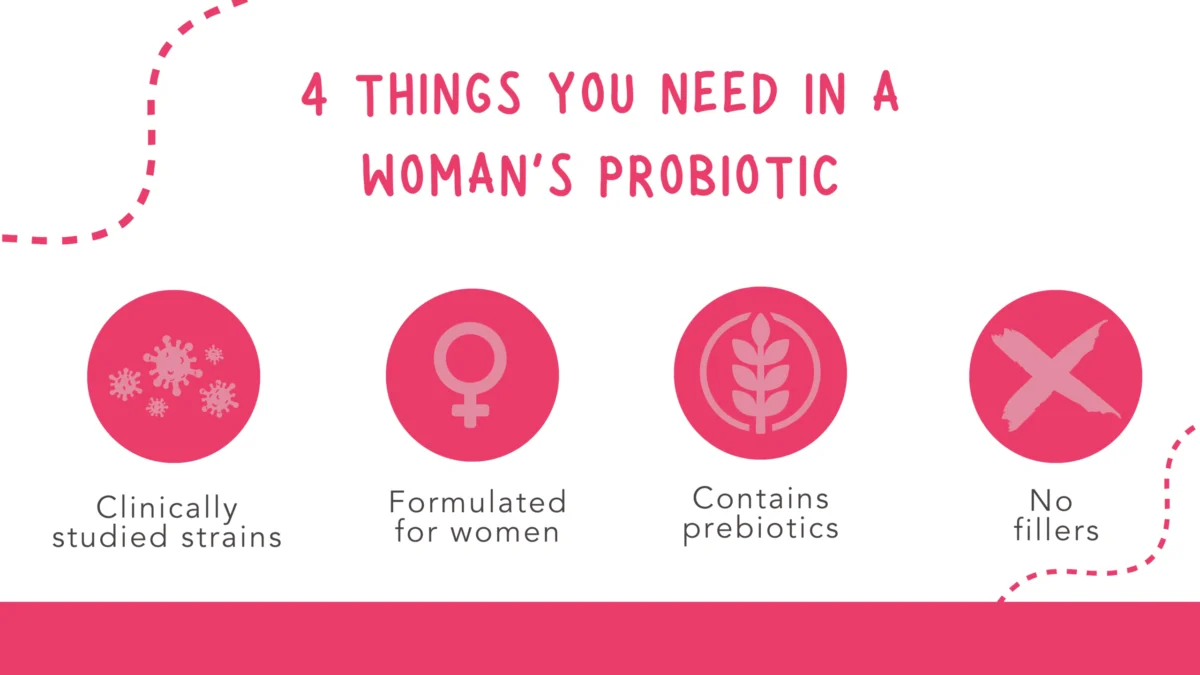
- Exclusion of Allergens: High-quality formulations are increasingly moving away from fillers, GMOs, gluten, soy, and artificial colors to accommodate the needs of sensitive populations.
Delivery Systems and the Role of Synbiotics
A significant challenge in probiotic supplementation is the "obstacle course" of the human digestive tract. The highly acidic environment of the stomach is designed to kill bacteria, which unfortunately includes many beneficial probiotic strains. To combat this, manufacturers have developed enteric coatings and delayed-release capsules that bypass the stomach and dissolve only when they reach the alkaline environment of the small and large intestines.
Furthermore, the concept of "synbiotics"—a combination of probiotics (live bacteria) and prebiotics (non-digestible fibers that feed those bacteria)—has gained traction. Prebiotics such as inulin or fructooligosaccharides (FOS) act as a fuel source, ensuring that once the probiotics reach their destination, they have the resources necessary to colonize and thrive. However, experts caution that individuals with Small Intestinal Bacterial Overgrowth (SIBO) should approach prebiotics with care, as they can occasionally exacerbate bloating.
Market Trends and the Rise of Specialized Formulations
In response to consumer demand for more tailored health solutions, companies like Mama Natural have introduced gender-specific products such as the Women’s Probiotic 4-in-1 Support. This product reflects a broader industry trend toward "all-in-one" solutions that address multiple concerns—digestive, immune, and vaginal health—within a single daily dose. Such formulations typically boast high CFU counts (e.g., 50 billion) and a diverse array of strains (often 10 or more) to simulate the natural diversity of a healthy microbiome.
The shift toward these comprehensive formulas suggests a move away from the "scattershot" approach of early supplement history, where consumers would take multiple different pills for different ailments. Instead, the focus has shifted to synergistic blends that maximize convenience and efficacy.
Implementation, Consistency, and Broader Health Implications
Medical professionals emphasize that probiotics are not an overnight fix. The restoration of a damaged microbiome—whether due to a poor diet, chronic stress, or a course of broad-spectrum antibiotics—takes time. Clinical data suggests that a minimum of three to four weeks of consistent daily use is required to observe measurable changes in gut transit time, skin clarity, or mood stability.
Moreover, probiotics should be viewed as one component of a holistic "gut-friendly" lifestyle. This includes:
- Dietary Diversity: Consuming a wide range of fiber-rich plants to provide natural prebiotics.
- Fermented Foods: Incorporating kefir, sauerkraut, and kimchi to introduce natural bacterial diversity.
- Stress Management: Reducing chronic stress, which is known to negatively alter the composition of gut flora.
- Hydration and Sleep: Supporting the body’s natural detoxification and repair cycles.
Analysis of Future Implications
As personalized medicine continues to evolve, the future of probiotics likely lies in "precision biotics." We are moving toward a reality where a consumer can undergo a stool microbiome test and receive a custom-compounded probiotic designed to fill their specific microbial gaps. Until such technology becomes a household standard, the best approach remains an informed selection based on strain-specific research, high manufacturing standards, and a clear understanding of one’s own health requirements.
The integration of probiotics into mainstream healthcare signifies a profound shift in how we view the human body—not as a single organism, but as a complex ecosystem. Choosing the right probiotic is, therefore, an act of stewardship over that ecosystem, ensuring that the "good bugs" have the support they need to maintain the delicate balance of human health.
