

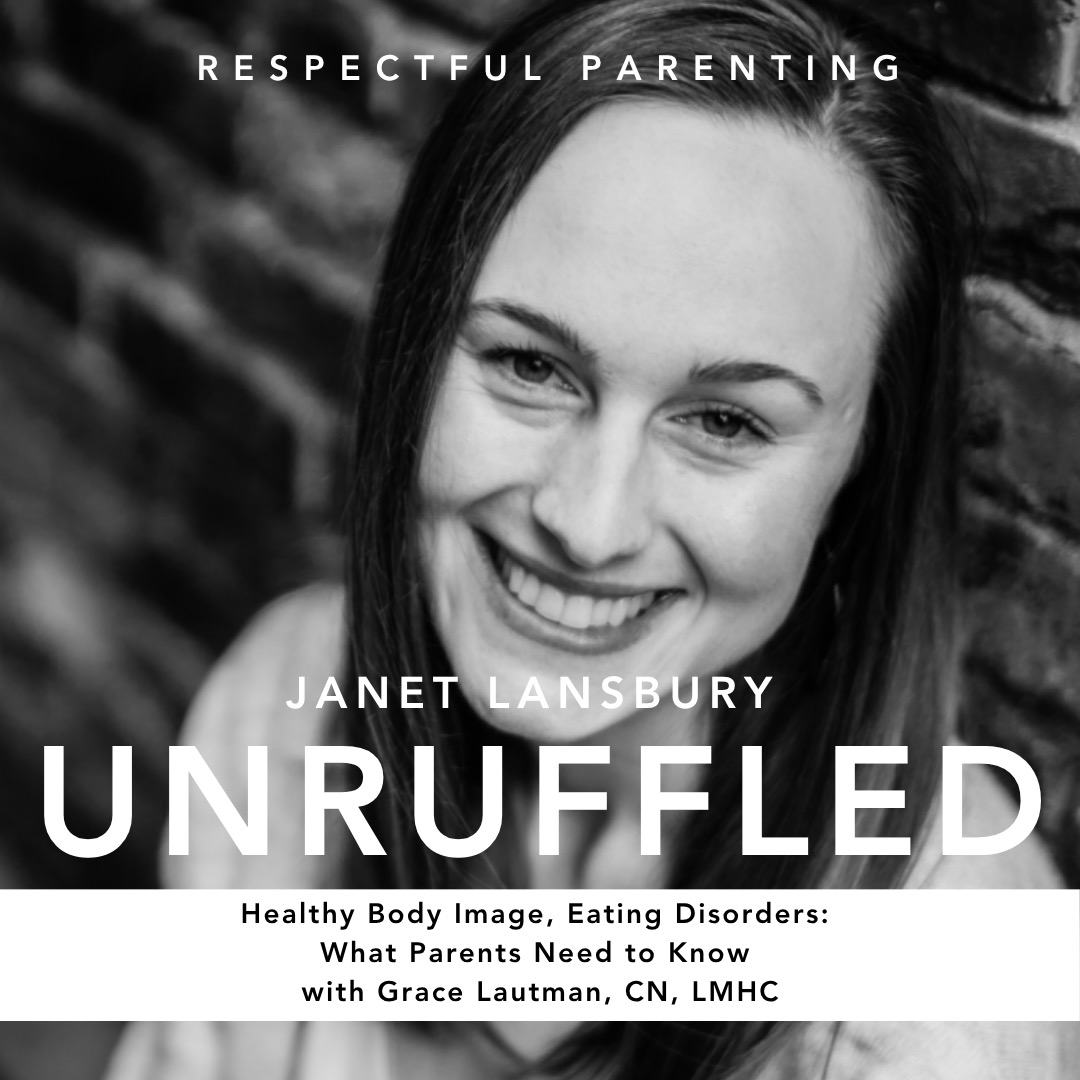
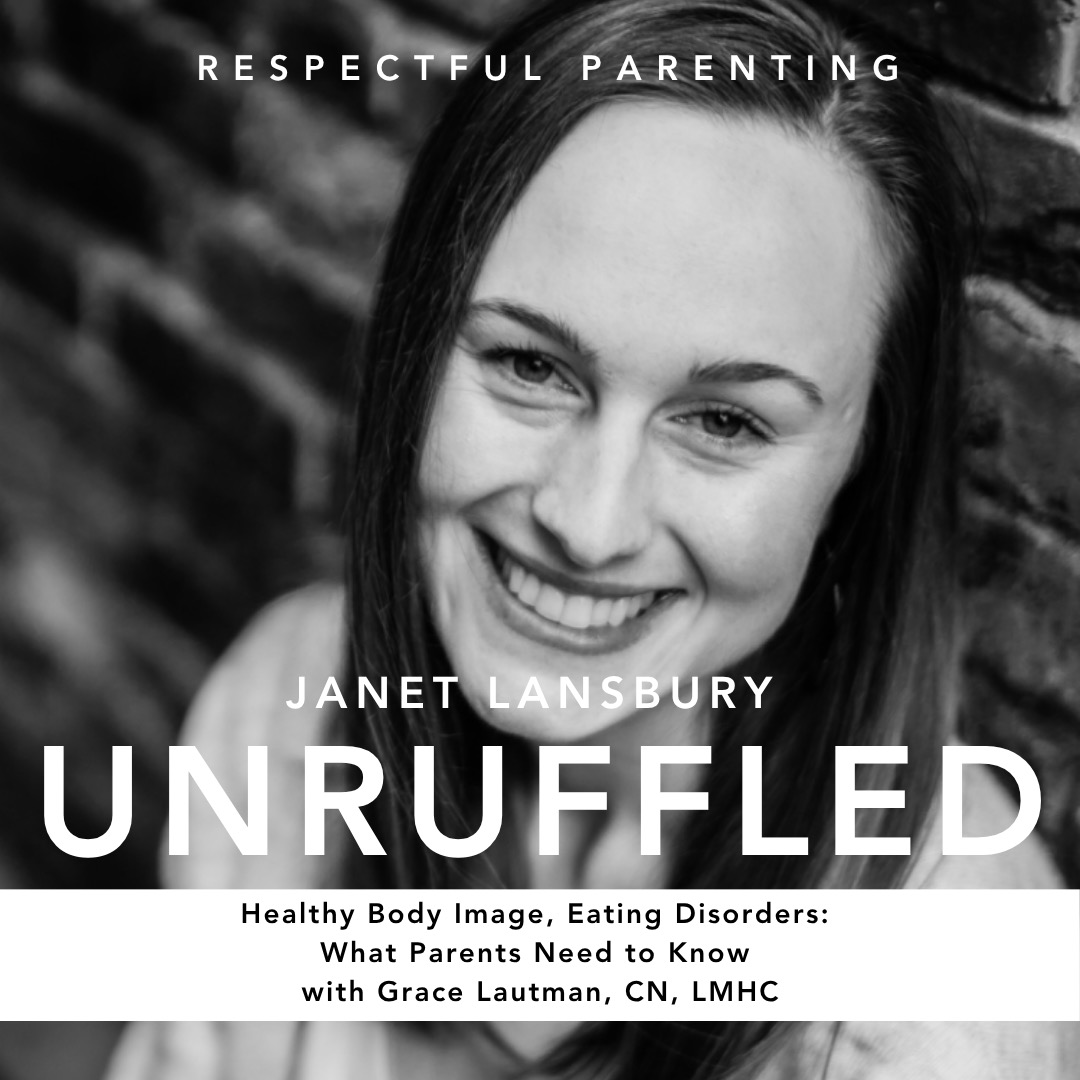
A recent discussion between parenting expert Janet Lansbury and eating disorder clinician and nutritionist Grace Lautman, CN, LMHC, has illuminated critical insights for parents navigating the complex landscape of body image and eating disorders in children. Lautman, who specializes in working with preteens, teens, and adults, emphasizes the profound impact of parental attitudes and family culture on a child’s developing relationship with food and their body. The conversation, featured on Lansbury’s podcast "Unruffled," underscores the importance of early intervention and preventative strategies, highlighting that eating disorders are not solely a matter of genetics but are significantly influenced by environmental factors and learned behaviors.
The Interplay of Genetics and Environment in Eating Disorders
Grace Lautman articulated a nuanced understanding of the origins of eating disorders, stating, "It’s absolutely genetics plus environment, as so many things are." She elaborated that research, including twin studies, indicates a significant genetic predisposition, suggesting a biological component akin to a "brain difference." However, Lautman stressed that this genetic vulnerability does not preordain an eating disorder. Instead, she highlighted the substantial influence parents and the family environment hold in either mitigating or exacerbating these predispositions. "We do have influence," she affirmed, emphasizing that parents can actively "redo and recreate" family culture to foster healthier relationships with food and body image from an early age.
Lautman’s perspective challenges the notion of parental blame, stating, "You don’t just cause an eating disorder, it’s not all your fault." This approach aims to alleviate the shame often associated with eating disorders, allowing families to focus on healing and prevention. She advocates for moving away from "blamey, black and white thinking and controlling" towards more "nuanced conversations" and a "compassionate lens." This aligns with the growing understanding in psychology that eating disorders are complex conditions with multifactorial causes, requiring a supportive rather than accusatory approach.
Early Warning Signs and Preventative Strategies
Identifying early signs of potential eating disorder tendencies is a key concern for parents. Lautman pointed to the critical period of puberty and adolescent growth as a time when significant physical changes, including weight gain and fat deposition, occur. This natural process can be a source of anxiety for both children and parents, especially in a culture that often promotes fear around weight. Lautman advises parents to normalize puberty and growth, emphasizing that weight gain is an inherent part of this developmental stage.
"We’re trying to slow people down, to both normalize what’s happening and also focus on the relationship," Lautman explained. This approach encourages parents to remain present and connected with their children, steering clear of fear-based reactions. She suggests that seemingly innocuous moments, such as a pediatrician’s visit where a child’s growth chart is discussed, can become opportunities to address potential anxieties. Lautman’s therapeutic work involves unpacking these moments, offering objective perspectives, and reducing shame. For instance, if a child expresses concern about gaining weight, a parent can reassure them that this is a normal part of growth, rather than reacting with fear or criticism.
Lautman also highlighted the detrimental impact of parental anxiety about their child’s body image. "The kids pick up on that, you feel it," she stated. Teens have confided in her that their body image concerns often emerge or intensify after hearing parents express worries about them struggling or being made fun of. This underscores the importance of parents being mindful of their own language and attitudes towards bodies and food.
Cultivating a Healthy Food Environment
The subtle dynamics of everyday mealtimes play a crucial role in shaping a child’s relationship with food. Lautman advocates for "unruffled food boundaries," a concept that contrasts sharply with the restrictive or overly controlling approaches sometimes adopted by parents. She illustrates this with an example: a child asking for a cookie with lunch. Instead of a lecture about sugar intake or vegetables, Lautman suggests a simple, neutral response like, "That’s not on the menu right now. But cookies are delicious, let’s have some later." This approach, she argues, keeps food neutral and avoids moralizing it.
This philosophy aligns with the principles of Ellyn Satter, a renowned feeding expert whose "division of responsibility" model is highly regarded in the field. According to Satter’s framework, parents are responsible for the "what, when, and where" of feeding, while the child is responsible for the "how much and whether." Lautman champions this model, emphasizing that parents set the stage for family eating habits without attaching moral judgments to food choices. This fosters body autonomy in children and reduces the likelihood of food becoming a battleground or a source of power struggles.
Lautman also shared a personal anecdote about her own daughter, where she chose to join her five-year-old in eating chips at 8:00 AM, rather than reacting with alarm. This moment of shared indulgence, followed by a simple redirection, exemplified the "unruffled" approach, demonstrating that occasional deviations from routine are not catastrophic and can reinforce a healthy, non-anxious relationship with food.
Addressing Body Image and Self-Esteem
The conversation extended to the broader topic of body image, with Lautman suggesting that "body neutrality" might be a more accessible goal than "body positivity" for many parents and children. Body neutrality acknowledges that it’s okay to feel uncomfortable in one’s body at times, as bodies naturally change. The focus shifts from demanding constant positivity to developing comfort with discomfort and recognizing that body image is only one aspect of a person’s experience.
This approach is particularly relevant when children express negative feelings about their bodies. Instead of immediately dismissing their concerns with a "No, you’re not!" Lautman encourages parents to listen and explore the feelings further. "Tell me more about what’s coming up and what it’s like to be with these friends and your body, their body. I want to hear about it," she suggests. This validates the child’s experience and opens the door for deeper understanding and connection, rather than shutting down communication.
The Role of Perfectionism and Control
Lautman discussed the role of perfectionism and the drive for control in the development of eating disorders, particularly anorexia. Drawing on principles from Radically Open Dialectical Behavior Therapy (RO DBT), she described perfectionism as a spectrum of over-control, where individuals may feel safer when things are meticulously managed. In the context of anorexia, this control over eating can serve as a coping mechanism for underlying anxiety, trauma, or neurodivergence.
She explained that eating disorders can be seen as maladaptive attempts to solve complex problems that feel insurmountable. For individuals with conditions like autism or ADHD, restricting food might become a way to manage overwhelming emotions or sensory experiences. Similarly, trauma can lead to a desire for control over one’s body as a means of self-protection. Lautman emphasized that identifying and addressing these underlying issues is crucial for effective treatment.
Recognizing When to Seek Professional Help
Lautman provided guidance on when parents should consider seeking professional help. She stressed that it "never hurts" to reach out if parents have concerns or simply want to "get on top of it." Key indicators for seeking professional advice include significant drops in a child’s growth chart trajectory, marked shifts in their eating habits and mood around food, and a general increase in distress related to meals or social eating situations.
For parents who may not be ready for direct therapy, Lautman has developed on-demand online courses. These resources offer guidance on supporting children who might have an eating disorder and on navigating feeding dynamics with preteens and teens. Her active presence on social media, particularly on Instagram (@honor_nutrition_counseling), also serves as a valuable platform for sharing resources and engaging with parents.
The conversation between Lansbury and Lautman serves as a vital resource for parents, offering a compassionate and evidence-based approach to fostering healthy body image and preventing eating disorders. By emphasizing a nuanced understanding of genetics and environment, promoting open communication, and advocating for a non-judgmental approach to food and body, this dialogue empowers parents to create supportive family environments that nurture well-being and resilience in their children.