

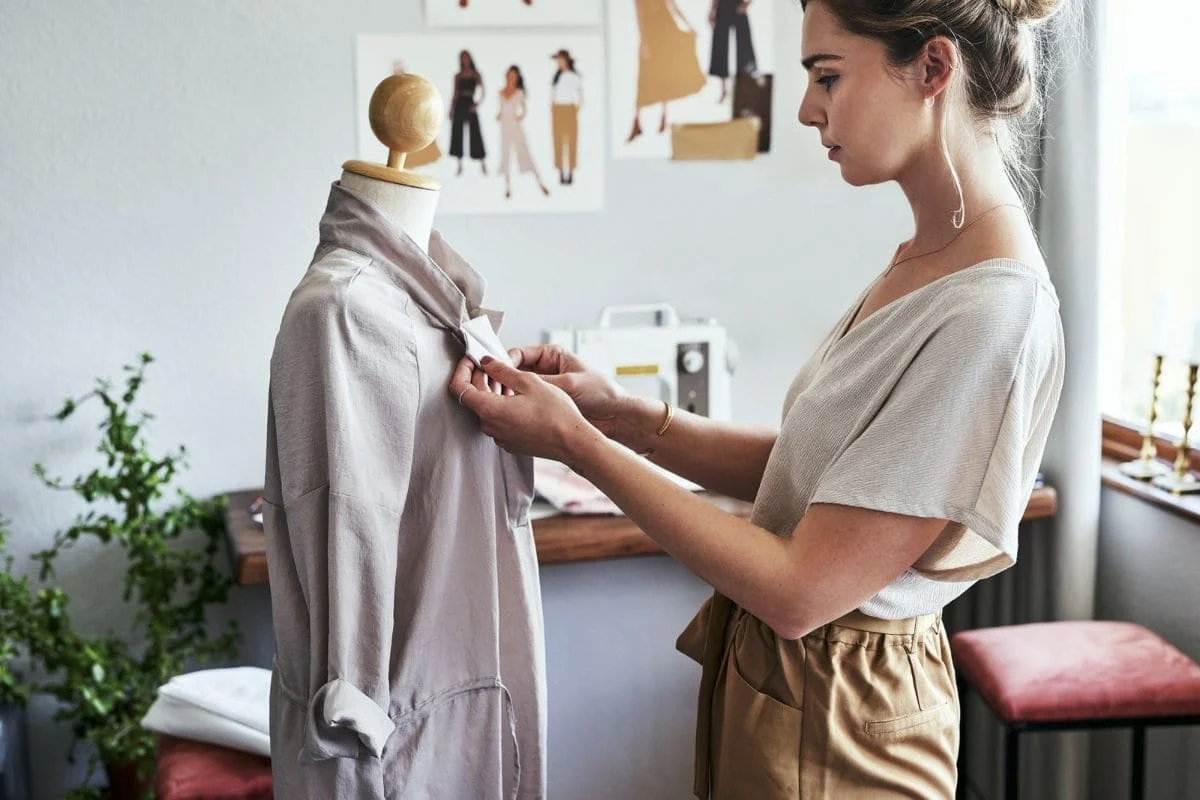
The allure of the fashion industry, often perceived as exclusive and unattainable, is more accessible than ever for those with a keen eye for style and a desire to turn their passion into a lucrative career. While the glitz of the runway and the prestige of high fashion houses might seem distant, the reality is that the fashion world is a dynamic and expansive sector, teeming with diverse opportunities that extend far beyond traditional design roles. With the seismic shift towards remote work, a wealth of possibilities has opened up for individuals to contribute to and profit from this multi-billion dollar industry, regardless of their geographical location or formal design education. The truth is, breaking into fashion doesn’t necessarily require a prestigious design school degree or a lengthy list of internships; the industry actively seeks individuals with a wide array of skills, from the technically adept to the hyper-creative. This article explores fourteen distinct avenues through which individuals can generate income within the fashion sector, all of which can be pursued from the comfort of their own homes.
The American fashion industry stands as a colossal economic force, far surpassing its visible presence on the catwalks. It represents a staggering $400 billion market, providing employment for approximately 1.8 million individuals, solidifying its position as the world’s largest national fashion market. This vast ecosystem is not confined to a narrow set of roles; rather, it encompasses a broad spectrum of functions. While the specific titles and responsibilities may vary, these roles can broadly be categorized into five overarching domains: design and creation, marketing and sales, content and communication, operations and management, and specialized services. Each of these categories offers numerous entry points for individuals looking to forge a career in fashion, particularly in an era where remote work is not just a trend, but a fundamental aspect of the modern professional landscape. The following exploration delves into specific, actionable strategies for generating income in the fashion industry, with a particular emphasis on remote-friendly opportunities.
Leveraging Digital Platforms for Fashion Income
1. Affiliate Marketer: A cornerstone of modern online commerce, affiliate marketing in fashion involves promoting clothing, accessories, and other style-related products through a personal platform. This can manifest through dedicated fashion blogs, engaging social media content, targeted email marketing campaigns, or insightful product reviews. The model is straightforward: individuals share unique affiliate links associated with products they recommend. For every purchase made through these links, the affiliate earns a small commission. This avenue offers the potential for passive income and provides exceptional flexibility, making it an ideal side hustle for those seeking to monetize their fashion acumen without the constraints of a traditional job. The growth of e-commerce has amplified the effectiveness of this strategy, as consumers increasingly rely on trusted online voices for product discovery and recommendations.
2. Content Creator: The digital age has democratized influence, and content creation has profoundly reshaped the fashion landscape. Individuals with a strong personal style and a passion for sharing their insights can now directly impact trends and offer style advice, often perceived as more relatable and trustworthy than traditional media. Platforms such as fashion blogs, YouTube channels for style vlogs, TikTok for short-form video content, and Instagram for visual storytelling provide accessible avenues for aspiring creators to build an audience. Monetization strategies for content creators can include brand collaborations, sponsored posts, advertising revenue, and the sale of their own merchandise or digital products. The ability to connect with a global audience from anywhere makes this a highly attractive remote fashion career.
3. Digital Pattern Maker: For those with a blend of technical aptitude and creative vision, digital pattern making presents a compelling remote career option. This role involves translating design concepts into precise digital patterns using specialized software, a departure from traditional paper-based pattern drafting. Key responsibilities can include creating digital garment patterns from sketches, grading patterns for various sizes, and incorporating detailed construction notes. This field is particularly well-suited for remote work, as the entire process can be managed digitally, bridging the gap between creative design and technical execution. The increasing reliance on 3D design software in the fashion industry further solidifies the demand for skilled digital pattern makers.
4. Description Writer (Copywriter): The written word plays a crucial role in selling fashion. Description copywriting involves crafting compelling and informative product descriptions that engage consumers, answer potential questions, and ultimately drive sales. Fashion brands, both large and small, require skilled writers to articulate the essence of their products, highlighting features, benefits, and styling potential. Both freelance and in-house positions are readily available, with remote work being the prevailing arrangement. The ability to understand brand voice, target audience, and SEO best practices is paramount for success in this field.
5. Fashion Designer (Independent/Freelance): The dream of launching a personal clothing line is no longer confined to established designers. The e-commerce revolution has significantly lowered the barriers to entry for independent designers. Platforms like Etsy have become vibrant marketplaces for selling handmade goods, offering SEO-optimized listings and access to a built-in customer base. Furthermore, many established fashion brands now engage freelance designers who can contribute remotely, leveraging digital design tools to create collections or specific pieces. This offers a pathway for creative individuals to design and produce their own fashion ventures or contribute to existing brands without the need for a physical studio or traditional employment.
6. Fashion Illustrator: Fashion illustration serves as a visual language for the industry, communicating clothing, footwear, and accessories through artistic renderings. These illustrations are integral to various aspects of the fashion business, appearing in magazines, packaging, social media campaigns, store displays, and advertising. The role often involves project-based commissions, making it an ideal remote opportunity. While some brands employ in-house illustrators, freelance work is abundant. Titles such as Concept Designer, Art Director, Illustrator, or Graphic Designer may encompass similar skill sets. The demand for unique visual content in marketing and branding ensures a continued need for talented fashion illustrators.
7. Fashion Merchandiser (Remote Potential): Fashion merchandisers are pivotal in the purchasing decisions for brands, determining what products to stock, when to introduce them to the market, and at what price points. This strategic role involves trend forecasting, data analysis, inventory planning, and cross-departmental collaboration. While traditionally an in-house position, the increasing adoption of hybrid work models means that fully remote merchandising roles are becoming more feasible, though perhaps rarer. Individuals willing to consider hybrid arrangements will find a broader spectrum of opportunities in this data-driven and trend-conscious field. The ability to analyze sales data and consumer behavior remotely is increasingly valued.
8. Fashion Writer or Editor: For those with a passion for storytelling and a deep understanding of the fashion world, roles as fashion writers or editors offer a direct route to a remote career. Fashion writers focus on chronicling the latest collections, industry innovations, emerging trends, and cultural shifts within the industry. This role is inherently remote, with research, writing, and communication conducted online. Freelance opportunities are plentiful, with regular assignments available across various publications. Editors, on the other hand, take a broader view, shaping content strategy, developing story ideas, and defining a publication’s editorial voice. While often in-house, remote or hybrid arrangements are becoming more common for editors as well. The digital nature of content dissemination makes these roles exceptionally adaptable to remote work.
9. Online Stylist: The digital transformation has made personal styling more accessible than ever. Companies like Stitch Fix employ virtual stylists who curate personalized outfits for clients based on their preferences and needs. Customers can then try on the selected items and keep what they like, effectively translating styling expertise into sales. Beyond working for established companies, individuals can establish their own online styling services. A strong social media presence, a professional website, and positive client testimonials can serve as the foundation for a successful independent styling business, conducted entirely online through video consultations and digital lookbooks.
10. Reseller of Secondhand Fashion: The burgeoning appreciation for sustainable and vintage fashion has propelled the role of the reseller into the mainstream. Thrifting and the resale of pre-loved garments are not only environmentally conscious but also economically savvy. Individuals can capitalize on this trend by sourcing unique pieces from thrift stores or other secondhand sources and selling them online through platforms such as Poshmark, Etsy, Depop, and eBay. The ability to identify desirable items, present them attractively with detailed descriptions and high-quality photographs, and manage online transactions makes this a highly viable remote income stream. The circular economy in fashion is expanding rapidly, creating sustained demand for curated vintage and secondhand clothing.
Expanding Creative and Specialized Fashion Roles
11. Sewing Instructor: For individuals with proficient sewing skills, the digital realm offers a platform to share their expertise. Online courses, live virtual workshops, and downloadable patterns can be offered to aspiring sewers worldwide. Platforms like Skillshare and Udemy provide established infrastructures for hosting and selling online courses, allowing instructors to reach a global audience. This model enables individuals to monetize their practical skills by teaching others how to sew, mend, or create garments, fostering a community of makers and designers.
12. Textile Designer: The intricate patterns and textures that adorn our clothing often originate from the work of textile designers. These professionals conceptualize and create prints and patterns that are then applied to fabrics. Their work involves trend research, developing creative concepts, building digital patterns, and maintaining clear communication with manufacturers. Freelance opportunities for textile designers are common in the remote work landscape, allowing them to contribute to fashion brands from anywhere. The demand for unique and visually appealing textiles remains a constant in the fashion industry.
13. Upcycled Reseller and Designer: Moving beyond simple reselling, upcycling offers a more creative and sustainable approach to fashion entrepreneurship. This involves transforming existing garments or textiles into new, unique pieces. This can include repurposing vintage items, creatively repairing damaged clothing, or designing entirely new garments from discarded materials. This business model directly challenges the ethos of fast fashion and appeals to a growing segment of consumers seeking one-of-a-kind, ethically produced clothing. Success in this area requires a strong creative vision, skilled craftsmanship, and effective marketing to highlight the unique value proposition of upcycled fashion.
14. Wardrobe Consultant: The art of curating a personal wardrobe extends beyond individual styling. Wardrobe consultants work with clients to assess their existing clothing, identify pieces that align with their lifestyle, body type, and coloring, and then assist in building a cohesive and functional wardrobe. This process can be entirely managed remotely through video consultations, online shopping tools, and digital lookbooks. The ability to provide personalized style advice and curate shopping lists that meet clients’ specific needs makes this a valuable and flexible remote service. The increasing focus on personal branding and intentional consumption further fuels the demand for wardrobe consultants.
The Evolving Landscape of Fashion Careers
The notion that a career in fashion is an exclusive domain is rapidly becoming outdated. The industry is not only vast and dynamic but also increasingly inclusive, offering numerous avenues for individuals to thrive. The proliferation of remote work opportunities has democratized access to this exciting field, allowing passion and skill to transcend geographical limitations. The fourteen ideas presented here represent just a fraction of the diverse roles available, catering to a wide range of interests, skill sets, and time commitments. From digital pattern making to online styling and upcycled fashion design, the modern fashion industry is ripe with possibilities for those willing to explore and adapt. As the industry continues to evolve, driven by technological advancements and changing consumer values, the opportunities for creative and entrepreneurial individuals to make their mark are set to expand even further. For those seeking to infuse their professional lives with creativity and style, the fashion industry, accessible from virtually anywhere, awaits. The ongoing digital transformation promises to unlock even more innovative ways to engage with and profit from the world of fashion, ensuring its continued relevance and dynamism in the years to come.
