

The landscape of children’s literature is undergoing a significant transformation, driven by a growing recognition of the importance of diverse representation. For years, the dominant narrative in children’s books has overwhelmingly featured white, male protagonists, often overlooking the rich tapestry of human experience. This has prompted a critical examination of the books shared with young audiences and a concerted effort to introduce stories that reflect a broader spectrum of races, genders, abilities, and sexualities. The implications of this shift extend far beyond simple inclusivity; they touch upon the very formation of a child’s understanding of themselves and the world around them.
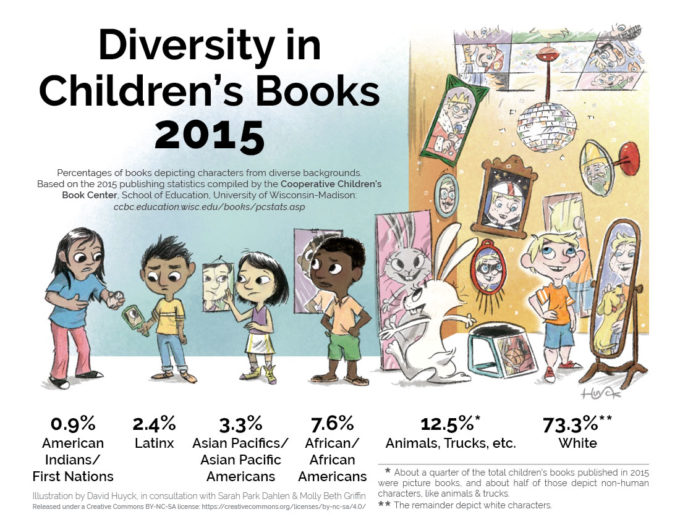
The statistics underpinning this discussion are stark. Research consistently highlights the underrepresentation of diverse characters in children’s books. Studies, such as those conducted by organizations like the Cooperative Children’s Book Center (CCBC) at the University of Wisconsin-Madison, have provided data showing that while progress is being made, white characters still dominate the pages of children’s literature. For instance, in recent years, books featuring characters of color have made gains, but often remain a fraction of the total. Similarly, female characters, even in books with animal or anthropomorphic protagonists, have historically been outnumbered by their male counterparts. This imbalance creates a skewed perception of reality for children, potentially leading them to internalize the idea that certain identities are more prominent or valuable than others.
The impact of this underrepresentation is multifaceted. Children who see themselves reflected in the stories they read often experience a greater sense of belonging, validation, and self-worth. This is particularly crucial for children from marginalized communities, whose experiences may otherwise be invisible or misrepresented. Conversely, children who are consistently exposed to a narrow range of characters may develop implicit biases and a limited understanding of the complexities of human identity. They might struggle to empathize with individuals whose backgrounds differ from their own, hindering their ability to navigate an increasingly diverse global society.
The push for greater diversity in children’s books is not a new phenomenon, but it has gained considerable momentum in recent years, fueled by social justice movements and a deeper understanding of child development. Educators, librarians, parents, and authors are actively advocating for books that offer authentic and nuanced portrayals of various communities. This movement is driven by the understanding that books are powerful tools that shape young minds, influencing their values, beliefs, and aspirations from an early age.
Foundational Pillars: Diversity in Books for Early Learners
For the youngest readers, the introduction to diverse characters can begin with simple, visually engaging stories. Books that feature a range of skin tones, family structures, and abilities can lay a crucial groundwork for understanding and acceptance.

"Not Quite Narwhal" by Jessie Sima, for example, offers a gentle exploration of belonging and family. While not explicitly focused on a specific demographic, the narrative’s emphasis on the unconditional love of family and the acceptance of differences resonates broadly. The protagonist, Kelp, is a narwhal who feels different and embarks on a journey of self-discovery. This story, with its endearing illustrations, subtly introduces the idea that it’s okay to be unique and that family can be found in unexpected places.
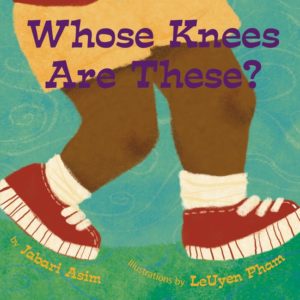
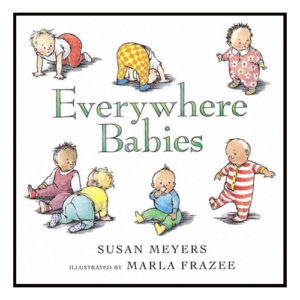
Another important category for very young children involves simple board books that introduce basic concepts and familiar elements of the world. Books like "Everywhere Babies" by Susan Meyers, with illustrations by Caldecott Honor winner Rafael López, showcase a diverse array of babies and families, reflecting different ethnicities and activities. These books provide visual cues that normalize diversity from the earliest stages of development. Similarly, "Whose Knees Are These?" by Luby Lim, offers simple rhymes and illustrations that can help toddlers identify body parts, featuring a variety of children.
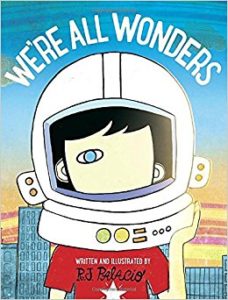
The concept of difference is further explored in "We’re All Wonders," a picture book adaptation of R.J. Palacio’s acclaimed novel "Wonder." This book introduces young children to Auggie Pullman, a character with facial differences, and promotes the message of kindness and empathy. It teaches children to look beyond appearances and recognize the inherent worth in every individual, fostering an inclusive mindset.
Cultivating Empathy: Preschoolers and Stories of Individuality
As children enter preschool, their capacity for understanding more complex social dynamics grows, making stories that highlight individuality and acceptance particularly impactful.
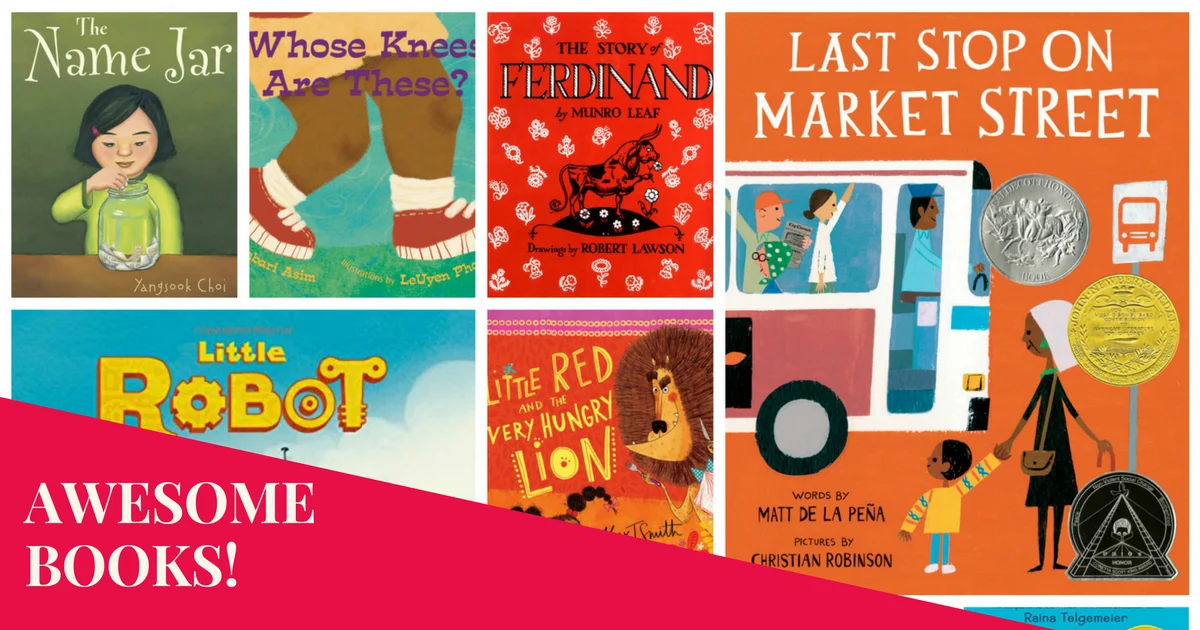
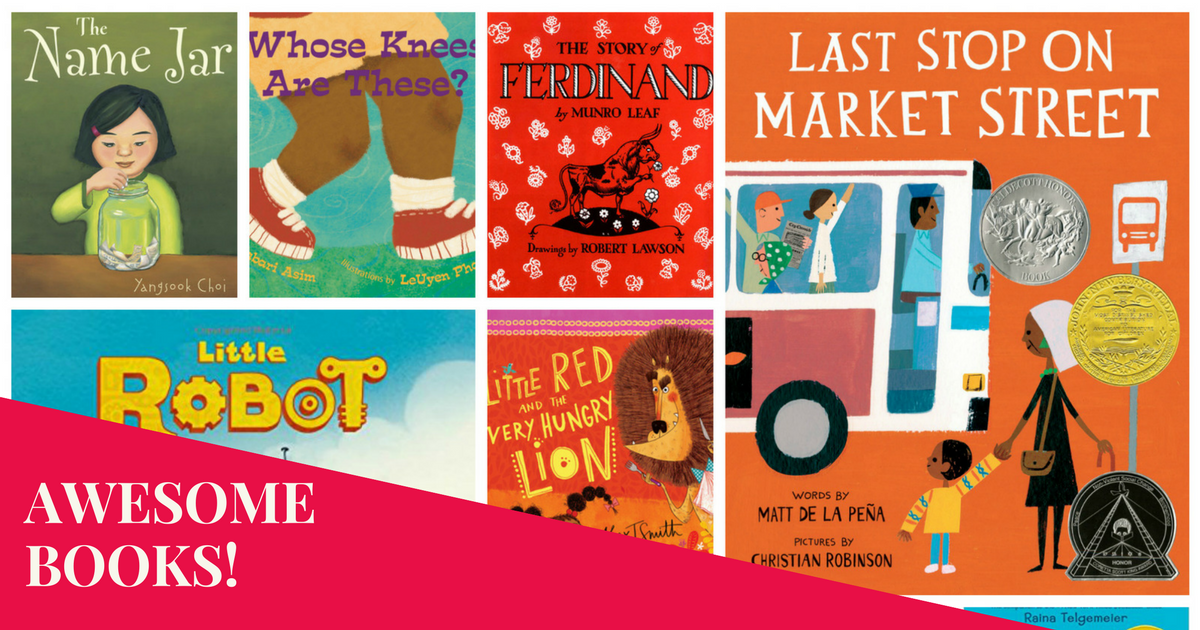
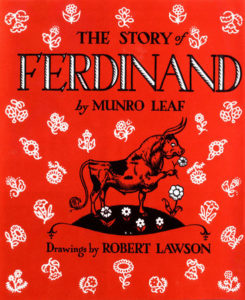
"The Story of Ferdinand" by Munro Leaf, a timeless classic, presents a bull who prefers smelling flowers to bullfighting. Ferdinand’s gentle nature and defiance of societal expectations offer a powerful early lesson in embracing one’s true self, even if it deviates from the norm. The book’s enduring popularity speaks to its universal message of non-conformity and inner peace.
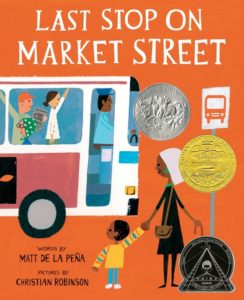
"Last Stop on Market Street" by Matt de la Peña, illustrated by Christian Robinson, is a Newbery Medal winner that has been lauded for its beautiful portrayal of a grandparent and grandchild’s bus ride. The story celebrates the richness of everyday life, community, and the diverse people encountered in an urban setting. It subtly weaves in themes of social observation and finding beauty in the ordinary, with vibrant illustrations that capture a wide spectrum of individuals.
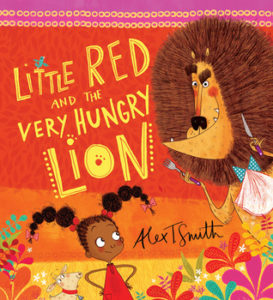
A playful reimagining of a classic fairy tale, "Little Red and the Very Hungry Lion" by Alexia T. Clarke, offers a jungle-themed twist on "Little Red Riding Hood." This version features a diverse cast and a more lighthearted resolution, making it a humorous and visually engaging read for preschoolers. The vibrant illustrations and witty narrative make it a standout choice for introducing children to different cultural interpretations of familiar stories.
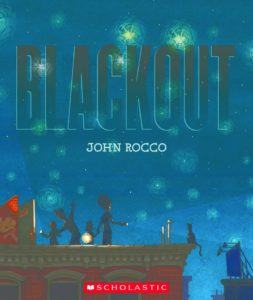
"Blackout" by John Rocco, a Caldecott Honor book, uses minimal text and striking illustrations to tell the story of a city plunged into darkness. During the blackout, a family disconnects from their devices and engages with each other and their neighbors, highlighting the importance of human connection and community. The diverse cast of characters in the neighborhood emphasizes the shared experience of the event.
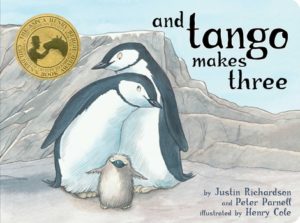
For stories that directly address different family structures, "And Tango Makes Three" by Justin Richardson and Peter Parnell, illustrated by Henry Cole, tells the true story of two male penguins at the Central Park Zoo who form a family. This book is a gentle introduction to same-sex relationships and the concept of diverse families, promoting understanding and acceptance.
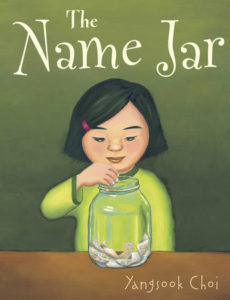
"The Name Jar" by Yangsook Choi addresses the challenges of being new and navigating cultural differences. Unhei, a young Korean immigrant, worries about her name being difficult to pronounce in her new American school. The story explores themes of cultural identity, belonging, and the beauty of diversity through a heartwarming narrative and engaging illustrations.
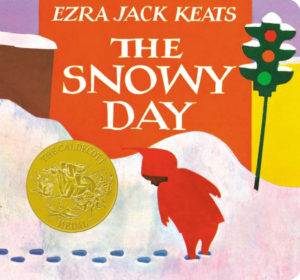
Another celebrated classic, "The Snowy Day" by Ezra Jack Keats, remains a beloved staple for its simple yet profound depiction of a young African American boy’s joy in experiencing snow. The book’s Caldecott Medal win and decades of popularity underscore its timeless appeal and its significance as an early example of diverse representation in children’s literature.
Finally, "Little Robot" by Ben Hatke is a wordless graphic novel that tells a touching story of friendship between a small robot and a young girl. The visual narrative emphasizes connection, kindness, and the universal language of companionship, transcending any specific cultural or demographic markers.
Expanding Horizons: Engaging Older Children with Diverse Narratives
As children grow into their elementary and middle school years, the complexity of the stories they engage with can deepen, allowing for more nuanced explorations of identity, challenges, and triumphs.
The "Zita the Spacegirl" series by Ben Hatke offers a compelling example of adventure storytelling with a strong, relatable female protagonist. Zita, an Earth girl, finds herself on an epic journey through space, encountering diverse alien species and forming unlikely friendships. These graphic novels are celebrated for their engaging plots, humor, and well-developed characters, making them accessible and enjoyable for a wide range of young readers.
"Mighty Jack" by Ben Hatke, another standout work, offers a creative retelling of "Jack and the Beanstalk." The story’s strength lies in its portrayal of the sibling relationship between Jack and his sister Maddy, who has autism and is nonverbal. Their bond is central to the narrative, and the book also touches on themes of divorce and mother-son relationships, providing a more complex and emotionally resonant reading experience. The graphic novel format, filled with adventure and fantasy elements, makes it particularly appealing to older children.
"El Deafo" by Cece Bell, a Newbery Honor recipient, is a powerful graphic memoir about a young girl who loses her hearing. Bell’s own experiences are woven into a fantastical narrative where she imagines herself as the superhero "El Deafo." The book honestly addresses the challenges of living with a disability, finding acceptance, and embracing one’s unique qualities, all while maintaining a humorous and engaging tone.
Raina Telgemeier’s works have become incredibly popular among young readers, and "Sisters" is an excellent entry point into her bibliography. This graphic novel explores the dynamics of sibling rivalry, family vacations, and the complexities of sisterhood. Telgemeier’s relatable characters and engaging artwork resonate deeply with middle-grade readers. Her other books, such as "Ghost" (featuring a protagonist with cystic fibrosis) and "Drama" (which touches on unrequited crushes and a character questioning his sexuality), further expand the range of diverse experiences explored in her work. These stories, while sometimes delving into themes like crushes and budding relationships, are handled with sensitivity and humor, making them appropriate for their target age group.
Broader Impact and Implications: Shaping a More Inclusive Future
The increasing availability and promotion of diverse children’s literature is not merely a trend; it represents a fundamental shift in how we approach childhood education and development. By offering a wider array of stories, we are actively working to dismantle the historical dominance of narrow perspectives and to foster a generation that is more empathetic, understanding, and inclusive.
The implications of this are far-reaching. For children from underrepresented groups, seeing themselves validated in books can be a powerful antidote to feelings of marginalization and can inspire them to pursue their dreams without the limitations of societal stereotypes. For all children, exposure to diverse narratives broadens their understanding of the world, equipping them with the tools to navigate a multicultural society with confidence and respect.
Furthermore, the demand for diverse books has spurred significant efforts from publishers, authors, and illustrators to create and promote these stories. This has led to a richer and more vibrant literary landscape for children, offering a wider selection of high-quality books that cater to a broader range of interests and backgrounds.
The conversation around diversity in children’s literature is ongoing. As more books featuring a variety of characters and experiences become available, it is crucial for parents, educators, and librarians to continue seeking out and sharing these valuable resources. By intentionally curating bookshelves that reflect the world’s complexity and beauty, we are investing in a future where all children feel seen, valued, and empowered. The journey towards truly representative children’s literature is a continuous one, but the progress made thus far is a testament to the power of stories to shape a more equitable and understanding world.
