

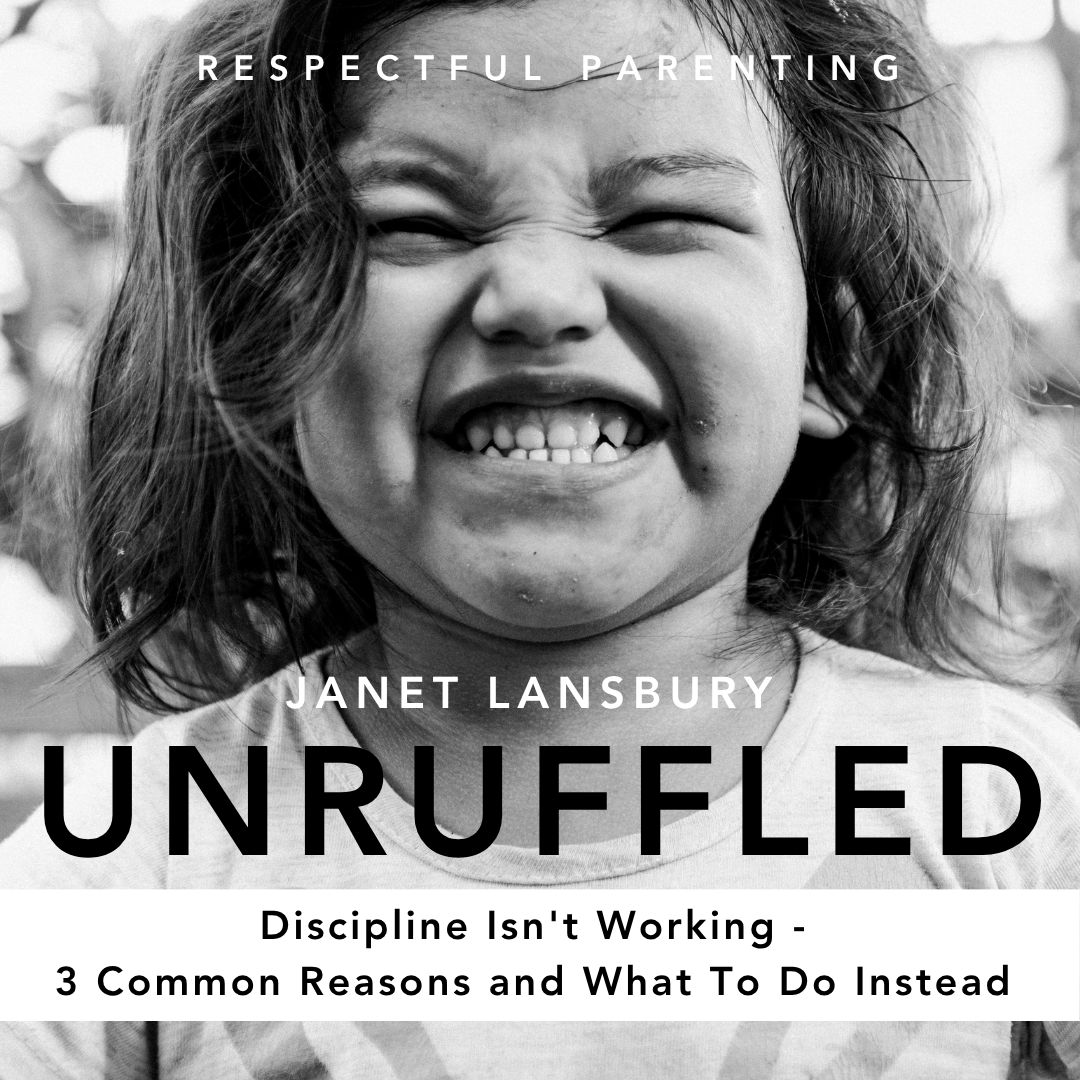
The landscape of parenting advice surrounding discipline and emotional expression has undergone a significant evolution since the early 2000s. What was once characterized by a prevailing sentiment of parental blame for a child’s distress has shifted towards an emphasis on acknowledging and validating feelings. However, this evolution, while largely positive, has, according to early childhood educator and author Janet Lansbury, led to an overemphasis on feelings, sometimes obscuring the practicalities of setting boundaries and fostering healthy child development. In her recent podcast episode, "Discipline Isn’t Working: 3 Common Reasons and What To Do Instead," Lansbury outlines three prevalent pitfalls that can render disciplinary efforts ineffective and offers a more nuanced approach to navigating challenging behaviors.
The Shifting Sands of Parenting Philosophy
Lansbury notes a marked change in parental discourse since she began writing online in 2009. At that time, parent-to-parent blogs often conveyed a sense of shame if a child experienced meltdowns or prolonged crying, implying parental inadequacy in areas like breastfeeding, physical closeness, or connection. This perspective has largely given way to a widespread recognition of the importance of children’s emotional experiences.
"There’s been such a change in the attitudes about feelings since I first started writing online in 2009," Lansbury stated in the episode. "Back then, there was this sense—not so much with the professionals, but parent-to-parent… that someone’s child was having meltdowns or as a baby was crying, that this meant that the parent was doing something wrong."
This shift has been substantial, with a current widespread focus on allowing children to express their feelings. However, Lansbury posits that this pendulum may have swung too far, creating confusion for parents about their role in managing emotions and setting limits. While acknowledging the positive aspects of this increased awareness, she cautions against an approach that elevates feelings to a level where effective discipline becomes unattainable. This contemporary perspective contrasts with older, more authoritarian approaches, such as the adage, "You get what you get and you don’t throw a fit," which, while seemingly promoting self-control, can hinder the development of open communication and trust in the parent-child relationship.
Three Pillars of Ineffective Discipline
Lansbury identifies three primary reasons why parents’ best intentions regarding discipline can falter, leading to frustration and a perpetuation of difficult behaviors.
1. Reacting to Symptoms, Not the Underlying Cause
A common stumbling block for parents is focusing on the outward manifestation of a child’s behavior rather than delving into the emotional or environmental factors that may be driving it. This is particularly true when a child’s behavior appears irrational or "kooky," yet is clearly a sign of internal dysregulation.
An illustrative case shared by Lansbury involves a parent struggling with their four-year-old daughter’s increasingly challenging behavior. The family was navigating a period of immense stress: the recent death of a beloved family dog, hospitalizations of both grandparents who lived with them, and the unexpected arrival of a new puppy. The child exhibited screaming, defiance, aggression towards her baby sibling and the dog, and extreme difficulty with bedtime routines. Despite being described as "super smart, borderline gifted, and manipulative," her outward behavior was a clear indicator of distress.
The parent, overwhelmed and feeling like a failure, reached out for guidance. Lansbury emphasized that such profound behavioral shifts are often a direct response to overwhelming life events. "This family is going through so much and it would be bizarre if the parents were just feeling fine and comfortable and their children were feeling just fine and comfortable," Lansbury observed. "None of them are. And our children are especially affected by us, even more than by these outside factors."
Lansbury’s advice centered on recognizing the child’s behavior as a symptom of being "terribly uncomfortable" and "helplessly out of control." She recommended protecting the child and those around her from the intensity of her distress, rather than engaging with the behavior itself as a personal affront. This might involve physically separating the child from vulnerable individuals like the baby or dog when she is unable to manage her impulses. The core message is to respond with understanding and to help the child navigate the overwhelming feelings, rather than reacting to the "symptoms" with punishment or reprimands.
The parent’s subsequent update indicated a positive shift: "I’ve been trying to just sit with her and let the storm ride over me the last few days, and she seems to be responding better." This highlights the power of acknowledging the underlying emotional storm rather than attempting to quell the individual outbursts.
2. Neglecting Alternative Outlets for Emotional Expression
A second critical reason discipline may prove ineffective is when parents say "no" to problematic behaviors without providing an acceptable alternative for children to express the feelings that are driving those behaviors. This can inadvertently send the message that certain feelings are unacceptable or should not be experienced.
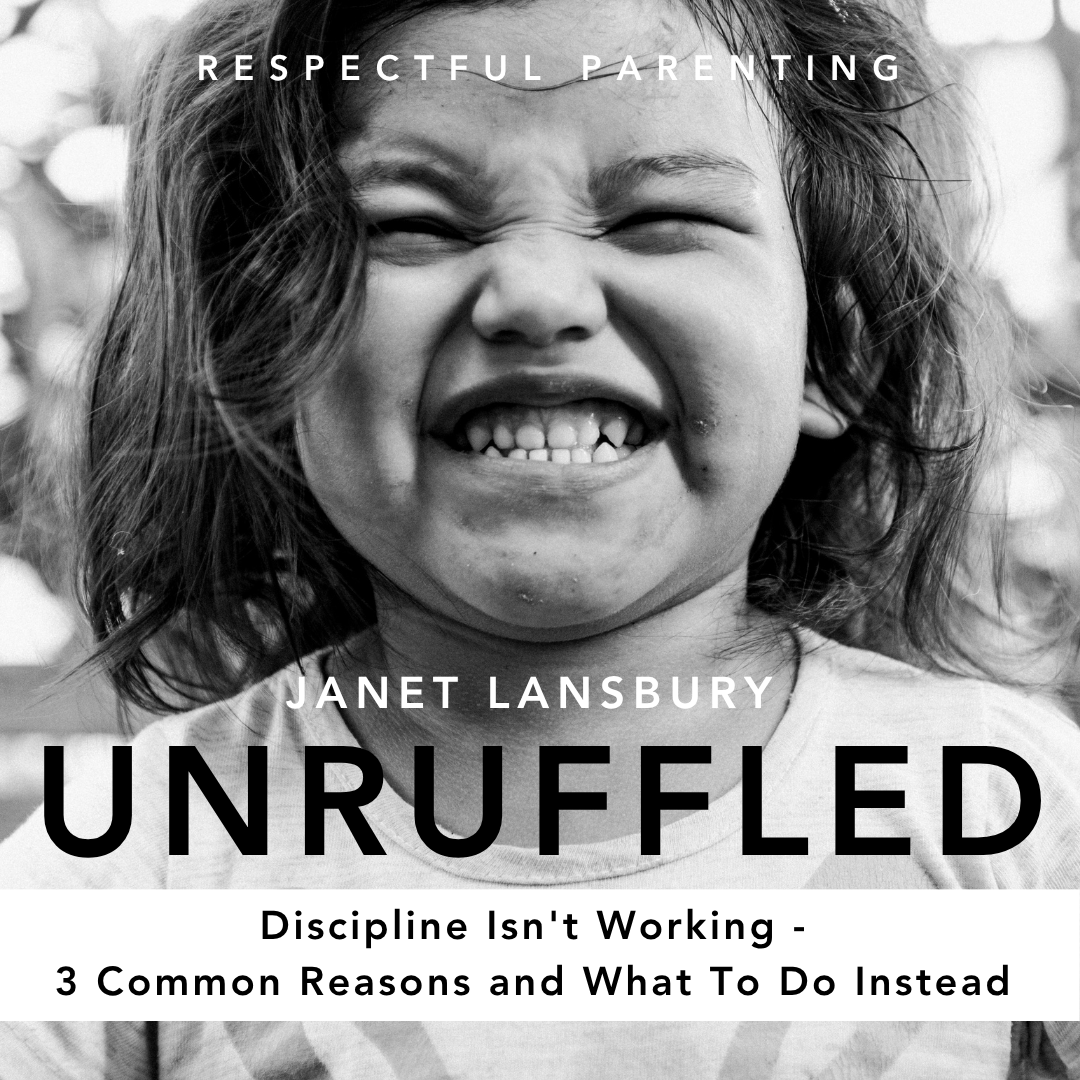
Lansbury explains that simply blocking a behavior without offering a channel for the underlying emotion can leave a child feeling unheard and misunderstood. The key is not necessarily to identify the precise emotion but to acknowledge the child’s struggle and their desire to continue the behavior. A simple statement like, "I can’t let you do that. I’m going to stop you. You want to keep doing that. You’re really having a hard time stopping yourself," can be profoundly impactful.
This approach validates the child’s internal experience without condoning the behavior. It communicates that while the action is not permitted, the desire behind it is understood and not inherently wrong. This creates a sense of safety, allowing the child to feel seen and accepted, even when facing a boundary. Without this outlet, feelings can build up, leading to more intense outbursts later, often manifesting during times like bedtime, which can then become protracted and challenging.
3. Parental Responsibility and Discomfort with Children’s Feelings
The third significant reason for discipline’s ineffectiveness, according to Lansbury, is when parents feel overly responsible for their child’s emotions, become sad for them, or are too uncomfortable with their child experiencing negative feelings. This can lead parents to try to "make it better" or placate their child, rather than holding firm boundaries while simultaneously welcoming the child’s emotional response.
This dynamic can lead to parents second-guessing their decisions or feeling guilty when a boundary causes their child distress. For instance, a parent might hesitate to take a moment for themselves, like using the bathroom, if their child expresses displeasure, believing they are causing their child undue discomfort.
Lansbury references a previous podcast episode where she discussed a parent struggling with a strong-willed toddler’s tantrums. The parent felt her role included teaching the child self-regulation, on top of setting boundaries and allowing emotions. Lansbury counters that this is an unproductive and unhelpful expectation, which can imply to the child that their uncomfortable feelings are unsafe or an "event" requiring significant parental intervention.
Instead, she advocates for a more robust belief in the child’s innate capacity to navigate their feelings. "The younger the child, the more this will happen. And the more that’s going on in our household, the more this will happen," she notes, acknowledging that life’s stresses naturally amplify emotional expressions in children.
The Nuance of "Doing Less" and Trusting Children
Lansbury addresses a letter from a parent who, despite applying her methods diligently, felt her parenting remained "extremely challenging" and found a recent podcast episode discouraging because it highlighted "peaceful, harmonious outcomes." The parent shared an example of her six-year-old son refusing to leave for his grandparents’ house without a cardboard sword. Despite her efforts to acknowledge his feelings and suggest a compromise, he remained immobile and angry for 15 minutes.
Lansbury, while acknowledging the parent’s kindness and diligent efforts, suggests that sometimes, in an effort to make things "okay" for the child, parents can inadvertently prolong difficult situations. Her interpretation is that the parent was leaning into a desire to avoid disappointment and make the child comfortable. Lansbury posits that a more direct, yet still empathetic, approach might be more effective: "Yeah, you really want to bring that. Gosh, that’s making you so mad. Come on, we’re going to go. But you can yell at us the whole way in the car if you need to."
This approach, Lansbury explains, is about maintaining a simple, direct, and kind boundary while still welcoming the child’s anger. It conveys confidence in the parent’s ability to handle the child’s upset and trust in the child’s capacity to express it. This, she suggests, often leads to shorter, less intense episodes, as the child understands that their feelings are acceptable and will be heard without derailing the necessary boundary. The child receives the message that it’s safe to express strong emotions, and that these emotions are a normal part of life, not a crisis requiring extensive intervention.
Implications for Modern Parenting
The insights shared by Janet Lansbury offer a vital counterpoint to the overwhelming focus on feelings that can sometimes paralyze parents. By identifying these three common pitfalls, she provides a framework for more effective and less stressful disciplinary practices. The underlying message is one of balance: acknowledging and validating children’s emotions is crucial, but it must be integrated with clear, consistent boundaries and a profound trust in a child’s inherent resilience.
The implications of this approach extend beyond immediate behavioral management. By navigating these challenges with a blend of empathy and firm limits, parents can foster deeper trust, stronger parent-child bonds, and equip their children with the emotional fortitude to face life’s inevitable disappointments and difficulties. The emphasis shifts from attempting to prevent or eliminate negative feelings to helping children develop the capacity to move through them, a skill that serves them throughout their lives. This nuanced perspective, rooted in decades of experience, offers a path toward more harmonious family dynamics and more confident, capable children.