

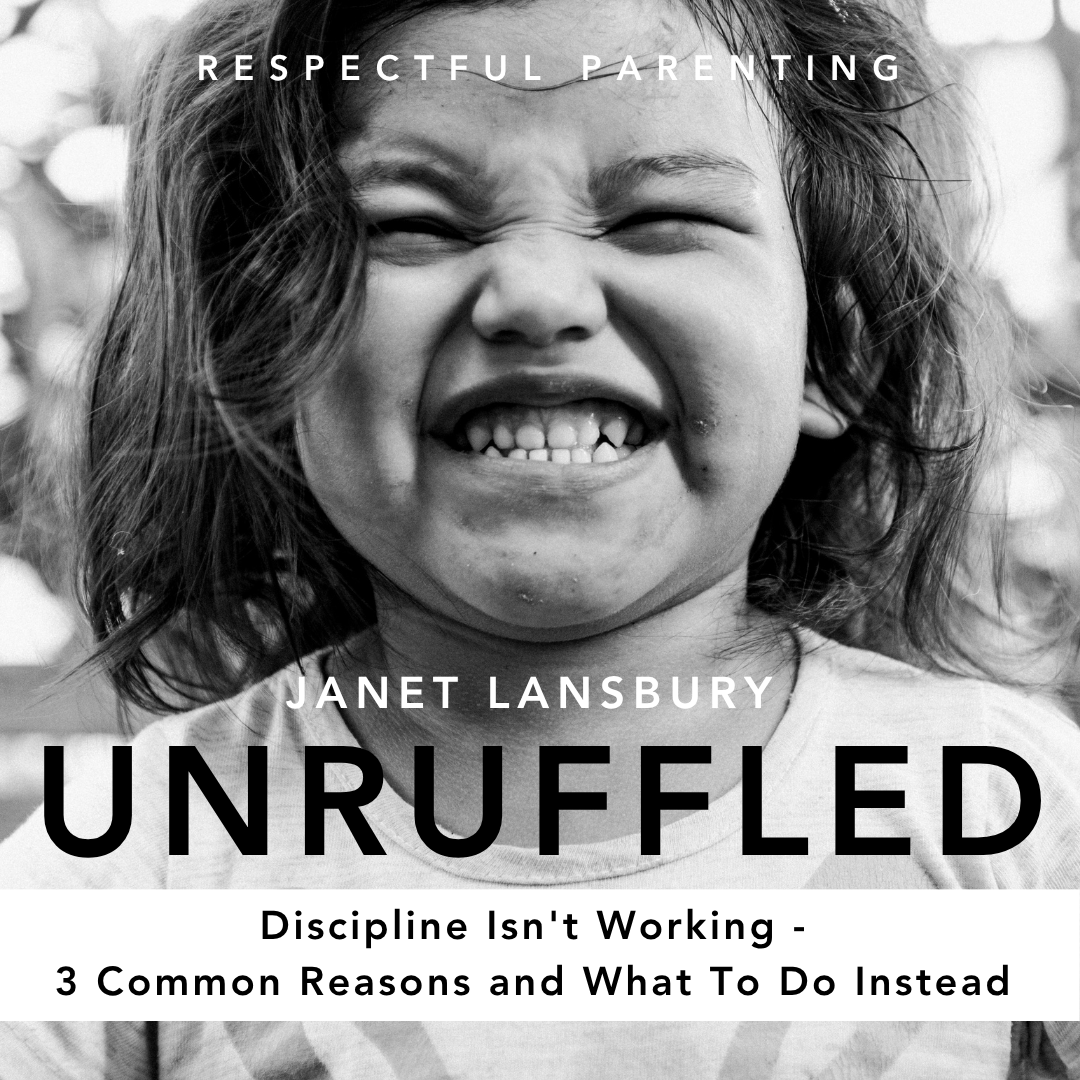
The landscape of child-rearing advice is in constant flux, with new perspectives emerging and older ones being re-evaluated. In a recent discussion on her "Unruffled" podcast, renowned parenting expert Janet Lansbury delved into the persistent challenges many parents face when their disciplinary approaches seem to fall short, leading to escalating behavioral issues and parental frustration. Lansbury identified three common pitfalls that undermine effective discipline and offered alternative strategies aimed at fostering deeper parent-child connections and promoting a sense of safety and security for children.
The Paradox of Empathy and Ineffective Discipline
Many parents today strive to be empathetic, patient, and understanding towards their children, actively working to manage their own temperaments. Despite these efforts, the occurrence of challenging behaviors, such as meltdowns and defiance, often persists, leaving caregivers feeling confused and questioning their methods. Lansbury’s insights address this common dilemma, suggesting that the very approaches intended to be nurturing can, in some instances, become counterproductive if not finely tuned.
"Effective discipline can be confusing," Lansbury stated in her podcast episode. "It can feel like we’re working so hard to be caring, empathetic, and patient with our kids—and not lose our temper—yet still, the challenging behaviors keep happening." This sentiment resonates with countless parents who invest significant emotional energy into responsive parenting, only to find themselves grappling with the same issues day after day. The extended meltdowns following boundary setting are a particular source of distress, often interpreted by parents as a sign of their own failure.
Shifting Attitudes Towards Children’s Emotions
Lansbury noted a significant evolution in parental attitudes toward children’s emotions since she began writing about parenting in 2009. In the earlier era, a child’s distress, whether it was a baby’s crying or a toddler’s meltdown, was often perceived as a direct reflection of parental inadequacy. Parents might have felt shamed if their child was perceived as not being sufficiently soothed, leading to concerns about not breastfeeding enough, not carrying their child enough, or not providing enough connection.
However, this perspective has gradually shifted. "There has been such a change in the attitudes about feelings since I first started writing online in 2009," Lansbury observed. "Back then, there was this sense—not so much with the professionals, but parent-to-parent…of shaming…that this meant that the parent was doing something wrong." This shift has led to a greater emphasis on validating and allowing children to express their feelings.
The Pendulum Swing: From Suppression to Overemphasis
While the increased focus on children’s emotional expression is largely positive, Lansbury cautioned that the pendulum may have swung too far in the opposite direction. The current emphasis can sometimes create an impression that parents have an overwhelming responsibility to manage and "fix" their child’s every emotion. This can lead to a sense of clutter and confusion about a parent’s role.
"And what often happens when there’s a big evolution like this is that the pendulum swings a little too far in the opposite direction," Lansbury explained. "And I feel like that’s what’s happening now, because it feels like there’s such a focus on feelings that our role seems unclear. It feels like we should be doing so much around this, that it’s so important."
Drawing a parallel to the spiritual teacher Mooji’s sentiment, "Feelings are just visitors. Let them come and go," Lansbury advocated for a healthy parental perspective that views emotions as transient and normal. This perspective involves teaching children that it’s acceptable to experience a range of feelings, both pleasant and unpleasant, without parents feeling solely responsible for making them better or stopping them. This balanced approach can prevent the misinterpretation of intense emotions as a crisis requiring immediate intervention, fostering resilience in children.
Three Common Reasons Discipline May Be Ineffective
Lansbury outlined three primary reasons why disciplinary efforts might not yield the desired outcomes:
1. Reacting to Symptoms, Not Underlying Causes
A fundamental reason for ineffective discipline, according to Lansbury, is the tendency to address the visible behavior (the symptom) without adequately understanding or addressing the underlying emotional or situational cause. Children’s challenging behaviors, particularly those that seem unreasonable or "kooky," are often driven by feelings of being out of control or overwhelmed.
Lansbury illustrated this point with an anecdote from a parent who shared their struggles with a four-year-old daughter exhibiting significant behavioral changes. The child’s outbursts, defiance, and aggression followed a period of intense family stress, including the death of a beloved family dog and hospitalizations of adored grandparents. The parent, despite having previously benefited from Lansbury’s teachings, found themselves resorting to yelling and feeling like a failure. The child, when asked about her behavior, admitted to feeling sad daily due to the dog’s death.
This scenario highlights how external stressors can profoundly impact a child’s emotional regulation. Lansbury emphasized that the child’s behavior, while difficult, was an expected response to significant loss and upheaval. Her advice to the parent focused on minimizing immediate harm by protecting the baby and dog from the child’s outbursts, rather than solely focusing on stopping the behavior itself. The underlying message was to view the child’s behavior not as a personal attack but as a sign of distress that needs to be navigated.
"She is so out of control," Lansbury quoted the parent, underscoring the core issue. "Yes, she’s going through something, feels totally out of control, and I’m certain she doesn’t want to be behaving this way and angering her parents." The suggestion was to respond with compassion and understanding, recognizing that intelligent children, often highly sensitive to losing control, can exhibit even more pronounced reactions when overwhelmed.
The extended bedtime struggles mentioned by the parent were also analyzed. Lansbury posited that prolonged bedtime routines can be a manifestation of unprocessed emotions from throughout the day. When boundaries are set and children are prevented from acting on their impulses, they may suppress their feelings. If these feelings aren’t given an outlet, they can build up, surfacing with greater intensity at bedtime. Allowing children to express their upset reactions to boundaries in the moment, in a safe and contained way, can prevent this accumulation.
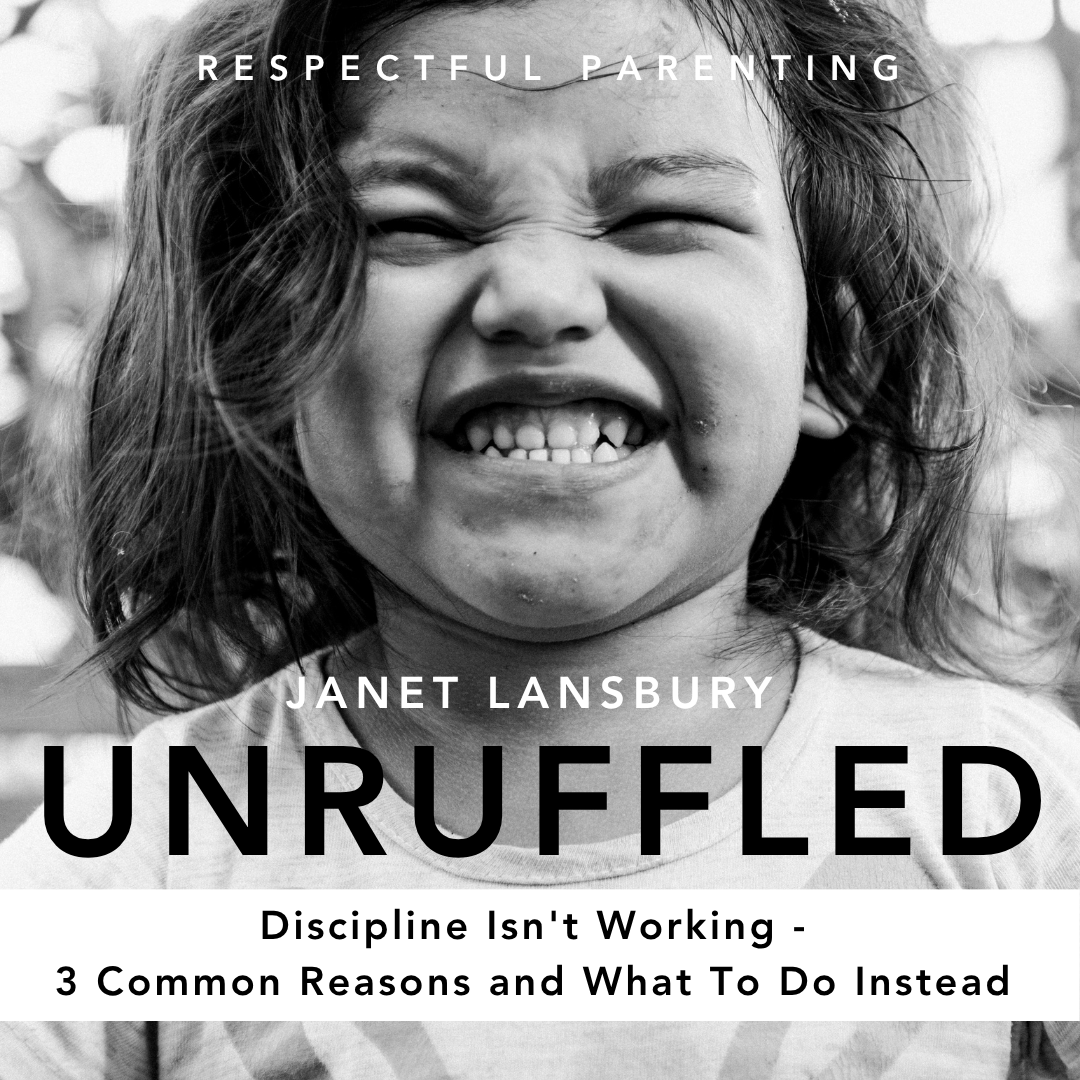
2. Saying No Without Providing an Alternative Outlet for Feelings
The second common reason discipline falters is the practice of simply denying or stopping a behavior without offering the child a healthy avenue to express the underlying feelings driving that behavior. While setting limits is crucial, it must be coupled with an acknowledgment that the child’s desire or impulse is understandable, even if the action is not permissible.
"We say no to the behaviors, but we don’t allow for another way for our child to share their feelings," Lansbury stated. She clarified that this doesn’t require parents to decipher complex emotional states. Instead, it involves simple acknowledgment and validation. For instance, when stopping a child from an unacceptable action, a parent can say, "I can’t let you do that. I’m going to stop you. You want to keep doing that. You’re really having a hard time stopping yourself."
This approach, Lansbury explained, communicates to the child that their impulse is seen and understood, and that the parent isn’t angry about the feeling itself. It differentiates between the unacceptable behavior and the child’s internal experience, allowing the child to feel seen and accepted even when their actions are being limited. This contrasts with a response that might inadvertently send the message that the feeling or the impulse itself is wrong or unacceptable, potentially leading to a suppression of emotions rather than a healthy processing of them.
3. Parental Responsibility and Discomfort with Children’s Feelings
The third significant reason for ineffective discipline is when parents feel overly responsible for their child’s emotional state, become too uncomfortable with their child experiencing negative feelings, or feel a need to "make them better." This can lead to vacillation in setting boundaries or an attempt to placate the child, which undermines the disciplinary message.
Lansbury elaborated, "We feel responsible in some way or sad for our child or too uncomfortable for our child to have these feelings. So we want to make them better, instead of just setting the boundary and welcoming our child’s full force of whatever feelings they have."
This can manifest as parents second-guessing their decisions, doubting their right to set boundaries, or feeling obligated to soften their stance to avoid upsetting their child. The underlying issue is often a misunderstanding of a parent’s role in a child’s emotional journey. Lansbury stressed that a parent’s job is not to teach a child self-regulation on top of setting a boundary and allowing feelings. Instead, it is to provide a stable, accepting presence while the child navigates their emotions.
Lansbury referenced a previous podcast episode where she discussed a parent struggling with a strong-willed toddler’s tantrums. The parent felt her job was to teach self-regulation. Lansbury countered that the parent’s primary role is to hold the boundary and be a safe harbor for the child’s emotional expression, not to actively manage or regulate the child’s feelings for them.
The current overemphasis on children’s emotions, Lansbury suggested, can inadvertently lead parents to believe they have an expansive role in managing their child’s emotional landscape. This can result in parents becoming overly involved in trying to "fix" their child’s distress, which can paradoxically make children feel that their strong emotions are not safe or normal. This perception can hinder their ability to develop their own coping mechanisms and trust their parents’ guidance.
The Nuance of Parenting and Emotional Expression
Lansbury acknowledged that the journey of parenting, especially when applying respectful discipline, is often messy, prolonged, and emotionally intense. She received a thoughtful letter from a parent who, despite wholeheartedly applying Lansbury’s methodology, still found parenting extremely challenging. The parent described a situation where her six-year-old son insisted on bringing a cardboard sword to his grandparents’ house, refused to leave when told the sword would wait at home, and remained immobile and angry for 15 minutes despite the parent’s efforts to acknowledge his feelings.
This letter resonated deeply with Lansbury, who expressed concern that her previous podcast episode might have inadvertently discouraged parents by showcasing success stories without fully acknowledging the inherent difficulties. She emphasized that even when applying these principles diligently, challenging situations are common and expected.
Lansbury’s response to the parent suggested a subtle adjustment in approach: "The sense I’m getting here is that this parent was kind of leaning into doing what a lot of us have the instinct to do… ‘Let’s try to make this okay with you. Let’s find a way to make it safe. Let’s talk to you about it.’" Lansbury proposed that sometimes, a more direct yet still compassionate approach might be more effective. For the sword scenario, she suggested, "Yeah, you really want to bring that. Gosh, that’s making you so mad. Come on, we’re going to go. But you can yell at us the whole way in the car if you need to."
This approach, Lansbury explained, maintains the boundary while clearly welcoming the child’s emotional expression. The key is to be direct, kind, and simple, avoiding an overemphasis on trying to "fix" the child’s unhappiness. When parents can maintain conviction and simplicity while welcoming feelings, and children understand that their anger is not a problem or a sign of failure, the intensity of the episode often diminishes more quickly.
The Importance of Parental Bravery and Trust
Ultimately, Lansbury concluded that navigating discipline and emotions requires bravery and a fundamental trust in children’s capabilities. Parents need to believe in their children’s ability to weather life’s disappointments, heartbreaks, and frustrations. The dynamic she advocates for is straightforward: observe the situation, set boundaries with confidence, welcome the child’s feelings about those boundaries, and proceed. This approach, she argued, is far less complicated than many current messages about feelings and behaviors suggest.
Lansbury’s insights offer a framework for parents to re-evaluate their disciplinary strategies, moving beyond a focus on immediate behavioral control towards a more nuanced understanding of the emotional underpinnings of children’s actions. By addressing the root causes, providing alternative outlets for feelings, and managing their own discomfort with children’s distress, parents can foster stronger, more trusting relationships and create a sense of safety that supports their children’s healthy development. Further resources on these topics can be found in Lansbury’s "No Bad Kids Master Course" and her book, "No Bad Kids."