


When a couple has been unsuccessful at achieving pregnancy after one year of regular, unprotected intercourse, a comprehensive physical and medical assessment involving both partners is critically indicated. This crucial initial step marks the beginning of a diagnostic journey aimed at identifying underlying factors impeding conception, with fertility testing for women and a detailed semen analysis for men serving as immediate and foundational examinations. This dual-partner approach is paramount, recognizing that male factors contribute to approximately 50% of all infertility cases, underscoring the necessity of examining both individuals for potential reproductive issues.

Defining Infertility: Global and National Scope
Infertility is medically defined as the inability to achieve pregnancy after 12 months of regular, unprotected sexual intercourse. For women over the age of 35, this timeframe is typically shortened to six months due to the age-related decline in ovarian reserve and egg quality. Globally, infertility affects a significant portion of the population, with estimates from the World Health Organization (WHO) suggesting that approximately 1 in 6 people worldwide experience infertility in their lifetime. In the United States, data from the Centers for Disease Control and Prevention (CDC) indicate that about 12% of women aged 15-44 years in the United States have difficulty getting pregnant or carrying a pregnancy to term. These statistics highlight infertility not merely as a personal challenge but as a widespread public health concern, necessitating accessible and effective diagnostic and treatment strategies. The economic and social implications are profound, affecting individuals’ mental health, relationships, and societal demographics.

The Imperative of Dual-Partner Evaluation
Historically, the burden of infertility diagnosis and treatment often fell disproportionately on women. However, advancements in reproductive medicine and epidemiological studies have firmly established that infertility is a shared concern, with male, female, combined, and unexplained factors contributing to the overall prevalence. The common misconception that infertility is primarily a "woman’s problem" has been largely dispelled by robust scientific evidence. When a couple presents with difficulty conceiving, a holistic evaluation of both partners concurrently allows for a more efficient and accurate diagnosis, preventing delays in treatment and reducing emotional distress. Initiating a thorough semen analysis for the male partner alongside initial female fertility assessments ensures that no potential contributing factor is overlooked. This integrated approach reflects a modern, evidence-based understanding of reproductive health.

Understanding Male Factor Infertility: Causes and Diagnostics
Male factor infertility accounts for a substantial proportion of all cases, often manifesting as issues with sperm production, function, or delivery. The primary diagnostic tool for male fertility is the semen analysis, which evaluates several key parameters:

- Sperm Concentration (Count): The number of sperm per milliliter of semen.
- Sperm Motility: The percentage of sperm that are moving, and how well they are moving.
- Sperm Morphology: The percentage of sperm that have a normal shape and structure.
- Semen Volume: The total amount of ejaculate.
- Liquefaction Time: The time it takes for the semen to liquefy after ejaculation.
Abnormalities in any of these parameters can indicate male infertility. Common causes of male infertility include:
- Varicocele: Enlarged veins in the scrotum, which can elevate testicular temperature and impair sperm production.
- Hormonal Imbalances: Deficiencies in hormones such as testosterone, FSH (Follicle-Stimulating Hormone), or LH (Luteinizing Hormone) can disrupt spermatogenesis.
- Ejaculation Disorders: Retrograde ejaculation (semen entering the bladder), premature ejaculation, or anejaculation.
- Genetic Defects: Chromosomal abnormalities (e.g., Klinefelter syndrome) or gene mutations (e.g., cystic fibrosis gene leading to absence of vas deferens).
- Infections: Past or present infections of the reproductive tract can affect sperm health.
- Structural Blockages: Obstructions in the epididymis or vas deferens preventing sperm transport.
- Lifestyle Factors: Smoking, excessive alcohol consumption, drug use, obesity, exposure to certain environmental toxins, and excessive heat exposure to the testes can negatively impact sperm quality.
Further diagnostic tests for men may include hormonal blood tests, genetic testing, testicular biopsy, or specialized sperm function tests, depending on the initial semen analysis results and clinical presentation.

Understanding Female Factor Infertility: Diverse Etiologies and Diagnostic Pathways
Female infertility can arise from a multitude of factors affecting ovulation, fallopian tube function, uterine health, or ovarian reserve. The diagnostic process for women is often more intricate due to the complexity of the female reproductive system. Initial assessments typically involve:

- Ovarian Reserve Testing: Blood tests for hormones like Anti-Müllerian Hormone (AMH), Follicle-Stimulating Hormone (FSH), estradiol, and inhibin B, along with an antral follicle count via ultrasound, assess the quantity and quality of remaining eggs.
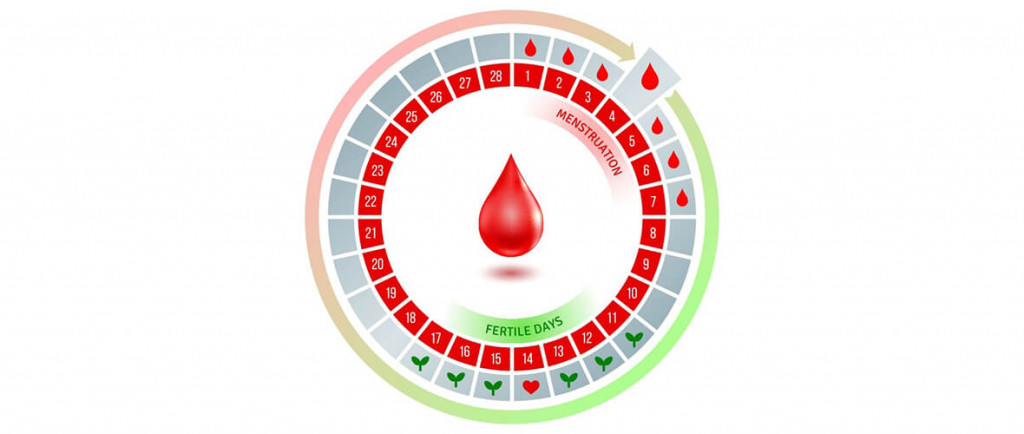
- Ovulation Assessment: Tracking menstrual cycles, basal body temperature, ovulation predictor kits, and blood tests for progesterone levels can confirm ovulation. Conditions like Polycystic Ovary Syndrome (PCOS) are a common cause of ovulatory dysfunction.
- Fallopian Tube Patency Testing: A hysterosalpingogram (HSG), a specialized X-ray procedure, is used to check if the fallopian tubes are open and if the uterus has a normal shape. Blocked fallopian tubes can prevent sperm from reaching the egg or the fertilized egg from traveling to the uterus.
- Uterine Health Evaluation: Transvaginal ultrasound, saline infusion sonography (SIS), or hysteroscopy can identify structural abnormalities such as fibroids, polyps, adhesions, or congenital anomalies of the uterus that might interfere with implantation.
Other significant causes of female infertility include:
- Endometriosis: A condition where tissue similar to the lining of the uterus grows outside the uterus, potentially causing inflammation, scarring, and affecting egg quality or tubal function.
- Premature Ovarian Insufficiency (POI): The loss of normal ovarian function before age 40.
- Thyroid Disorders: Both hypo- and hyperthyroidism can interfere with ovulation.
- Lifestyle Factors: Age, weight (being underweight or overweight), smoking, and excessive stress can significantly impact female fertility.
The Diagnostic Journey: A Phased Approach

The diagnostic timeline for infertility typically begins after the one-year (or six-month) mark of unsuccessful conception attempts.
- Initial Consultation: Couples meet with a fertility specialist (reproductive endocrinologist) who takes a detailed medical history from both partners, including reproductive history, surgical history, medications, and lifestyle factors.
- Baseline Testing: This phase includes the initial semen analysis for the male partner and basic hormonal blood work for the female partner (e.g., FSH, LH, estradiol, AMH, thyroid panel).
- Advanced Female Testing: If initial tests are normal or suggest specific issues, further investigations for the female partner include transvaginal ultrasound, HSG, and potentially a hysteroscopy or laparoscopy to diagnose conditions like endometriosis or adhesions.
- Advanced Male Testing: If semen analysis shows abnormalities, the male partner may undergo additional hormonal tests, genetic screening, or consult a urologist specializing in male fertility.
- Diagnosis and Treatment Plan: Once the cause(s) of infertility are identified, the fertility specialist will discuss a tailored treatment plan, which could range from lifestyle modifications and ovulation induction to more advanced reproductive technologies.
This structured approach ensures that all potential factors are systematically evaluated, leading to an accurate diagnosis and appropriate intervention.

Advancements in Fertility Treatments
The field of reproductive medicine has seen remarkable advancements, offering hope to many couples struggling with infertility. Treatment options are diverse and depend heavily on the underlying cause:
- Lifestyle Modifications: For some, addressing lifestyle factors like diet, exercise, stress reduction, and avoiding harmful substances can improve fertility.
- Ovulation Induction: Medications such as Clomiphene Citrate or Letrozole are used to stimulate ovulation in women with ovulatory dysfunction.
- Intrauterine Insemination (IUI): A procedure where specially prepared sperm are placed directly into the uterus around the time of ovulation. It is often used for mild male factor infertility, unexplained infertility, or when ovulation induction is successful.
- In Vitro Fertilization (IVF): The most effective assisted reproductive technology (ART), involving the fertilization of eggs by sperm outside the body in a laboratory setting. The resulting embryos are then transferred to the uterus. IVF can address a wide range of infertility issues, including severe male factor, blocked fallopian tubes, advanced maternal age, and unexplained infertility.
- Intracytoplasmic Sperm Injection (ICSI): Often used in conjunction with IVF, ICSI involves injecting a single sperm directly into an egg. This technique is particularly beneficial for severe male factor infertility.
- Donor Gametes or Embryos: For individuals or couples where one or both partners cannot produce viable eggs or sperm, or for single parents by choice, donor eggs, sperm, or embryos can be utilized.
- Gestational Carriers (Surrogacy): In cases where a woman cannot carry a pregnancy, a gestational carrier may be used.
The success rates of these treatments vary based on factors such as age, cause of infertility, and the specific treatment employed, but overall, they have significantly improved the chances of conception for many.
Navigating the Emotional and Financial Landscape

The journey through infertility diagnosis and treatment is often emotionally challenging. Couples frequently experience stress, anxiety, depression, and feelings of isolation. The repeated cycles of hope and disappointment can strain relationships and impact mental well-being. Support systems, including counseling, support groups, and open communication with partners, are vital resources.
Financially, fertility treatments can be expensive. The cost of diagnostic tests, medications, and ART procedures like IVF can be substantial, and insurance coverage for infertility services varies widely. This financial burden adds another layer of stress for many couples, making access to care a significant issue. Advocacy groups continue to push for broader insurance coverage and more equitable access to fertility services.

The Future of Reproductive Medicine and Access to Care
The field of reproductive medicine continues to evolve rapidly. Research into new diagnostic tools, less invasive treatments, and personalized medicine approaches promises to further improve outcomes. Advances in genetic screening, cryopreservation techniques, and understanding the intricate biology of reproduction are constantly expanding the possibilities for fertility care.

However, challenges remain, particularly concerning equitable access to these life-changing technologies. Disparities in care based on socioeconomic status, geographic location, and insurance coverage persist. Moving forward, efforts are needed to ensure that comprehensive fertility assessment and treatment are accessible to all who need them, reflecting infertility as a medical condition deserving of standard healthcare coverage.
In conclusion, the path to conception for couples facing infertility begins with a prompt and thorough assessment of both partners. Recognizing the equal contribution of male and female factors is fundamental to an effective diagnostic and treatment strategy. Through advanced medical understanding, a range of diagnostic tools, and ever-improving treatment options, the medical community continues to strive towards making the dream of parenthood a reality for more individuals and couples worldwide. The ongoing support from healthcare providers, advocacy for equitable access, and continued research are crucial in improving the conception playing field for everyone.
