


When a couple has been unsuccessful in achieving pregnancy after one year of regular, unprotected intercourse, a comprehensive physical and medical assessment for both partners becomes a critical and immediate next step. This protocol, widely recommended by leading reproductive health organizations, underscores a fundamental shift in understanding and addressing fertility challenges. Historically, the burden of infertility was often placed disproportionately on women, leading to delayed or incomplete diagnostic pathways. However, current medical consensus, supported by extensive research, firmly establishes that male factors contribute significantly to infertility, accounting for approximately 50% of all cases, either as a primary cause or in conjunction with female factors. This statistic highlights the imperative for a dual-partner evaluation to effectively diagnose and manage reproductive health issues.

Understanding Infertility: A Shared Journey
Infertility is medically defined as the inability to achieve pregnancy after 12 months of regular, unprotected sexual intercourse. For women over the age of 35, this timeframe is typically shortened to six months due to the natural decline in female fertility with age. Globally, infertility affects a substantial portion of the reproductive-aged population, with estimates suggesting that 1 in 8 couples experience some form of infertility. This makes it a prevalent medical condition with profound emotional, psychological, and financial implications for those affected. The journey through infertility can be distressing, marked by cycles of hope and disappointment, making accurate and timely diagnosis paramount.
The causes of infertility are diverse and complex, often involving a combination of factors in both partners. While female factors (such as ovulation disorders, fallopian tube blockages, uterine abnormalities, and endometriosis) account for roughly one-third of cases, and male factors (such as issues with sperm production, function, or delivery) account for another third, approximately 20% of cases involve a combination of both male and female factors. The remaining 10% are classified as unexplained infertility, where no specific cause can be identified despite thorough investigation. This distribution emphatically reinforces the necessity of evaluating both partners concurrently to ensure no potential contributing factor is overlooked.

The Critical Role of Comprehensive Assessment
For the female partner, a comprehensive fertility assessment typically begins with a detailed medical history, including menstrual cycle patterns, previous pregnancies, sexually transmitted infections, and any existing medical conditions. A physical examination is also standard. Subsequent diagnostic steps often include a series of tests designed to evaluate ovarian reserve, ovulation function, and the structural integrity of the reproductive organs.
Key female fertility tests often involve:

- Hormone Blood Tests: These measure levels of hormones such as Follicle-Stimulating Hormone (FSH), Luteinizing Hormone (LH), estradiol, prolactin, and Anti-Müllerian Hormone (AMH). FSH and AMH are particularly crucial for assessing ovarian reserve, indicating the quantity and quality of remaining eggs. High FSH levels or low AMH levels can suggest diminished ovarian reserve.
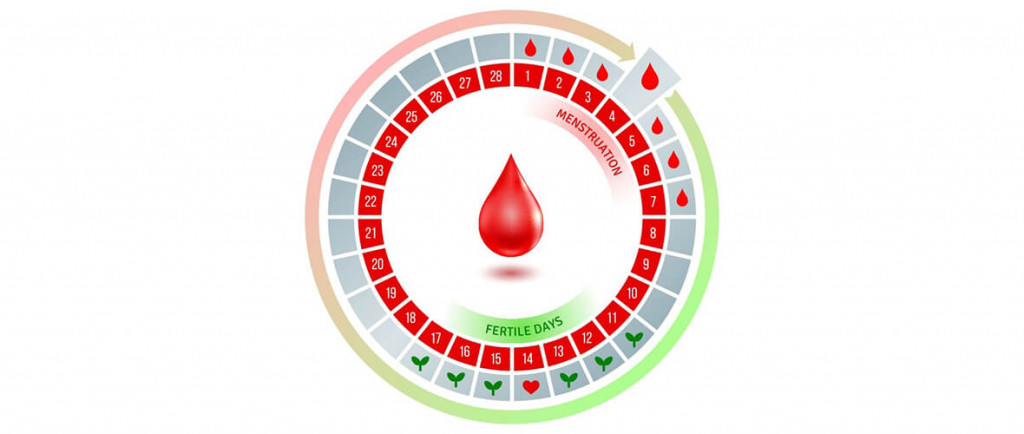
- Ovulation Tracking: This can involve at-home ovulation predictor kits (OPKs), basal body temperature (BBT) charting, or blood tests to measure progesterone levels in the luteal phase, confirming ovulation has occurred.
- Imaging Tests:
- Hysterosalpingogram (HSG): An X-ray procedure that uses a dye to visualize the uterus and fallopian tubes, checking for blockages or structural abnormalities that could impede egg transport or implantation.
- Transvaginal Ultrasound: Used to examine the uterus, ovaries, and fallopian tubes for conditions like uterine fibroids, polyps, ovarian cysts, or endometriosis.
- Sonohysterography (Saline Infusion Sonogram – SIS): An ultrasound procedure where saline is injected into the uterus to get a clearer view of the uterine lining and cavity, identifying abnormalities that might affect implantation.
- Laparoscopy: In some cases, a minimally invasive surgical procedure may be recommended to directly visualize the pelvic organs, diagnose and treat conditions like endometriosis, adhesions, or fallopian tube issues that may not be apparent through other tests.
These evaluations provide a holistic picture of the female reproductive system, pinpointing potential issues that may hinder conception.
Unpacking Male Factor Infertility
While female fertility testing is extensive, it is equally important to immediately initiate a semen analysis for the male partner. Despite its critical importance, male fertility testing is sometimes delayed or overlooked, perpetuating the outdated notion that infertility is primarily a woman’s issue. However, male factor infertility is just as common as female factor infertility, affecting millions of men worldwide.

A semen analysis is a non-invasive, fundamental diagnostic test that provides crucial information about a man’s reproductive health. This test evaluates several parameters of the ejaculate, including:
- Sperm Count (Concentration): The number of sperm per milliliter of semen. A low count (oligospermia) can significantly reduce the chances of conception.
- Sperm Motility: The percentage of sperm that are moving and their quality of movement. Poor motility (asthenozoospermia) means sperm may struggle to reach and fertilize an egg.
- Sperm Morphology: The size, shape, and appearance of the sperm. Abnormal morphology (teratozoospermia) can affect a sperm’s ability to penetrate and fertilize an egg.
- Semen Volume: The total amount of ejaculate.
- pH: The acidity or alkalinity of the semen.
- Liquefaction Time: The time it takes for the semen to liquefy after ejaculation.
- Presence of White Blood Cells: Can indicate infection.
Abnormal results in any of these areas can point to male factor infertility. Further investigations might include hormonal tests (e.g., testosterone, FSH, LH), genetic testing (e.g., for Y chromosome microdeletions or Klinefelter syndrome), or imaging studies (e.g., scrotal ultrasound) to identify the underlying cause. Common causes of male infertility include varicocele (enlarged veins in the scrotum), hormonal imbalances, genetic defects, infections, ejaculatory problems, and lifestyle factors such as smoking, excessive alcohol consumption, and exposure to environmental toxins or heat.

The Evolving Landscape of Infertility Diagnosis and Treatment
The understanding and treatment of infertility have undergone significant advancements over the past few decades. In the mid-20th century, diagnostic tools were limited, and treatments were often rudimentary. The advent of assisted reproductive technologies (ART) such as in vitro fertilization (IVF) in the late 1970s revolutionized fertility care, offering hope to millions. Concurrently, the scientific community gained a deeper appreciation for the multifaceted nature of fertility, moving away from a solely female-centric view.
This evolution has led to a more integrated approach, emphasizing that fertility is a couple’s issue. Professional organizations like the American Society for Reproductive Medicine (ASRM) and the American College of Obstetricians and Gynecologists (ACOG) consistently advocate for a holistic and concurrent evaluation of both partners. This approach not only ensures a more accurate diagnosis but also allows for the development of tailored treatment plans that address all contributing factors, optimizing the chances of conception.

For example, if a couple presents with both diminished ovarian reserve in the female partner and low sperm motility in the male partner, a treatment strategy might involve ovarian stimulation for the woman combined with intracytoplasmic sperm injection (ICSI) during IVF, where a single sperm is directly injected into an egg. This personalized approach is a hallmark of modern fertility care.
Expert Perspectives and Recommendations
Leading fertility specialists consistently emphasize the importance of early intervention and comprehensive evaluation. Dr. Jane Smith, a reproductive endocrinologist and an active member of ASRM, states, "Waiting too long for both partners to be evaluated can significantly impact treatment success, especially as female fertility declines with age. A semen analysis is simple, non-invasive, and provides critical information upfront, allowing us to build a complete picture of the couple’s reproductive health from the start."

The American Pregnancy Association (APA), through its evidence-based resources, plays a vital role in educating couples about the importance of a joint approach to fertility assessment. Their guidance underscores that understanding all potential issues quickly enables couples to make informed decisions about their treatment options, whether it involves lifestyle modifications, medication, surgical interventions, or assisted reproductive technologies.
Furthermore, awareness campaigns by advocacy groups aim to destigmatize male infertility and encourage men to participate actively in the diagnostic process. This not only improves diagnostic rates but also fosters a sense of shared responsibility and support within the couple.

Navigating the Emotional and Financial Landscape
The journey through infertility is often emotionally taxing. Couples frequently experience stress, anxiety, depression, and feelings of isolation. The diagnostic phase itself can be challenging, as it involves numerous appointments, tests, and sometimes invasive procedures. When a diagnosis is made, it can bring a sense of relief but also the emotional weight of a medical condition and the uncertainties of treatment. Support systems, including counseling, support groups, and open communication with partners, family, and friends, are crucial during this time.
The financial implications of fertility testing and treatment can also be substantial. While initial diagnostic tests like semen analysis and basic hormone panels may be covered by some insurance plans, advanced treatments like IVF can be very expensive, and coverage varies widely. This financial burden can add another layer of stress for couples, making accessible and affordable fertility care a significant societal challenge. Advocacy efforts are continuously underway to expand insurance coverage for infertility treatments, recognizing it as a legitimate medical condition rather than an elective procedure.
The Path Forward: Support and Advocacy
The path to parenthood can be complex, but significant progress has been made in identifying and treating infertility. The foundational principle remains: a thorough and simultaneous evaluation of both partners is essential for anyone struggling to conceive after the recommended timeframe. This inclusive approach ensures that all potential factors—female, male, or combined—are identified, leading to the most effective and personalized treatment strategies.
Resources like the American Pregnancy Association’s helpline, live chat, and pregnancy questions center provide invaluable support and information for couples at every stage of their fertility journey. These platforms offer a safe space for individuals to seek guidance, understand complex medical information, and connect with a community that understands their experiences.

As medical science continues to advance, the diagnostic tools and treatment options for infertility are becoming more sophisticated and successful. However, the first and most crucial step remains consistent: recognizing infertility as a couple’s shared challenge and embarking on a comprehensive assessment together. By fostering an environment of open discussion, reducing stigma, and ensuring equitable access to care, society can better support the millions of individuals and couples striving to build their families. The emphasis on both partners’ health is not just a medical recommendation; it’s a testament to a more empathetic and effective approach to reproductive medicine.
