

The practice of baby sign language (BSL) has transitioned from a specialized niche for the deaf and hard-of-hearing community into a mainstream developmental tool utilized by millions of hearing families worldwide. This communicative framework, primarily a simplified version of American Sign Language (ASL) tailored to the developing motor skills of infants, serves as a bridge between the onset of cognitive awareness and the eventual development of spoken language. By utilizing gestures to represent common needs and objects, caregivers can facilitate two-way communication months before a child’s vocal tract is physiologically capable of producing articulate speech. Recent clinical observations and developmental studies suggest that early gestural communication significantly alters the parent-child dynamic, reducing frustration and fostering an early environment of linguistic competence.
The Evolution of Pre-Verbal Communication
The modern application of baby sign language gained significant traction in the late 20th century, spurred by the research of Dr. Joseph Garcia and later by Drs. Linda Acredolo and Susan Goodwyn. Their longitudinal studies indicated that infants have the desire and the cognitive capacity to communicate long before they possess the fine motor control required for verbalization. While the larynx and tongue require complex coordination that often does not mature until 12 to 18 months, the gross motor skills required for hand gestures develop much earlier.
In a professional childcare or domestic setting, BSL functions as a "transitional language." It is not intended to replace spoken words but rather to accompany them. This "dual-coding" approach—where a child hears the word "milk" while seeing the associated sign—is thought to reinforce neurological pathways, creating a multi-sensory map of language in the developing brain.
Neurological Foundations and Developmental Timelines
The implementation of baby sign language follows a specific developmental chronology aligned with an infant’s physical and cognitive milestones. For parents and educators, understanding this timeline is critical for setting realistic expectations and maintaining a consistent instructional environment.
- The Observation Phase (0–4 Months): At this stage, infants are developing basic visual tracking and the ability to focus on high-contrast movements. While they are not yet capable of mimicking signs, they are beginning to absorb the patterns of communication in their environment.
- The Introduction Phase (4–6 Months): Pediatric experts suggest this is the optimal window to begin modeling signs. At four months, an infant’s eyesight has typically developed enough to perceive depth and detail, allowing them to observe the nuances of hand shapes.
- The Recognition Phase (6–8 Months): Infants begin to associate specific gestures with their corresponding outcomes. For instance, a child may stop crying when they see the sign for "milk," indicating that the cognitive link between the gesture and the satisfaction of a need has been established.
- The Production Phase (8–12 Months): Most infants will produce their first intentional sign during this window. This often coincides with other milestones such as sitting up independently or beginning to crawl, as the child gains greater control over their physical movements.
Cognitive and Socio-Emotional Benefits: A Data-Driven Analysis
The primary driver behind the adoption of BSL is the documented reduction in "communication-related frustration." For infants, the inability to express specific needs—such as hunger, pain, or the desire for a specific object—often leads to the "frustration-aggression" cycle, manifested as temper tantrums or prolonged crying.
1. Mitigation of Behavioral Outbursts
Data from developmental psychologists suggest that toddlers who have a gestural vocabulary exhibit fewer and less intense tantrums. By providing a "vent" for their needs, BSL allows the child to bypass the frustration of being misunderstood. This creates a more harmonious domestic environment and allows caregivers to respond with precision rather than through a process of elimination.
2. Enhancement of Self-Esteem and Agency
When a child realizes that their actions (signs) can directly influence their environment and the behavior of adults, it fosters a sense of agency. This early mastery of a skill contributes to a positive self-image and encourages further exploration of communication tools.
3. Potential for Accelerated Verbal Acquisition
A common concern among parents is whether signing will delay speech. However, research published by the University of Western Ontario and other academic institutions confirms that BSL does not impede verbal development. In fact, some studies suggest that the early "labeling" of objects via signs can lead to a larger verbal vocabulary once the child reaches the 24-month mark. The reinforcement of the concept that "everything has a name" provides a significant head start in linguistic mapping.
Pediatric Perspectives and the Mitigation of Speech Delay Myths
The American Academy of Pediatrics (AAP) and other major health organizations have generally been supportive of baby sign language, emphasizing that it should be used as an adjunct to, not a replacement for, spoken language. The consensus among speech-language pathologists is that the total communication approach—using signs, speech, and facial expressions—provides the richest possible linguistic environment.
"The goal is to facilitate the exchange of information," notes developmental specialists. "If a child can tell you they are ‘cold’ or ‘tired’ using their hands, they are practicing the fundamental logic of language: the use of symbols to represent internal states."
Methodological Approaches to Instruction
Successful implementation of BSL requires a structured, though playful, approach. Educators emphasize three core pillars of instruction:
- Consistency: The sign must be used every time the corresponding object or action is mentioned.
- Verbal Reinforcement: Caregivers should always say the word clearly while performing the sign to ensure the child connects the visual gesture with the auditory signal.
- Contextual Relevance: Signs should be introduced in the context of the child’s daily routine to make them meaningful.
The Core Lexicon: Essential Signs for Early Intervention
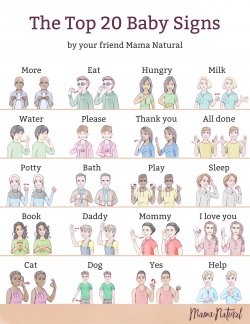
To effectively integrate BSL into daily life, caregivers typically start with a "Starter Set" of signs that address immediate physiological needs and high-interest objects.
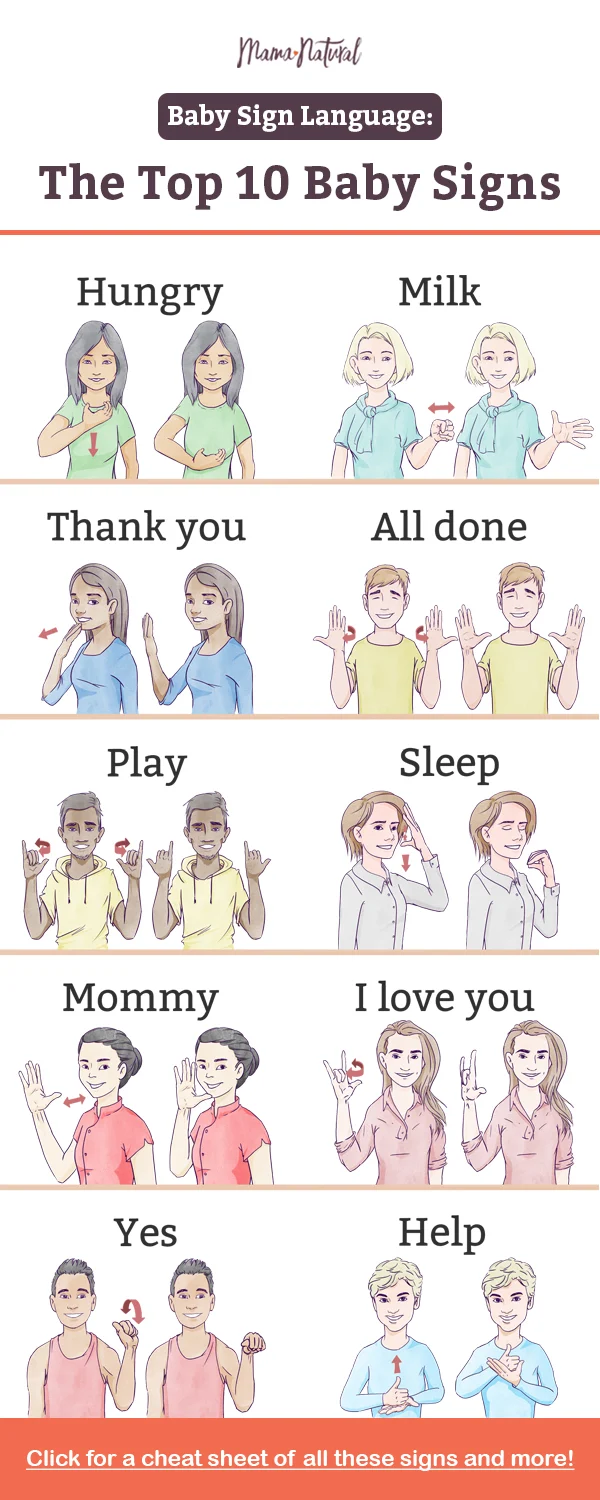
- More: This is often the first sign learned. It is performed by bringing the fingertips of both hands together repeatedly. It allows the child to request more food, play, or interaction.
- Eat: A simplified version of the ASL sign, involving tapping the fingertips to the lips. This distinguishes general hunger from the specific act of consuming solids.
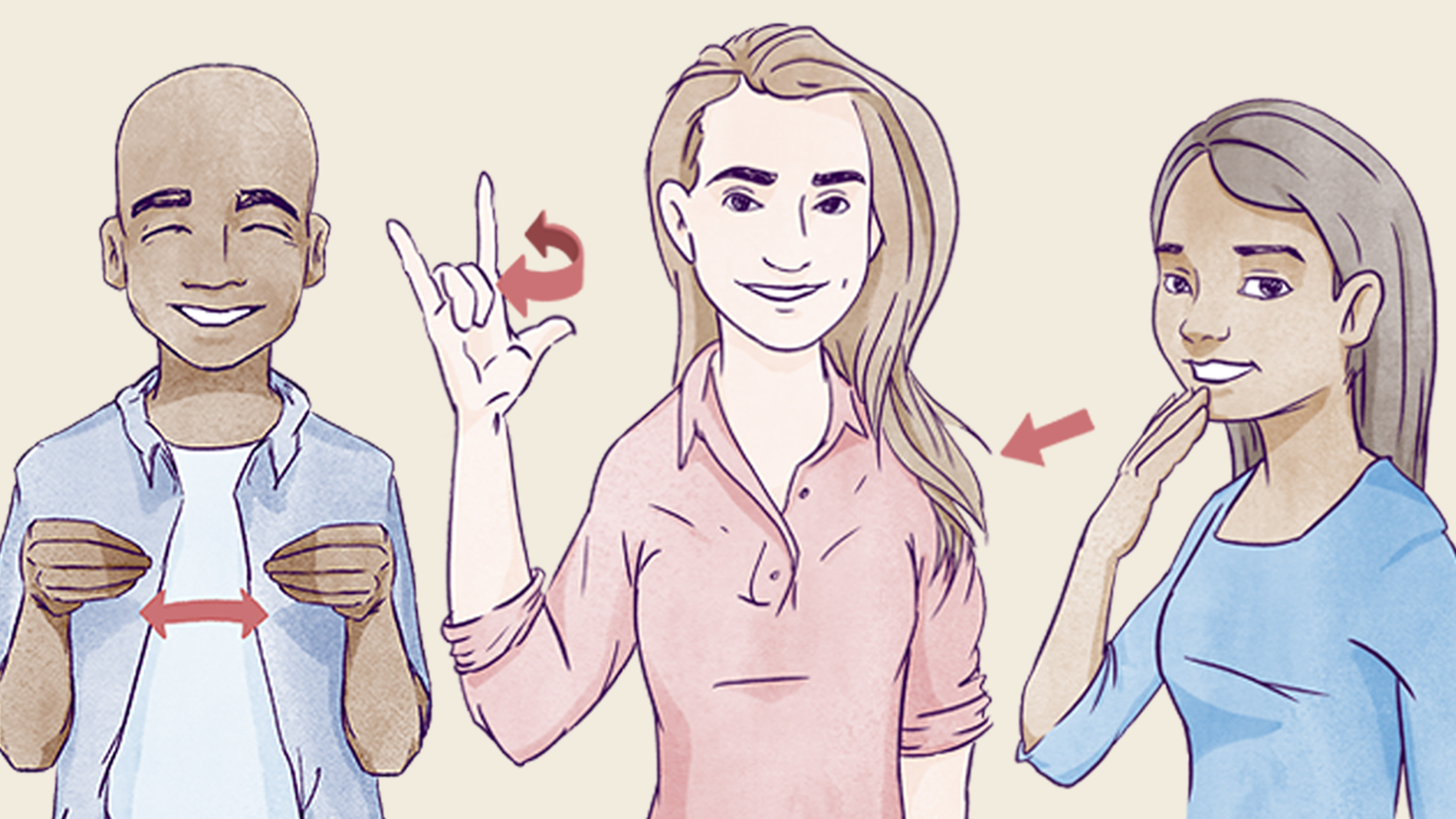
- Milk: Executed by making a squeezing motion with the hand, similar to milking a cow. This is a high-utility sign for infants who rely on breastfeeding or bottle-feeding.
- Water: Formed by making a "W" shape with the three middle fingers and tapping the index finger to the chin. This helps distinguish between different types of thirst.
- Hungry: A downward stroke of the hand from the throat to the stomach, mimicking the path of food.
- Please and Thank You: These social signs are crucial for early behavioral molding. "Please" involves a circular motion of the palm on the chest, while "Thank You" starts at the chin and moves outward, similar to blowing a kiss.
- All Done: A pivotal sign for ending mealtime or activities, performed by holding the hands up and twisting the palms from front to back. This reduces the likelihood of food being thrown when a child is finished.
- Bedtime/Sleep: Bringing the hand down over the face while closing the eyes, or resting the head on folded hands. This allows a child to communicate fatigue before they become "overtired" and difficult to soothe.
- Potty/Diaper Change: The sign for "Potty" involves shaking a fist with the thumb tucked between the index and middle fingers. The "Change" sign involves rotating hooked hands around each other, signaling a transition in hygiene.
- Family Identifiers (Mommy/Daddy): "Daddy" is signaled by tapping the thumb of an open hand to the forehead, while "Mommy" uses the same gesture on the chin. These are often the first "labels" a child uses to identify their primary caregivers.
- Environmental Signs (Dog/Cat/Book): These signs allow the child to comment on their world. "Dog" involves a pat on the leg and a snap, while "Cat" mimics the stroking of whiskers. "Book" is represented by the opening of joined palms.
Long-Term Implications for Literacy and Social Intelligence
The impact of baby sign language may extend beyond the toddler years. Some researchers argue that children who sign develop an earlier understanding of the symbolic nature of language, which can translate into better reading comprehension and literacy skills in primary school. Furthermore, the increased "eye contact" required for signing strengthens the emotional bond between parent and child, creating a foundation of secure attachment.
In terms of social intelligence, signing children are often more attuned to non-verbal cues and body language. This heightened sensitivity to the visual aspects of communication can lead to greater empathy and social awareness as the child matures.
Conclusion
Baby sign language represents a significant advancement in our understanding of infant cognition and the mechanics of language acquisition. By acknowledging that an infant’s mind is ready to communicate long before their voice is, parents can unlock a window into their child’s thoughts, needs, and personality. While it requires patience, repetition, and a dedicated commitment to modeling, the dividends—a calmer household, a more confident child, and a deeper familial connection—are supported by both anecdotal evidence and scientific inquiry. As a tool for early intervention, BSL stands as a testament to the human drive for connection, proving that even the smallest hands have much to say.
