

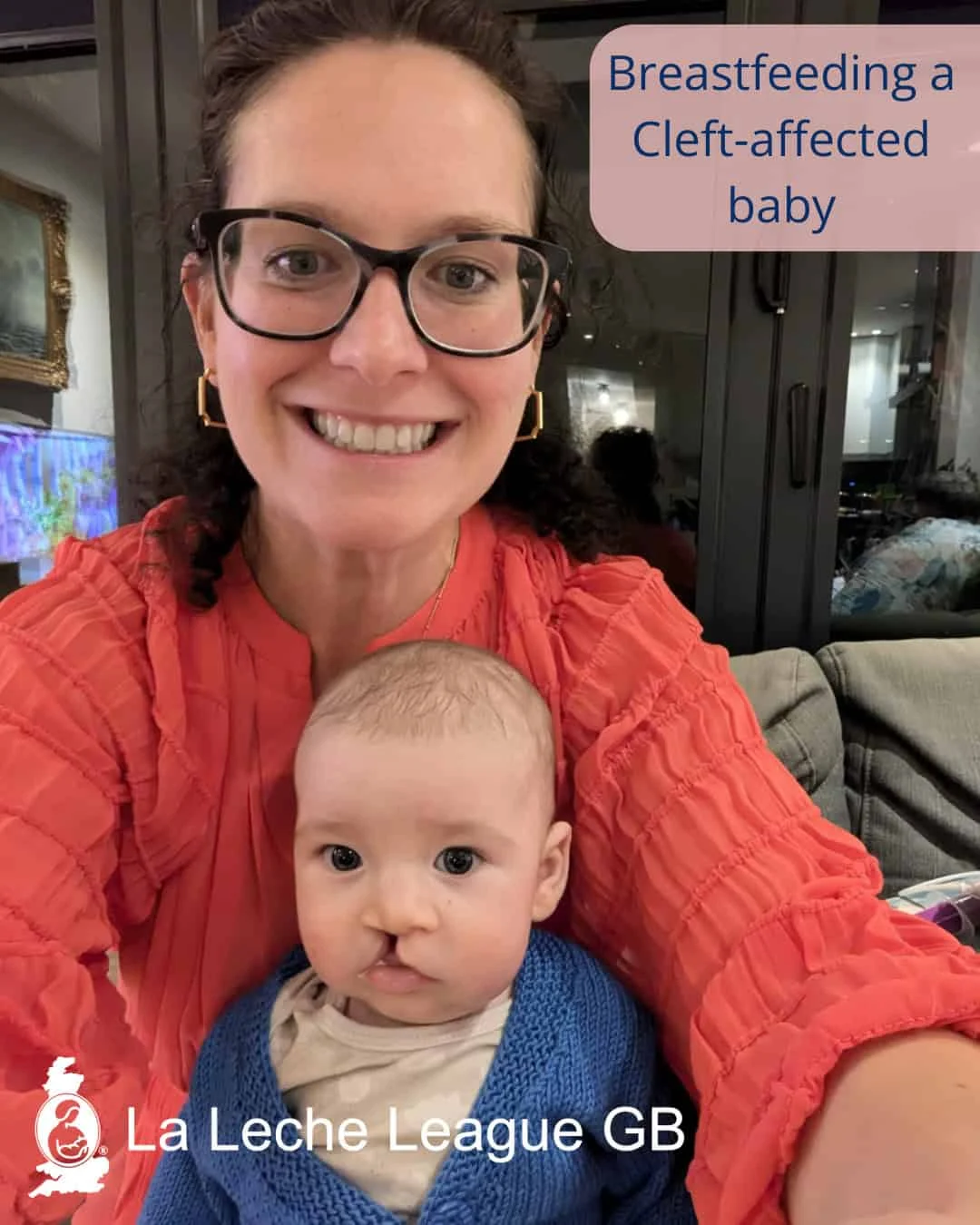
The journey of parenthood is often filled with unexpected turns, and for families welcoming a baby with a cleft lip or palate, the initial focus often shifts to understanding and adapting to immediate medical and feeding needs. A cleft lip or palate occurs when the structures forming a baby’s upper lip or the roof of their mouth (palate) fail to fuse completely during fetal development. This condition affects approximately 1 in 700 babies globally, making it one of the most common congenital anomalies. While many babies with a cleft lip can breastfeed with appropriate adaptations, those with a cleft palate often cannot generate the necessary suction pressure to effectively remove milk from the breast until surgical repair. This reality necessitates a comprehensive approach to infant feeding, emphasizing perseverance, expert guidance, and robust support systems to ensure optimal nutrition and maternal-infant bonding.
Understanding Cleft Lip and Palate: Background and Diagnosis
Cleft lip and palate are congenital malformations that originate in the early stages of pregnancy, typically between the fourth and ninth weeks of gestation. The primary cause is multifactorial, involving a complex interplay of genetic predispositions and environmental factors. Genetic factors can include specific gene mutations or chromosomal abnormalities, while environmental influences may encompass maternal smoking, alcohol consumption, certain medications (like anti-seizure drugs), and nutritional deficiencies (such as inadequate folic acid intake) during pregnancy.
Clefts can manifest in various forms:

- Cleft Lip: A separation in the upper lip, which can range from a small notch to a complete split extending into the nose. It can be unilateral (one side) or bilateral (both sides).
- Cleft Palate: An opening in the roof of the mouth, which can affect the hard palate (bony front part), the soft palate (fleshy back part), or both. This opening creates a direct connection between the mouth and the nasal cavity.
- Cleft Lip and Palate: A combination of both conditions, often the most complex presentation.
The diagnosis of cleft lip is frequently made during routine prenatal ultrasound scans, typically around 18 to 20 weeks of gestation. This early detection allows expectant parents and their healthcare providers to begin planning for the baby’s arrival, including consultations with a multidisciplinary cleft team. A cleft palate, particularly if isolated, can sometimes be harder to detect prenatally and may only be diagnosed after birth through visual inspection or when feeding difficulties become apparent. An early diagnosis is crucial as it enables parents to research, prepare emotionally, and establish connections with specialists who will guide them through their child’s care journey.
The Journey to Breastfeeding: A Chronology of Care
The feeding journey for a cleft-affected baby is often a dynamic process, evolving through different stages from prenatal planning to post-surgical recovery. Each phase presents unique challenges and opportunities for intervention and support.
1. Prenatal Planning and Preparation:
Upon receiving a prenatal diagnosis, prospective parents are typically introduced to a specialist cleft team. This team, comprising plastic surgeons, orthodontists, ENT specialists, speech and language therapists, specialist nurses, dietitians, and lactation consultants, works collaboratively to outline a comprehensive care plan. During this period, lactation consultants play a pivotal role in educating parents about potential feeding challenges and discussing strategies for breastfeeding or providing breast milk. This proactive approach helps alleviate anxiety and empowers parents with knowledge and practical tools even before their baby’s birth.
2. Immediate Post-Birth: Establishing Feeding Foundations:
The moments immediately following birth are critical for initiating feeding and bonding. Skin-to-skin contact is highly encouraged as it promotes maternal-infant attachment and can stimulate early milk production. For babies with a cleft lip, direct breastfeeding may be possible from the outset, though adaptations to positioning and latch might be necessary. The lactation consultant or specialist nurse will assess the baby’s ability to latch and transfer milk effectively.

However, for infants with a cleft palate, generating adequate suction is often impossible due to the opening in the roof of the mouth, which prevents the creation of a vacuum necessary for milk removal. In these cases, alternative feeding methods are introduced early. The first priority is to ensure the baby receives colostrum, the nutrient-rich "first milk," which is vital for immunity and gut development. Mothers are encouraged to begin expressing colostrum manually or with a pump within the first few hours after birth, which can then be fed to the baby via syringe, spoon, or specialized bottle.
3. Weeks Leading to Surgery: Maintaining Milk Production and Adaptive Feeding:
The period before corrective surgery, typically several months long, is arguably the most intensive phase for feeding management. Establishing and maintaining a full milk supply is paramount, whether the baby feeds directly at the breast, via alternative methods, or through expressed milk. Breast milk offers invaluable immunological benefits, which are even more critical for infants who will undergo surgery, as it aids in healing and reduces the risk of infections.
- Milk Production Strategies: The principle of supply and demand governs milk production. To establish a robust supply, mothers are advised to express milk frequently – ideally 8-12 times in 24 hours during the first month or so after birth. This frequent milk removal signals the body to produce abundant milk. A double electric "hospital-grade" breast pump is often recommended for its efficiency, and cleft specialist nurses may facilitate borrowing or renting such equipment. While challenging, consistent pumping in these early weeks lays the foundation for a sustained milk supply.
- Early Feeding Methods: As the baby’s milk intake increases daily, methods like syringes or teaspoons quickly become insufficient. Specialized feeding bottles designed for cleft-affected babies are often introduced. These bottles, such as the Medela SpecialNeeds Feeder (formerly Haberman feeder) or Dr. Brown’s Specialty Feeding System, feature one-way valves and elongated teats that allow the baby to express milk with compression rather than suction, making feeding less exhausting and more efficient. The cleft specialist nurse provides guidance on selecting the most appropriate bottle and teat for each baby’s unique oral anatomy.
- Nursing Supplementers (Supplemental Nursing Systems – SNS): These devices offer a profound opportunity for mothers to experience direct breastfeeding even when their baby cannot generate sufficient suction. A nursing supplementer involves a small tube taped to the breast, delivering supplemental milk (expressed breast milk, donor milk, or formula) as the baby latches and feeds at the breast.
- Benefits: SNS systems stimulate the mother’s milk supply, provide invaluable skin-to-skin contact, foster bonding, and allow the baby to associate the breast with satiety. Many mothers report a significant emotional uplift from being able to "breastfeed" their baby in this manner.
- Types: Systems range from simple syringe-based setups to gravity-fed bag or bottle systems. The choice depends on the baby’s needs and the mother’s preference.
- Practical Tips: Using an SNS requires patience and practice. It involves careful positioning, taping the tube correctly, and sometimes gently squeezing the reservoir to deliver milk, especially for babies with severe palate involvement. Support from a lactation consultant experienced with SNS is invaluable in mastering this technique. The testimonial of Sarah, a mother who successfully used a nursing supplementer with her cleft-affected baby, Russell, highlights the profound emotional and practical rewards: "A friend said she had wondered why I was going to all this effort to bridge the gap until potentially breastfeeding after Russ’s palate surgery, but on seeing us feed she said she got it: I was already breastfeeding." Such experiences underscore the significance of this adaptive feeding method.
- Feeding Positions: Finding a comfortable and effective feeding position is crucial. For cleft-affected babies, positions that allow for upright feeding and provide good head and neck support are often recommended. These include the football hold, cross-cradle hold, or laid-back feeding, which can help gravity assist milk flow and minimize nasal regurgitation. The specialist nurse or lactation consultant can demonstrate various positions and help parents discover what works best for their individual baby.
4. Feeding After Surgery: Relearning and Recovery:
Cleft lip repair typically occurs around 3-6 months of age, while palate repair usually takes place between 6-12 months. Post-surgery, babies may face a period of adjustment. While the palate repair enables them to generate suction, they may need several weeks to build strength, adapt to their new oral anatomy, and "re-learn" how to feed effectively at the breast. During this time, mothers are encouraged to continue expressing milk to maintain their supply, providing their baby with vital breast milk for healing and recovery. Gradual reintroduction to direct breastfeeding, often starting with short sessions, can help babies transition. Persistence and continued support are key to navigating this recovery phase successfully.
The Crucial Role of Support Networks
The journey of breastfeeding a cleft-affected baby is rarely undertaken alone. A robust support network is essential for both practical guidance and emotional well-being.

- Multidisciplinary Cleft Teams: These teams are the cornerstone of comprehensive care. Their coordinated approach ensures that all aspects of a child’s needs – from feeding and speech to surgical interventions and psychological support – are addressed by specialists working in concert.
- Lactation Consultants and La Leche League (LLL) Leaders: These professionals provide highly specialized support. LLL Leaders, in particular, offer mother-to-mother support and evidence-based information, helping parents troubleshoot feeding challenges, optimize milk supply, and adapt techniques. Their availability for personalized guidance, as highlighted in the original article, is a critical resource for families.
- Peer Support Groups: Connecting with other parents who have experience raising cleft-affected children offers invaluable emotional validation and practical advice. These communities provide a safe space to share experiences, challenges, and successes, reducing feelings of isolation.
- Mental Health Support: The emotional toll on parents of cleft-affected babies can be significant, ranging from anxiety about feeding and surgery to concerns about their child’s future development and appearance. Access to psychological support, either through the cleft team or external resources, is vital for maternal mental health and overall family well-being.
Broader Impact and Implications
The successful feeding of cleft-affected infants, particularly through breastfeeding or expressed human milk, carries significant public health, economic, and social implications.
- Public Health: Promoting breastfeeding for cleft-affected babies contributes to better health outcomes, including reduced incidence of ear infections (otitis media), improved oral development, and enhanced immune protection. This aligns with global health recommendations for breastfeeding. Increased awareness among healthcare providers about adaptive feeding techniques is crucial for improving care standards.
- Economic: While specialized equipment like hospital-grade pumps and unique bottles may incur initial costs, the long-term benefits of breastfeeding can lead to reduced healthcare expenditures by lowering the rates of illness and complications. For families, the emotional and physical health benefits can outweigh the logistical challenges.
- Social: Empowering mothers to breastfeed their cleft-affected babies helps destigmatize the condition and promotes inclusivity. Sharing success stories, like Sarah’s, can inspire other parents and challenge misconceptions about the feasibility of breastfeeding in such circumstances. It reinforces the idea that with adequate support, families can achieve their feeding goals, fostering stronger bonds and healthier infants.
Expert Perspectives and Recommendations
Medical professionals and lactation experts consistently emphasize several key recommendations for families navigating breastfeeding with a cleft-affected baby:
- Early and Consistent Support: Engage with the multidisciplinary cleft team and lactation consultants as early as possible, ideally prenatally.
- Prioritize Milk Production: Establish and maintain a robust milk supply through frequent expression, particularly in the initial weeks after birth.
- Explore Adaptive Feeding Methods: Be open to using specialized bottles or nursing supplementers to ensure adequate milk intake while fostering the at-breast experience.
- Patience and Perseverance: The feeding journey can be challenging and require significant effort. Celebrate small victories and seek continuous encouragement.
- Focus on Bonding: Regardless of the feeding method, prioritize skin-to-skin contact and interaction to strengthen the parent-infant bond.
- Seek Emotional Support: Acknowledge the emotional demands and utilize available mental health and peer support resources.
Conclusion

Breastfeeding a baby with a cleft lip or palate is undoubtedly a path less traveled, fraught with unique challenges that demand resilience, adaptability, and unwavering support. However, it is a journey that, for many families, culminates in profound rewards: the unparalleled nutritional and immunological benefits of human milk, the deep emotional connection fostered through at-breast feeding experiences, and the empowerment of overcoming significant obstacles. With the guidance of dedicated multidisciplinary cleft teams, the practical expertise of lactation consultants, the emotional solace of peer networks, and a mother’s resolute commitment, the aspiration of providing breast milk, and often direct breastfeeding, to a cleft-affected baby is not merely a possibility but a tangible reality, enriching the lives of both mother and child.
