

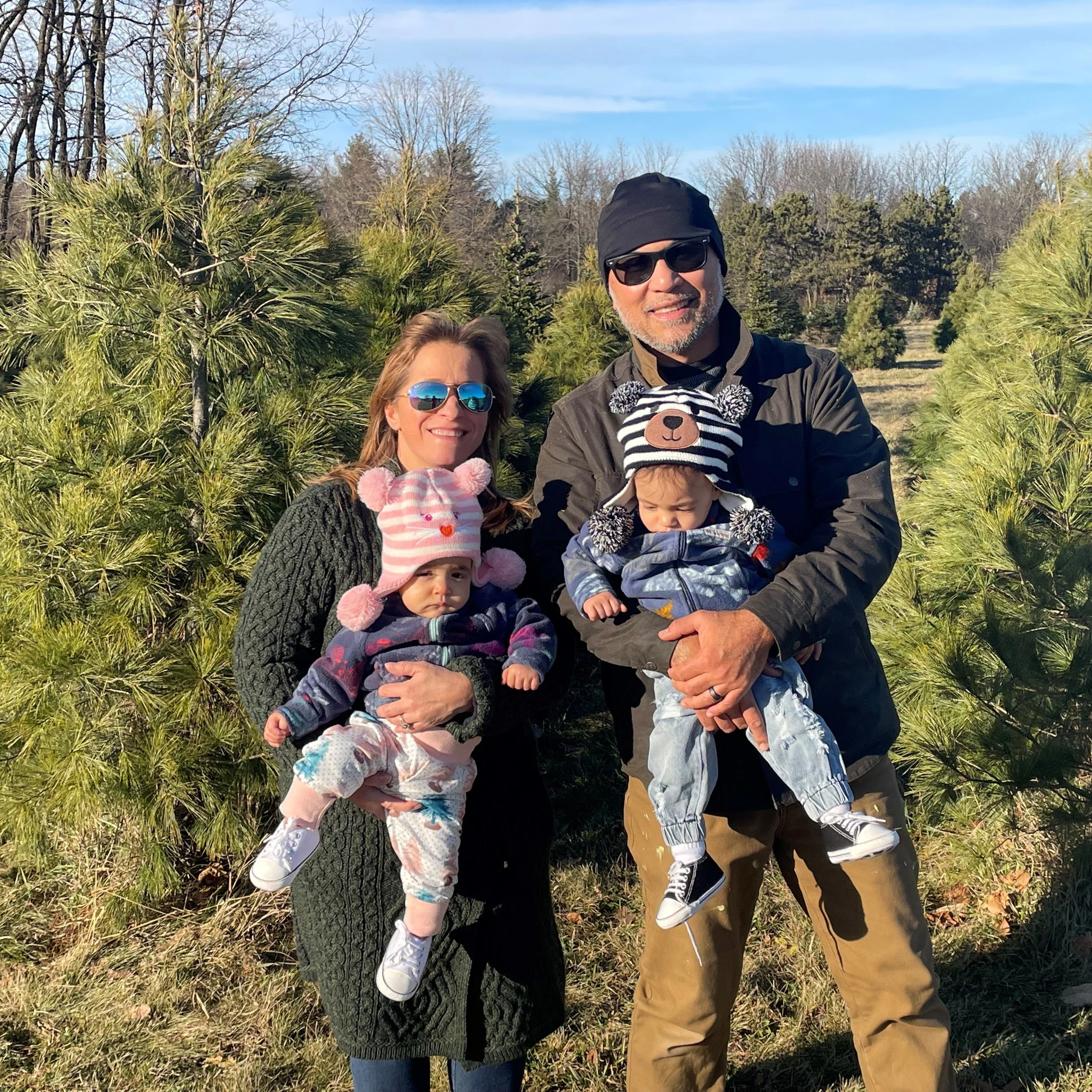
The landscape of modern fatherhood is undergoing a significant transformation, characterized by a shift from traditional authoritarian roles to more nurturing, emotionally present archetypes. This evolution is particularly evident in the narrative of a Filipino-American man whose journey to parenthood in his late 40s encapsulates the complexities of late-stage fertility, the medical challenges of preterm birth, and the rejection of cultural "machismo." His experience, marked by the early loss of his biological father and the profound influence of a multi-talented grandfather, serves as a case study for the broader sociological trends affecting the 21st-century family unit.
The Foundation of Paternal Identity and the "Renaissance" Model
The development of paternal identity often begins long before the arrival of a child, rooted in the observations of one’s own childhood caregivers. For many who grow up in father-absent households, the search for a masculine blueprint is often directed toward alternative figures. In this instance, the subject’s grandfather—described as a "superhero" and a "Renaissance man"—provided a model of masculinity that prioritized creativity, social engagement, and playfulness over the stoic, detached norms often associated with mid-century fatherhood.
Sociological research suggests that "skipped-generation" households, where grandparents play a primary role in upbringing, often produce children with a heightened sense of resilience and a diversified view of gender roles. By observing a grandfather who was "larger than life," the subject developed an early aspiration toward a mature, seasoned version of manhood. This "Renaissance" approach to life—embracing a wide array of skills and emotional intelligence—laid the groundwork for a nurturing paternal style that would later be tested by significant life hurdles.
The Demographics and Challenges of Delayed Fatherhood
The path to becoming a father is increasingly non-linear. Data from the National Center for Health Statistics (NCHS) indicates that the average age of first-time fathers in the United States has been steadily rising for three decades. For men in their late 40s, the journey often involves navigating the emotional "place of acceptance" regarding potential childlessness.
In this case, the transition from accepting a childless future to preparing for twins was facilitated by advancements in Assisted Reproductive Technology (ART). According to the Society for Assisted Reproductive Technology (SART), while much of the focus of fertility treatment remains on maternal age, paternal age and the emotional resilience of the couple are critical factors in the success of such interventions. After two failed marriages and a period of singlehood, the subject’s entry into fatherhood was not a biological inevitability but a hard-won victory over "countless setbacks."
The psychological shift required to move from a state of "peace with never becoming a father" to the "active imagination" of raising twins is a documented phenomenon in reproductive psychology. Experts suggest that late-life parents often bring a higher level of emotional stability and financial security to the role, though they must also contend with the physical demands of newborn care at an older age.
The Medical Crisis: Navigating the 29-Week Preterm Birth
The arrival of the subject’s twins at 29 weeks gestation represents a significant medical event categorized as "very preterm" by the World Health Organization (WHO). Births occurring before 32 weeks present a complex array of challenges for both the infants and the parents.
Chronology of a Preterm Birth Event:
- The Diagnosis: The realization that the twins would be born nearly 11 weeks early.
- The Delivery: Immediate transfer to a Level III or Level IV Neonatal Intensive Care Unit (NICU).
- The Stabilization Period: Balancing the "excitement of being a new father" with the "sheer worry" of infant vulnerability.
- The Nurturing Transition: Tapping into "natural nurturing" skills to provide skin-to-skin care and emotional support during the recovery phase.
Statistically, infants born at 29 weeks have a high survival rate—exceeding 90% in modern medical facilities—but they require intensive support for respiratory, feeding, and developmental issues. For the father, this period necessitated a rapid maturation of caregiving skills. The subject’s ability to remain "grateful" amidst the "uncertainty of fatherhood" aligns with what clinical psychologists term "post-traumatic growth," where the stress of a medical crisis strengthens the parental bond and clarifies life priorities.
Cultural Identity and the Rejection of Machismo
A central theme in this narrative is the intersection of Filipino cultural identity and modern masculinity. Traditional Filipino "machismo" often emphasizes a patriarch’s role as a provider and disciplinarian, sometimes at the expense of emotional vulnerability. However, the subject explicitly rejected this "shallow facade" in favor of a "feminine/nurturing" side.
In the context of the Filipino diaspora, this shift reflects a broader movement toward "Kapwa"—a core Filipino value of shared identity and togetherness—which, when applied to fatherhood, manifests as deep empathy and domestic partnership. By finding housework "meditative" and laundry "emotionally cleansing," the subject exemplifies the "New Father" archetype. This archetype is defined by a 200% accountability model: taking full responsibility for both the economic and domestic spheres of family life.
Market research and domestic studies show that households where fathers actively participate in chores and nurturing tasks report higher levels of marital satisfaction and better developmental outcomes for children. For this father, these tasks were not merely obligations but "honed skills" used to make the transition to family life "as smooth as possible."
The Psychological Legacy of the Grandfather
Despite the absence of his biological father, the subject’s grandfather remains a guiding force. This highlights the concept of "intergenerational transmission of parenting," where the values of a previous generation are adapted to fit modern circumstances. The grandfather’s lessons on "how to embrace hardship" and "how to accept the unknown courageously" provided a psychological toolkit for navigating the NICU and the complexities of raising twins.
The subject’s reflection on his grandfather’s absence in his adult life—stating he no longer has him to call for advice—is balanced by the internalisation of his grandfather’s "magic." This suggests that the quality of a male role model is more significant than the biological title that person holds. The "bouquet of flowers" metaphor used by the subject serves as a philosophical conclusion to his journey: it represents the synthesis of life lessons, regardless of their origin, into a coherent and beautiful reality.
Broader Implications for Modern Family Structures
The story of this Filipino-American father has several implications for how society views parenthood and masculinity:
- The Redefinition of "Late" Fatherhood: Being a father in one’s late 40s or 50s is no longer an anomaly but a growing demographic that requires specific social and medical supports.
- The Importance of Paternal Mental Health: The transition from infertility to the birth of high-risk twins underscores the need for mental health resources tailored to fathers, who often feel the need to remain the "strong" partner while suppressing their own trauma.
- Cultural Evolution: The rejection of machismo in favor of nurturing roles suggests that cultural identities are fluid and can be reconstructed to promote healthier family dynamics.
- Domestic Equality as a Skill Set: Viewing housework and childcare as "honed skills" rather than "help" for the mother is a critical step toward gender equality in the home.
Conclusion: A Paradigm of Accountability and Joy
In summary, the journey of this individual from a fatherless child to a father of twins born at 29 weeks provides a roadmap for modern paternal resilience. By leaning on faith, honoring the legacy of a "Renaissance" grandfather, and embracing the "feminine" aspects of caregiving, he has constructed a model of fatherhood that is both traditional in its accountability and progressive in its emotional depth.
As he navigates the "mysterious" reality where his own lack of a father "factored little" into his current success, he demonstrates that the cycle of absence can be broken. The focus remains not on the voids of the past, but on the "real joy for life" and the commitment to being present for the next generation. Like the flowers in his metaphor, his focus is simply on "being"—providing a stable, nurturing presence for his children regardless of the challenges that preceded their arrival. This narrative stands as a testament to the power of intentional fatherhood and the enduring impact of a positive male legacy.
