

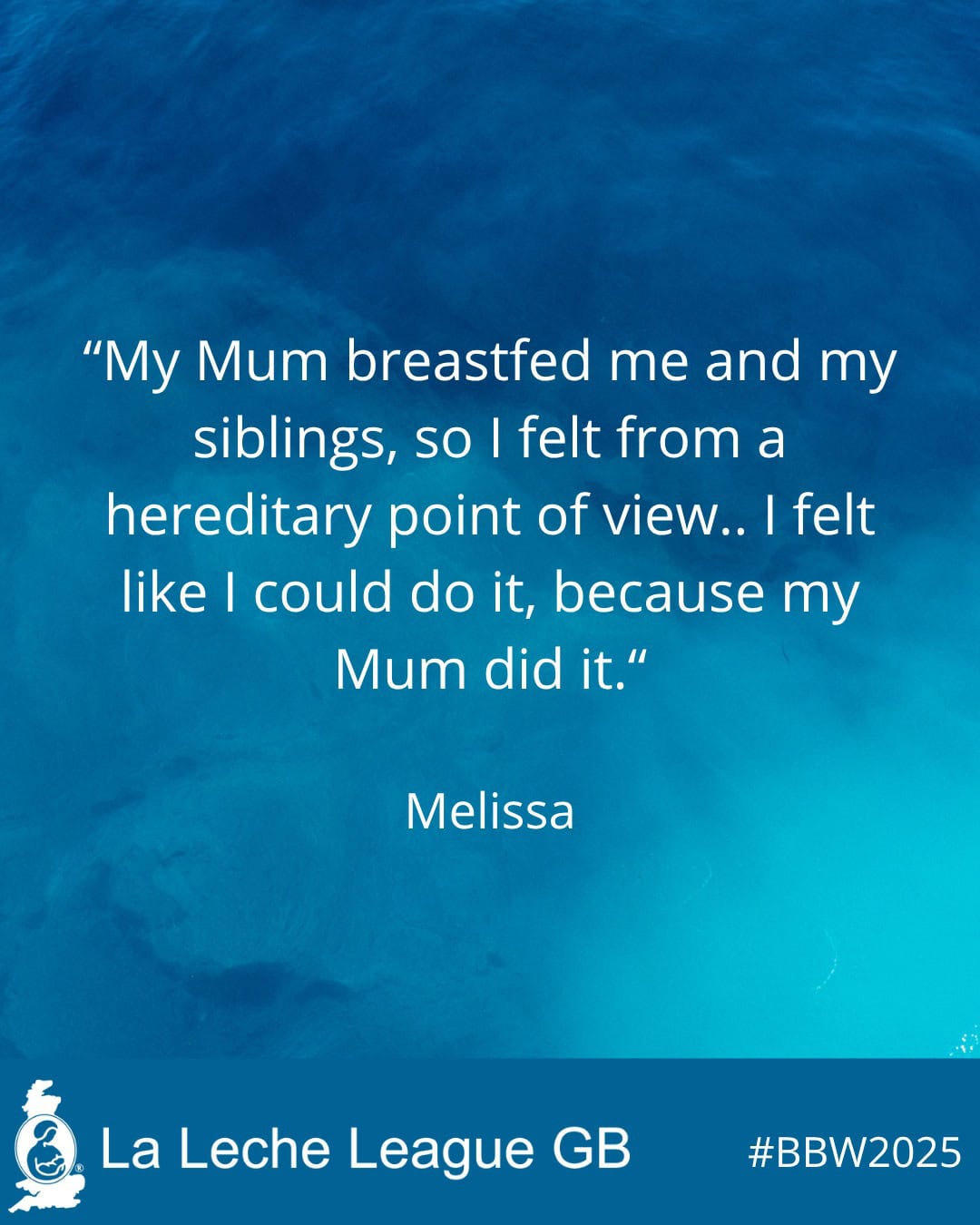
Black Breastfeeding Week, observed annually during the last week of August, serves as a vital platform to elevate the historically underrepresented voices and lived experiences of Black women in the breastfeeding landscape. This dedicated week aims to address significant disparities and foster supportive environments, recognizing that the act of breastfeeding is deeply intertwined with cultural identity, health equity, and community strength. Organizations like La Leche League (LLL) champion the power of personal narratives, understanding that sharing individual journeys connects mothers to a global network of peers, fostering mutual learning and support. The story of Melissa from London, a mother navigating her breastfeeding journey, offers a poignant illustration of the challenges and triumphs that Black mothers encounter, underscoring the urgent need for robust community infrastructure and culturally competent support.
The Genesis and Purpose of Black Breastfeeding Week
Black Breastfeeding Week was established in 2012 by Kiddada Green, Kimberly Seals Allers, and Anayah Sangodele-Ayoka. Its creation was a direct response to alarming racial disparities in breastfeeding rates and a profound lack of culturally relevant support and representation for Black women within mainstream breastfeeding initiatives. For decades, statistics have consistently shown that Black women in countries like the United States and the United Kingdom have lower rates of breastfeeding initiation and shorter durations compared to their white counterparts. This disparity is not merely a statistical anomaly but a reflection of systemic inequities, historical traumas, and ongoing societal challenges.
Historically, the experience of Black women and breastfeeding has been complex and often painful. During slavery, many Black women were forced to be wet nurses for white infants, often at the expense of nursing their own children. This exploitative practice contributed to a generational disconnect and a legacy of trauma surrounding breastfeeding within the Black community. In the post-slavery era, aggressive marketing of infant formula disproportionately targeted Black communities, further eroding traditional breastfeeding practices and fostering a perception that formula feeding was a sign of progress or economic advancement. These historical factors, combined with contemporary issues such as inadequate access to healthcare, lack of diverse lactation consultants, and implicit bias within medical systems, have created a landscape where Black mothers face unique barriers to successful breastfeeding. Black Breastfeeding Week seeks to counteract these historical and systemic challenges by celebrating Black lactating parents, providing targeted education, and advocating for policy changes that promote equitable support.
Understanding the Disparities: A Data-Driven Perspective
Data consistently highlights the persistent racial gaps in breastfeeding. In the United States, for example, while overall breastfeeding initiation rates have risen, significant disparities remain. According to the Centers for Disease Control and Prevention (CDC), Black infants have lower rates of breastfeeding initiation and continuation at six and twelve months compared to white infants. A 2021 CDC report indicated that 69.4% of Black infants were ever breastfed, compared to 85.3% of white infants and 84.1% of Hispanic infants. Similar patterns are observed in continuation rates. These disparities are not isolated to the US; studies in the UK and other Western nations reveal comparable trends, pointing to a global issue rooted in systemic racism and socio-economic determinants of health.
Several factors contribute to these persistent gaps. Systemic racism within healthcare systems often leads to Black women receiving less comprehensive breastfeeding education and support from medical professionals. Studies have shown that Black mothers are less likely to be offered lactation consultations in hospitals and may encounter healthcare providers who lack cultural competency. Additionally, Black women are disproportionately affected by factors such as returning to work earlier, often in jobs with less flexibility and fewer protections for nursing mothers, and living in communities with limited access to affordable, quality childcare. The absence of diverse representation among lactation consultants and breastfeeding advocates further compounds the issue, as mothers often seek support from those who share similar lived experiences and cultural understanding. The implications of these disparities are far-reaching, contributing to higher rates of chronic diseases such as type 2 diabetes, certain cancers, and cardiovascular disease in Black mothers, and increased risks of infant infections, asthma, and obesity in their children.
Melissa’s Journey: A Microcosm of Broader Experiences
Melissa’s audio reflections, recorded while she gently rocked her five-month-old to sleep, provide a powerful, intimate glimpse into the reality of breastfeeding as a Black mother in London. Her narrative, though individual, resonates with the collective experiences of countless others, embodying the themes Black Breastfeeding Week aims to amplify.
When asked why breastfeeding matters to her, Melissa likely touched upon themes of deep connection, the inherent health benefits for her child, and perhaps a personal sense of accomplishment or cultural reclamation. For many Black mothers, breastfeeding is not just a physiological act but a connection to ancestral practices, a defiance against historical exploitation, and an act of self-determination in a world that often undermines their choices.
Her perception of breastfeeding prior to her own children, and whether others in her family had breastfed, speaks to the generational impact of historical trauma and systemic barriers. Many Black women grow up in environments where breastfeeding is not the norm, either due to past societal pressures, formula marketing, or the absence of visible role models. Breaking this cycle often requires significant personal commitment and a re-education that may not be readily available.
The attitudes of friends and family towards breastfeeding are crucial. While some mothers find unwavering support, others face skepticism, well-meaning but misinformed advice, or even direct discouragement. Societal norms, often shaped by limited exposure to breastfeeding and the pervasive influence of formula advertising, can create an isolating environment. Melissa’s experience likely reflects the delicate balance between seeking validation and forging her own path amidst differing opinions.
Her reflections on what she wished she had known and the barriers she faced are central to understanding the systemic challenges. Common barriers include latch difficulties, pain, insufficient milk supply concerns (often perceived rather than real), lack of sleep, the physical demands of feeding around the clock, and the mental load of parenting. For Black mothers, these challenges are often compounded by experiences of racial bias in healthcare, a lack of trust in medical institutions, and insufficient support from healthcare providers who may not understand their specific needs or cultural context. The absence of adequate parental leave policies and workplace accommodations further exacerbates these difficulties, particularly for mothers who must return to work early.
Melissa’s journey to find useful sources of help and support underscores the critical role of organizations like La Leche League. Such groups offer evidence-based information, practical advice, and, most importantly, emotional sustenance through peer support. Lactation consultants, culturally sensitive doulas, and online communities also play an indispensable role in providing guidance and reassurance. These resources become lifelines, empowering mothers to overcome obstacles and continue their breastfeeding journeys.
Finally, her account of building a supportive community highlights the transformative power of connection. In an often isolating journey, finding like-minded individuals—mothers who understand the joys and struggles, who offer non-judgmental encouragement and practical tips—is invaluable. This community can be found in local LLL meetings, online forums, or through personal networks, serving as a vital buffer against societal pressures and a source of enduring strength.
The Indispensable Role of Community and Support Networks
The experience of Melissa and countless other Black mothers unequivocally demonstrates that breastfeeding success is not solely an individual endeavor but a collective one, deeply reliant on robust community and systemic support. Organizations like La Leche League International and its local chapters, such as LLLGB (La Leche League Great Britain), are foundational in this ecosystem. Their mission extends beyond providing information on latch and milk supply; they cultivate safe spaces where mothers can share their vulnerabilities, celebrate their successes, and find solidarity.
LLL’s peer-to-peer support model is particularly effective because it empowers experienced mothers to guide and uplift new parents, fostering a sense of belonging and shared understanding. This model is crucial for Black mothers who may find greater comfort and trust in connecting with peers who can relate to their cultural background and specific challenges. Beyond LLL, various initiatives, such as Black-led lactation groups, culturally specific doula services, and online platforms, are emerging to fill critical gaps in support. These organizations not only offer practical advice but also work to decolonize breastfeeding narratives, celebrate diverse feeding journeys, and advocate for systemic change. The presence of Black lactation consultants and leaders within these organizations is paramount, providing role models and ensuring that advice is delivered with cultural humility and relevance.
Broader Implications and the Path Forward
The visibility and advocacy fostered by Black Breastfeeding Week and the stories it highlights, like Melissa’s, have profound broader implications for public health and social justice. Addressing the disparities in breastfeeding rates among Black women is not merely about promoting a feeding method; it is about advancing health equity, challenging systemic racism within healthcare, and empowering a historically marginalized community.
From a public health perspective, increasing breastfeeding rates among Black mothers can lead to significant improvements in maternal and infant health outcomes, reducing the incidence of chronic diseases and improving overall well-being. Economically, successful breastfeeding can reduce healthcare costs associated with infant illness and maternal health complications. Socially, it represents a powerful act of empowerment, allowing Black women to reclaim agency over their bodies and their children’s health.
The calls to action stemming from these observations are multifaceted. There is an urgent need for increased funding for culturally competent lactation support services, including expanding access to Black lactation consultants and doulas. Healthcare institutions must implement comprehensive anti-racism training for all staff and develop protocols that ensure equitable access to breastfeeding education and support for Black mothers. Policy changes are also critical, including extending paid parental leave, mandating workplace accommodations for nursing parents, and regulating aggressive formula marketing practices that disproportionately target vulnerable communities. Furthermore, public health campaigns need to diversify their imagery and messaging to reflect and celebrate the rich diversity of breastfeeding experiences, ensuring that Black mothers see themselves represented and valued.
The story of Melissa, navigating her breastfeeding journey and finding her community, is more than an individual anecdote; it is a testament to the resilience of Black mothers and a powerful reminder of the ongoing work required to achieve true health equity. Black Breastfeeding Week serves as a beacon, illuminating the path forward through education, advocacy, and the unwavering power of community. By continuing to amplify these voices and dismantle systemic barriers, society can move closer to a future where every mother, regardless of her race or background, receives the support she needs to achieve her breastfeeding goals.