

The landscape of children’s literature is undergoing a significant transformation, with a growing emphasis on reflecting the rich tapestry of our world within the pages of books. While beloved stories have long been a staple in childhood development, a critical examination of representation reveals a persistent imbalance. For decades, research and industry reports have consistently highlighted the overrepresentation of white, male characters in children’s books, even in narratives featuring animal or anthropomorphic protagonists. This disparity underscores the urgent need for a broader spectrum of voices and experiences to be authentically portrayed, ensuring that all children can see themselves and their communities reflected in the stories they cherish. This article explores a selection of children’s books that not only resonate with young readers but also actively champion diversity across race, gender, ability, and sexuality, offering valuable insights into why such representation is not merely a trend but a fundamental necessity for fostering empathy, understanding, and inclusivity.
The Imperative of Diverse Representation in Children’s Books
The importance of diverse representation in children’s literature extends far beyond simply checking boxes. It plays a crucial role in shaping a child’s worldview, self-perception, and understanding of others. When children encounter characters who share their backgrounds, they experience validation and a sense of belonging. Conversely, a lack of representation can lead to feelings of invisibility or marginalization.
Data from organizations like the Cooperative Children’s Book Center (CCBC) at the University of Wisconsin-Madison has consistently shown a significant underrepresentation of characters of color and LGBTQ+ characters in children’s books. For instance, CCBC’s annual diversity statistics have, for many years, indicated that characters from marginalized racial and ethnic groups constitute a small single-digit percentage of the total characters in books published for children and young adults. Similarly, the representation of characters with disabilities and LGBTQ+ identities has historically been even more limited.
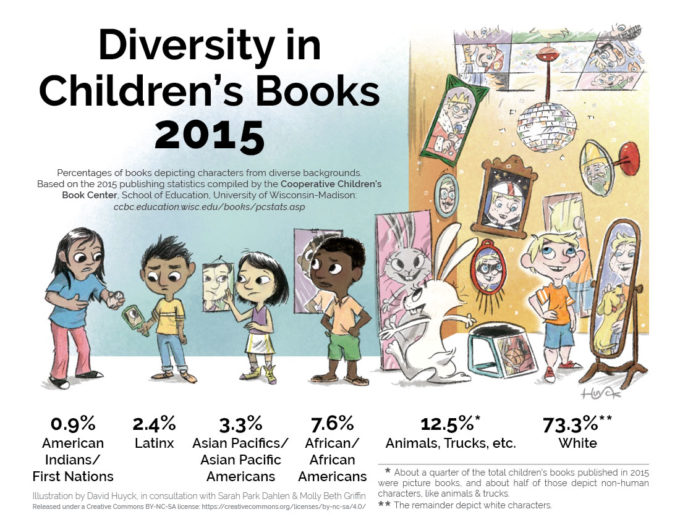
This imbalance is not an oversight but a systemic issue that can have profound implications. Children’s books are powerful tools that can introduce young minds to different cultures, perspectives, and ways of life. When these narratives predominantly feature a narrow demographic, they inadvertently communicate to children that certain identities and experiences are more significant or normative than others. This can perpetuate stereotypes, limit empathy, and hinder the development of critical social awareness.
The current literary environment, while showing progress, still grapples with the legacy of a publishing industry that has historically catered to a dominant cultural narrative. An analysis of children’s book awards, bestseller lists, and publisher submissions often reveals a disproportionate number of stories centered on protagonists from majority groups. This has prompted educators, librarians, parents, and advocacy groups to actively seek out and promote books that offer a more inclusive reflection of society. The call for diversity is not a demand for tokenism but a fundamental recognition that a truly enriching literary experience for children must mirror the complexity and beauty of the world they inhabit.

Foundational Narratives for Early Learners: Cultivating Inclusivity from Infancy
The early years of a child’s life are critical for developing foundational understandings of the world. Introducing diverse characters and themes in board books and picture books for babies and toddlers can lay the groundwork for a lifelong appreciation of difference. These stories, often characterized by simple language, engaging illustrations, and relatable concepts, offer accessible entry points into the broader themes of diversity and inclusion.
"Not Quite Narwhal" by Jessie Sima, for instance, explores themes of belonging and family through the story of a creature who feels different. While not explicitly a story about racial or gender diversity, it touches upon the universal experience of feeling unique and finding acceptance, resonating with children who may feel they don’t quite fit in. The narrative’s emphasis on unconditional love and the embrace of individuality offers a gentle introduction to the idea that differences can be celebrated.
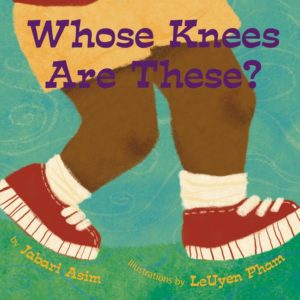
"Whose Knees are These?" is a simple board book that, through its playful rhymes and focus on body parts, can implicitly introduce a variety of children. By showcasing different children’s knees, it subtly highlights the diversity of human form and appearance. Such books, while seemingly straightforward, contribute to normalizing the presence of children from various backgrounds in everyday narratives.
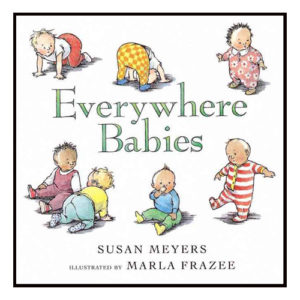
"Everywhere Babies" by Susan Meyers, with illustrations by Caldecott Honor recipient Rachel Griffiths, offers a vibrant and inclusive portrayal of babies from diverse backgrounds. The book celebrates the universal experiences of infancy – feeding, sleeping, playing – through a lens of racial and ethnic diversity. This visual representation ensures that babies of all colors and ethnicities are seen and acknowledged, reinforcing the idea that all babies are precious and worthy of representation. The book’s simple yet profound message highlights shared human experiences across diverse populations.
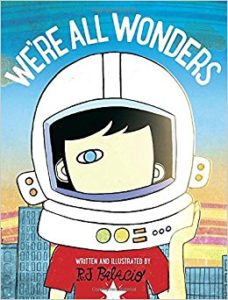
"We’re All Wonders" by R.J. Palacio, adapted from the acclaimed novel "Wonder," introduces younger readers to Auggie Pullman, a character with facial differences. This book, and its predecessor for older children, directly addresses themes of disability and acceptance. It teaches children to look beyond physical appearances and to recognize the inherent worth and unique qualities of every individual. The narrative empowers children to be kind and understanding, fostering empathy for those who may be perceived as different. The core message of "Wonder" is that everyone deserves to be treated with compassion and respect, regardless of their differences.
Illuminating the World for Preschoolers: Stories that Champion Individuality and Community
As children enter the preschool years, their capacity for understanding more complex social dynamics and personal narratives expands. Books for this age group can delve deeper into themes of individuality, cultural identity, and the interconnectedness of communities, all while maintaining an engaging and age-appropriate tone.
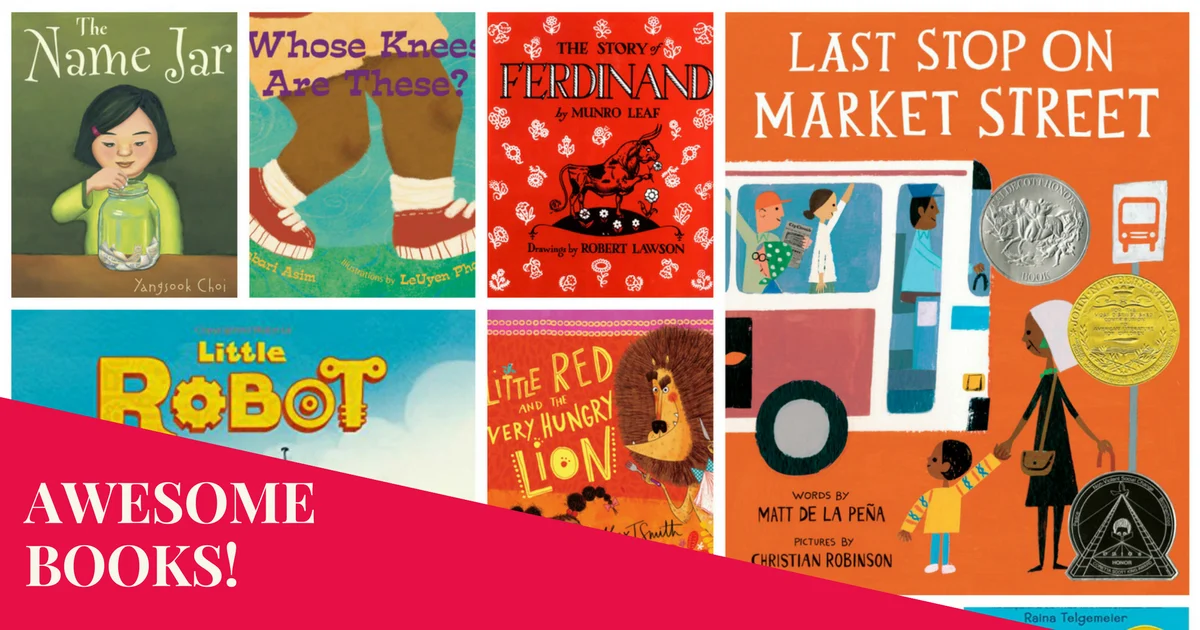
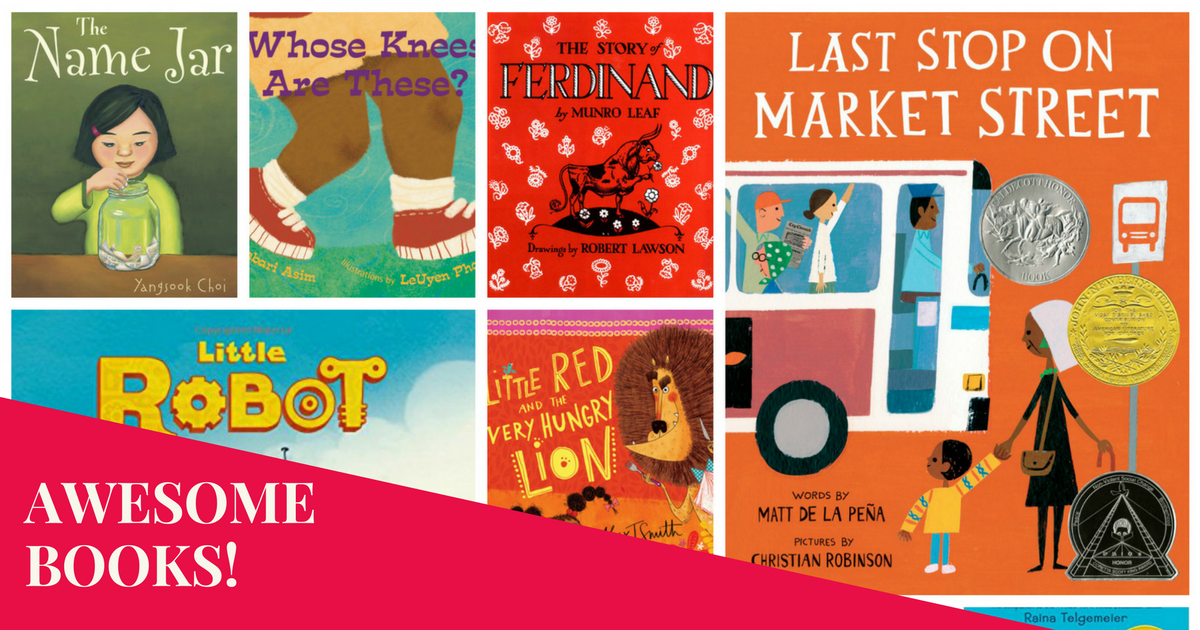
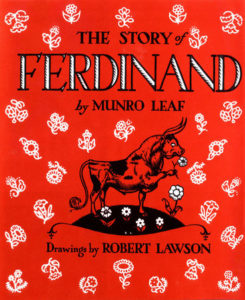
"The Story of Ferdinand" by Munro Leaf is a timeless classic that champions non-conformity. Ferdinand, a bull who prefers smelling flowers to fighting, challenges the traditional expectations of his kind. This narrative subtly encourages children to embrace their own unique interests and personalities, even if they differ from societal norms. It underscores the value of gentleness and peace in a world that often prizes aggression. The enduring popularity of Ferdinand speaks to a universal desire for acceptance of individual temperament.
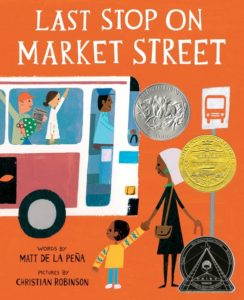
"Last Stop on Market Street" by Matt de la Peña, illustrated by Christian Robinson, is a powerful Newbery Medal winner that celebrates the beauty of everyday life and the importance of intergenerational connection. The story follows CJ and his grandmother on their bus ride, where CJ learns to find wonder and beauty in the ordinary, from the graffiti art on the bus to the music emanating from a blind man’s saxophone. The book is praised for its authentic portrayal of a Black family and its positive depiction of community and finding joy in diverse urban environments. Robinson’s vibrant illustrations further enhance the book’s message of embracing the richness of everyday experiences.
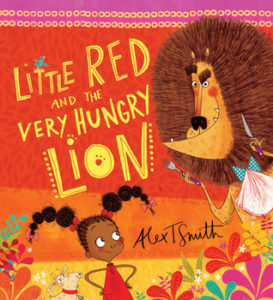
"Little Red and the Very Hungry Lion" by Alexia T. Miller offers a delightful twist on a familiar fairy tale. Set in a vibrant African jungle, it features a strong, resourceful protagonist and a humorous confrontation with a not-so-fierce lion. The story’s lush illustrations and playful narrative make it a captivating read for young children, introducing them to a different cultural setting and a more empowering version of a classic tale, demonstrating that heroism can come in many forms and from diverse backgrounds.
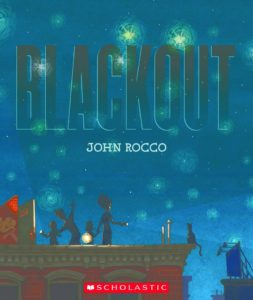
"Blackout" by John Rocco, a Caldecott Honor book, tells the story of a family whose evening is transformed when a power outage forces them to disconnect from their devices and reconnect with each other and their community. While not explicitly focused on a specific diversity theme, it highlights the universal experience of family bonding and the importance of human connection, particularly in a society increasingly reliant on technology. The book’s wordless or sparsely worded nature allows for broad interpretation and engagement from young readers.
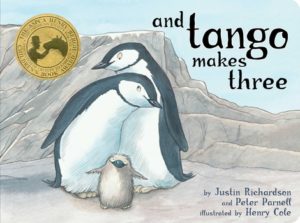
"And Tango Makes Three" by Justin Richardson and Peter Parnell is a true story about two male penguins at the Central Park Zoo who form a pair and are given an egg to raise. This book is a pioneering work in introducing same-sex parent families to young children in an accessible and heartwarming way. It normalizes diverse family structures and promotes the message that love and family are defined by care and commitment, not by traditional molds. Its publication was a significant moment in the inclusion of LGBTQ+ families in children’s literature.
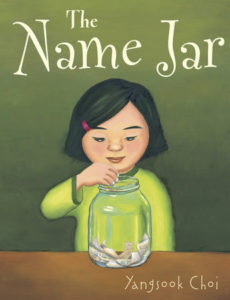
"The Name Jar" by Yangsook Choi addresses the challenges of cultural adjustment and identity. Unhei, a young girl who has recently moved from Korea, worries about her new classmates being able to pronounce her name. The story beautifully illustrates the anxieties of being an immigrant and the process of finding one’s place in a new culture. It celebrates the importance of retaining one’s heritage while also navigating a new identity, promoting understanding and acceptance of names and backgrounds from different cultures.
"The Snowy Day" by Ezra Jack Keats, a Caldecott Medal winner, is a landmark book for its depiction of a young Black boy, Peter, experiencing the simple joys of a snowy day in his urban neighborhood. At the time of its publication in 1962, it was groundbreaking for its inclusion of a Black protagonist in a mainstream children’s book without making race the central theme. The book’s enduring appeal lies in its quiet beauty, its celebration of childhood wonder, and its subtle yet powerful representation of diversity in a beloved classic.
"Little Robot" by Ben Hatke, a wordless picture book, tells the story of a small robot who is befriended by a curious and kind-hearted girl. The narrative unfolds through expressive illustrations, highlighting themes of friendship, empathy, and connection across perceived differences. The relationship between the robot and the girl, devoid of explicit dialogue, emphasizes the universal language of kindness and companionship. Hatke’s work consistently features strong, relatable characters, often showcasing interspecies or inter-being friendships.
Expanding Horizons for Older Children: Complex Themes and Relatable Journeys
As children grow older, their literary tastes mature, and they become capable of engaging with more complex narratives that explore nuanced themes of identity, belonging, and social issues. Books for older children can offer profound insights into the experiences of diverse characters, fostering critical thinking and a deeper understanding of the world.
"Zita the Spacegirl" trilogy by Ben Hatke features a spirited and resourceful protagonist who embarks on an epic adventure across space. Zita, a loyal Earth girl, finds herself in extraordinary circumstances, befriending alien creatures and navigating intricate interstellar politics. These graphic novels are celebrated for their strong female lead, engaging plot, and the exploration of themes like courage, friendship, and responsibility. Hatke’s ability to create flawed yet lovable characters and compelling narratives makes these books a consistent favorite among young readers, demonstrating that adventure stories can feature dynamic and diverse protagonists.
"Mighty Jack" by Ben Hatke is a creative retelling of the Jack and the Beanstalk story, reimagined with a contemporary sensibility. A central element of the narrative is Jack’s sister, Maddy, who has autism and is nonverbal. Her relationship with Jack is integral to the plot, offering a nuanced portrayal of sibling bonds within a family dealing with neurodiversity. The book also touches upon themes of divorce and the complexities of family dynamics. Its blend of fantasy, adventure, and realistic emotional depth makes it a compelling read for older children, highlighting how diverse family structures and neurodevelopmental differences can be woven into engaging storylines.
"El Deafo" by Cece Bell is a Newbery Honor-winning graphic novel that tells the semi-autobiographical story of a young girl who loses her hearing and navigates the world with a bulky hearing aid. Bell uses the metaphor of a superhero, "El Deafo," to explore her feelings of being different and her rich inner fantasy life. The book honestly addresses themes of disability, social isolation, and the search for acceptance, all while maintaining a humorous and engaging tone. It empowers children with disabilities by showing them they can be heroes in their own stories and encourages all children to understand and empathize with the experiences of others.
"Sisters" by Raina Telgemeier is a highly popular graphic novel that delves into the complexities of sibling relationships, particularly the dynamic between two sisters on a road trip to visit family. Telgemeier’s work is known for its relatable portrayal of childhood anxieties, friendships, and family dynamics. While "Sisters" focuses on the rivalry and eventual understanding between siblings, other books by Telgemeier, such as "Ghost" (featuring a protagonist with cystic fibrosis) and "Drama" (which includes a character exploring his sexuality), further expand her repertoire of diverse characters and themes. These books resonate deeply with young readers due to their authentic voice, humor, and engaging artwork, making them excellent vehicles for discussing diverse experiences.
Conclusion: Building a More Inclusive Literary Future
The curated list of books presented here represents a fraction of the burgeoning landscape of children’s literature that actively embraces diversity. The consistent thread running through these narratives is the understanding that children’s books are not merely entertainment but powerful tools for shaping perceptions, fostering empathy, and building a more inclusive world. As parents, educators, librarians, and creators continue to advocate for greater representation, the hope is that future generations will grow up with a literary diet that truly reflects the vibrant and multifaceted world they inhabit. The ongoing dialogue and demand for diverse stories are not fleeting trends but essential components of a conscious effort to ensure that every child can find themselves within the pages of a book, and in doing so, learn to appreciate and celebrate the diversity that enriches us all. The journey towards comprehensive representation is ongoing, and the continued sharing of beloved, diverse books in communities and online forums remains crucial for its advancement.
