

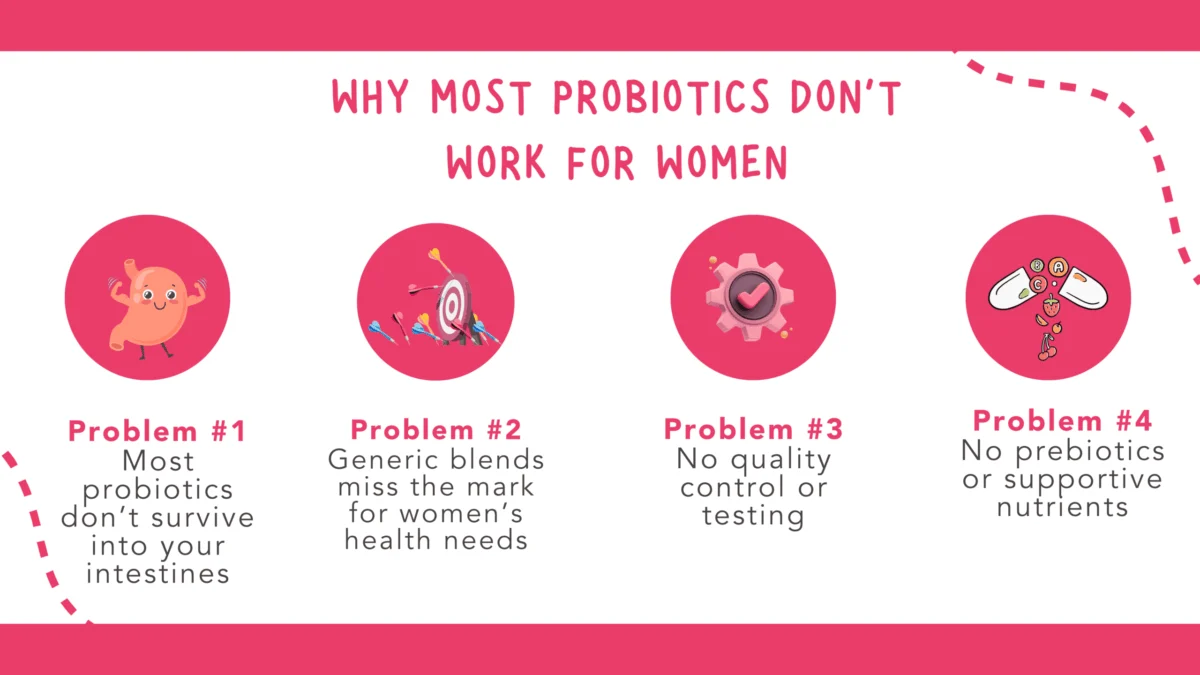
The global probiotic market, currently valued at over $70 billion and projected to grow significantly by 2030, has successfully permeated the health and wellness consciousness of the modern consumer. Marketing campaigns frequently promise a range of physiological benefits, from improved digestive efficiency and enhanced immune response to clearer skin and stabilized moods. However, a growing body of clinical research and consumer reports suggests a significant disconnect between these marketing claims and the actual biological efficacy of many over-the-counter products. For women in particular, the failure of standard probiotic supplements is often rooted in a lack of gender-specific formulation, inadequate survival rates of live cultures through the digestive tract, and systemic issues regarding quality control within the supplement industry.
The Physiological Barrier: Gastric Acid and the Survival of Live Cultures
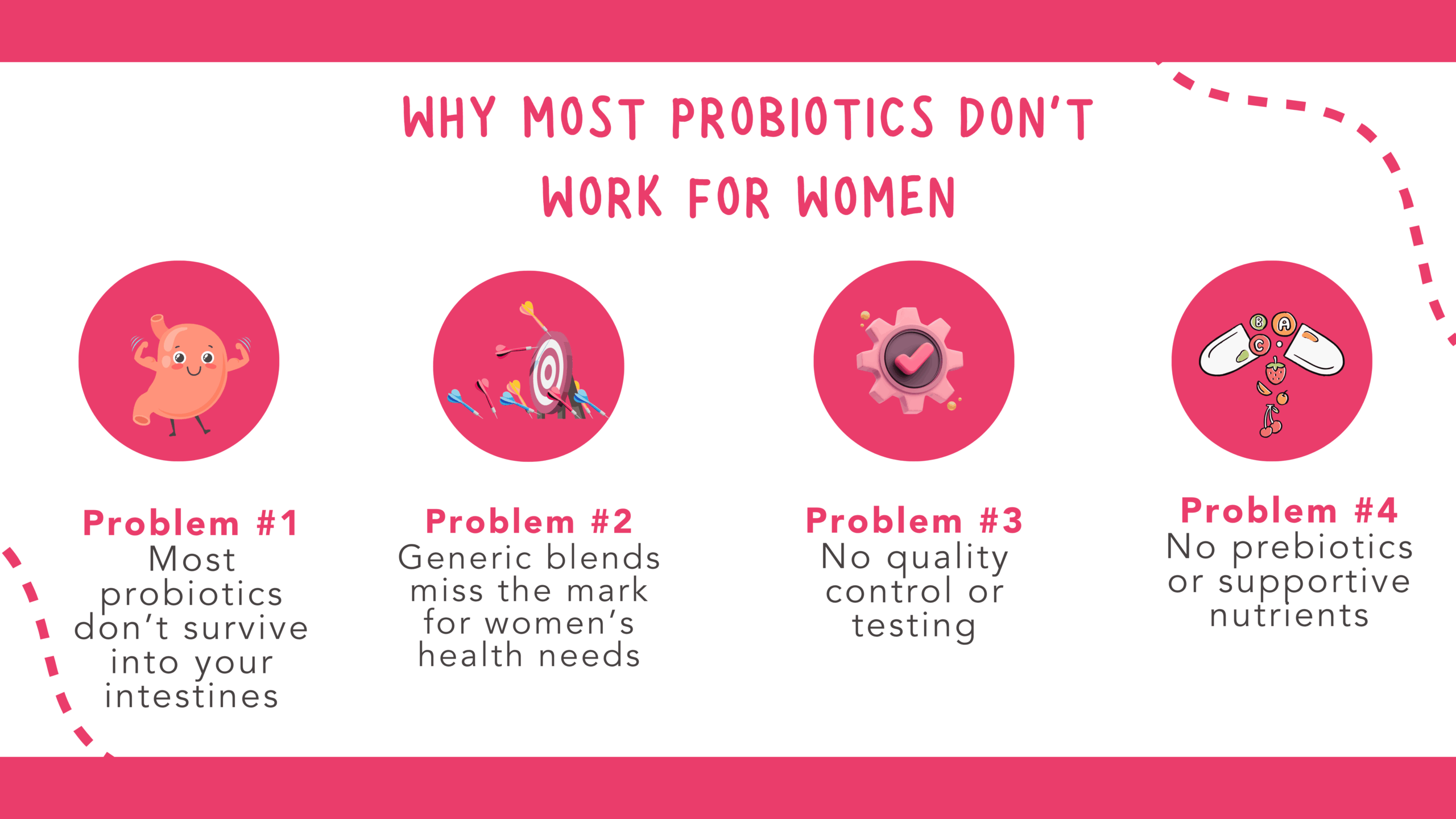
The primary hurdle for any oral probiotic is the highly acidic environment of the human stomach. Gastric acid, which maintains a pH typically ranging from 1.5 to 3.5, serves as a critical biological defense mechanism designed to break down proteins and neutralize potentially harmful pathogens. Unfortunately, this hostile environment does not distinguish between beneficial bacteria and harmful microbes. Many standard probiotic capsules dissolve prematurely, exposing the delicate live cultures to hydrochloric acid and pepsin long before they reach the small or large intestines.
To mitigate this, pharmaceutical-grade formulations have begun employing a strategy known as "potent overage." This process involves packing a significantly higher number of Colony Forming Units (CFUs) into each dose than the amount listed as effective on the label. By accounting for the inevitable attrition caused by stomach acid, manufacturers can ensure that a therapeutic threshold of bacteria actually reaches the "gut garden"—the intestinal microbiome where these organisms are intended to colonize. This approach prioritizes robust, resilient strains over the use of complex enteric coatings, which can sometimes fail to dissolve at the correct stage of the digestive process.
The Specificity Gap: Addressing the Unique Female Microbiome
A significant critique of the probiotic industry is the prevalence of "one-size-fits-all" blends. Clinical data indicates that women’s biological needs are distinct and fluctuate based on hormonal cycles, life stages, and specific susceptibility to certain conditions. The female body requires support not only for the gastrointestinal tract but also for the vaginal microbiome and the urinary tract, systems that are often overlooked by generic probiotic products.
The vaginal microbiome is dominated by the Lactobacillus genus, which maintains a low pH to inhibit the growth of pathogenic bacteria and yeast. When generic probiotics focus solely on digestive strains, they may fail to provide the specific species necessary to support urogenital health. Research has identified several key strains that offer targeted benefits for women:
- Lactobacillus rhamnosus: Extensively studied for its ability to survive the transit to the vaginal tract and its role in preventing bacterial vaginosis and urinary tract infections (UTIs).
- Lactobacillus reuteri: Known for its antimicrobial properties and its ability to modulate the immune system and support vaginal flora balance.
- Lactobacillus gasseri: A strain frequently found in the healthy vaginal tracts of reproductive-age women, associated with maintaining acidic balance and potentially supporting metabolic health.
- Bifidobacterium longum: Crucial for intestinal barrier function and reducing systemic inflammation, which can be a factor in hormonal acne and digestive distress.
Without these targeted strains, women may find that while their digestion improves slightly, other health concerns—such as recurring yeast infections or hormonal skin issues—remain unaddressed.
Quality Control Discrepancies and Regulatory Challenges
The dietary supplement industry operates under a different regulatory framework than pharmaceutical drugs. In the United States, the Food and Drug Administration (FDA) does not approve dietary supplements for safety or effectiveness before they are marketed. This regulatory environment has led to documented issues regarding the veracity of product labels.
A landmark independent study published in the journal Nutrients and archived by the National Institutes of Health (NIH) revealed that a significant portion of probiotics on the market did not contain the quantity of live bacteria advertised. In some instances, researchers found that the bacteria were entirely non-viable by the time the product reached the consumer. This degradation can occur due to poor manufacturing practices, inadequate moisture control, or temperature fluctuations during shipping and storage.
Furthermore, many products lack third-party testing or certifications from organizations such as the NSF (National Sanitation Foundation) or USP (United States Pharmacopeia). For the consumer, this lack of transparency means that the "50 billion CFUs" promised on a bottle may, in reality, be a fraction of that amount, rendering the supplement biologically inert.
The Role of Prebiotics and the Baobab Botanical Integration
An emerging consensus in nutritional science is that probiotics cannot function in isolation. They require prebiotics—non-digestible fiber compounds that act as "fuel" for beneficial bacteria. Without an adequate supply of prebiotic fiber, introduced probiotic strains may fail to colonize effectively, leading to transient results that disappear as soon as supplementation stops.
While many supplements use synthetic prebiotics like fructooligosaccharides (FOS), there is an increasing move toward whole-food sources. One notable example is the fruit of the Baobab tree (Adansonia digitata), often referred to as the "Tree of Life" in its native African regions. Baobab fruit powder is exceptionally high in soluble and insoluble fiber, providing a gentle, nutrient-dense substrate for gut bacteria.
Data from the Institute of Medicine suggests that women require approximately 25 grams of fiber daily, yet the average intake in many Western nations falls significantly below this mark. Integrating 100 mg or more of organic baobab fiber into a probiotic regimen serves a dual purpose: it ensures the survival of the probiotic strains and contributes to the user’s overall daily fiber requirements. Baobab is also rich in antioxidants and Vitamin C, which further support immune function and skin health, creating a synergistic effect with the live cultures.
Chronology of Probiotic Development and Research
The understanding of probiotics has evolved through several distinct phases over the last century:
- Early 1900s: Nobel laureate Élie Metchnikoff identifies the longevity of Bulgarian peasants and attributes it to the consumption of fermented milk containing Lactobacillus.
- 1994: The Dietary Supplement Health and Education Act (DSHEA) is passed in the U.S., defining probiotics as dietary supplements and setting the stage for the modern market explosion.
- 2007: The Human Microbiome Project (HMP) is launched, providing a massive influx of data regarding the complexity of the microbial communities inhabiting the human body.
- 2010s: Research shifts from general "gut health" to strain-specific benefits, identifying how different bacteria affect mental health (the gut-brain axis), skin, and urogenital health.
- Present: The industry is moving toward "Precision Probiotics," focusing on targeted formulations for specific demographics, including pregnant women, athletes, and those with specific autoimmune profiles.
Analysis of Implications for Women’s Health Advocacy
The historical exclusion of women from clinical trials has often resulted in medical and nutritional advice that does not account for female hormonal architecture. The shift toward women-specific probiotics represents a broader trend in "Femtech" and personalized nutrition. By demanding products that are free from common allergens—such as soy, gluten, dairy, and GMOs—and that exclude unnecessary fillers and binders, women are driving a higher standard of transparency in the supplement industry.
Health experts emphasize that consistency is the most critical factor in the success of a probiotic regimen. The gut microbiome is a dynamic ecosystem; rebalancing it requires a sustained presence of beneficial strains. Clinical observations suggest that it typically takes two to four weeks of daily supplementation for the microbiome to shift significantly. Furthermore, probiotics should be viewed as one component of a holistic approach that includes a fiber-rich diet, adequate hydration, and the reduction of processed sugars, which tend to feed opportunistic, harmful bacteria.
Future Outlook and Consumer Guidance
As the science of the microbiome continues to advance, the criteria for what constitutes a "high-quality" probiotic will likely become more stringent. Consumers are encouraged to look for products that explicitly list the genus, species, and specific strain of the bacteria (e.g., Lactobacillus rhamnosus GG).
The Mama Natural Women’s Probiotic 4 in 1 Support is an example of a product designed to address these industry-wide failings. By incorporating a powerhouse blend of 10 well-researched strains, including Lactobacillus gasseri and Lactobacillus reuteri, and pairing them with organic baobab fiber, the formulation targets the four pillars of women’s microbial health: digestion, immunity, vaginal wellness, and skin health.
In conclusion, the failure of many probiotics to deliver results is not necessarily a failure of the concept of probiotics themselves, but rather a failure of formulation and delivery. When women choose supplements that prioritize strain specificity, gastric survival through overages, and the inclusion of high-quality prebiotics, they move closer to achieving the systemic balance promised by the science of the human microbiome. The future of supplementation lies in this intersection of clinical transparency and gender-specific biological support.
