

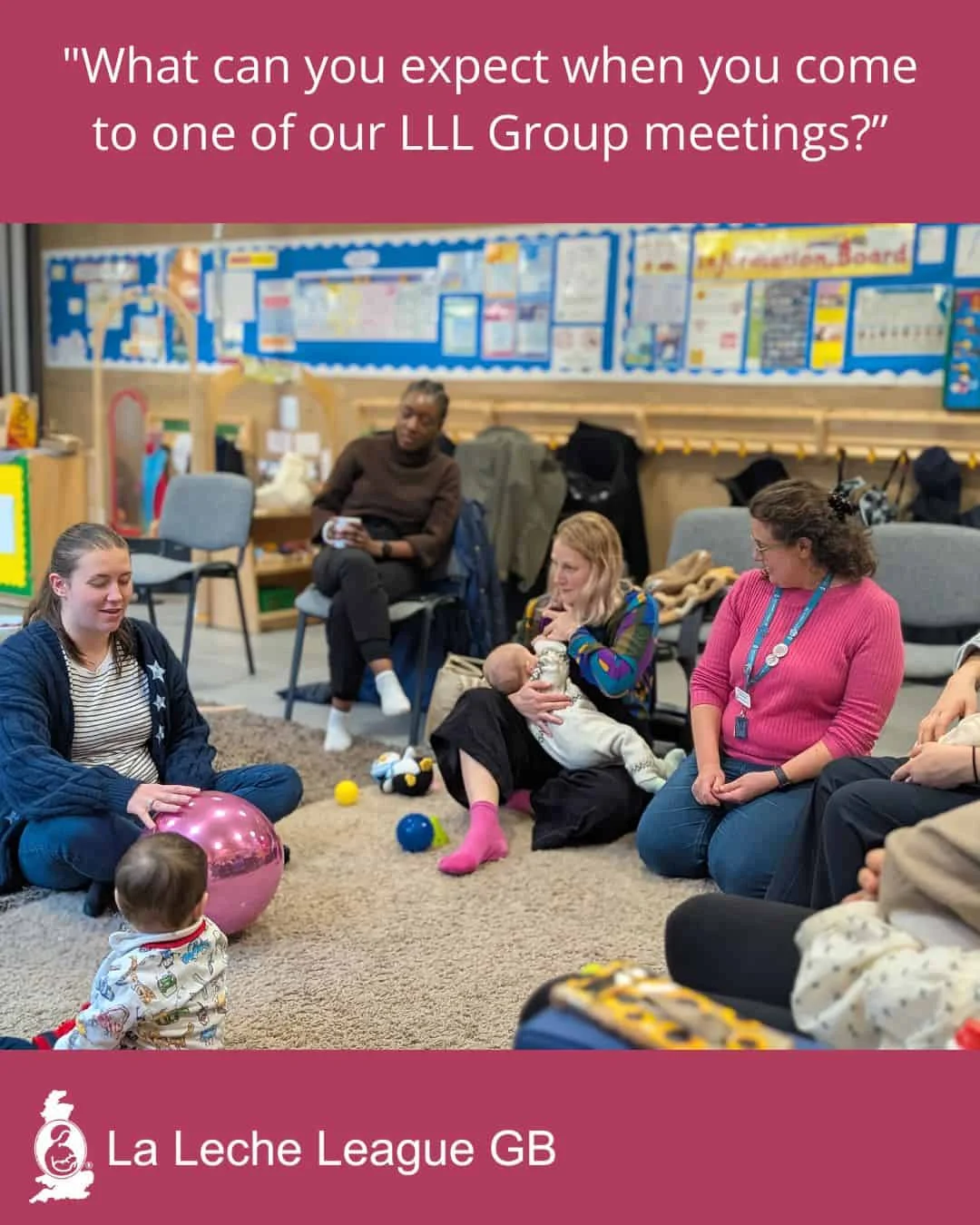
A recent gathering of La Leche League (LLL) Barnet members shed light on the multifaceted challenges and emotional landscapes faced by breastfeeding mothers transitioning back into the workforce. The circle, comprising mothers with infants ranging from three to 20 months, solo parents, and those with older children, underscored the profound diversity of maternal experiences while highlighting universally shared anxieties surrounding this significant life change. The discussion, led by LLL Barnet Leader Rosella Picciuto, provided a vital platform for peer support, practical advice, and emotional validation for women balancing their professional aspirations with their commitment to breastfeeding.
Background and Context: The Role of La Leche League
La Leche League International (LLLI), founded in 1956, is a global non-profit organization dedicated to providing information, encouragement, and support to women who choose to breastfeed their babies. Operating through a network of local groups worldwide, LLLI leaders offer peer-to-peer support, facilitating discussions and sharing evidence-based information on breastfeeding and parenting. LLL Barnet, like its counterparts, serves as a crucial community hub where mothers can find understanding, practical solutions, and emotional solidarity, particularly during vulnerable transitions such as returning to work. The meetings are structured to create a safe space for open dialogue, where personal experiences are shared, and a wide spectrum of strategies are explored without judgment. This model of support is increasingly recognized as instrumental in helping mothers meet their personal breastfeeding goals amidst societal and professional pressures.
The Emotional and Biological Underpinnings of Separation
The predominant theme of the LLL Barnet meeting revolved around the anxiety accompanying a mother’s return to employment. This apprehension is not merely psychological; it is deeply rooted in biological wiring. Human mothers are innately programmed to maintain close proximity to their infants, a bond reinforced by hormones such as oxytocin, often dubbed the "love hormone," which is central to maternal attachment and milk production. Imagining periods of absence, anticipating potential distress in their babies, and navigating the emotional toll of separation – whether returning part-time or full-time – can feel overwhelmingly daunting. For many mothers, the emotional journey of preparing for this transition far precedes the logistical preparations. Research consistently demonstrates that maternal separation anxiety is a real and impactful phenomenon, influenced by factors such as infant temperament, childcare quality, and the mother’s own support system. Studies published in journals like Attachment & Human Development highlight the complex interplay between a mother’s emotional state and her infant’s adjustment to new care arrangements.
Navigating the Practicalities: Exclusively Breastfeeding and Employment
The practicalities of maintaining exclusive breastfeeding (EBF) while employed formed a significant part of the discussion. For mothers committed to EBF, strategic planning becomes paramount. Many discussed arrangements involving three nursery days per week, aiming to balance work commitments with direct breastfeeding opportunities. The conversation also touched upon the varied experiences with expressing milk. While pumping is a common strategy, one mother shared her experience of finding pumping overly stressful, ultimately discovering that her child adapted well without a consistent pumped milk supply during her absence. This anecdote underscored a crucial point: there are multiple valid pathways through this season, and flexibility is key.
In the United Kingdom, where LLL Barnet is based, maternity leave provisions allow for up to 52 weeks, with statutory maternity pay for 39 weeks. However, economic realities often compel mothers to return to work much earlier, frequently between six and nine months postpartum. Data from the Office for National Statistics indicates that a significant percentage of mothers return to work within the first year of their child’s life. This timeline often coincides with the period when infants are still heavily reliant on breast milk for nutrition and comfort, necessitating careful consideration of feeding strategies.
Feeding Strategies Beyond the Breast: Bottles, Cups, and Solids
The circle explored various methods for delivering milk when mothers are away. The introduction of bottles was discussed, alongside the alternative strategy of skipping bottles entirely and introducing a cup instead. The viability of these options largely depends on the baby’s developmental stage, particularly their proficiency with solids. Between six and twelve months, breast milk remains a central source of nourishment, contributing essential antibodies, fats, and proteins. Health organizations, including the World Health Organization (WHO) and the National Health Service (NHS) in the UK, recommend continued breastfeeding alongside the introduction of complementary foods up to two years and beyond. This emphasis on sustained breastfeeding means that flexibility in milk delivery methods is often necessary. Infants around six months old typically begin to develop the oral motor skills required for cup drinking, making this a feasible alternative for some families. The consensus within the group was to extend "grace" to children who still heavily rely on milk during this transitional period, acknowledging their innate needs.
Rapid Infant Development and Unpredictable Adjustments
A recurring theme was the rapid pace of infant development and the inherent unpredictability of how babies adjust to new routines. The period between two and four months, in particular, can bring radical growth and developmental leaps, often making it feel as though one has a "different child." This rapid evolution means that fully predicting a baby’s reaction to childcare or separation is often impossible. However, mothers shared experiences suggesting that transitions frequently unfold more smoothly than initially anticipated, a testament to infants’ adaptability and resilience. Child development experts often highlight the critical period of early infancy for attachment formation and the establishment of routines. While separation anxiety is a normal developmental stage, occurring typically between 8 and 14 months, consistent and loving care from alternative caregivers can significantly mitigate distress.
Trusting Caregivers and Building Confidence
Entrusting one’s child to others is a significant emotional hurdle for many primary caregivers. The intimate knowledge mothers possess about their babies – their cues, preferences, and needs – can make the prospect of external care feel vulnerable. One mother’s positive experience with knowledgeable and attuned nursery staff provided a reassuring anecdote. Her pleasant surprise highlighted the importance of communication with childcare providers, emphasizing that checking in, asking questions, and seeking reassurance are beneficial not only for the baby’s well-being but also for the mother’s own nervous system. Official guidelines for childcare providers in the UK, such as those set by Ofsted, mandate specific ratios of staff to children and require staff to undergo training in child development and care, providing a framework for professional and responsive care.
Understanding "Reverse Cycling" and Infant Adaptation
The concept of "reverse cycling" was also discussed – a common phenomenon where breastfed babies compensate for time apart from their mothers by taking more frequent and longer feeds at night or when reunited. This is a natural and normal physiological adaptation, allowing babies to maintain their milk intake and reinforce the maternal bond. Far from being a problem, reverse cycling is a biological mechanism that helps sustain milk supply and ensures adequate nourishment. Many breastfed babies, while initially resistant to milk not directly from the breast, gradually adapt to the predictable rhythm of nursery life – play, snack, nap, home. This structured environment often helps infants settle into new routines over time, demonstrating their innate capacity for adjustment.
Prioritizing Maternal Well-being and Self-Care
Beyond the practicalities of infant feeding and care, the LLL Barnet circle also carved out space for discussing maternal well-being. One mother shared her plan to prepare her baby for nursery by arranging an evening out with her partner, entrusting a grandparent with bedtime. This initiative symbolized a shared sense of letting go of some anxiety and trusting the process, recognizing that while the baby might play longer or sleep later, the ultimate outcome is usually positive: "everyone survives." This emphasis on self-care and finding time for personal enjoyment is crucial for maternal mental health. Postnatal anxiety and depression are significant concerns, and studies have consistently shown that social support, opportunities for self-care, and a sense of community can substantially improve maternal well-being. Organizations like LLL play a vital role in providing this critical social safety net.
Broader Implications: Supporting Working Breastfeeding Mothers
The insights from the LLL Barnet meeting underscore a broader societal need to better support working breastfeeding mothers. From a public health perspective, sustained breastfeeding offers significant benefits for both mother and child, including reduced risks of certain cancers and chronic diseases for mothers, and improved immune function and cognitive development for infants. Policies that facilitate a smoother return to work for breastfeeding mothers, such as flexible working arrangements, adequate paid parental leave, and designated lactation spaces with proper facilities, are not just beneficial for individual families but contribute to national health outcomes and economic productivity. Employers who invest in these supports often see improved employee retention, morale, and productivity. Advocacy groups continually lobby for stronger legislative protections and workplace guidelines to ensure that mothers are not forced to choose between their professional careers and their breastfeeding goals.
The honesty and tenderness shared within the LLL Barnet circle highlight that while transitions can feel monumental, mothers are not alone in navigating them. The collective experience shared in these forums reinforces the power of community, peer support, and informed dialogue in empowering mothers to make choices that align with their family values and professional aspirations. The journey of returning to work while breastfeeding is complex, but with adequate support, understanding, and practical strategies, it is a journey many mothers successfully undertake.
