

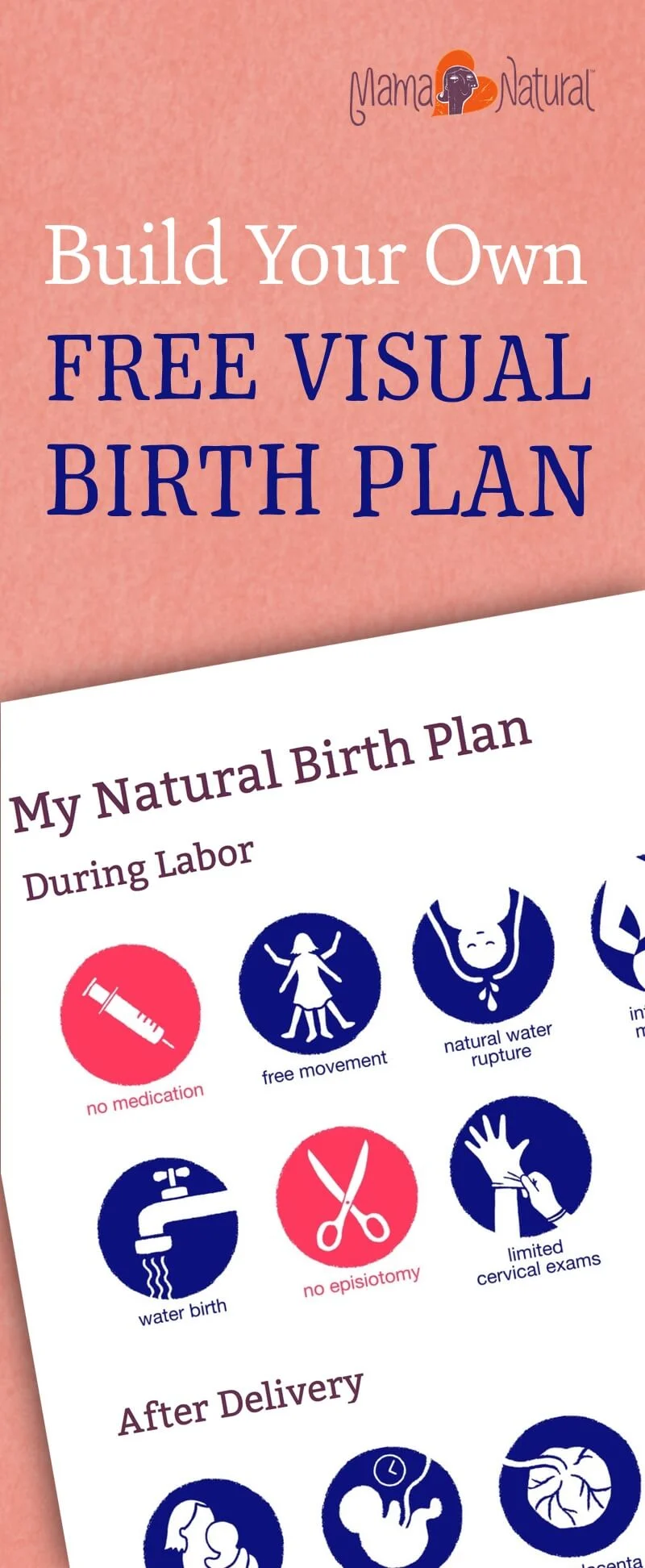
Modern obstetric care is currently navigating a significant shift in patient-provider communication, characterized by the increasing adoption of visual birth plans designed to streamline decision-making during active labor. As healthcare facilities face rising patient loads and a growing emphasis on patient-centered care, digital resources like the recently updated Mama Natural visual birth plan template are becoming central tools for expectant parents. These documents, which translate complex medical preferences into digestible icons, aim to bridge the gap between clinical efficiency and maternal autonomy. By providing a one-page, icon-based blueprint for labor, delivery, and postpartum care, these templates address a long-standing challenge in the birthing room: ensuring that a patient’s informed choices are respected even when verbal communication becomes difficult during the intensity of childbirth.
The Shift Toward Visual Communication in Clinical Settings
The concept of the birth plan originated in the late 1970s and early 1980s, largely credited to health educators like Penny Simkin, as a response to the increasing medicalization of childbirth. Initially, these were long, narrative documents that detailed a woman’s hopes for her birthing experience. However, as hospital environments became more fast-paced, healthcare providers—particularly nurses and obstetricians—often found lengthy text documents difficult to review during the critical windows of active labor.
The transition to visual birth plans represents a functional evolution in patient advocacy. Research in cognitive psychology suggests that the human brain processes visual information significantly faster than text, which is a vital factor in high-stakes environments like a delivery suite. By using standardized icons to represent preferences such as "delayed cord clamping," "no routine episiotomy," or "freedom of movement," these templates allow medical staff to grasp a patient’s entire care philosophy in a matter of seconds. The 2025 update to the Mama Natural template specifically introduces new icons for "Gentle Cesareans," reflecting a broader medical trend where even surgical births are being adapted to include family-centered practices.
Chronology of Birth Advocacy and the Digital Revolution
To understand the relevance of the modern visual birth plan, one must look at the timeline of maternal health advocacy over the last four decades.
- The 1980s: The Formalization of Consent. Following the "Natural Childbirth" movement of the 70s, women began requesting formal documents to ensure their voices were heard in hospital settings.
- The 1990s: Institutional Pushback. As birth plans became common, many hospitals viewed them as "contracts" that were too rigid for the unpredictable nature of birth, leading to friction between staff and patients.
- The 2000s: The Rise of Evidence-Based Care. Organizations like the World Health Organization (WHO) and the American College of Obstetricians and Gynecologists (ACOG) began emphasizing the importance of shared decision-making.
- 2010–2020: The Digital Pivot. Expectant parents began moving away from handwritten notes toward digital templates and mobile apps. The "Visual Birth Plan" emerged as the gold standard for clarity.
- 2024–2025: Integration of Specialized Care. Current templates now include specific icons for high-risk scenarios, surgical births, and postpartum mental health, acknowledging that "natural birth" is just one of many paths a delivery may take.
Supporting Data: Why Communication Matters
The necessity of clear communication tools like birth plans is supported by data regarding maternal outcomes and patient satisfaction. According to the Centers for Disease Control and Prevention (CDC), nearly 60% of pregnancy-related deaths are preventable, with communication failures often cited as a contributing factor in adverse events. Furthermore, a study published in the Journal of Perinatal Education found that women who feel they have an active role in decision-making during labor report higher levels of satisfaction and lower rates of postpartum depression, regardless of whether the birth proceeded exactly as planned.
In the United States, the cesarean section rate remains near 32%, according to the National Center for Health Statistics. As interventions become more common, the role of the birth plan shifts from a "wish list" to a vital tool for informed consent. The Mama Natural template utilizes a color-coded system—blue icons for desired actions and red icons for interventions to be avoided unless medically necessary—to provide a clear hierarchy of preferences that aligns with the principles of evidence-based maternity care.
Professional Responses and the "High Maintenance" Stigma
Despite the clinical benefits, the use of birth plans has historically been met with mixed reactions from medical staff. Some nursing professionals have colloquially referred to patients with detailed birth plans as "high maintenance," a stigma that suggests an unwillingness to adapt to medical necessity. However, this perception is changing as templates become more professional and concise.
Midwives and doulas have long championed these documents as essential preparation tools. Stephanie, a recent user of the visual template, noted that her midwife praised the document for being the "clearest way to keep everyone on the same page." This sentiment is increasingly shared by hospital administrators who recognize that clear communication reduces the risk of litigation and improves HCAHPS (Hospital Consumer Assessment of Healthcare Providers and Systems) scores. By presenting preferences in a professional, one-page visual format, patients are able to signal that they are informed and collaborative partners in their care, rather than adversaries to the medical process.

Addressing Health Disparities and the Black Birthing Bill of Rights
The enrichment of birth plan templates also serves a critical role in addressing systemic inequities in maternal healthcare. For women of color, particularly Black women who face significantly higher rates of maternal mortality and morbidity, a birth plan is more than a preference sheet—it is a tool for survival and dignity.
The inclusion of frameworks like the "Black Birthing Bill of Rights" within the context of birth planning empowers marginalized patients to demand respectful, high-quality care. A visual birth plan serves as an objective reference point that can help mitigate implicit bias by clearly stating the patient’s rights and expectations. When a patient’s preferences are documented in black and white (or blue and red icons), it creates a layer of accountability for the healthcare team, ensuring that standard protocols are not applied without considering the individual’s expressed autonomy.
Technical Analysis: Structure of the 2025 Visual Template
The Mama Natural template is designed for high customization, allowing users to download either a static PDF or an editable Word/Pages document. This technical flexibility is crucial, as it allows parents to tailor the document to the specific policies of their chosen birthing facility.
The icon library is divided into two primary categories:
- During Labor: Icons cover aspects such as fetal monitoring (intermittent vs. continuous), pain management (epidural vs. natural techniques), and environmental factors (music, lighting, and presence of a doula).
- After Delivery: This section focuses on newborn care, including immediate skin-to-skin contact, delayed cord clamping, and preferences regarding Vitamin K shots, eye ointment, and the timing of the first bath.
A notable addition in the 2025 version is the "Gentle Cesarean" section. This recognizes that surgical births can still incorporate elements of the "natural" experience, such as a clear drape to see the baby being born, immediate skin-to-skin in the operating room, and the presence of a support person throughout the procedure.
Broader Implications for the Healthcare Industry
The popularity of visual birth plans suggests a broader trend toward the "consumerization" of healthcare, where patients expect the same level of user-experience and clarity in medical settings as they do in other areas of life. For hospitals, this trend necessitates a shift in how staff are trained to interact with patient-led documentation.
The primary implication is that the birthing process is moving away from a "provider-led" model toward a "partnership" model. When healthcare providers take a birth plan seriously, it fosters a sense of safety and trust. Conversely, when these plans are ignored, it can lead to birth trauma and a breakdown of the patient-provider relationship.
As we move further into 2025, the integration of these visual tools into Electronic Health Records (EHR) may be the next step in the evolution of obstetric care. Until then, the one-page, printed visual birth plan remains the most effective bridge between the expectant parent’s home and the delivery room. It serves as a silent advocate, ensuring that even in the most intense moments of labor, the woman’s voice remains the central guide for her care and the arrival of her child.
