

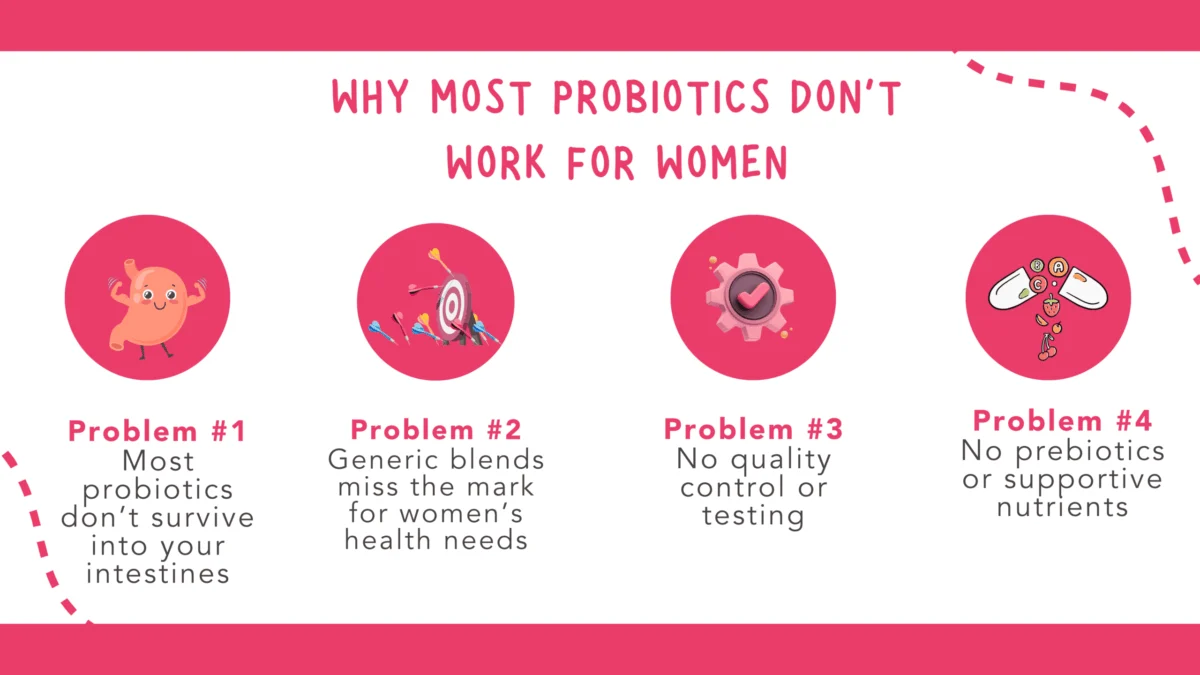
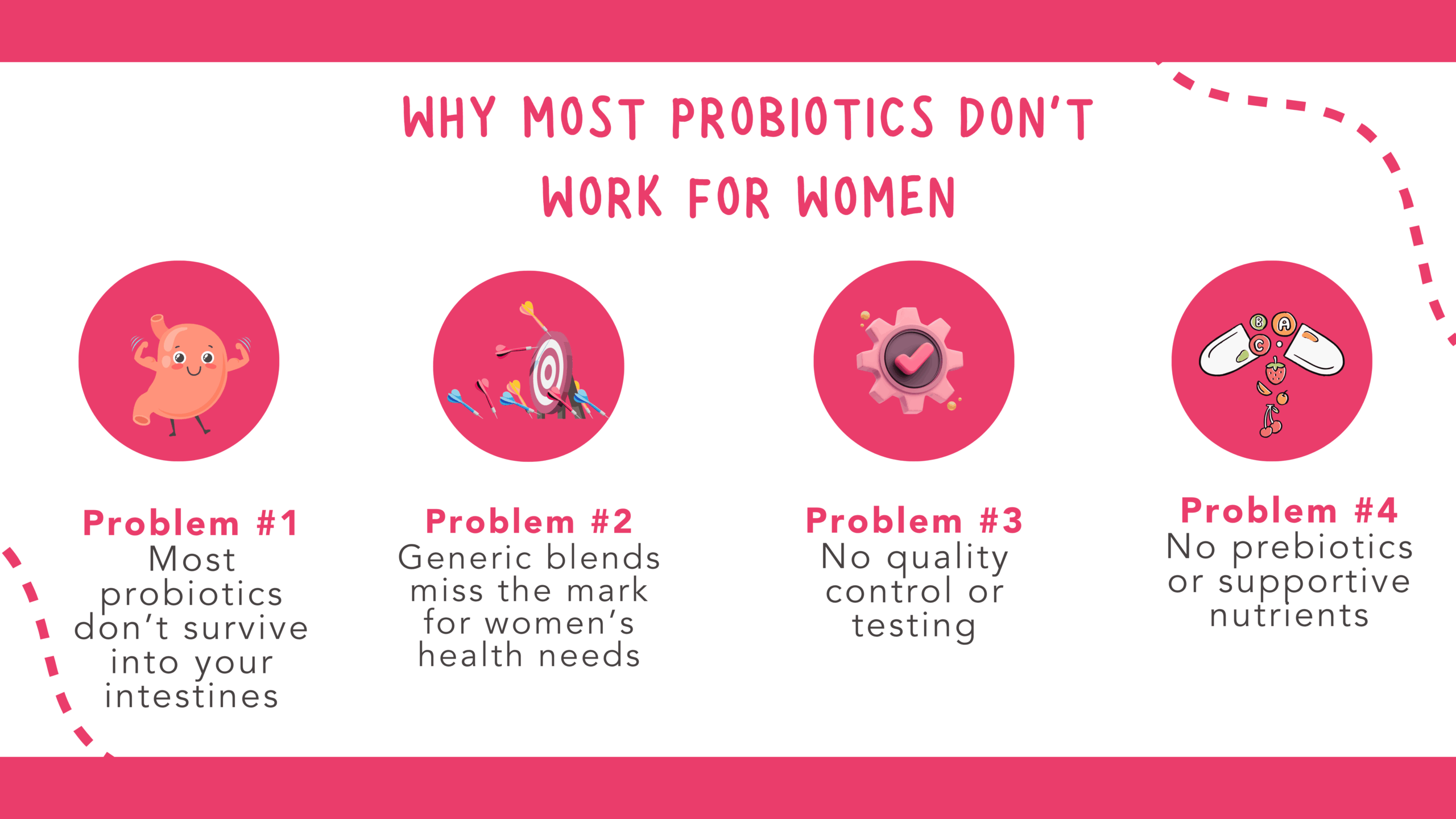
The global probiotic market, valued at over $70 billion in 2023, continues to expand as consumers increasingly seek natural solutions for digestive health, immune support, and mental well-being. However, a growing body of clinical evidence and consumer feedback suggests a significant disconnect between product promises and physiological results. For women in particular, the efficacy of standard probiotic supplements is often compromised by biological hurdles, ranging from the corrosive environment of the gastrointestinal tract to the lack of gender-specific strain selection. As the industry faces increased scrutiny over labeling accuracy and bioavailability, understanding the mechanisms of microbial survival and the specific requirements of the female microbiome has become essential for achieving therapeutic outcomes.
The Bioavailability Crisis: Navigating the Gastric Barrier
The primary obstacle to probiotic efficacy is the human stomach. Designed as a biological furnace, the stomach utilizes hydrochloric acid and digestive enzymes to break down food and neutralize potentially harmful pathogens. The pH level of a healthy human stomach typically ranges from 1.5 to 3.5, an environment so acidic that it can dissolve many metals. While this serves as a critical defense mechanism, it is also lethal to the delicate live cultures found in most over-the-counter probiotics.
Most generic probiotic supplements utilize "naked" bacteria that are highly sensitive to temperature and acidity. When these capsules dissolve in the stomach, the majority of the colony-forming units (CFUs) are destroyed before they can reach the small and large intestines, where they are intended to colonize. To counter this, advanced formulations have shifted toward "potent overage" strategies. By packing a capsule with significantly more live bacteria than the label claims at the time of manufacture, producers aim to ensure that a therapeutic dose survives the transit. This approach avoids the need for synthetic enteric coatings, which can sometimes interfere with the release timing in the lower gut.
The Gender Gap in Microbiome Research
Historically, medical research has often defaulted to a male-centric model, and the study of the human microbiome is no exception. However, women’s physiological needs are distinct, influenced by fluctuating hormone levels, different immune responses, and the presence of the vaginal microbiome. A "one-size-fits-all" probiotic blend often overlooks the specific strains necessary to support these unique systems.
The female body requires targeted microbial support to address challenges such as urinary tract infections (UTIs), yeast overgrowth, and hormonal acne. For example, the vaginal microbiome is dominated by Lactobacillus species, which produce lactic acid to maintain an acidic environment that inhibits the growth of harmful bacteria. When a generic probiotic focuses solely on digestive strains, it misses the opportunity to support the urogenital health of the user.
Clinical studies have identified specific strains that offer superior benefits for women. Lactobacillus rhamnosus and Lactobacillus reuteri are among the most researched for their ability to migrate from the digestive tract to the vaginal canal, helping to restore balance and prevent common infections. Furthermore, Lactobacillus gasseri has shown promise in supporting metabolic health and reducing visceral fat in clinical trials, providing a multifaceted benefit that generic blends often lack.
Industry Transparency and the Prevalence of Mislabeled Supplements
A significant factor in the perceived failure of probiotics is the lack of stringent regulatory oversight in the supplement industry. Under the Dietary Supplement Health and Education Act of 1994 (DSHEA), the U.S. Food and Drug Administration (FDA) does not approve dietary supplements for safety or effectiveness before they are marketed. This has led to a documented issue with labeling accuracy.
An independent study published in the journal Microbiology and Molecular Biology Reviews highlighted a disturbing trend: many commercial probiotics contained significantly fewer live organisms than advertised by the time they reached the consumer. In some instances, products contained none of the beneficial bacteria listed on the label, or were contaminated with unlisted species.
Quality control issues are often exacerbated by poor manufacturing practices and inadequate storage. Probiotics are living organisms; they are susceptible to heat, moisture, and light. Without third-party testing and rigorous stability protocols, the "friendly bacteria" in a bottle may be inert long before the expiration date. This underscores the necessity for consumers to seek brands that prioritize third-party certification and provide transparent sourcing for their microbial strains.
The Synbiotic Advantage: The Essential Role of Prebiotics
The effectiveness of a probiotic is not solely dependent on the bacteria themselves, but also on the "fuel" provided to them. Prebiotics are non-digestible fiber compounds that pass through the upper part of the gastrointestinal tract and stimulate the growth or activity of advantageous bacteria in the colon. When a supplement combines both probiotics and prebiotics, it is referred to as a "synbiotic."
Many standard probiotics fail because the introduced bacteria enter a "starving" environment. Without adequate prebiotic fiber, the new colonies cannot thrive or compete with existing, potentially harmful bacteria. Recent innovations in the field have turned to natural, whole-food sources for these fibers. One such source is the fruit of the Baobab tree (Adansonia digitata), often called the "Tree of Life."
Baobab fruit fiber is a potent prebiotic that is exceptionally gentle on the digestive system. Unlike some synthetic prebiotics (such as inulin) that can cause bloating or gas in sensitive individuals, baobab provides a slow-fermenting fiber that nourishes the gut flora sustainably. Furthermore, women require approximately 25 grams of fiber daily for optimal health, yet statistics show that the vast majority of women in developed nations fall short of this goal. Incorporating functional fibers like baobab into a probiotic regimen helps bridge this nutritional gap while enhancing the survival rate of the probiotic strains.
Timeline of Probiotic Evolution and Consumer Trends
The understanding of probiotics has evolved through several distinct phases over the last century:
- Early 1900s: Nobel laureate Élie Metchnikoff proposes that consuming fermented milk products could "seed" the gut with beneficial bacteria and prolong life.
- 1990s: The "Probiotic Boom" begins in the West, with yogurt brands marketing "active cultures" for digestive regularity.
- 2000s-2010s: Genomic sequencing allows scientists to identify specific strains (e.g., Bifidobacterium longum) and map their unique functions.
- 2020-Present: The rise of "Precision Probiotics." Consumers move away from generic blends toward targeted, gender-specific, and shelf-stable formulations that address systemic health, including the gut-brain axis and the gut-skin axis.
Analysis of Implications: The Future of Women’s Wellness
The shift toward specialized probiotics like the Mama Natural Women’s Probiotic reflects a broader movement in healthcare toward personalized nutrition. By including 10 well-researched strains—such as Lactobacillus gasseri for metabolic support and Bifidobacterium longum for immune health—manufacturers are acknowledging that the "average" consumer does not exist.
From a journalistic perspective, the data suggests that the "failure" of probiotics is often a failure of delivery and specificity rather than a failure of the science itself. When probiotics are formulated to survive stomach acid, targeted to the specific microbial needs of the female body, and paired with high-quality prebiotics like baobab fiber, the clinical outcomes improve significantly.
Furthermore, the exclusion of common allergens—such as dairy, gluten, soy, and GMOs—is no longer just a niche preference but a requirement for a significant portion of the population. As gut permeability (often referred to as "leaky gut") and food sensitivities become more prevalent, the demand for "clean" supplements without synthetic binders or fillers is expected to dominate the market.
Conclusion and Recommendations for the Consumer
For women seeking to rebalance their internal ecosystem, consistency remains the final piece of the puzzle. Microbiologists note that the gut environment is a dynamic landscape; re-colonization does not happen overnight. Clinical trials typically suggest a window of two to four weeks of daily supplementation before significant changes in digestion, skin clarity, or vaginal health are observed.
To maximize the impact of a high-quality probiotic, experts recommend a holistic approach:
- Pairing with Whole Foods: Consuming fermented foods like sauerkraut and bone broth alongside supplements can create a more hospitable environment for new bacteria.
- Hydration: Water is essential for the movement of fiber and the maintenance of the mucosal lining of the gut.
- Sugar Reduction: High sugar intake can feed pathogenic yeast and bacteria, undermining the work of the probiotic.
The evidence is clear: the era of the generic, low-quality probiotic is ending. As women become more informed about their biological requirements, the industry is being forced to pivot toward higher standards of transparency, survival-focused formulation, and strain-specific efficacy. The result is a new generation of supplements that do more than just survive the journey—they empower the body to thrive.
