

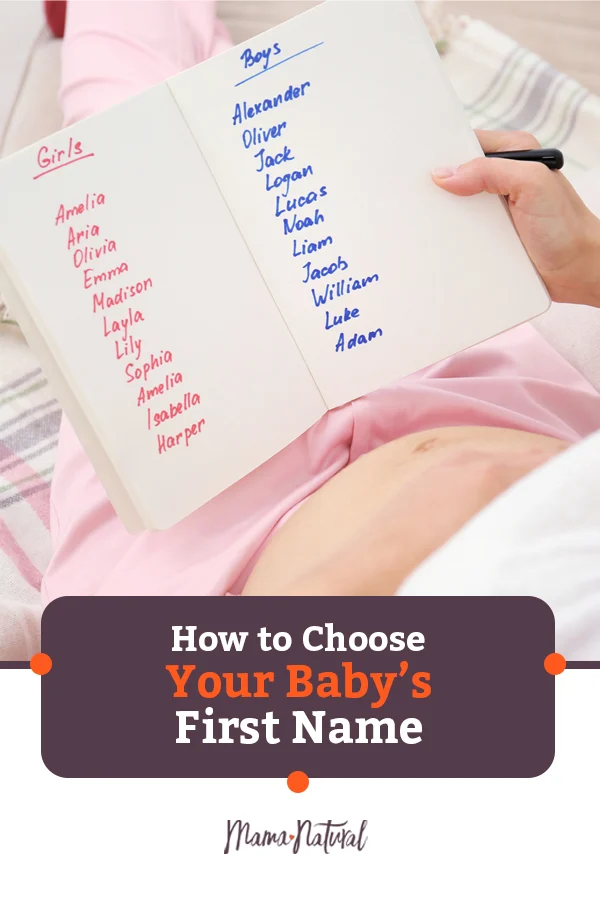
The selection of a child’s first name represents one of the earliest and most enduring decisions in the parenting journey, often described by sociologists as the "first gift" a parent bestows upon their offspring. While the process is ostensibly a celebration of a new life, the contemporary landscape of baby naming has evolved into a complex intersection of cultural identity, linguistic aesthetics, and psychological pressure. As parents navigate a globalized world where a name serves as a permanent digital and social identifier, the demand for "perfect" names—those that balance uniqueness with professionalism—has reached an all-time high. This report examines the strategic methodologies, historical shifts, and social dynamics that define the modern naming process.
The Historical Evolution of Naming Conventions
To understand the current intensity surrounding baby names, one must look at the chronological shift in naming patterns over the last century. In the mid-20th century, naming conventions in Western societies were largely dictated by tradition, religious heritage, and familial honorifics. Data from the United States Social Security Administration (SSA) indicates that in the 1950s, a small pool of names like Mary, Linda, James, and Robert dominated the charts, with the top 10 names representing nearly 25% of all births.
By the 1990s and early 2000s, a significant cultural pivot toward individualism began to emerge. The desire for children to "stand out" rather than "fit in" led to a diversification of the name pool. Today, the top 10 names account for less than 10% of births, reflecting a fragmented and highly personalized naming market. This shift has introduced "decision fatigue" for modern parents, who now have access to global databases, historical archives, and even artificial intelligence tools to assist in their search.
Establishing a Strategic Framework for Selection
Experts in child development and family dynamics suggest that the most successful naming outcomes result from a structured, collaborative framework. Before examining specific lists, parents are increasingly encouraged to establish a foundation of "wants and needs." This includes determining the desired level of popularity, cultural or religious significance, and the specific "vibe" or stylistic category—such as vintage, modern, or nature-inspired.
Communication between partners is cited as the primary factor in avoiding long-term "namer’s remorse." Sociologists note that naming conflicts often mirror deeper values regarding heritage and identity. By discussing expectations early in the pregnancy, parents can foster a spirit of compromise. For instance, if one parent favors traditional biblical names and the other prefers avant-garde unique identifiers, they may find common ground in names that are classic but currently underused, or they may agree to balance a bold first name with a traditional middle name.
The Digital Transformation of Inspiration
The method by which parents discover names has undergone a radical digital transformation. Where previous generations relied on family bibles or physical baby name books, today’s parents utilize sophisticated digital finders and algorithmic tools. Online databases allow users to filter results by origin, meaning, number of syllables, and even "perceived personality."
Current trends indicate a surge in niche-specific searches. Data from digital naming platforms shows high engagement with specialized lists, such as "Biblical Boy Names" or "Unique Girl Names." Furthermore, "Surprise Me" features and random name generators have become popular tools for parents experiencing creative blocks. These features introduce names outside of a parent’s typical social circle, facilitating the discovery of cross-cultural options that might otherwise remain overlooked.
Globalization and the Rise of the "Global Name"
As the world becomes more interconnected, parents are increasingly "stepping outside the box" of their own immediate cultural heritage. This globalization of naming has led to the rise of the "global name"—names that are easily pronounced in multiple languages and carry positive connotations across different cultures.
For example, a parent might appreciate the aesthetic of modern names like Paisley or Kenzie but find themselves drawn to the timelessness of vintage names like Sadie or Minnie. Furthermore, the search for "unique but familiar" has led many to explore Polynesian, Scandinavian, or Sanskrit origins. A notable example is the name Leilani; while it carries the floral meaning "heavenly flower," its phonetic structure appeals to those who like the sound of Lily but seek a less common alternative. This trend suggests that naming is no longer confined by geography but is instead an exercise in curated global aesthetics.

The Science of Meaning and Nominative Determinism
The etymology of a name remains a cornerstone of the selection process. Many parents prioritize the "meaning" behind a name, believing it provides a foundational identity for the child. This concept occasionally touches upon "nominative determinism"—the hypothesis that people tend to gravitate toward areas of work or life that fit their names.
For parents seeking specific traits, names like Ethan (meaning "enduring and strong") or Valor provide a sense of purpose. Conversely, for those expecting twins or seeking a specific temperament, meanings related to "life" (Vida, Eva) or "peace" (Salma, Arina) are frequently prioritized. Search data confirms that "meaning-based" queries are among the most common functions used in modern name databases, reflecting a desire for the name to act as a psychological anchor for the child’s character.
Linguistic Mechanics: The Surname Factor
Beyond the emotional and cultural weight of a name, the linguistic "flow" is a critical practical consideration. Professional linguists and naming consultants emphasize the importance of how a first name interacts with the surname. Key considerations include:
- Syllabic Balance: A short first name often pairs well with a longer surname, and vice versa (e.g., Mia Richardson versus Alexander Smith).
- Alliteration and Assonance: While some parents enjoy the rhythmic quality of alliteration (e.g., Brooks Baker), others avoid it to prevent a "cartoonish" effect.
- The "Shouting Test": A common practical exercise involves calling the full name aloud to ensure it does not become a tongue-twister or result in unintended puns.
- Initial Analysis: Checking the initials of the full name is a vital step to ensure they do not form offensive or embarrassing acronyms.
Conflict Resolution and Co-Parenting Dynamics
When parents reach an impasse—often referred to as "name feuds"—mediation strategies become necessary. Common points of contention include one partner’s attachment to a family name that the other finds aesthetically unpleasing, or a disagreement over the "wearability" of a name in a professional setting.
Proposed solutions in the parenting community include:
- The Middle Name Compromise: Using the more "adventurous" or "familial" choice in the middle spot.
- The "NCAA Bracket" Method: Systematically narrowing down a list of 64 names to a final four through a series of daily head-to-head comparisons.
- The "Coffee Shop" Test: Using a prospective name at a coffee shop or restaurant to see how it feels to introduce oneself with it and how others react to its spelling and pronunciation.
The Privacy Debate: The Social Implications of the "Reveal"
In the era of social media, the timing and method of revealing a baby’s name have become significant social events. Some parents opt for "shouting it from the rooftops" via digital announcements, while others maintain strict privacy until the birth.
The trend toward "name privacy" is often a defensive measure against unsolicited opinions. Psychological studies suggest that once a name is attached to a physical child, friends and family are significantly less likely to offer negative critiques than they are during the pregnancy phase. Parents are increasingly advised to trust their instincts and recognize that the naming process is an intimate family decision, free from the requirement of external validation.
Conclusion: The Enduring Impact of the Naming Process
The process of choosing a baby’s first name is a multifaceted endeavor that blends personal taste, cultural heritage, and strategic planning. While the pressure to select a "perfect" name can be daunting, the wealth of available data and the shift toward individual expression have allowed for a more diverse and meaningful naming landscape than ever before.
Ultimately, the naming process is not merely about a label; it is about the construction of an identity. Whether a name is chosen before conception or in the moments following birth, its impact lasts a lifetime. By utilizing structured methodologies, exploring global inspirations, and maintaining open lines of communication, parents can ensure that their "first gift" is one that serves their child well across all stages of life. As naming trends continue to evolve with technology and social shifts, the core objective remains the same: finding a name that resonates with love, intention, and a sense of belonging.
