

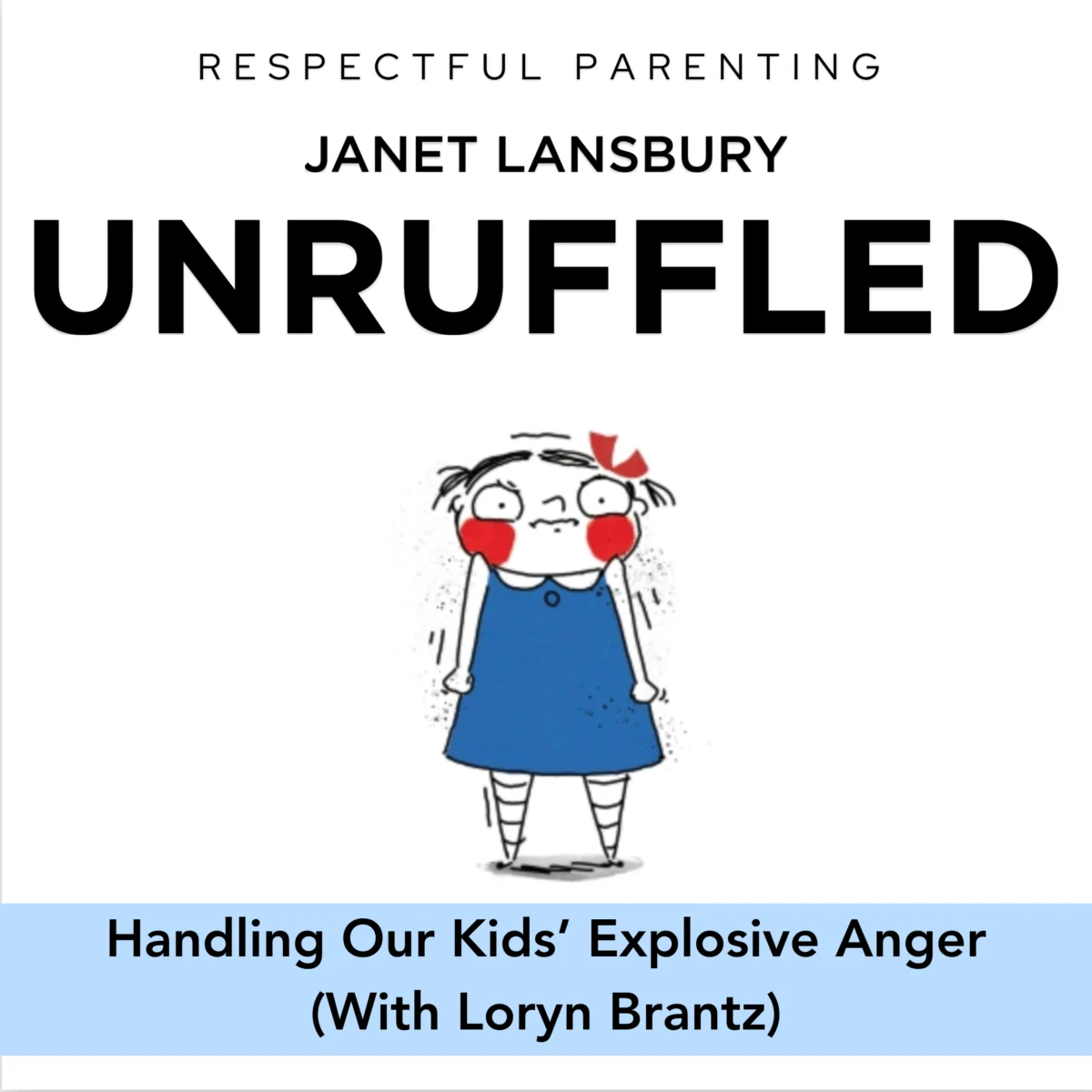
Award-winning author and illustrator Loryn Brantz discusses her new children’s book, "I Am a Spicy Nugget," and offers insights into managing children’s intense emotional outbursts. The conversation, hosted by Janet Lansbury on the podcast "Unruffled," delves into the psychological underpinnings of tantrums and meltdowns, advocating for a "do less, not more" approach. Brantz, known for her popular "Feminist Baby" series, draws from her personal experiences as a parent to provide practical, compassionate guidance for caregivers navigating these challenging moments.
Understanding the "Spicy Nugget" Phenomenon
The term "spicy nugget," coined by Brantz, affectionately describes a child experiencing an overwhelming emotional eruption, often manifesting as a tantrum or meltdown. This evocative phrase captures the intense, sometimes fiery, nature of a child’s distress. Brantz, an Emmy award-winning puppeteer and celebrated children’s author, returned to Lansbury’s "Unruffled" podcast to discuss her latest work, which aims to demystify these explosive moments for both children and the adults attempting to guide them.
"I really wrote this book as a reminder to parents, including myself, that your kid is not on equal footing with you," Brantz stated in an email exchange preceding the podcast. "They are sweet little spicy nuggets with underdeveloped prefrontal cortexes that are still learning and growing. So before getting too mad, try to see them as clearly as you can and go from there." This perspective shift, emphasizing the developmental stage of the child, is central to Brantz’s philosophy and the core message of her book.
A Journey Through Parental Challenges
Brantz shared that the inspiration for "I Am a Spicy Nugget" stemmed from her personal journey through the "gauntlet of parenting." She described experiences with her daughter that were "always so extreme," leading her to seek professional help. However, a pivotal moment occurred when advice from a specialist proved ineffective, prompting Brantz and her husband to re-evaluate their approach. This led them to recognize the necessity of tailoring parenting strategies to the unique needs of their child.
A significant challenge arose when her daughter experienced "jack in the box syndrome," repeatedly leaving her bed at night, coinciding with the arrival of a newborn. This period of sleep deprivation and stress highlighted the need for more personalized interventions. Brantz also touched upon conditions like Pathological Demand Avoidance (PDA), explaining it as a situation where a child’s nervous system "short circuits" in response to demands, leading to intense reactions.
"Kids don’t want to be like that," Brantz emphasized. "When they’re really little, it’s because either there’s some unmet need, like they’re tired or hungry—always, it feels that way. Or if they’re a little older, it’s because they aren’t capable of it. You have to meet them where they’re at." This philosophy led Brantz to make significant adjustments, such as using hand wipes instead of handwashing due to sensory sensitivities, which ultimately resulted in her daughter’s improved development and a calmer demeanor.
The Power of Observation and Acceptance
A key takeaway from Brantz’s conversation with Lansbury is the importance of parental self-regulation and the ability to observe a child’s behavior without immediate judgment. Brantz attributes her capacity to handle her children’s outbursts to her personal practice of meditation and her deep engagement with literature on mindfulness and self-awareness.
"I ended up meditating a lot and reading a gajillion books," Brantz explained. She specifically cited Michael Singer’s "The Untethered Soul" as a transformative read, which taught her to become an "observer of my thoughts and feelings rather than getting swept up in them." This practice, she believes, is crucial for parents to develop the capacity to remain calm amidst their child’s emotional storm.
Brantz’s approach is rooted in radical acceptance: acknowledging that she cannot control her daughter’s feelings or tantrums, but can ensure her child’s safety and well-being. This perspective shift from attempting to control the child’s emotions to simply being present and supportive is a cornerstone of her parenting strategy. "I’m just here to ride that wave with her," she said.
Strategies for Navigating Emotional Outbursts
Brantz outlined several practical strategies for managing explosive anger in children, emphasizing a less-is-more approach. She highlighted the ineffectiveness of immediate intervention during a tantrum, stating that "intervention usually makes things worse." Instead, she advocates for allowing the child to work through their emotions independently, knowing that they will eventually calm down.
"Doing less is more," Brantz asserted. "The grown-up doesn’t help the nugget calm down. She eventually calms down herself because they always do, and that’s when they unpack it and try again next time." This approach allows the child to develop self-soothing skills and learn from their experiences.
Humor and imaginative play also play a significant role in Brantz’s toolkit. She shared anecdotes of using playful scenarios, like racing invisible animals to leave the house or engaging in conga lines, to diffuse tension and make transitions more enjoyable for her children. These lighthearted interventions can often prevent an escalation of emotions or help a child de-escalate more quickly.
The origin of the book’s title, "Spicy Nugget," itself exemplifies this approach. Brantz recalled a moment when her daughter was becoming agitated, and she playfully suggested, "Are you becoming a spicy nugget? I’m going to dunk you in some cold milk to cool you off." This humorous interaction, while nonsensical, effectively broke the tension and lowered the emotional temperature.
The Lingering Impact of Explosive Anger
The concluding moments of "I Am a Spicy Nugget" offer a profound insight into the nature of childhood emotional regulation. The book ends with the child asking, "Wait, what was I mad about again?" This seemingly simple question underscores a critical point: during intense emotional episodes, children are often disconnected from their rational minds and may have little recollection of the cause or progression of their outburst.
Lansbury elaborated on this, stating, "This is such a brilliant reminder to us that they were not in their body, they were not in relationship with us there. They were off in their own place in that feeling." This reinforces the idea that blaming or punishing a child for an outburst is counterproductive, as they were not in a state of rational control.
The ability of children to quickly transition from intense emotional states back to play or other activities highlights their capacity for resilience and their underdeveloped but rapidly developing ability to regulate themselves. For parents, this can be a challenging aspect to grasp, as they may still be processing the intensity of the outburst while their child has already moved on.
Broader Implications for Parenting
Brantz’s work, and her conversation with Lansbury, speaks to a growing movement in parenting that emphasizes empathy, understanding, and a child-centered approach. The traditional methods of discipline often relied on punishment or immediate control, which can inadvertently stifle a child’s emotional expression and hinder the development of healthy coping mechanisms.
The implications of Brantz’s message are far-reaching:
- Validation for Children: The book provides a narrative that validates children’s experiences of intense emotions, helping them feel understood and less alone. This can reduce shame and foster a healthier relationship with their own feelings.
- Empowerment for Parents: By offering a framework for understanding and responding to tantrums, Brantz empowers parents to move beyond frustration and towards a more patient and effective approach. This can lead to reduced parental stress and a more harmonious family environment.
- Development of Emotional Intelligence: By allowing children to experience and move through their emotions with parental support, rather than suppression, caregivers are fostering the development of crucial emotional intelligence. This includes self-awareness, self-regulation, and empathy.
- Strengthening Parent-Child Bonds: The "do less, not more" philosophy, combined with humor and presence, can strengthen the parent-child bond. When parents can remain calm and supportive during difficult moments, children learn to trust their caregivers and feel secure in their love.
Brantz’s personal journey, including her struggles with OCD and anxiety, has undoubtedly informed her compassionate and insightful approach to parenting. Her ability to translate complex psychological concepts into accessible language and engaging illustrations for children, while also providing profound insights for adults, marks her as a significant voice in contemporary parenting literature. The success of her previous works, including the New York Times bestseller "Poems of Parenting," underscores her ability to connect with parents on a deep level.
"I Am a Spicy Nugget" is more than just a children’s book; it’s a guide for parents seeking to navigate the often turbulent waters of childhood emotions with grace, understanding, and a touch of humor. It encourages a paradigm shift, urging caregivers to see their children’s outbursts not as defiance, but as a signal of overwhelming internal experience, requiring patience, acceptance, and a belief in the child’s innate capacity to eventually find their balance. The book, released on September 8, 2026, is available through major booksellers, promising to offer comfort and clarity to countless families.
