

The global probiotic market, valued at over $70 billion in 2023, continues to expand as consumers seek natural solutions for digestive health, immunity, and skin clarity. However, a growing body of clinical evidence and consumer feedback suggests a significant gap between the promises made by supplement manufacturers and the actual physiological results experienced by women. While the marketing of "beneficial bacteria" has become ubiquitous in the wellness industry, the efficacy of these products is frequently undermined by poor formulation, lack of strain specificity, and a failure to account for the unique biological requirements of the female body. As the industry moves toward more personalized nutrition, understanding the mechanics of microbial survival and the necessity of gender-targeted strains has become essential for both clinicians and consumers.
The Biological Barrier: The Challenge of Gastrointestinal Survival
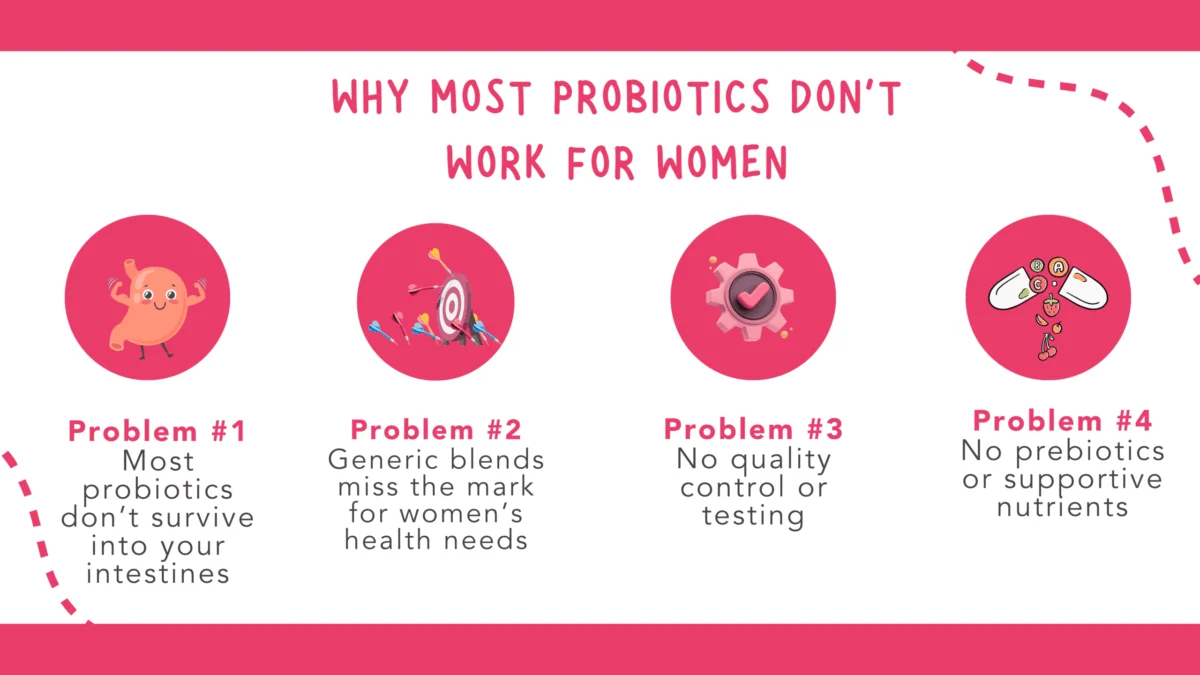
The primary obstacle facing any oral probiotic is the hostile environment of the human digestive tract. The stomach utilizes highly acidic gastric juices, typically maintaining a pH between 1.5 and 3.5, to break down proteins and neutralize potentially harmful pathogens. While this serves as a critical defense mechanism for the body, it also acts as a lethal barrier for the delicate live cultures found in many standard probiotic supplements.
Research indicates that a substantial percentage of probiotic bacteria perish within the stomach or the upper duodenum before they can reach the large intestine, where they are required to colonize and exert their health benefits. Many off-the-shelf products do not account for this attrition rate. To address this, advanced formulations have begun utilizing a "potent overage" strategy. This involves packing the supplement with a higher concentration of Colony Forming Units (CFUs) than the amount stated on the label for the end of the product’s shelf life. By over-formulating, manufacturers ensure that even after the inevitable loss of bacteria during transit through stomach acid, a therapeutic dose remains viable to populate the gut garden.
Addressing the Gender Gap in Microbiome Support
Historically, many probiotic blends were formulated as "one-size-fits-all" solutions, focusing primarily on general digestive regularity. However, women’s health requirements are distinct and fluctuate based on hormonal cycles, life stages, and specific physiological vulnerabilities. The female microbiome extends beyond the gut to include the vaginal ecosystem, which relies heavily on specific strains of Lactobacillus to maintain an acidic pH and ward off infections.
Generic probiotic blends often miss the mark by excluding the specific strains that have been clinically studied for women’s health. For instance, Lactobacillus rhamnosus and Lactobacillus reuteri are well-documented for their ability to migrate to and support the vaginal flora, reducing the incidence of yeast infections and bacterial vaginosis. Furthermore, women are statistically more likely to suffer from Irritable Bowel Syndrome (IBS) and chronic constipation, conditions that require targeted strains like Bifidobacterium longum and Lactobacillus gasseri for effective management. Without these specific inclusions, a probiotic may offer general support but fail to address the complexities of the female endocrine and reproductive systems.
The Crisis of Quality Control and Label Accuracy
The supplement industry operates under a regulatory framework that often places the burden of proof on the consumer or third-party watchdogs rather than pre-market government approval. This has led to a documented crisis in quality control. An independent study published in the journal Nutrients and archived by the National Institutes of Health (NIH) revealed that a significant number of probiotic products did not contain the quantity or diversity of live bacteria claimed on their packaging.
In some cases, researchers found that the bacteria were entirely non-viable by the time the product reached the consumer, rendered "dead on arrival" due to poor manufacturing practices, lack of temperature control, or inadequate moisture barriers in packaging. For a probiotic to be effective, it must remain stable at room temperature or be shipped in a cold chain, and it must be verified by third-party testing. The absence of a Certificate of Analysis (CoA) or third-party certification (such as NSF or USP) remains a major red flag in the industry, signaling that the "good bacteria" advertised may not exist in a functional state within the capsule.
The Role of Synbiotics: Why Prebiotics are Essential
A critical evolution in gut science is the transition from probiotics to "synbiotics"—formulations that combine live beneficial bacteria with prebiotics. Prebiotics are non-digestible fiber compounds that act as a primary food source for probiotics. Without adequate prebiotic fuel, even the highest quality probiotic strains may fail to thrive or replicate once they reach the intestines.
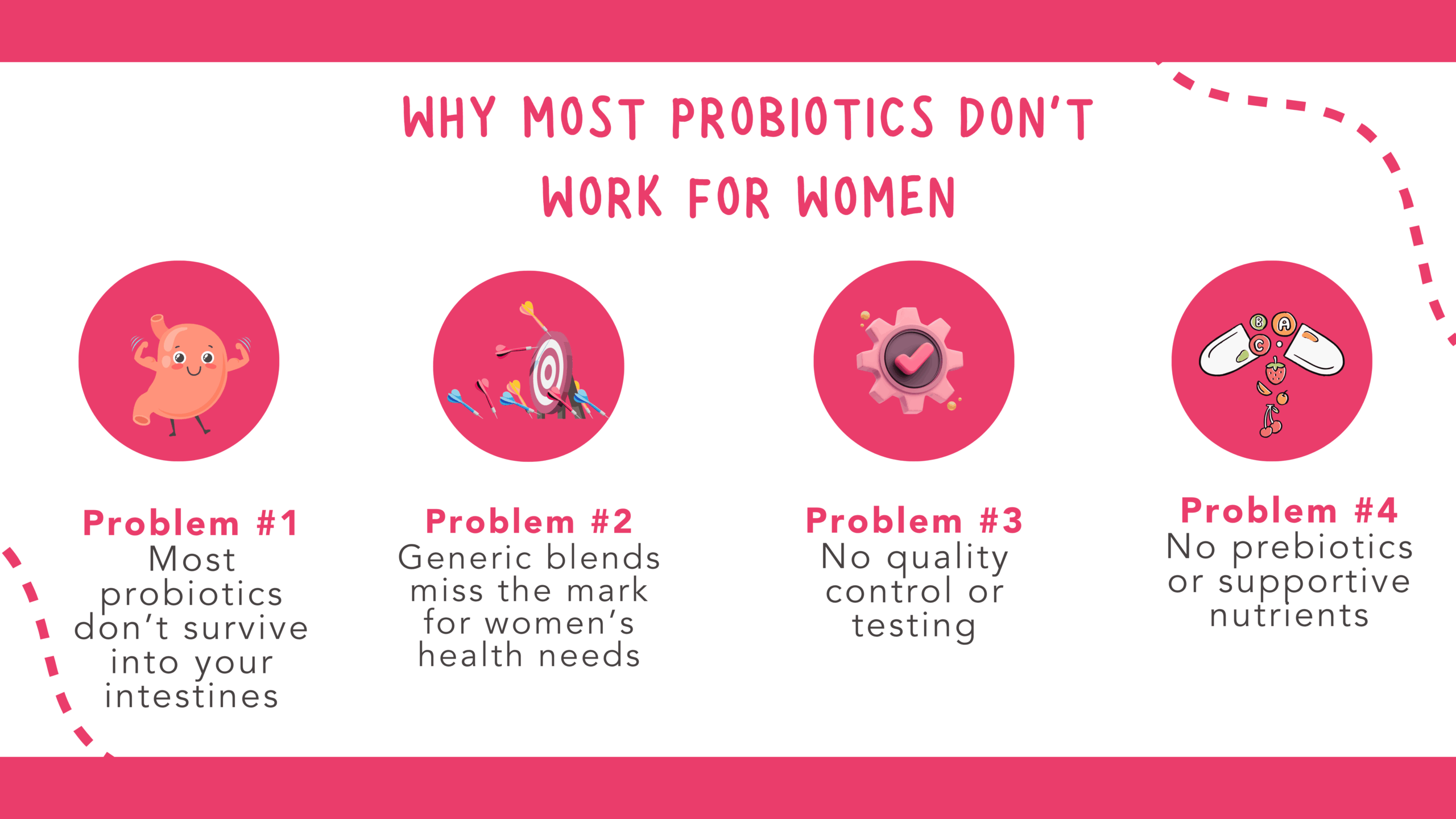
Many standard probiotics omit prebiotics to save on manufacturing costs or to keep capsule sizes small. This forces the bacteria to compete with existing gut flora for limited resources, often resulting in poor colonization. Modern high-quality formulations are now incorporating natural, whole-food prebiotic sources. One notable example is fiber derived from the Baobab fruit, often referred to as the "Tree of Life" in Africa. Baobab is rich in soluble fiber and antioxidants, providing a gentle yet effective substrate for bacteria like Bifidobacterium to flourish. Given that the average woman requires approximately 25 grams of fiber daily—a target most fall short of—the inclusion of a functional prebiotic like Baobab provides a dual benefit for digestive transit and microbial health.
A Chronology of Probiotic Innovation
The understanding of probiotics has evolved through several distinct eras of scientific discovery:
- The Fermentation Era (Pre-1900s): For centuries, cultures worldwide consumed probiotics through fermented foods like yogurt, kefir, and kimchi, though the biological mechanism was unknown.
- The Metchnikoff Discovery (1907): Nobel laureate Elie Metchnikoff identified that Bulgarian peasants who consumed large amounts of fermented milk lived longer, proposing that "putrefactive" bacteria in the gut could be replaced by beneficial lactic acid bacteria.
- The Strain-Specific Era (1990s–2010s): Scientists began to distinguish between species (e.g., Lactobacillus) and specific strains (e.g., L. rhamnosus GG), realizing that different strains within the same species offer wildly different health outcomes.
- The Modern "Femtech" Integration (2020–Present): The current era focuses on gender-specific microbiology, recognizing the interplay between the gut microbiome, the "estrobolome" (the bacteria that metabolize estrogen), and the vaginal microbiome.
Expert Analysis: The Importance of Transparency and Purity
Industry analysts suggest that the future of the probiotic market lies in "clean label" transparency. Consumers are increasingly rejecting products that contain synthetic binders, fillers, and common allergens. For women with sensitive digestive systems or autoimmune predispositions, the presence of dairy, gluten, soy, or genetically modified organisms (GMOs) in a supplement can trigger inflammatory responses that negate the benefits of the probiotic itself.
The shift toward vegan, non-GMO, and allergen-free formulations is not merely a marketing trend but a response to clinical data regarding gut permeability and food sensitivities. By removing unnecessary additives, manufacturers ensure that the metabolic activity of the probiotic strains is focused entirely on host benefit rather than processing synthetic excipients.
Broader Implications for Long-term Wellness
The failure of generic probiotics to deliver results has broader implications for public health. When consumers experience no improvement from low-quality supplements, they may become skeptical of nutritional interventions as a whole, potentially missing out on the genuine benefits of evidence-based microbial therapy.
For a probiotic to be considered effective for a woman, it must meet four essential criteria:
- Strain Specificity: It must list the full scientific name of the strains, not just the genus.
- Targeted Functionality: It should include strains like L. reuteri or L. gasseri that support vaginal and hormonal health.
- Survival Assurance: It must utilize overage or specialized delivery systems to bypass stomach acid.
- Synergistic Formulation: It must include a prebiotic (like Baobab fiber) to ensure the bacteria can colonize effectively.
As research continues to uncover the "gut-brain-skin" axis, the role of the microbiome in mental health and dermatological conditions like hormonal acne becomes clearer. A targeted, high-quality probiotic regimen, maintained consistently for at least 28 days, has been shown to support not just digestive regularity, but systemic balance.
In conclusion, the frustration many women feel with probiotics is often not a failure of the science of microbiology, but a failure of the product’s manufacturing and formulation. By shifting toward products designed with the "potent overage" of female-centric strains and the inclusion of whole-food prebiotics, the gap between promise and performance can finally be closed, allowing the microbiome to function as the foundational pillar of health it is intended to be.
