

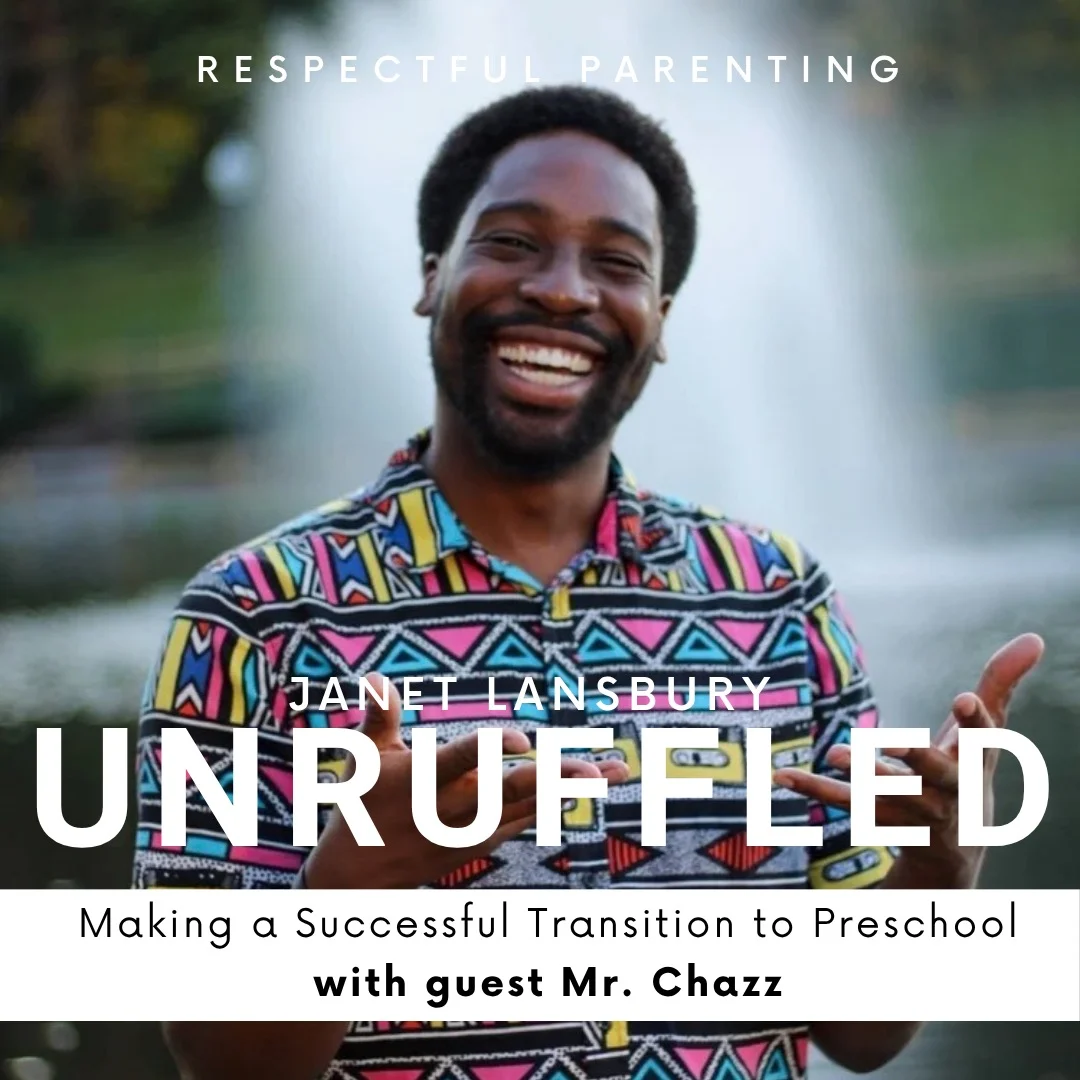
Renowned educator Mr. Chazz joined Janet Lansbury on a recent podcast episode to discuss strategies for navigating the critical transition period into preschool and childcare settings. The conversation, which took place against the backdrop of the annual back-to-school season, highlighted Mr. Chazz’s innovative approach to early childhood education, particularly through his newly established childcare center, "Birdhouse," in Brooklyn. The discussion aimed to equip parents and educators with practical insights for fostering a sense of trust and connection, thereby easing separation anxiety and promoting positive developmental experiences for young children.
Understanding the Preschool Transition: A Conversation with Mr. Chazz
Mr. Chazz, widely celebrated as "America’s favorite teacher," shared his expertise on creating a supportive environment for children entering new educational settings. His philosophy centers on building genuine trust and maintaining a strong connection between parents, children, and educators. This approach, he argues, is fundamental to enabling confident separation and a smooth integration into the school community.
The podcast episode delved into the practicalities of transition, distinguishing between ideal scenarios, like those implemented at Birdhouse, and the realities of many traditional childcare facilities. Mr. Chazz noted that often, established practices prioritize adult convenience over the developmental needs of children and the well-being of educators. "Ninety-nine percent of childcare centers, the way they do the transition is not ideal," Mr. Chazz stated, emphasizing that practices frequently cater to the convenience of adults rather than the optimal needs of children, teachers, or the family unit. This observation underscores a systemic issue within early childhood education that Mr. Chazz aims to address through his work.
The Birdhouse Model: Prioritizing Educator Well-being
A cornerstone of Mr. Chazz’s innovative approach at Birdhouse is the unique living arrangement for its head teacher. By having the head teacher reside in an apartment directly above the school, the center aims to alleviate the financial burden of rent, a significant factor contributing to teacher burnout and high turnover rates in the early childhood sector. This initiative is rooted in the understanding that educators who feel cared for are better equipped to provide attentive and nurturing care to children. "Any parent can very much relate that it is much harder to care for children when you are not cared for yourself," Mr. Chazz explained.
This strategy directly addresses the persistent challenge of teacher retention in early childhood education. According to the National Association for the Education of Young Children (NAEYC), high turnover rates among early childhood educators can negatively impact program quality and child outcomes. By fostering a more sustainable and supportive work environment, Birdhouse seeks to ensure consistency and commitment, benefiting not only the staff but also the children and families they serve. Janet Lansbury remarked on this, noting that such an approach encourages a feeling of commitment and dedication, a vital element for program success and the well-being of the children who rely on consistent caregivers.
Redefining Drop-off and Pick-up: Arrival and Reunion
Mr. Chazz introduced a significant linguistic and philosophical shift at Birdhouse by replacing the terms "drop-off" and "pick-up" with "arrival" and "reunion." This rebranding signifies a move away from the transactional nature of traditional drop-offs, which can often be rushed and emotionally charged. Instead, the focus is on a more integrated and connected experience for both the child and the parent.
The "arrival" process at Birdhouse is designed to be a deliberate and reassuring transition. Parents are encouraged to engage in a brief period of connection with their child and the educators upon entering the classroom. This often involves a personalized greeting, such as a high-five or hug, followed by the child putting away their belongings and preparing for the day, which includes removing shoes and washing hands. Visual aids, such as picture charts, are utilized to guide both children and parents through the routine, providing clarity and reducing uncertainty.
This approach acknowledges that the separation from a parent is a significant emotional event for a child. By facilitating a more gradual and connected transition, Birdhouse aims to help children feel safe and integrated into the classroom environment, making it easier for them to engage in learning and play. The emphasis is on building trust and connection, ensuring that children have a secure base from which to explore their new surroundings.
Bridging the Gap: Strategies for Traditional Settings
Recognizing that not all parents have access to centers like Birdhouse, Mr. Chazz also offered practical advice for navigating more traditional early childhood programs. He stressed the importance of preparation and consistency.
Visual Routines: Creating a simple visual routine card, depicting the steps of arrival in a left-to-right sequence, can be highly effective. This provides children with a clear understanding of what to expect, reducing anxiety. As children become familiar with the routine, they can begin to independently follow the visual cues, fostering a sense of autonomy and competence.
Pre-Visit Preparation: If possible, arranging for the child to visit the classroom or school environment beforehand can be beneficial. This allows them to become familiar with the space, the teachers, and the general atmosphere. Mr. Chazz suggested that parents can create a personalized "book" of the school using photographs, detailing the daily schedule and activities, to help children visualize their experience and build excitement.
Role-Playing: Before the first day, parents can engage in role-playing scenarios with their child at home. This can involve simulating the arrival routine, including greetings, putting away belongings, and saying goodbye. Playful practice can help children anticipate the experience and develop coping strategies, making the actual transition smoother. This "practice before the game" approach can significantly reduce friction and emotional distress during actual school transitions.
Navigating Difficult Emotions: Support and Understanding
The conversation also addressed the inevitable challenges that arise during transitions, particularly when children experience strong emotions, such as sadness or disappointment, upon separation from their parents. Mr. Chazz emphasized that these emotions are natural and an indication of a child’s deep connection with their loved ones.
Acknowledging Feelings: Instead of trying to suppress or dismiss a child’s tears, educators and parents are encouraged to acknowledge and validate their feelings. Phrases like, "It’s okay to feel sad when you miss your mom," can help children feel understood. This approach, Mr. Chazz explained, is crucial for helping children learn to regulate their emotions.
The Role of Educators: In traditional settings where parents may have limited time to stay, educators play a vital role in providing a safe and supportive environment for children experiencing separation anxiety. Mr. Chazz advocates for educators to be present, available, and responsive to the child’s needs, offering comfort and reassurance without forcing interaction. The goal is to build trust so that the child feels safe turning to the educator for support.
Learning Opportunities: Even challenging moments, such as a child crying throughout circle time, can be transformed into powerful learning opportunities. By acknowledging the child’s feelings and inviting the classroom community to offer support, such as taking a deep breath for the child, the entire group can learn about emotional regulation and empathy. This collective response helps children understand that difficult emotions are a part of life and that support is available.
The Importance of Educator Well-being and Continuous Learning
Mr. Chazz underscored the demanding nature of early childhood education, highlighting the significant emotional labor involved. He shared his personal commitment to being in the classroom, finding it more rewarding than extensive travel and speaking engagements. This "mile deep" approach allows for profound engagement with children, parents, and fellow educators, fostering continuous learning and skill development.
He also emphasized the role of cameras in the classroom, not for disciplinary purposes, but as valuable tools for reflection and professional development. By reviewing footage, educators can gain insights into their interactions with children, identify areas for improvement, and engage in collaborative learning discussions. This commitment to ongoing learning and self-reflection is crucial for maintaining high-quality care.
Parental Belief and Child Resilience
A critical element in successful transitions, according to Mr. Chazz, is the parent’s belief in their child’s ability to cope with separation. He stressed that a child’s sadness or distress is not a reflection of parental failure but a testament to their deep love and connection. This understanding can empower parents to leave their children with confidence, knowing they are entering a safe and nurturing environment.
"The belief that they can handle that sad as long as there’s a teacher on the other end who is thinking about how to help a child feel safe, connected, and understood. When you leave, they’ll have a safe place to land," Mr. Chazz articulated. This perspective reframes separation not as a deficit but as an opportunity for a child to develop resilience and trust in their support network. The deep love children have for their parents, he noted, is a strength, enabling them to form profound connections and navigate the complexities of early social experiences.
The discussion concluded with a shared sentiment between Mr. Chazz and Janet Lansbury about the profound and continuous learning that occurs in the field of early childhood education. The insights shared offer a roadmap for parents and educators alike, promoting a more supportive, connected, and developmentally appropriate approach to the critical transition into preschool and childcare.
