

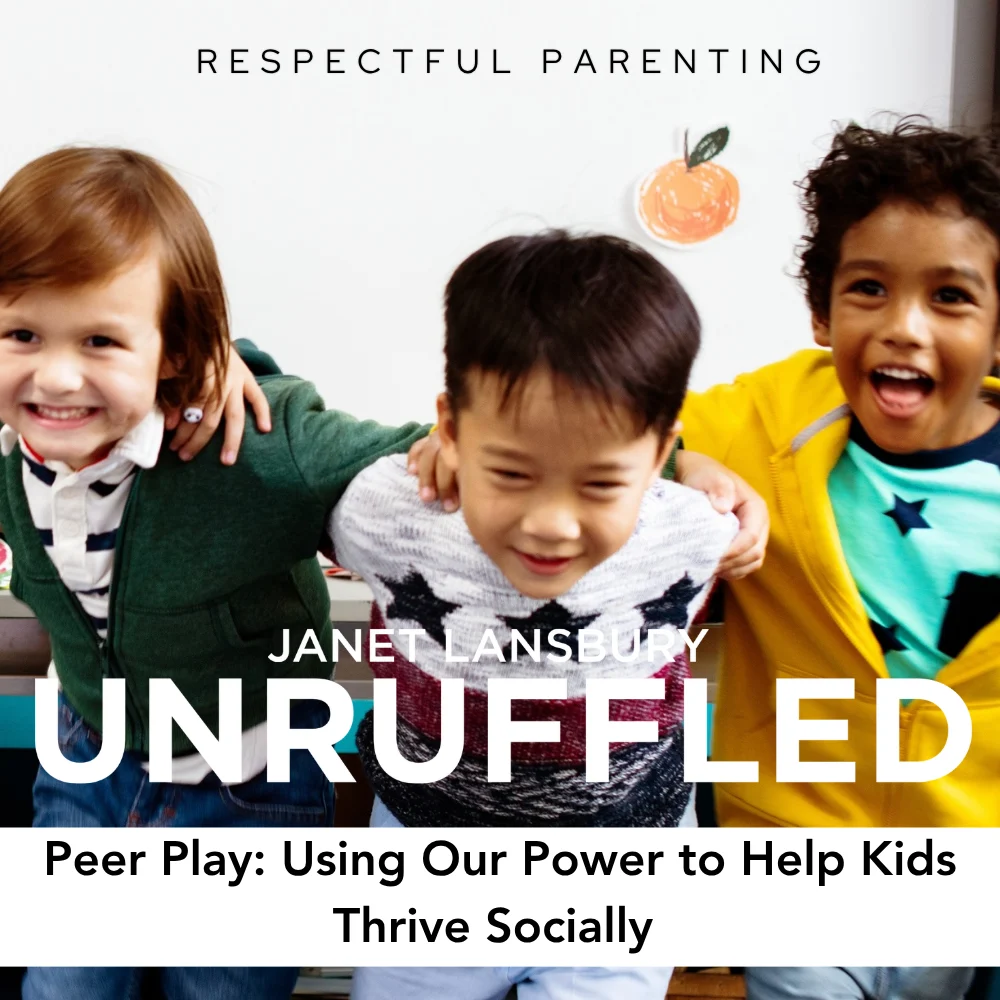
Renowned parenting expert Janet Lansbury, in a recent broadcast of her podcast "Unruffled," addressed critical issues surrounding children’s social development, offering nuanced perspectives on how parental involvement, often well-intentioned, can inadvertently hinder a child’s ability to navigate peer interactions. The discussion, stemming from three parent inquiries, highlights the complex interplay of boundaries, trust, and modeling in fostering social confidence and resilience in young children. Lansbury’s insights, grounded in respectful parenting principles, aim to empower parents by reframing their understanding of their influence on their children’s social well-being.
The "Pretend Play Disaster": When Directives Undermine Collaboration
One of the central case studies presented involved a four-year-old deeply immersed in imaginative play. The parent described how her daughter, while playing pretend, rigidly dictated every line and action for her playmates. The issue escalated when friends deviated even slightly from these scripts, leading to the child’s frustration, anger, and tears. This rigid approach, the parent noted, had become a significant barrier to her daughter’s peer interactions, despite her having a core group of friends.
Lansbury emphasized that this scenario, while appearing to be a "pretend play disaster," often signals a deeper need for parental boundaries. She argued that parents, in an effort to be supportive and engaged, can sometimes cede too much control to their children in play scenarios. This can manifest as an overly accommodating approach where parents attempt to meet every exacting demand of the child’s imaginative world.
Analysis of Parental Influence in Play:
- The Illusion of Support: Parents often feel compelled to participate actively in their child’s pretend play, believing this to be the most effective form of engagement. However, Lansbury suggests this can inadvertently reinforce a child’s need for external direction and control, hindering their ability to adapt and compromise with peers.
- The Role of Boundaries: The inability of the four-year-old to tolerate deviations from her play script points to a lack of experience with reasonable adult boundaries. When parents consistently adhere to a child’s directives, the child may not develop the internal understanding that others have their own desires and limitations. This can lead to frustration and conflict when these expectations are not met in peer interactions.
- Emotional Release Through Play: Lansbury posited that a child’s intense need for control in play might be a mechanism for processing underlying emotions. Four years old is often characterized by a drive for individuation and a testing of boundaries. The rigid play could be an outlet for feelings of powerlessness in other areas of life, or even sibling rivalry, particularly with the arrival of a younger sibling.
Data on Child Development: According to the American Academy of Pediatrics, children aged 3-5 are developing crucial social skills such as sharing, taking turns, and cooperating. While imaginative play is a cornerstone of this development, the ability to negotiate and adapt within a play scenario is equally vital. A lack of this flexibility can impede social integration.
Navigating Playground Dynamics: Bullying, Exclusion, and Respectful Intervention
The second parent inquiry focused on a four-and-a-half-year-old who was being excluded by her peers at the playground. The other girls, who were a year older and reportedly more socially and emotionally developed, would pretend she was a monster, run away, or simply leave her out of their games. The parent, while generally advocating for children to resolve their own conflicts, was seeking guidance on how respectful parenting approaches such situations, especially when the other parents were also beginning to intervene. One instance cited involved a father of one of the girls directly instructing his daughter to include the parent’s daughter, which temporarily resolved the exclusion.
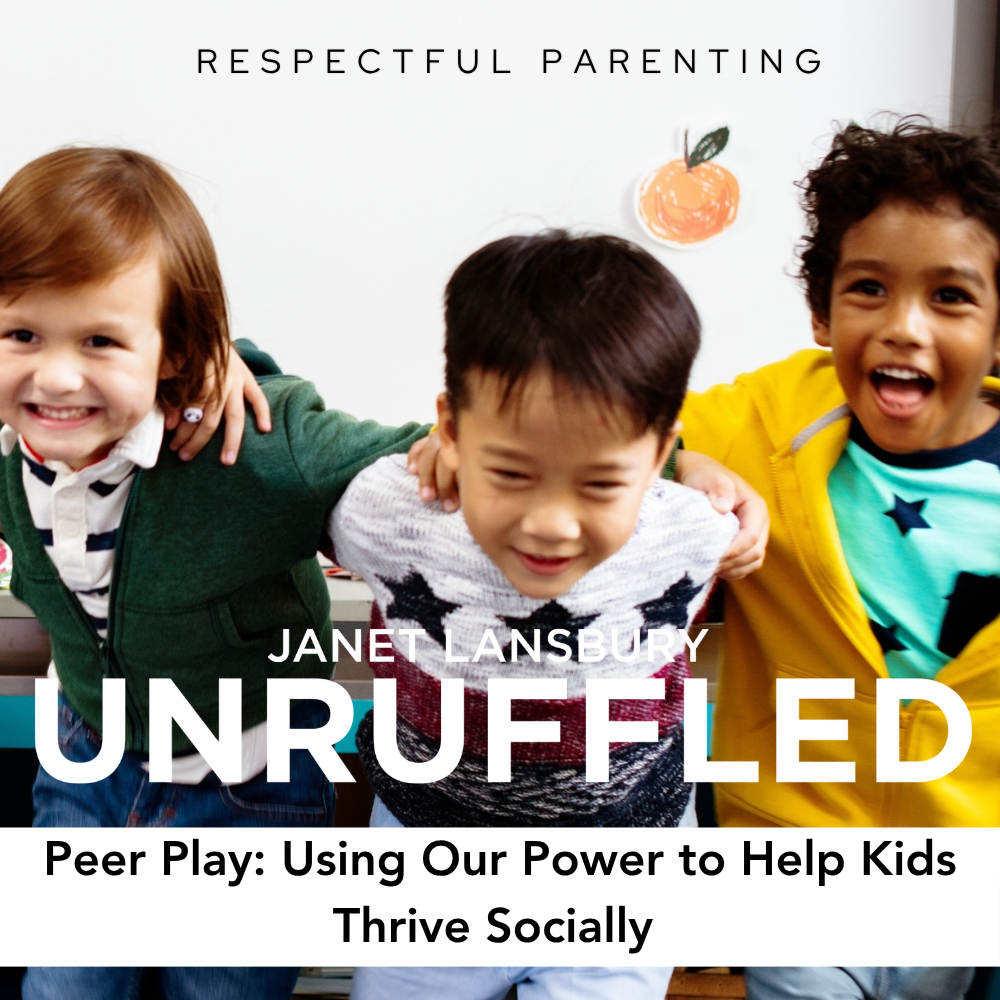
Lansbury offered a critical perspective on the term "bullying" in this context, suggesting it may not be an accurate or helpful label for preschool-aged exclusion. She clarified that while exclusion is painful, it differs from pervasive, targeted harassment.
Reinterpreting "Bullying" in Early Childhood:
- Developmental Gaps: Lansbury highlighted the significance of the one-year age difference in preschool, noting that it can represent a substantial gap in social-emotional development. The older children’s play styles may naturally exclude younger children who are not yet at the same developmental stage.
- The Parent’s Role in Perception: The tendency for parents to label such situations as "bullying" can inadvertently cast their child as a victim and may lead to over-intervention. Lansbury encouraged parents to view these as challenging social learning opportunities rather than outright attacks.
- The Impact of Adult Intervention: While the father’s intervention temporarily solved the immediate problem, Lansbury suggested that such direct adult orchestration, while well-intentioned, might not foster long-term social skill development. Children learn most effectively through their own experiences and the natural consequences of their interactions.
Broader Implications for Peer Relationships:
- Learning from Rejection: Lansbury underscored the importance of allowing children to experience rejection and exclusion as part of their social learning journey. These experiences, while difficult, can build resilience and teach children valuable lessons about what works and what doesn’t in peer dynamics.
- Parental Trust as a Foundation: The key intervention, according to Lansbury, lies in trusting the child’s ability to navigate these situations. This involves setting realistic expectations about group play with older children and being present to listen to the child’s feelings without attempting to "fix" the situation.
- The Power of Choice: Offering children a choice about whether to engage in potentially challenging social situations can empower them and foster a sense of agency. If a child understands that a particular group may not include them, they can make a more informed decision about participating, thereby building confidence regardless of the outcome.
The Reserved Three-Year-Old: Trusting the Pace of Social Comfort
The final inquiry, a brief question posed on Instagram, concerned how to help a reserved three-year-old become more comfortable around other people. Lansbury’s response centered on the principle of trust, emphasizing that pushing or coaxing a child to be more social can be counterproductive.
Fostering Comfort Through Trust:
- Respecting Individual Timelines: Children develop at their own pace, and social comfort is no exception. Forcing a reserved child to interact can create anxiety and reinforce their reluctance. Instead, Lansbury advocates for allowing the child to observe and engage on their own terms.
- Parental Presence as a Secure Base: A parent’s calm and steady presence can provide a secure base for a reserved child. While it is acceptable for the child to stay close to the parent, Lansbury cautioned against parents following their child around, as this can undermine the child’s own exploratory efforts.
- Setting Boundaries for Parental Needs: Lansbury stressed the importance of parents setting reasonable boundaries for themselves, even as they support their child’s comfort. This includes maintaining their own sense of self and not becoming overly enmeshed in managing the child’s social anxieties.
Analysis of Social Development Data: Research in child psychology consistently shows that children who feel secure in their relationships with caregivers are more likely to explore their environment and engage with peers. For reserved children, this security is paramount. Pushing them prematurely can disrupt this process, leading to increased anxiety.
Conclusion: Empowering Parents Through Understanding and Trust
Janet Lansbury’s insights from "Unruffled" offer a powerful framework for parents seeking to guide their children through the complexities of social interaction. The core message revolves around understanding the profound influence parents wield, not through direct instruction or over-intervention, but through the establishment of healthy boundaries, the unwavering practice of trust, and the powerful example set by their own relational dynamics. By reframing challenging social situations as opportunities for growth and by trusting in their children’s innate capacity to learn and adapt, parents can equip their children with the confidence, resilience, and genuine social skills necessary to thrive. The journey of social development, Lansbury concludes, is not always on our timetable, but with mindful guidance and a belief in our children’s process, we can indeed help them navigate it successfully.
