

As the United States marks the 25th anniversary of the September 11 terrorist attacks, the national discourse has shifted from the immediate shock of the 2001 tragedy to a deeper exploration of resilience, the evolution of urban identity, and the enduring strength of familial support systems. In New York City, where the physical and emotional scars remain part of the architectural and social fabric, the milestone is being met with both somber reflection and a celebration of the "village" mentality that has sustained its residents for a quarter-century. This anniversary serves as a focal point for personal narratives that bridge the gap between the chaotic weeks of late 2001 and the contemporary landscape of 2026, highlighting how individual experiences of migration and loss have coalesced into a collective history of perseverance.
The dialogue surrounding this anniversary has been particularly poignant within digital community spaces, where long-form storytelling and personal testimonials have replaced the ephemeral social media posts of previous years. One such narrative that has gained significant attention involves Joanna Goddard, a prominent digital publisher and longtime New York resident, whose personal timeline of arrival in the city illustrates the profound uncertainty that gripped the nation in the autumn of 2001. Her account, shared alongside hundreds of others, underscores a common theme: the intersection of personal ambition and national tragedy.
A Delayed Migration: The Chronology of September 2001
The transition from the summer to the fall of 2001 was intended to be a period of professional commencement for thousands of young Americans. For Goddard, then a resident of Michigan, the plan was to drive to New York City on September 13, 2001, to begin an unpaid internship at Cosmopolitan magazine on September 15. The closure of airspace, the grounding of transport, and the sheer magnitude of the devastation in Lower Manhattan necessitated a drastic shift in plans. Like many others slated to join the city’s workforce that month, her arrival was delayed by four weeks as the city grappled with the immediate aftermath of the attacks on the World Trade Center.
Goddard eventually moved to Manhattan on October 15, 2001, entering a city that was still in the throes of recovery. This period was characterized by a pervasive sense of mourning, as the search for remains continued at Ground Zero and the smell of debris lingered in the air. The "scary and devastating time" described by those who arrived in the immediate wake of the attacks highlights the resilience required to build a life in a city under duress. Twenty-five years later, these individuals form a cohort of New Yorkers whose identity is inextricably linked to the post-9/11 recovery era.
The Tribute in Light: A Beacon of Collective Memory
Central to the 25th-anniversary observances is the Tribute in Light, an art installation that has become the most recognizable visual symbol of remembrance in New York City. First presented on March 11, 2002, to mark the six-month anniversary, the installation consists of 88 7,000-watt xenon light bulbs positioned in two 48-foot squares that mirror the shape and orientation of the Twin Towers.
The lights, which can reach up to four miles into the sky, are visible from a sixty-mile radius on clear nights. For residents like Goddard, who can view the memorial from their homes, the installation has transitioned from a reminder of loss to a "holy" annual tradition. In 2026, the Tribute in Light remains a logistical feat, managed by the 9/11 Memorial & Museum. The installation requires a team of technicians and an intricate power grid to maintain the beams from dusk on September 11 until dawn on September 12.
Environmental groups have also played a role in the evolution of this memorial. Since the lights coincide with the peak of the bird migration season, the National Audubon Society and the 9/11 Memorial & Museum have maintained a long-standing agreement to monitor the beams. If more than 1,000 birds are seen circling in the lights or appearing exhausted, the beams are turned off for 20-minute intervals to allow the birds to disperse. This intersection of urban memorialization and ecological stewardship reflects the city’s broader commitment to harmony and preservation.
The "Of Course" Mentality: The Role of the Extended Family
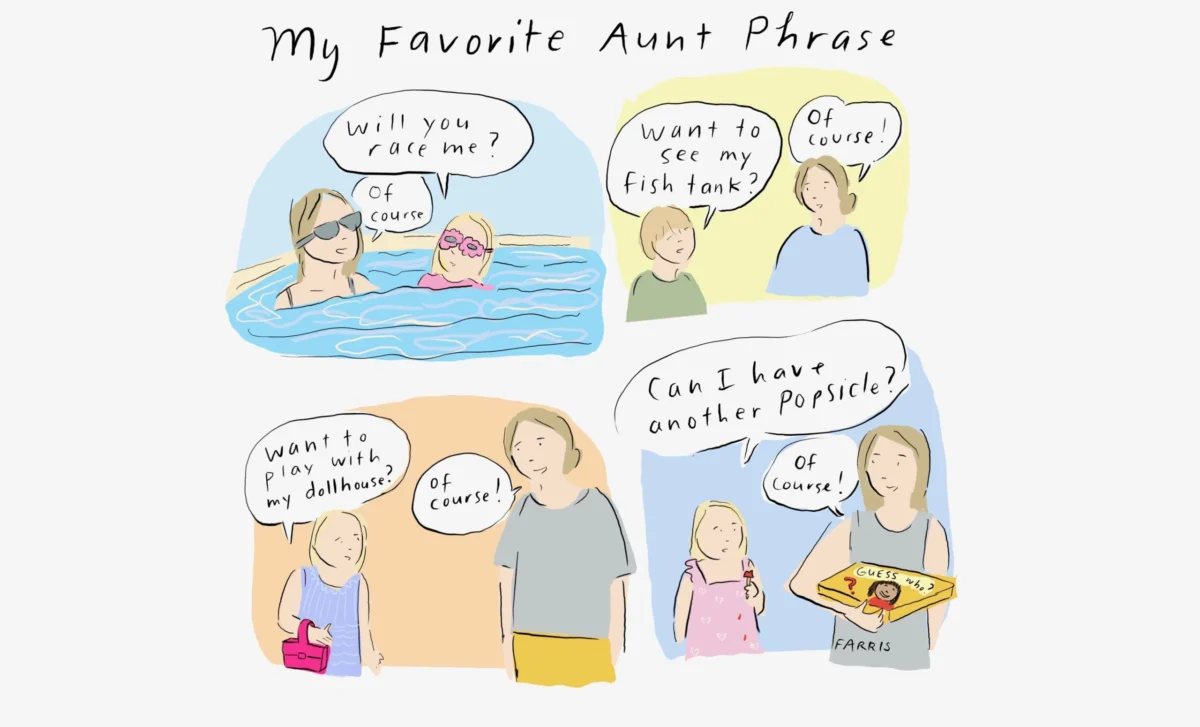
Beyond the official ceremonies at the National September 11 Memorial & Museum, the anniversary has sparked a broader conversation regarding the role of the extended family in times of crisis. A recurring theme in community discussions is the "Of Course" mentality—a term used to describe the reflexive, selfless support provided by aunts, uncles, and siblings. This phenomenon has gained sociological interest as a cornerstone of emotional resilience in post-trauma societies.
Anecdotal evidence from diverse demographics suggests that the bonds between non-parental relatives and children have intensified over the last two decades. Whether it is an aunt standing in for a parent at a college "Parents’ Weekend" due to a family medical emergency, or an uncle guiding a twenty-year-old nephew through the complexities of a 401(k) sign-up package, these interactions represent a vital safety net.
Psychologists suggest that the "Of Course" response—an immediate, unquestioning affirmative to a request for help—serves as a stabilizing force for the younger generation. In the context of the 9/11 anniversary, many families reflect on how the loss of 2,977 lives in 2001 led to a heightened valuation of "the village." The commitment to being present for nieces and nephews, from the triviality of riding water slides to the gravity of attending major life events, is seen as a living tribute to the importance of human connection.
Socioeconomic Implications of the "Aunt and Uncle" Network
The role of the "PANK" (Professional Aunt, No Kids) and similar familial roles has also been analyzed through a socioeconomic lens. In 2026, as the cost of living and education continues to rise, the financial and emotional labor provided by extended family members is more critical than ever.
- Financial Literacy: As evidenced by the 401(k) anecdote, aunts and uncles often serve as secondary mentors, providing practical life advice that may be more easily received than advice from a parent.
- Emotional Support during Medical Crises: The story of a niece receiving a cherished, sentimental sweatshirt from an aunt ahead of an "intense surgery" illustrates the role of symbolic gestures in fostering courage.
- Logistical Redundancy: The ability of a sibling to "stand in" at university events ensures that the social and emotional development of the student remains uninterrupted by family health crises.
These dynamics suggest that the "nuclear family" model is increasingly being supplemented by a "constellation family" model, where the support system is broad and multi-generational.
Reflections on a Quarter-Century of Change
The New York City of 2026 is vastly different from the city of 2001. The One World Trade Center stands as a testament to architectural progress, and the surrounding Financial District has been transformed into a vibrant residential and commercial hub. However, the legacy of 9/11 is not merely found in steel and glass but in the shared memories of those who lived through the era.
Official statements from city leaders on this 25th anniversary emphasize the concept of "active remembrance." This involves not only looking back at the events of September 11 but also looking forward at how the lessons of that day—unity, bravery, and compassion—are applied in modern life. The 9/11 Memorial & Museum continues to record oral histories, ensuring that the nuances of individual experiences, such as the delay of a young woman’s internship or the specific way the light hits the clouds, are preserved for future generations.
Analysis of Implications
The enduring nature of these reflections suggests that the impact of September 11 has moved into a "legacy phase." For those who were children or young adults in 2001, the anniversary is a time to reconcile their youthful ambitions with the historical gravity of the time they lived through. The "Of Course" spirit is perhaps the most significant cultural export of this era—a shift toward radical availability for one’s kin.
As the nation observes this milestone, the data supports a trend toward deeper community engagement. Volunteerism typically spikes around the anniversary, and there is a documented increase in the documentation of family histories. The narrative of 9/11 is no longer just a story of a single day; it is a story of the twenty-five years that followed—a period defined by the persistent choice to show up for one another, to build lives in the face of uncertainty, and to always answer the call for help with a resounding "of course."
In conclusion, the 25th anniversary of September 11 serves as a reminder that while the skyline has been rebuilt, the true infrastructure of the city and the nation lies in its people. From the shimmering beams of the Tribute in Light to the quiet, personal gestures of family members, the legacy of the day is found in the light that continues to shine through the clouds, both literally and metaphorically. The stories of those who arrived in the city during its darkest hour and stayed to see its resurgence provide a roadmap for resilience that will likely endure for another twenty-five years and beyond.
