

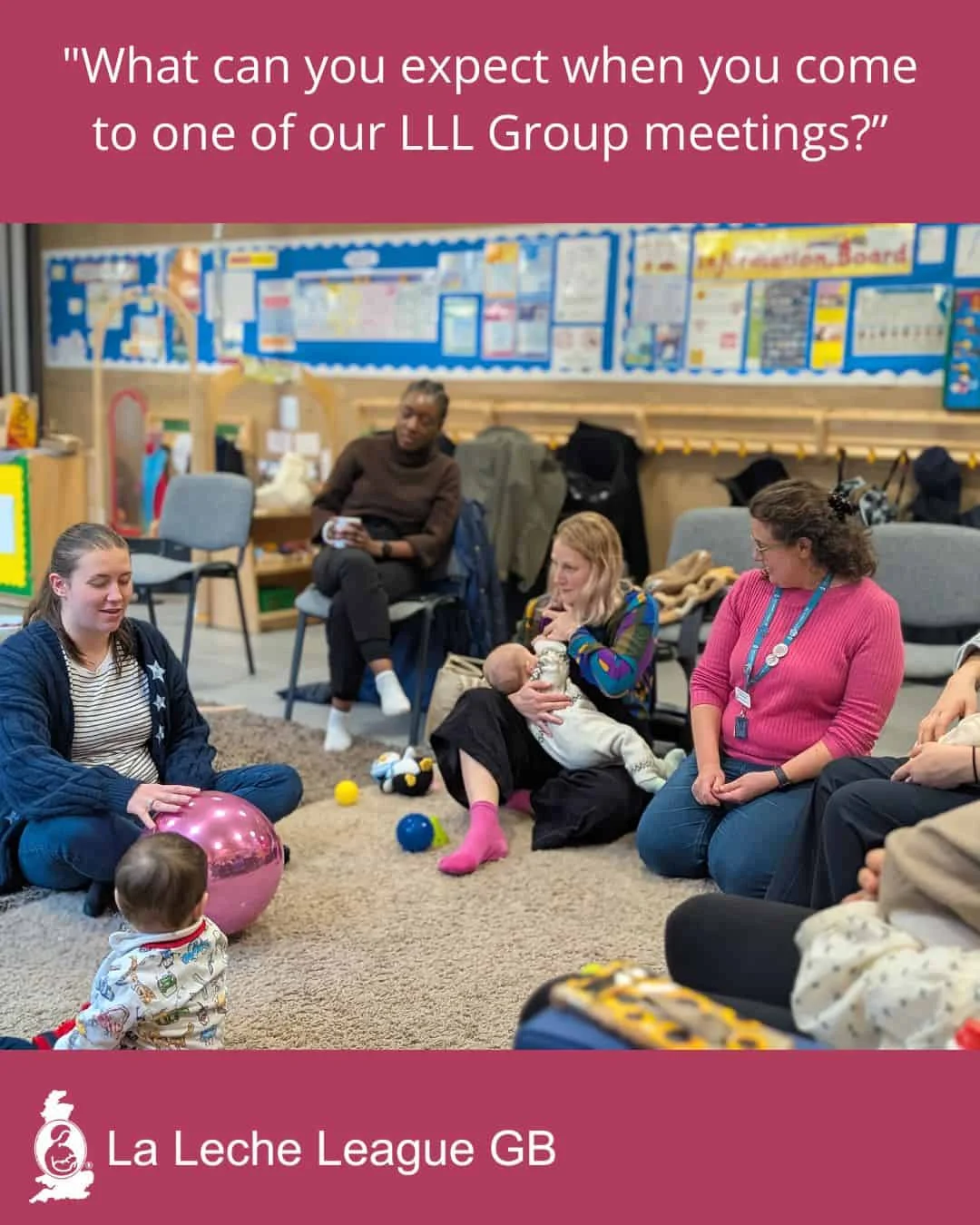
The recent La Leche League (LLL) Barnet circle, a gathering of mothers from diverse backgrounds, illuminated the intricate landscape of returning to the workplace while sustaining breastfeeding. Held on [Infer a recent date, e.g., a specific day of the week if applicable, or generally "a recent session"], the meeting served as a vital forum for shared experiences, practical advice, and emotional support, underscoring the profound biological and emotional complexities inherent in this transition. With little ones ranging from three to 20 months, the attendees represented various stages of motherhood—solo mothers, those with older children, and mothers grappling with the imminent or recent return to professional life. The overwhelming sentiment was one of profound connection amidst varied circumstances, highlighting a shared journey through what is often one of a mother’s most significant personal and professional junctures.
The LLL Barnet Gathering: A Microcosm of Maternal Experience
The core of the discussion at the LLL Barnet session revolved around the pervasive anxiety associated with significant life changes for breastfeeding mothers, particularly the return to work. Participants articulated a deep-seated feeling of being biologically wired to care for their infants, making the prospect of separation daunting. The anticipation of a baby’s distress in their absence, whether returning part-time or full-time, emerged as a potent emotional hurdle, often preceding the practical considerations. This "emotional ride before it’s a practical one" resonated deeply with the group, acknowledging the psychological weight mothers carry.
Logistical discussions focused on maintaining exclusive breastfeeding (EBF) alongside employment. Several mothers outlined plans for three nursery days per week, a common strategy to balance work commitments with continued nursing. One mother candidly shared her stressful experience with pumping, ultimately finding that her baby adapted well without it, offering a gentle but powerful reminder that there is no singular "right" path. The conversation also touched upon the introduction of bottles, with some families opting to bypass them entirely in favour of a cup, depending on the baby’s developmental stage and solid food intake. Between six and twelve months, milk remains a critical nutritional source, and the group emphasized the importance of self-compassion if a child still heavily relies on it.
A significant point of reflection was the rapid developmental changes in infants. The period between two and four months, for instance, can bring about radical growth, making it challenging to predict a baby’s adjustment to new routines. However, the prevailing sentiment was that transitions frequently unfold more smoothly than anticipated. A central concern for primary caregivers—the intimate knowledge of their babies—was also addressed. Trusting others with a child’s care can feel vulnerable, yet one mother recounted her pleasant surprise at the knowledge and attunement of nursery staff. The advice was clear: proactive communication, asking questions, and seeking reassurance can alleviate anxiety for both mother and child.
The phenomenon of "reverse cycling," where babies increase night feeds to compensate for daytime separation, was discussed as a common and normal adaptation for breastfed infants. Many babies, initially hesitant to take milk from sources other than the breast, gradually adapt to the predictable rhythms of nursery life—play, snack, nap, home—and settle into the new structure over time. Preparing for nursery also involved practical steps, such as one mother planning an evening out with her partner, entrusting a grandparent with bedtime. This initiative fostered a shared sense of releasing anxiety and trusting the process, with the overarching belief that "everyone survives" and that mothers, too, benefit from carving out time for themselves. The session concluded with a powerful affirmation of the tenderness and honesty shared, reinforcing that mothers are not alone in navigating these significant transitions.
Contextualizing the Challenge: Breastfeeding and the UK Workplace
The experiences shared at the LLL Barnet meeting are not isolated incidents but reflect a broader national and global challenge faced by breastfeeding mothers. In the UK, while breastfeeding initiation rates remain relatively high, continuation rates drop significantly as mothers return to work. According to Public Health England data, approximately 81% of mothers initiate breastfeeding, but by six to eight weeks, this figure falls to around 47%, and by six months, it’s closer to 34%. For mothers returning to work, these numbers are further impacted by practical and systemic barriers.
UK parental leave policies provide a framework, with mothers typically eligible for up to 52 weeks of Statutory Maternity Leave, with the option to share a portion of this leave with their partner. However, financial realities often dictate a much shorter absence from work. Many mothers return within six to nine months, precisely when infants are still heavily reliant on milk for nutrition and comfort. The right to request flexible working arrangements is enshrined in law, and employers are legally required to provide suitable facilities for expressing and storing milk, as well as breaks for this purpose. However, the reality on the ground can vary significantly, with many workplaces lacking adequate provisions or a supportive culture.
The Biological and Emotional Landscape of Return to Work
The "biologically wired to care" theme discussed at LLL Barnet speaks to the profound neurobiological changes experienced by mothers. Hormones like oxytocin, often called the "love hormone," and prolactin, essential for milk production, foster a deep bond and a powerful instinct to protect and nurture the infant. This biological imperative clashes with the demands of modern professional life, creating a unique form of cognitive and emotional dissonance. The anxiety associated with separation is not merely psychological; it is rooted in evolutionary biology, where proximity to the caregiver ensures the infant’s survival. Anticipating a baby’s distress triggers a primal protective response in the mother.
This intense emotional journey often precedes the practical logistics of returning to work. Before a mother can even consider pumping schedules or childcare arrangements, she must navigate the internal landscape of guilt, worry, and the profound shift in her identity from full-time caregiver to working professional. The transition involves a complex interplay of maternal attachment, societal expectations, and personal aspirations, making it a fertile ground for emotional vulnerability.
Navigating Logistics: Practical Strategies and Adaptations
For breastfeeding mothers, the practicalities of returning to work are multifaceted. The decision to pump or not to pump is often a significant one. While pumping allows for continued provision of breast milk in the mother’s absence, it comes with its own set of challenges: the need for a reliable pump, dedicated time for expression, access to private and hygienic facilities, and proper storage for expressed milk. The stress associated with maintaining supply, cleaning equipment, and adhering to a strict schedule can be overwhelming, as one LLL Barnet mother attested.
Alternatives exist, such as maximizing direct feeding during non-work hours, introducing solids earlier, or supplementing with formula if necessary. The choice between bottle and cup feeding also depends on the baby’s age and developmental readiness. For babies over six months, who are also starting solids, a cup can be a viable option, reducing the need for bottles altogether and potentially avoiding "nipple confusion" for some infants.
Childcare choices—nurseries, childminders, grandparents, or nannies—each present different considerations. Trust in caregivers is paramount, and the LLL Barnet discussion highlighted the importance of open communication with childcare providers to ensure a consistent approach to the baby’s needs and feeding routine. Babies, despite their initial resistance, often adapt remarkably well to new environments and routines. The concept of "reverse cycling" is a testament to this adaptability; infants instinctively compensate for daytime separation by increasing feeds when reunited with their mothers, often at night. This natural mechanism ensures continued milk intake and reinforces the mother-infant bond.
Preparing for separation can involve gradual steps, such as leaving the baby with another trusted caregiver for short periods, as one mother planned with a grandparent. This gradual exposure helps both mother and baby acclimate to temporary separations, building confidence and resilience for the larger transition to full-time childcare.
The Role of Support Networks: Beyond the LLL Circle
La Leche League International, founded in 1956, plays a crucial role globally and locally in supporting breastfeeding mothers. Its mission is to help mothers to breastfeed through mother-to-mother support, encouragement, information, and education. The LLL Barnet circle exemplifies this mission, providing a safe, non-judgmental space for mothers to share, learn, and draw strength from collective experience. These peer-support networks are invaluable, offering practical tips, emotional validation, and a sense of community that can counteract feelings of isolation.
Beyond LLL, other support systems contribute to a mother’s successful return to work. The National Health Service (NHS) in the UK offers health visitor services, lactation consultants, and antenatal classes that provide foundational information. Online communities and forums also offer accessible platforms for advice and camaraderie. Crucially, employers who provide comprehensive parental leave policies, flexible working options, and dedicated facilities for breastfeeding mothers demonstrate a commitment to employee well-being that extends beyond legal minimums. A supportive workplace culture can significantly ease the transition, reducing stress and increasing retention rates.
Implications and Broader Impact
The challenges faced by breastfeeding mothers returning to work have far-reaching implications, extending beyond the individual family unit.
Maternal Mental Health: The stress and anxiety associated with balancing breastfeeding and work can significantly impact a mother’s mental health. Studies have shown a correlation between workplace stress and an increased risk of postnatal depression or anxiety. Support groups like LLL, along with understanding employers and partners, act as crucial protective factors, fostering resilience and mitigating negative mental health outcomes. When mothers feel supported, they are better equipped to manage the demands placed upon them, leading to improved overall well-being.
Child Development: The ongoing benefits of breastfeeding for infant health and development are well-documented. Breast milk provides optimal nutrition, antibodies that boost immunity, and contributes to cognitive development. Sustaining breastfeeding, even part-time, after returning to work continues to confer these benefits. Therefore, societal structures that enable mothers to combine breastfeeding with employment directly contribute to public health outcomes by supporting healthier children.
Economic Impact: From an economic perspective, supporting breastfeeding mothers in the workplace is not just a welfare issue but a strategic business decision. Companies that offer comprehensive support for working parents often see reduced absenteeism, higher employee morale, and increased retention rates. The cost of replacing an employee far outweighs the investment in supportive policies for new mothers. Furthermore, a healthier workforce and healthier children reduce the burden on public health services.
Societal Responsibility: Ultimately, the challenges faced by breastfeeding mothers returning to work highlight a broader societal responsibility. It calls for continuous improvement in parental leave policies, stronger enforcement of workplace accommodations, and a cultural shift towards greater understanding and appreciation for the dual role of working mothers. Investing in robust childcare infrastructure, promoting flexible working as a norm rather than an exception, and fostering supportive community networks are essential steps towards creating a society where mothers are not forced to choose between their professional aspirations and their desire to provide the best start for their children.
The LLL Barnet meeting, with its candid discussions and shared wisdom, serves as a poignant reminder of the resilience of mothers and the enduring power of community support. The journey of combining breastfeeding with a return to work is undeniably complex, but with adequate support, practical strategies, and a societal framework that acknowledges and champions their efforts, mothers can navigate this transition successfully, benefiting themselves, their families, and society at large.
