

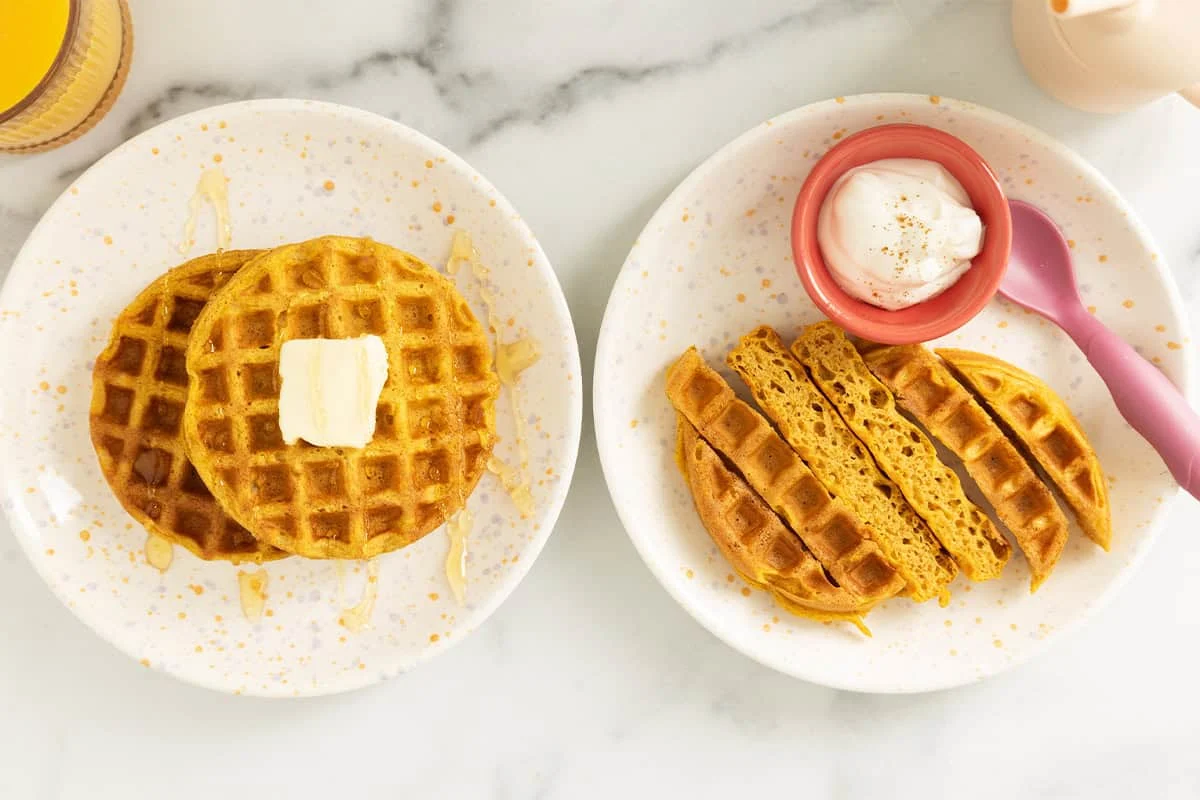
The culinary landscape of family nutrition is currently witnessing a significant shift toward the integration of functional ingredients into traditional breakfast staples, as evidenced by the rising popularity of nutrient-dense Pumpkin Waffles. This evolution in morning meal preparation reflects a broader consumer demand for recipes that balance ease of execution with high-value nutritional profiles, particularly within the demographic of parents and caregivers. By utilizing a one-bowl methodology and incorporating significant quantities of pumpkin puree, this specific culinary preparation addresses the dual challenges of time-constrained domestic schedules and the necessity for pediatric-friendly, vitamin-rich food options.
The Evolution of the Seasonal Breakfast Profile
Historically, pumpkin-flavored items were relegated to a narrow window of the autumnal season, often characterized by high sugar content and artificial flavorings. However, recent dietary trends indicate a move toward "clean label" homemade alternatives that utilize real vegetable purees. The Pumpkin Waffle has emerged as a frontrunner in this category, offering a texture that maintains the classic "crisp edge and tender middle" desired in Belgian-style waffles while significantly augmenting the fiber and micronutrient content.
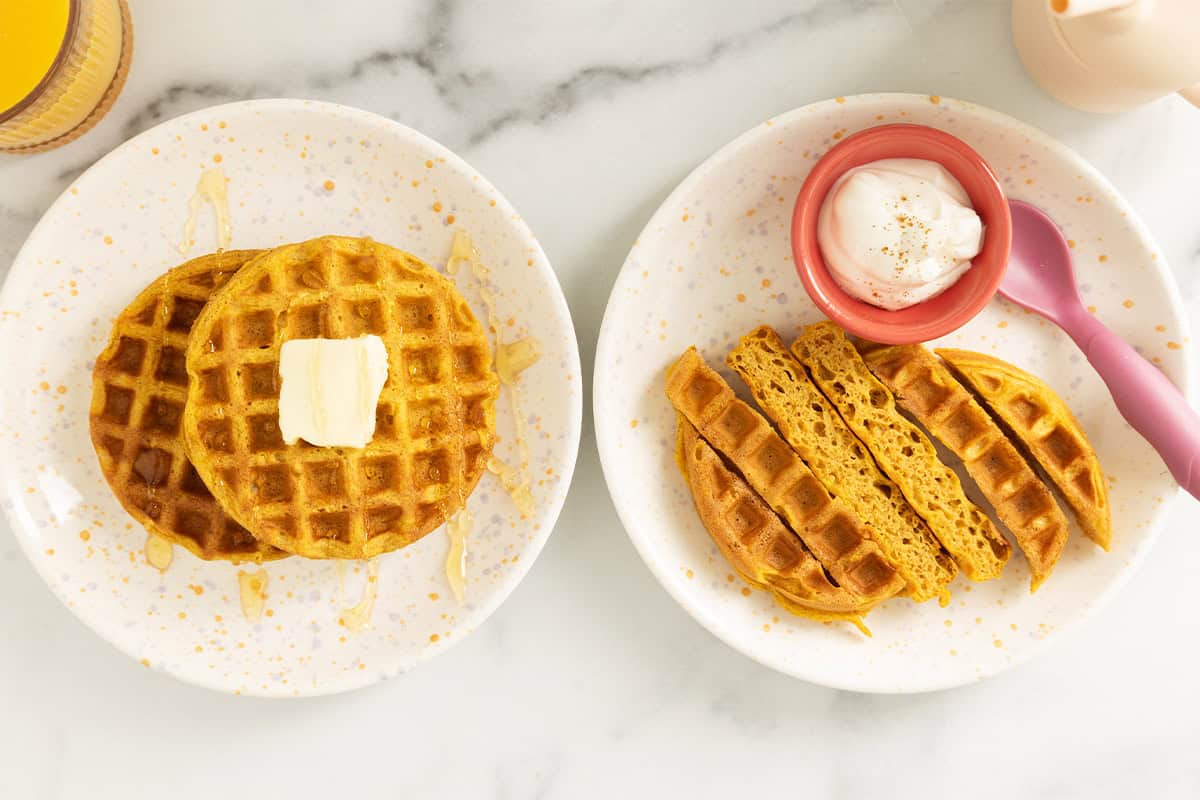
Market analysis suggests that the "pumpkin spice" phenomenon has matured beyond a mere flavor trend into a foundational element of nutritional planning. According to agricultural data, the demand for canned pumpkin and fresh pie pumpkins has stabilized year-round as consumers recognize the health benefits of the Cucurbita family. This shift is particularly evident in the "toddler food" sector, where the natural sweetness of pumpkin allows for a reduction in added refined sugars, a primary concern for modern pediatric nutritionists.
Nutritional Analysis and Biochemical Benefits
The nutritional density of pumpkin-based batters provides a compelling case for its inclusion in the standard diet. A standard serving of these Pumpkin Waffles, typically consisting of two units, delivers approximately 226 calories. More significantly, the micronutrient profile is headlined by an exceptional concentration of Vitamin A, often exceeding 5,000 IU per serving.
Vitamin A, primarily in the form of beta-carotene, is essential for maintaining ocular health, supporting immune function, and promoting healthy skin and cell growth. Furthermore, the inclusion of pumpkin increases the dietary fiber content to approximately 5 grams per serving. Fiber is a critical component in stabilizing blood glucose levels and promoting digestive regularity in developing children.
The protein content, sitting at 9 grams per serving, is derived from the synergistic combination of whole eggs, milk, and wheat flour. This protein-to-carbohydrate ratio is strategically designed to provide sustained energy release, preventing the "glucose crash" often associated with traditional high-sugar breakfast cereals and processed frozen waffles.
Technical Specifications of the One-Bowl Methodology
The rise of the "one-bowl" cooking method is a direct response to the increasing complexity of modern life. In the context of Pumpkin Waffle preparation, this efficiency does not compromise the structural integrity of the final product. The process is divided into two primary phases: the emulsification of wet ingredients and the incorporation of dry leavening agents.
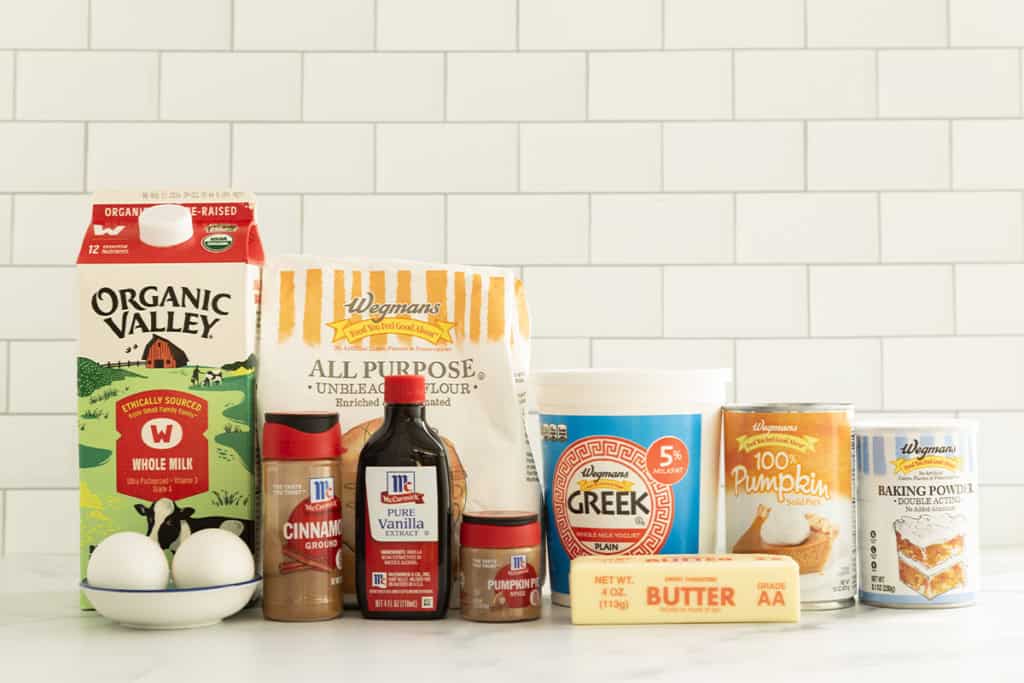
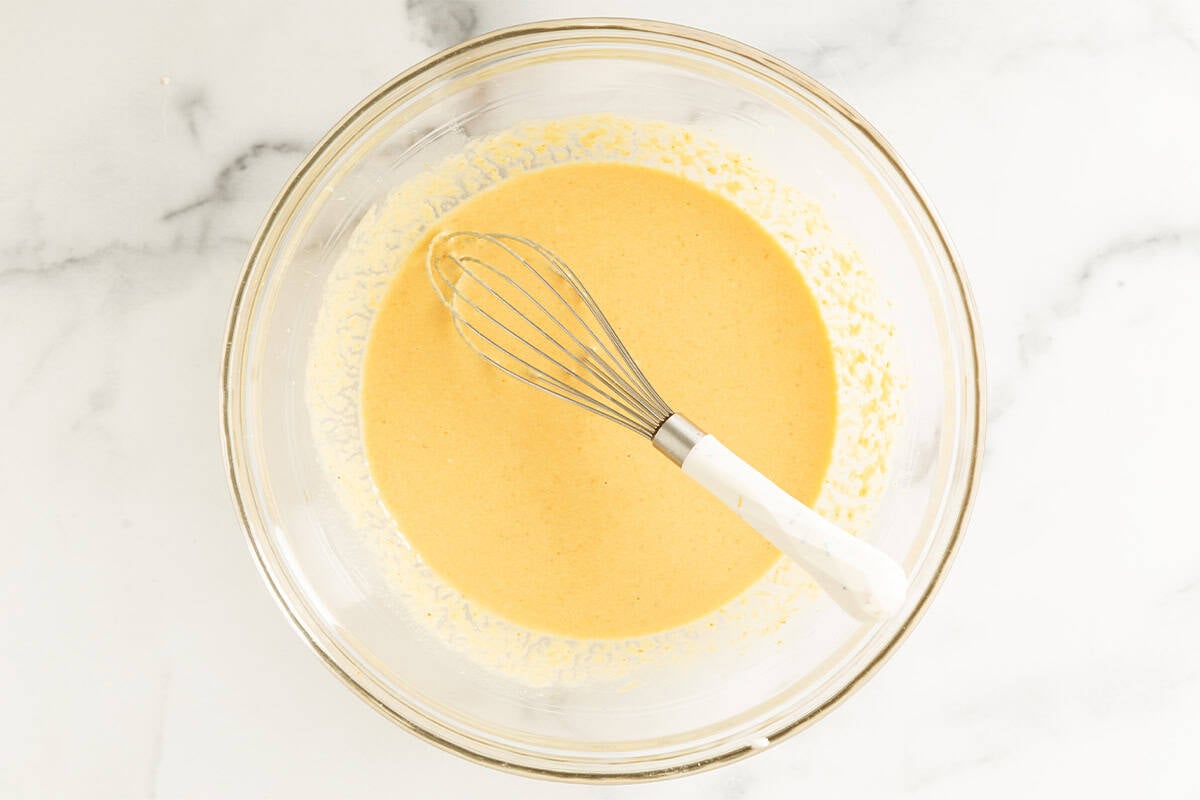
- Phase One: Emulsification. The process begins with the whisking of pumpkin puree, whole milk, melted unsalted butter, eggs, and vanilla extract. This phase is crucial for ensuring that the lipid molecules from the butter and eggs are evenly distributed throughout the aqueous pumpkin and milk base.
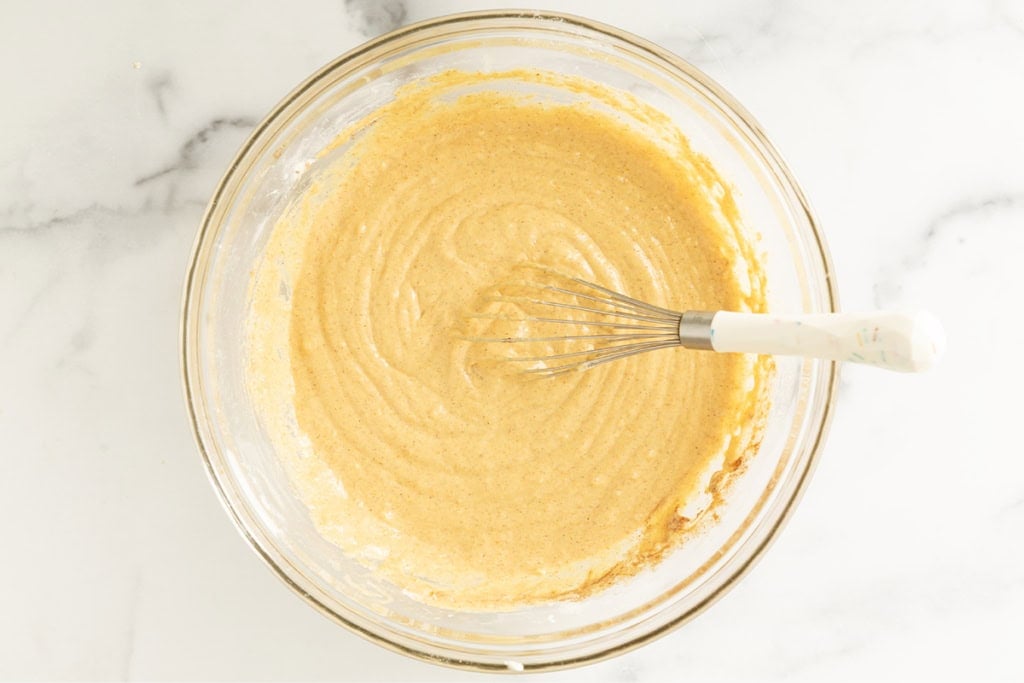
- Phase Two: Aeration and Structure. The subsequent addition of all-purpose flour, baking powder, salt, and a minimal amount of sugar creates the batter’s structure. The baking powder acts as the primary leavening agent, reacting with the moisture and heat to produce carbon dioxide gas, which results in the characteristic "fluffiness" of the waffle.
Culinary scientists note that the moisture content of pumpkin puree requires a precise balance of flour to prevent the waffle from becoming overly dense. The recommended use of a 1/3 cup measure for each waffle ensures uniform cooking times and consistent caloric distribution.
Chronology of Preparation and Modern Domestic Logistics
The timeline for producing a full batch of Pumpkin Waffles is approximately 20 to 30 minutes, depending on the size and heat capacity of the waffle iron used. This efficiency has made the recipe a staple for "weekend meal prepping," a logistical strategy employed by an estimated 45% of urban households to manage weekday nutritional needs.
The Reheating and Preservation Cycle:
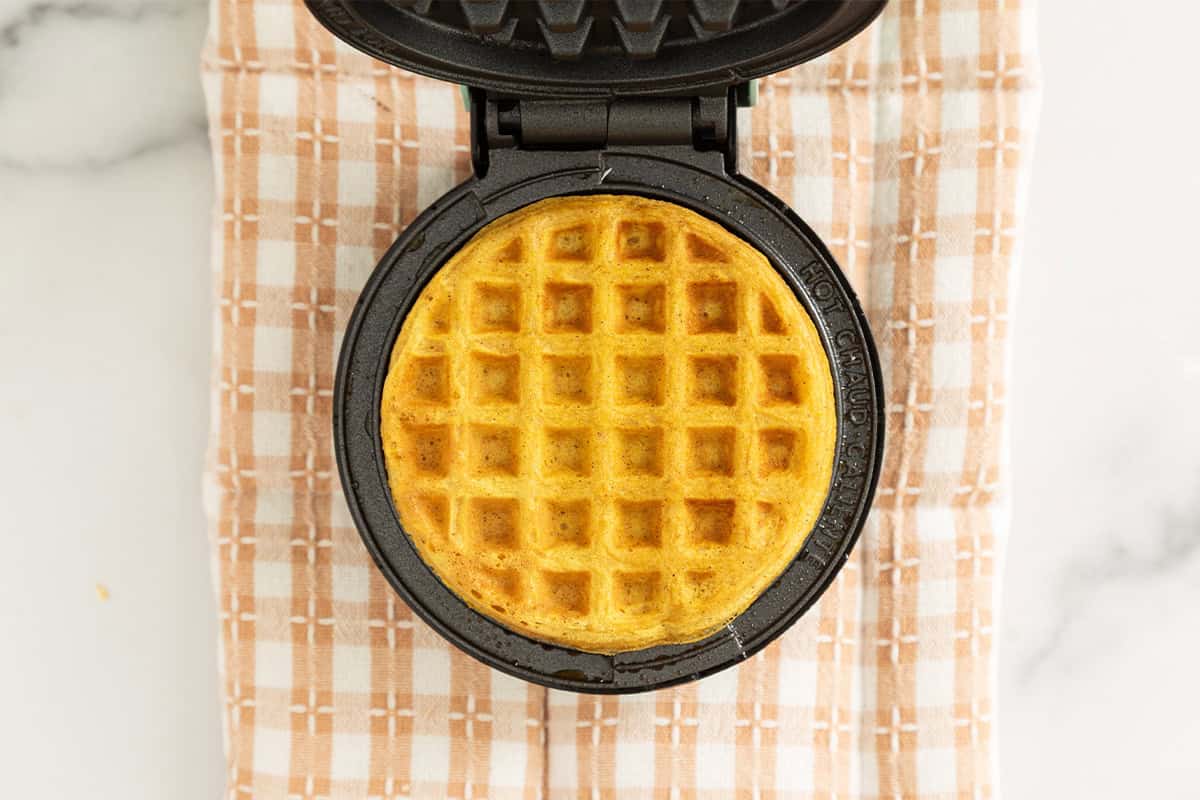
- Initial Production: Waffles are cooked until steam ceases to escape the iron, indicating the internal moisture has reached the optimal level.
- The Cooling Phase: Immediate placement on a wire rack is essential to prevent the accumulation of steam on the bottom surface, which would otherwise lead to sogginess.
- Cryogenic Storage: Once cooled to room temperature, waffles are transferred to zip-top bags and frozen. This prevents the formation of large ice crystals that can degrade the texture upon thawing.
- Thermal Restoration: The use of a toaster oven or standard toaster is recommended for reheating. This method restores the crispness of the exterior through the Maillard reaction—a chemical reaction between amino acids and reducing sugars that gives browned food its distinctive flavor.
Expert Reactions and Pediatric Implications
Pediatric dietitians have reacted positively to the proliferation of vegetable-integrated breakfast recipes. Dr. Elena Richardson, a specialist in childhood nutrition, states, "The primary hurdle in pediatric dieting is the ‘picky eater’ phase. Integrating pumpkin into a familiar format like a waffle allows for the seamless introduction of vitamins and minerals without the sensory aversions often associated with whole vegetables."
Furthermore, the low-sugar profile of this recipe aligns with the World Health Organization’s (WHO) recommendations to limit free sugar intake to less than 10% of total energy intake. By utilizing the natural sugars found in pumpkin and augmenting the flavor profile with warm spices—such as cinnamon, nutmeg, ginger, and cloves—the necessity for heavy syrup application is frequently reduced.
Broader Economic and Agricultural Impact
The shift toward home-cooked, pumpkin-based meals also has implications for the agricultural sector. The United States is one of the world’s leading producers of pumpkins, with states like Illinois, Pennsylvania, and Ohio dedicating thousands of acres to the crop. The transition of pumpkin from a decorative holiday item to a year-round nutritional staple provides a more stable economic forecast for farmers.
Industrial food processors have also noted the trend, with an increase in the production of organic, non-GMO canned pumpkin purees. This availability ensures that the ingredients for Pumpkin Waffles remain accessible regardless of the season, further cementing the dish’s status as a perennial favorite in the modern kitchen.
Comparative Analysis: Homemade vs. Commercial Products
When compared to leading commercial frozen waffle brands, the homemade Pumpkin Waffle demonstrates superior nutritional metrics. Commercial alternatives often contain preservatives such as sodium acid pyrophosphate and artificial colorings like Yellow 5 or Red 40 to mimic the appearance of pumpkin.
In contrast, the homemade version relies on the natural carotenoids of the pumpkin for its vibrant hue. Additionally, the sodium content in the homemade recipe is approximately 395mg per serving, significantly lower than many processed options, which is a vital consideration for maintaining healthy blood pressure levels in both children and adults.
Conclusion: The Future of Nutrient-Dense Family Meals
The Pumpkin Waffle represents more than just a breakfast option; it is a symbol of the intersection between culinary tradition and modern nutritional science. As families continue to seek ways to optimize their health without sacrificing the joy of a warm, comforting meal, the reliance on versatile, vegetable-based batters is expected to grow.
By prioritizing whole ingredients, reducing reliance on processed sugars, and embracing efficient cooking methodologies, the modern household can ensure a foundation of health that begins with the first meal of the day. The continued popularity of recipes like Pumpkin Waffles suggests a permanent change in the breakfast landscape, where nutrition, flavor, and convenience coexist in a single, golden-brown square.
