

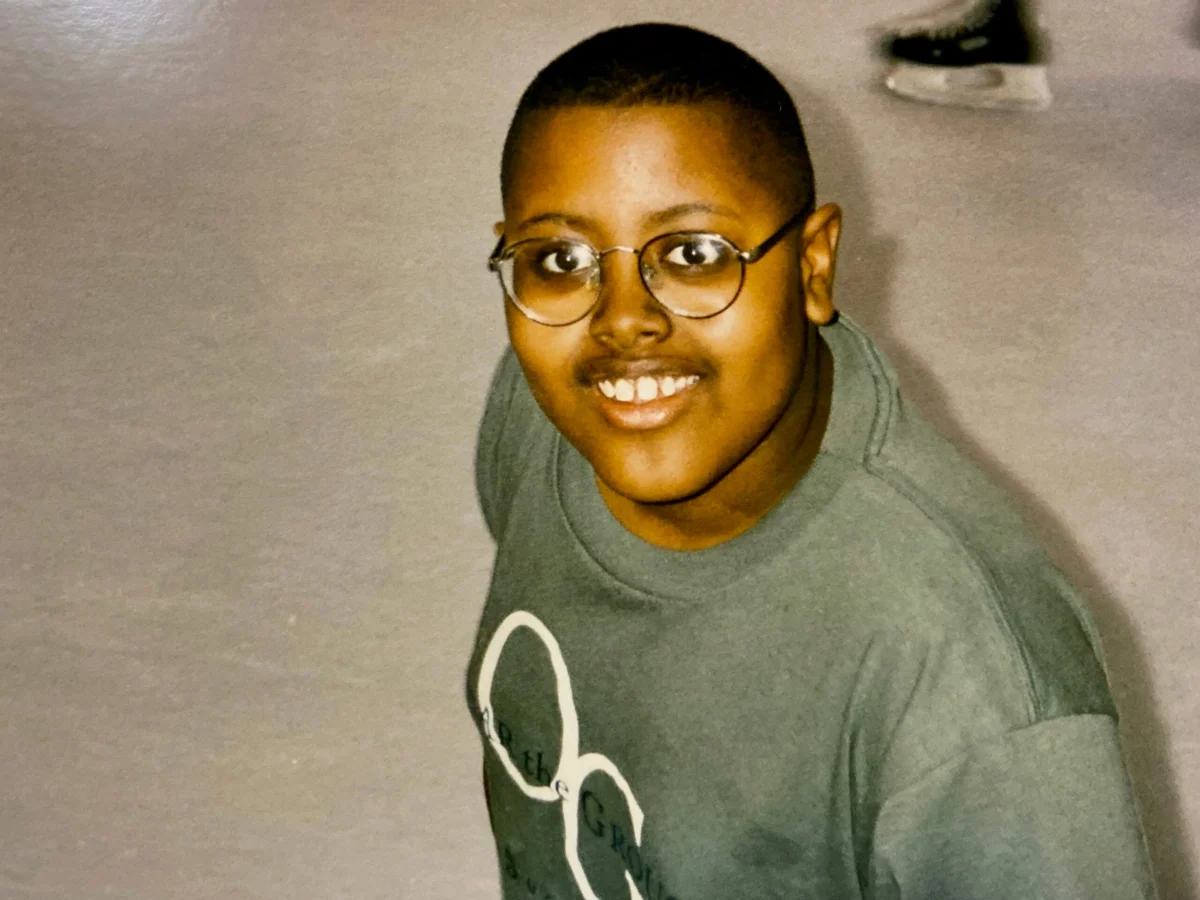
The developmental period encompassing the middle school years, typically defined as the transition between ages 11 and 14, represents one of the most volatile and significant phases of human maturation. While often characterized in popular culture by the challenges of puberty—including physical changes, social instability, and the onset of acne—a growing body of qualitative evidence suggests that this era serves as a critical foundation for adult identity, creativity, and emotional intelligence. Recent observations of adolescent behavior, such as a group of preteen boys engaging in spontaneous communal singing and dancing in a retail environment, highlight a side of the middle school experience that is frequently overlooked: the emergence of genuine independence, the formation of deep-seated creative interests, and the capacity for unexpected social empathy.
The Biological and Sociological Framework of Early Adolescence
To understand the significance of the middle school experience, it is necessary to examine the neurological and sociological shifts occurring during this three-year window. According to the National Institutes of Health (NIH), the adolescent brain undergoes a massive reorganization, particularly in the prefrontal cortex, which governs executive function, and the amygdala, which processes emotions. This biological "rewiring" makes middle school students uniquely sensitive to social feedback and peer inclusion.
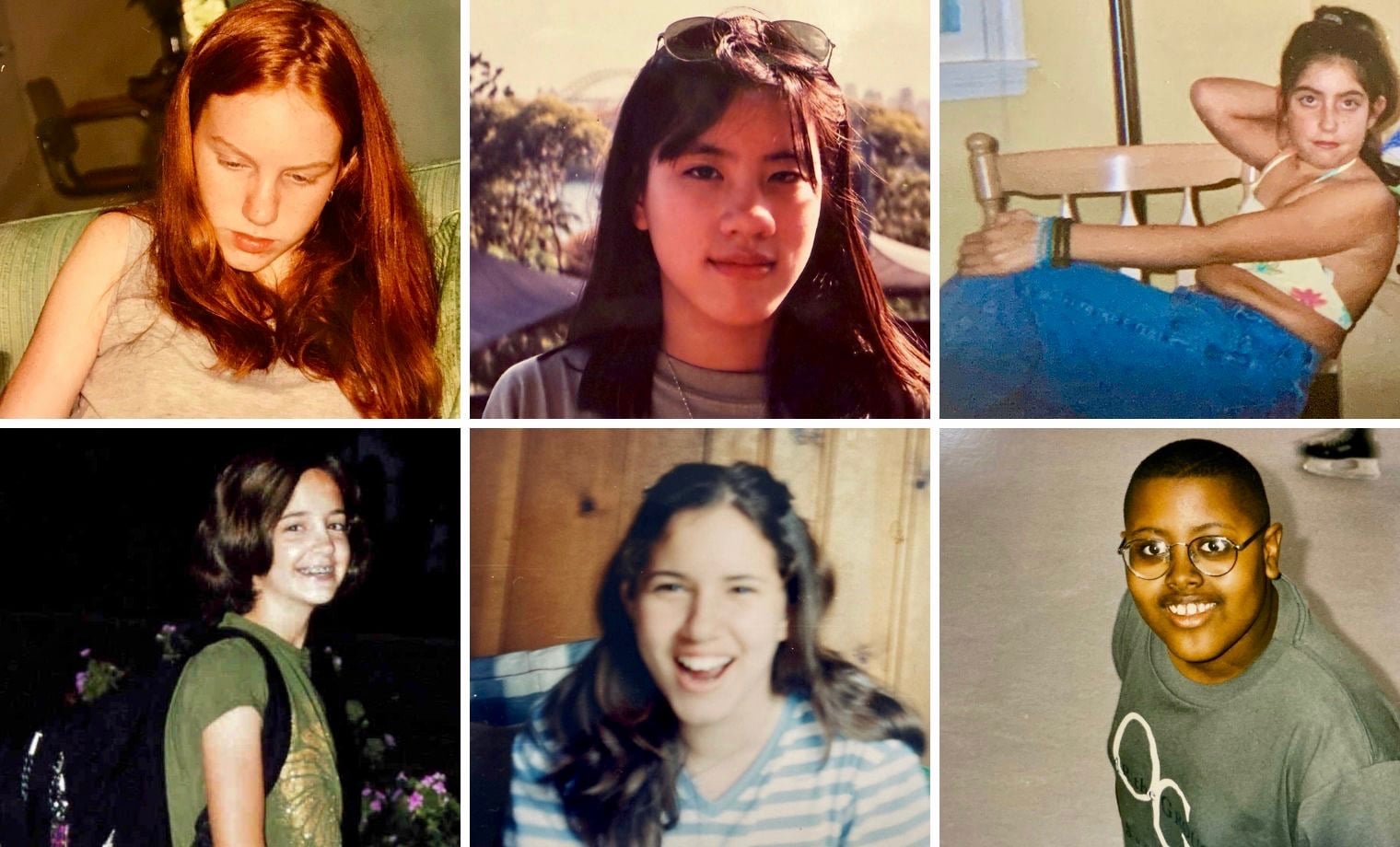
Historically, the "middle school" model was popularized in the United States during the 1960s, spearheaded by educator William Alexander. The goal was to move away from the "junior high" model, which mirrored high school structures, and toward a more supportive, student-centered environment that acknowledged the specific needs of preteens. This transition period is marked by several key developmental milestones: the shift from concrete to abstract thinking, the development of a moral compass independent of parental figures, and the establishment of a "social self" within a peer hierarchy.
Case Studies in Collaborative Creativity and Social Bonding
The middle school years are often the first time individuals engage in complex, long-term creative collaborations without adult supervision. These projects serve as a rehearsal for professional cooperation and emotional processing. For example, Gabby Llewellyn, a writer and contributor to the study of adolescent memory, recalls a seventh-grade project where she and a peer co-authored a romance novel titled Burnable. By trading a notebook back and forth to write fictionalized accounts of their lives, these students were engaging in "narrative identity" development—a process by which adolescents begin to see themselves as the protagonists of their own evolving life stories.
Such collaborative efforts are not merely recreational; they are functional tools for managing the social anxiety inherent in the middle school environment. By externalizing their "pining" and social aspirations into a shared text, these students utilized creative writing as a coping mechanism for the perceived gap between their current social status and their future desires.

The Role of Academic Mentorship in Professional Trajectories
Middle school frequently provides the first instance of "high-stakes" feedback, where an educator’s critique can pivot a student’s self-perception. Miranda Featherstone, whose work has been featured in various literary outlets, highlights the impact of a seventh-grade English teacher who provided nuanced feedback on her writing style. By identifying her as a "best writer" while simultaneously critiquing her tendency to "overwrite," the educator treated the student as a professional peer.
This intersection of praise and critique is a vital component of the "Growth Mindset," a psychological concept developed by Carol Dweck. When students perceive that an authority figure trusts them to handle constructive criticism, it fosters a sense of maturity. The long-term impact of such interactions is significant; decades later, both Featherstone and the classmate who received the same feedback are preparing to publish books, suggesting that middle school mentorship can serve as a primary catalyst for lifelong professional pursuits.
Social Inclusion and the Mitigation of the "Mean Girl" Archetype
A common narrative regarding middle school involves the "mean girl" or "bully" trope, where social hierarchies are enforced through exclusion. However, data from educational sociologists suggests that pro-social behavior and unexpected kindness are equally prevalent, though less frequently documented in media.

Brooke Barker, an illustrator and author, provides a counter-narrative to the standard exclusionary trope. After being placed at a table with the "coolest girls" in her sixth-grade class, Barker expected social isolation. Instead, she was met with immediate inclusion, receiving gifts and invitations to social gatherings. This phenomenon aligns with the "social buffer" theory, which posits that positive peer interactions during high-stress developmental periods can significantly lower cortisol levels and improve academic performance. These moments of radical inclusion are often more formative than the instances of exclusion that dominate the cultural conversation surrounding middle school.
Autonomy and the Development of the "Third Space"
The middle school years mark the first significant foray into physical and consumer autonomy. For many, this is the first time they are permitted to navigate public spaces—such as shopping malls, cinemas, or downtown areas—without direct parental supervision. This "third space" (a social environment separate from home and school) is where true self-discovery occurs.
Ira Madison III, a prominent cultural critic, notes that his weekly solo trips to the cinema to see Jurassic Park in middle school were foundational to his career. The routine of being dropped off at a theater and "reciting every line" allowed for the development of a personal aesthetic and a comfort with solitude. Research into adolescent development suggests that these periods of "structured independence" are crucial for building self-reliance. The ability to enjoy one’s own presence in a public setting is a sophisticated emotional skill that often takes root during the preteen years.

Chronology of the Middle School Experience (Ages 11-14)
The trajectory of the middle school experience can be broken down into a specific chronology of social and physical milestones:
- Entry (Grade 6 / Age 11-12): Focus on logistical transition. Students move from a single-classroom environment to a multi-period schedule. This period is marked by "social mapping," as students from various elementary schools are integrated into a larger pool.
- Peak Transition (Grade 7 / Age 12-13): Often cited as the most difficult year. This is the peak of biological puberty for many. Social hierarchies become more rigid, and the influence of peer opinion reaches its zenith. This is also the prime era for the "first crush" and the first "peck" or romantic gesture, as noted by author Ruth Chan, who recalls the social validation of receiving a gift and a kiss in front of her peers.
- Emergent Independence (Grade 8 / Age 13-14): Students begin to look toward high school. There is a marked increase in rebellion against parental authority—evidenced by style choices like the "Y2K thin eyebrow" trend mentioned by Jordan Sondler—as students assert control over their physical appearance.
Broader Implications and Long-Term Impact
The "highs" of middle school—the goofy dares, the first tastes of independence, and the formation of niche interests—are not merely nostalgic memories; they are essential data points in the study of human resilience. The ability to navigate the shifting friendships and physical changes of the preteen years prepares individuals for the complexities of adult social dynamics.
Furthermore, the "cringe-worthy" aspects of middle school, such as body odor and skin issues, serve as a shared cultural touchstone that fosters empathy. When adults look back on these years, they are often reminded of their own vulnerability, which can lead to more compassionate parenting and mentoring of the next generation.

Conclusion
Middle school is far more than a period of awkward transition to be endured; it is a laboratory for the soul. The anecdotes of writing romance novels, receiving life-changing teacher feedback, and finding solitude in a movie theater demonstrate that the preteen years are a time of profound intellectual and emotional awakening. By reframing the narrative around middle school from one of "survival" to one of "discovery," educators and parents can better support the developmental needs of adolescents. The carefree boys dancing in a store aisle are not just a random occurrence; they are a testament to the resilience and joy that can flourish when the pressures of childhood begin to give way to the possibilities of adulthood. As current data and personal histories suggest, the lessons learned between the ages of 11 and 14 remain some of the most enduring of a person’s life.
