

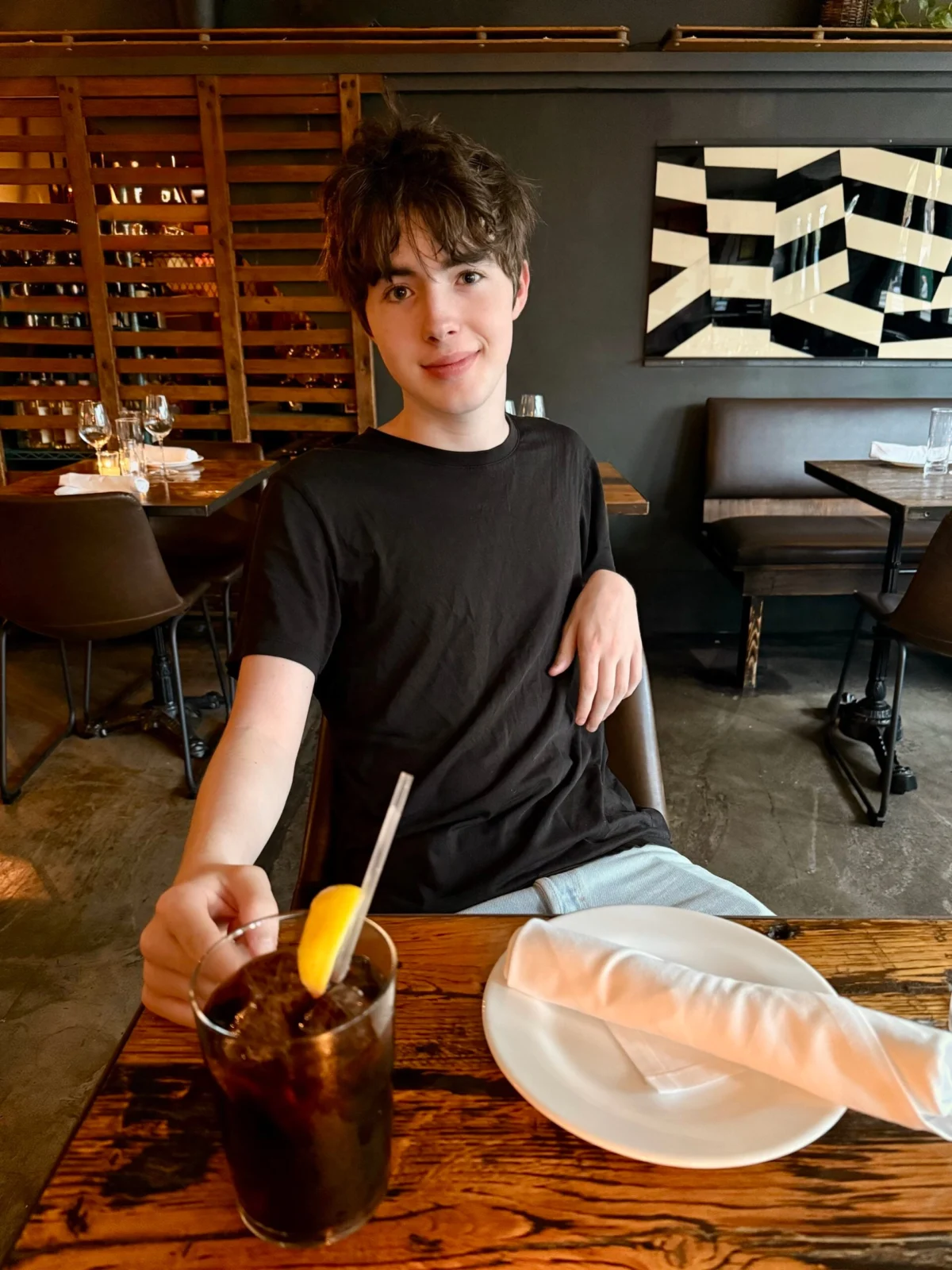
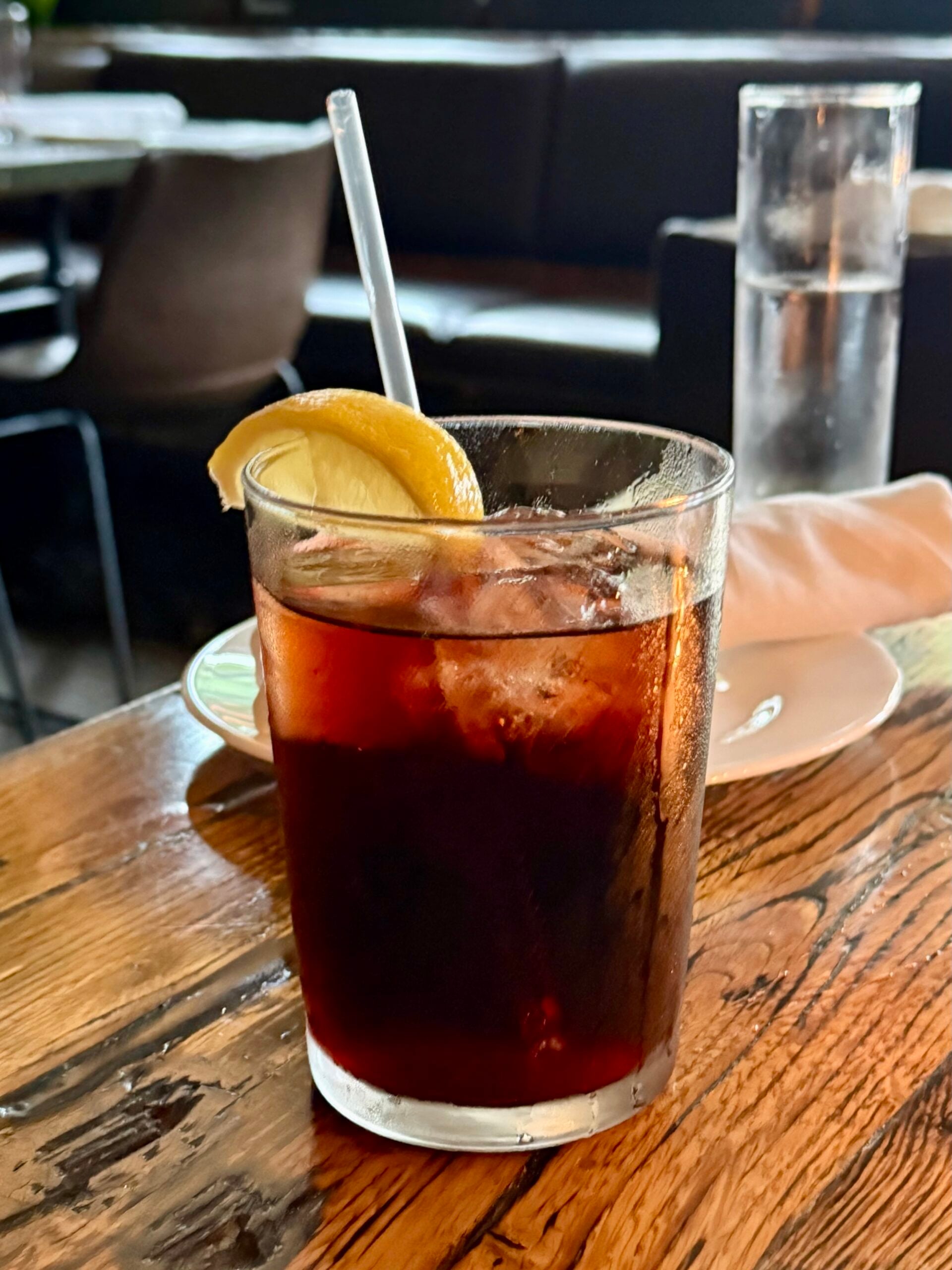
The landscape of American non-alcoholic beverage consumption is undergoing a notable shift as younger demographics, particularly pre-teens and teenagers, move away from traditional "children’s menu" staples in favor of classic mocktails with historical provenance. A primary example of this trend is the renewed interest in the Roy Rogers, a non-alcoholic drink composed of cola and grenadine, often garnished with a maraschino cherry. Long considered the "darker" alternative to the ubiquitous Shirley Temple, the Roy Rogers is being rediscovered by a generation of diners who prioritize flavor complexity and the aesthetic experience of high-end dining environments. Recent observations from metropolitan culinary hubs suggest that this shift is not merely a matter of taste, but a reflection of a broader desire for sophistication and cultural connection among adolescent consumers.
The Anatomy of a Classic: Defining the Roy Rogers
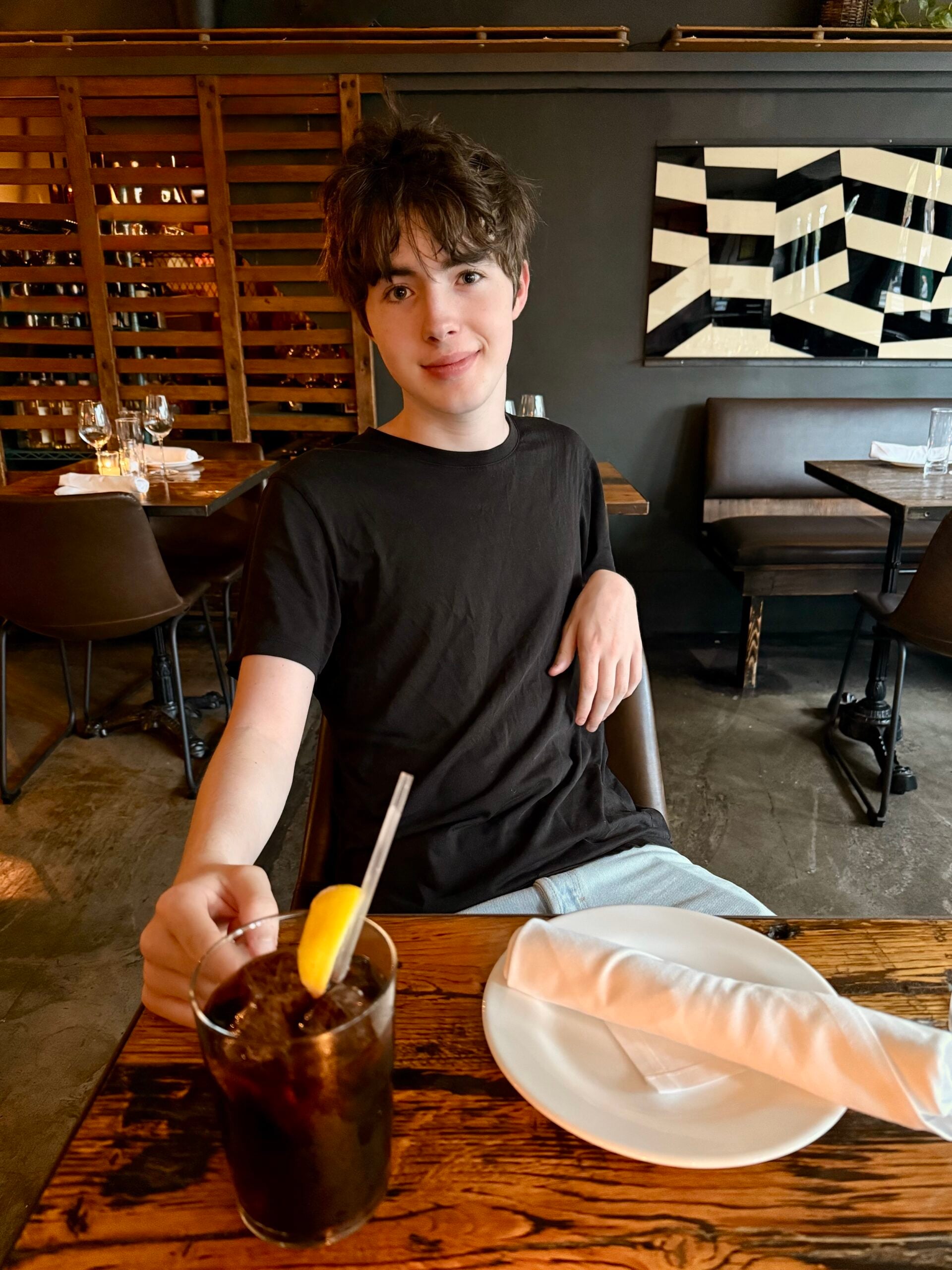
The Roy Rogers is a relatively simple yet distinct beverage that occupies a unique niche in the "temperance drink" category. While the Shirley Temple—consisting of ginger ale or lemon-lime soda mixed with grenadine—has long been the standard non-alcoholic offering for children in American restaurants, the Roy Rogers offers a different profile. By utilizing a cola base, the drink introduces the caramel and caffeine notes inherent to the soda, which are then tempered by the tart sweetness of pomegranate-based grenadine.
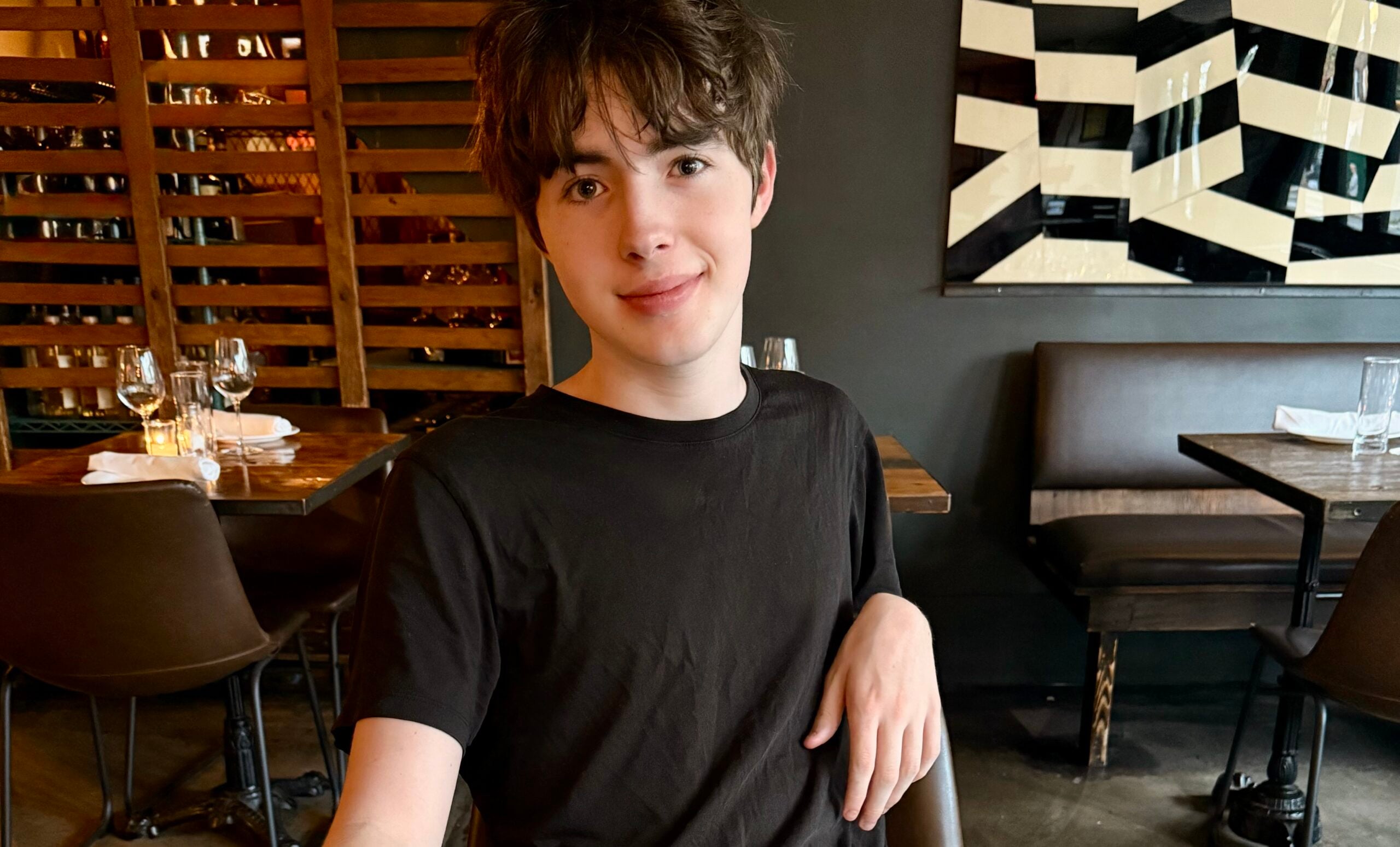
In contemporary dining settings, the distinction between these two drinks is often used as a marker of maturing taste. As noted by young diners like Toby, a frequent patron of New York and Los Angeles establishments, the Roy Rogers provides a "Coke-y" depth that the lighter Shirley Temple lacks. This flavor profile is frequently described as more "exciting" or "grown-up," providing a bridge between the sugary sodas of childhood and the more complex, bitter profiles found in adult cocktails.
Historical Provenance and the "King of the Cowboys"
The drink is named after Roy Rogers (1911–1998), the iconic American singer and actor known as the "King of the Cowboys." Rogers, a prominent figure in Western films and television, was a teetotaler, which necessitated the creation of a sophisticated non-alcoholic option that he could enjoy in social and professional settings. Much like the Shirley Temple was created for the child star of the same name at Chasen’s in Beverly Hills, the Roy Rogers was popularized as a masculine, "sober" alternative that maintained the dignity of a formal bar setting.
The historical timeline of the Roy Rogers follows the trajectory of mid-century American dining culture. In the 1950s and 60s, the drink was a staple of supper clubs and "white tablecloth" restaurants. However, as the late 20th century saw the rise of fast food and the homogenization of soda fountains, the specific nomenclature of the Roy Rogers began to fade from the public consciousness, often replaced by generic "cherry cokes." The current resurgence represents a return to "bartender-led" non-alcoholic preparation, where the proportions of syrup to soda are carefully managed rather than dispensed by an automated machine.
The Institutional Influence of Musso & Frank Grill
Central to the revival of the Roy Rogers is the influence of "legacy" dining institutions that have maintained rigorous standards of service and atmosphere. The Musso & Frank Grill in Los Angeles, established in 1919, serves as a primary touchstone for this trend. Known for its dim lighting, red leather booths, and career bartenders, the restaurant provides a cinematic backdrop that elevates the act of ordering a mocktail into a performative cultural experience.
Adolescent diners have noted that the atmosphere of such institutions—often described as reminiscent of classic cinema, ranging from the high-stakes world of Top Gun: Maverick to the atmospheric tension of Stanley Kubrick’s The Shining—plays a significant role in their beverage choices. The presence of professional bartenders, often dressed in traditional red or black vests, who treat the preparation of a Roy Rogers with the same gravity as a Martini, validates the young diner’s presence in an adult space. This "horror movie" or "noir" aesthetic, created by low-light environments, contributes to a sense of mystery and importance that a standard casual-dining chain cannot replicate.
Supporting Data: The Growth of the Non-Alcoholic Market
The resurgence of the Roy Rogers is supported by broader economic data regarding the non-alcoholic (NA) beverage industry. According to market research reports from 2023 and early 2024, the global non-alcoholic drinks market is projected to grow at a compound annual growth rate (CAGR) of over 5% through 2030. Within this sector, the "premium mocktail" category is seeing the most significant gains.
Data indicates that:
- Gen Z and Gen Alpha Preferences: Younger consumers are more likely to identify as "sober-curious" or "moderate drinkers" compared to previous generations at the same age. This has led to a demand for non-alcoholic options that do not feel like an afterthought.
- The "Social Currency" of Beverages: In the age of social media, the visual appeal of a drink—its color, glassware, and garnish—holds significant value. The deep red hue of a Roy Rogers in a highball glass is viewed as more "Instagrammable" and sophisticated than a plastic cup of soda.
- Menu Diversification: Restaurants that have expanded their NA offerings have reported a 10% to 15% increase in beverage revenue, as families are more likely to order multiple rounds of premium mocktails rather than a single round of free-refill sodas.
The Challenge of "Off-Menu" Ordering and Staff Education
Despite its classic status, the Roy Rogers faces a hurdle in modern service: a lack of historical knowledge among younger waitstaff. Many contemporary servers are unfamiliar with the drink by name, requiring the customer to describe the ingredients—cola and grenadine—to ensure correct preparation. This phenomenon highlights a generational gap in hospitality training.
Toby, a proponent of the drink, suggests that the Roy Rogers is best suited for "fancy" or "fancy-adjacent" restaurants where the staff is likely to have a foundational knowledge of classic mixology. In casual environments, the nuances of the drink may be lost, leading to the recommendation that diners stick to standard sodas in low-stakes settings. This distinction emphasizes a growing "restaurant literacy" among adolescents, who are learning to navigate different tiers of service and adjust their expectations accordingly.
Psychological Dynamics of Adolescent Dining and Etiquette
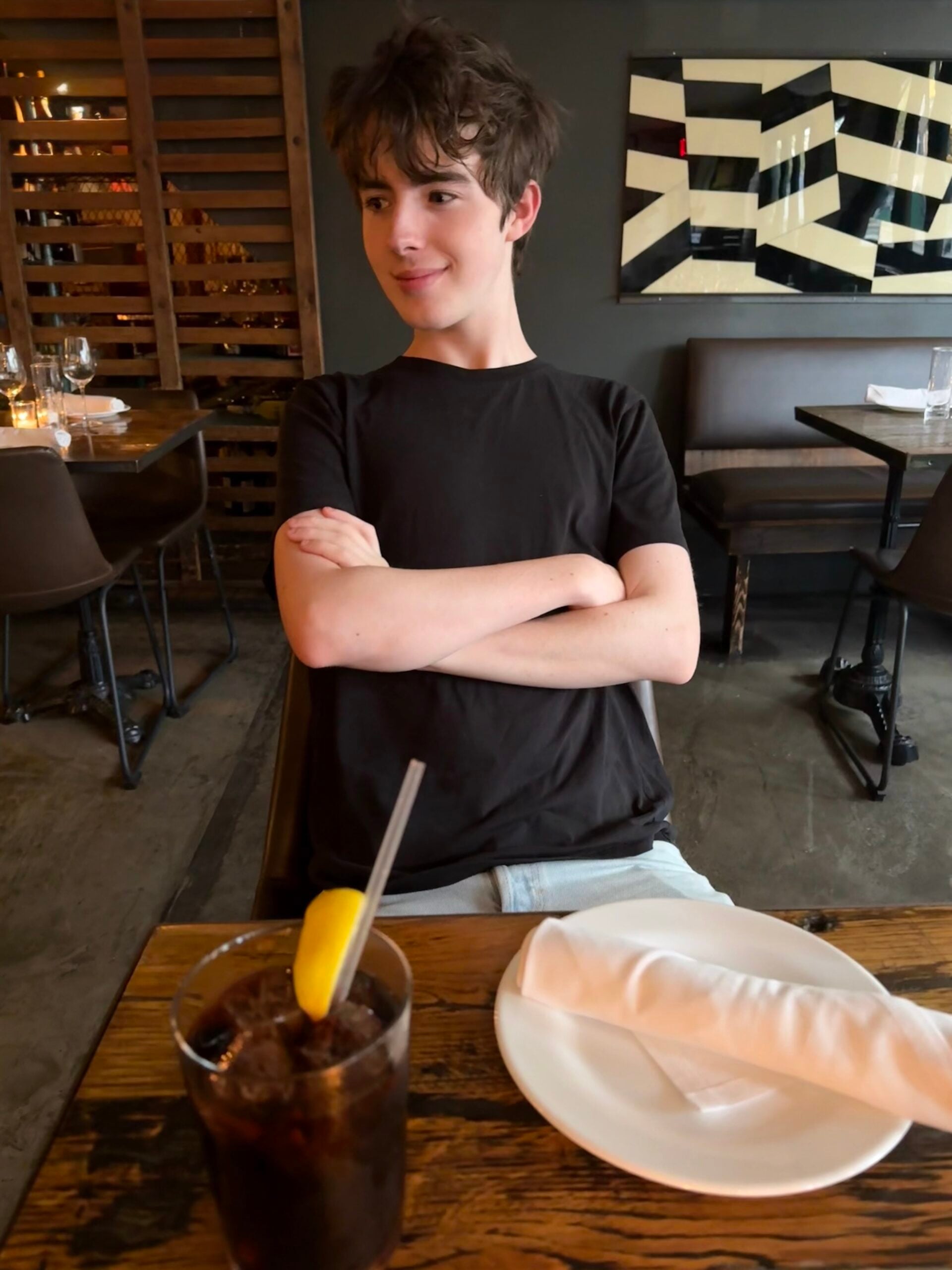
The shift toward the Roy Rogers also speaks to the psychological development of pre-teens and teens as they transition from being "children" to "young adults" in public spaces. Ordering a Roy Rogers is a tactical move in the social theater of a restaurant. It allows the adolescent to participate in the "ritual of the cocktail" without violating age restrictions or personal health boundaries.
Experts in child development and social etiquette suggest that when children are encouraged to engage with a restaurant’s "adult" offerings—such as ordering a specific, named mocktail—it fosters a sense of agency and maturity. It also serves as an entry point for learning "pro tips" for dining out, such as:
- Engaging directly with the server or bartender.
- Understanding the "vibe" or "etiquette" of a specific establishment.
- Recognizing the value of a curated experience over a mass-produced one.
Broader Impact and Implications for the Hospitality Industry
The "Roy Rogers Trend" is a microcosm of a larger movement toward inclusive gastronomy. As restaurants look to recover and thrive in a post-pandemic economy, the "family dining" segment is being re-evaluated. It is no longer sufficient to offer a "kids’ menu" of chicken tenders and fountain sodas. Instead, successful establishments are those that treat younger patrons as "diners-in-training," offering them high-quality, sophisticated alternatives that mirror the adult experience.
The implications for the hospitality industry are clear:
- Bartender Training: Staff must be educated on classic non-alcoholic recipes to meet the demands of a more informed younger clientele.
- Atmospheric Marketing: Restaurants can leverage their history and "vibe" to attract families who are looking for more than just a meal, but a memorable, "cinematic" outing.
- Product Innovation: There is a significant opportunity for beverage companies to market premium grenadines and craft colas specifically for the mocktail market.
In conclusion, the Roy Rogers is more than a simple mixture of cola and syrup; it is a cultural artifact that has found new life in the hands of a sophisticated new generation. Whether it is the caffeine-driven "excitement," the connection to Hollywood history at places like Musso & Frank, or the simple desire to feel like a character in a classic film, the Roy Rogers represents a sophisticated turn in adolescent dining. As this demographic continues to exert influence over family spending and dining habits, the "King of the Cowboys" is likely to remain a fixture of the modern American bar.
