

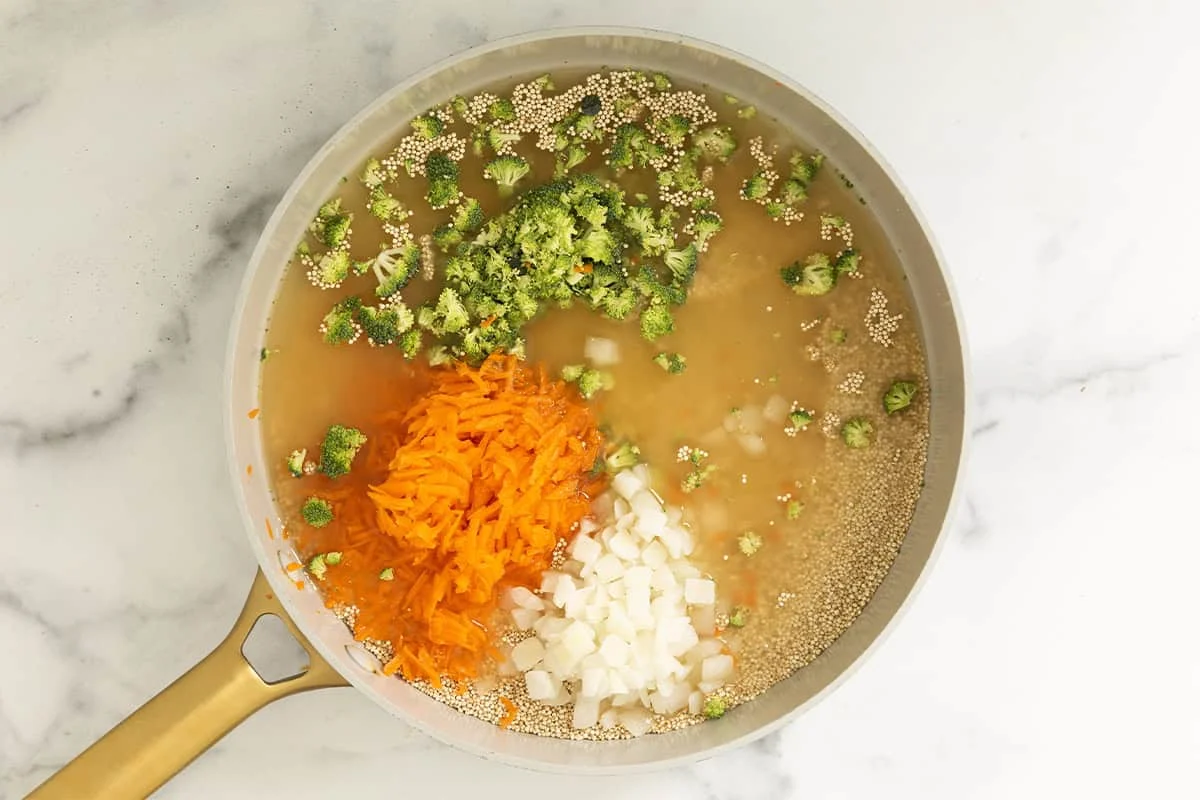
The rising demand for nutrient-dense, time-efficient meal solutions has led to a significant shift in contemporary home cooking, particularly within the demographic of parents managing the dietary needs of toddlers. A newly optimized culinary framework for Veggie Quinoa has emerged as a benchmark for this trend, promising a comprehensive plant-based protein source that can be prepared in under 20 minutes. This development follows the success of grain-based precursors, such as veggie-laden orzo, and reflects a broader movement toward "one-pot" efficiency in domestic kitchens. As families grapple with "time poverty," the ability to deliver a balanced meal featuring three distinct vegetables and a complete protein source in a single cooking vessel represents a notable advancement in meal-prep strategy.
The Nutritional Significance of Quinoa in Pediatric Diets
Quinoa, often categorized as a "superfood," is technically a pseudocereal—a seed that is prepared and consumed like a grain. Its integration into toddler-specific recipes is supported by a robust nutritional profile that addresses several key developmental requirements. Unlike traditional grains such as wheat or rice, quinoa is a complete protein, meaning it contains all nine essential amino acids that the human body cannot produce on its own. This is particularly vital for toddlers, whose rapid growth phases require consistent and high-quality protein intake.
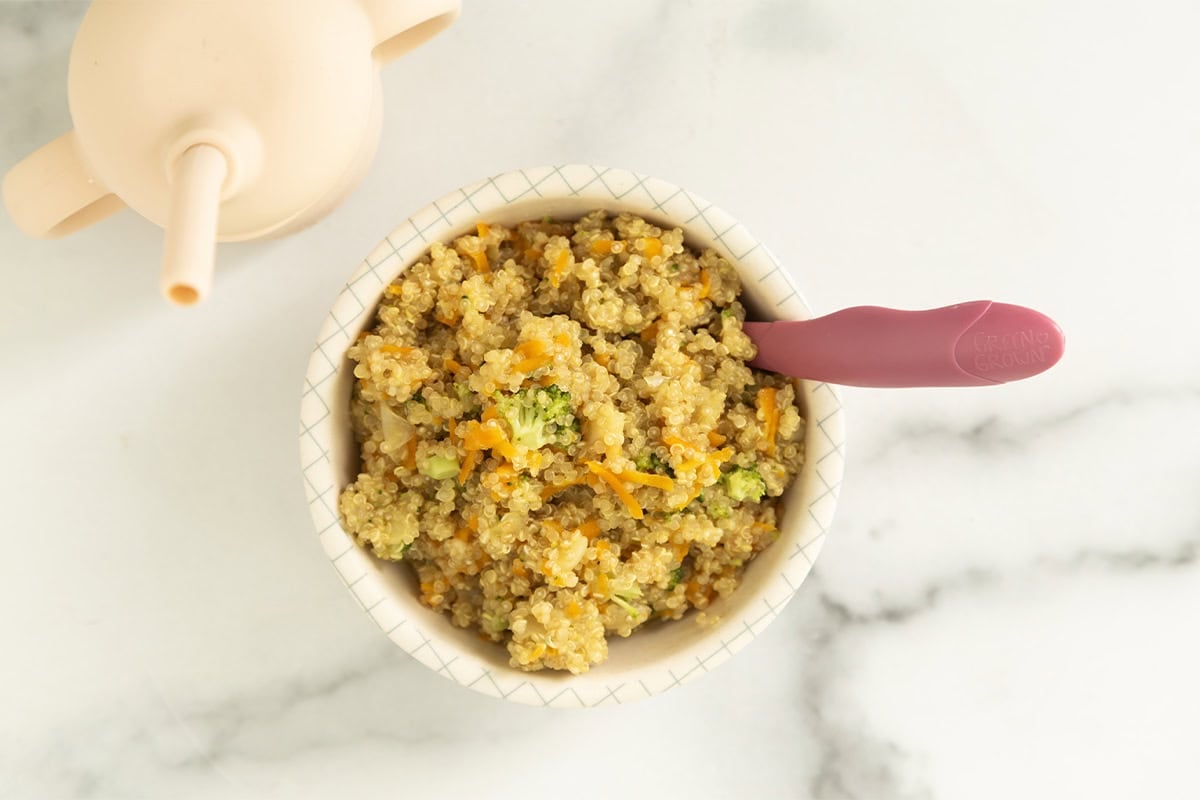
Data from the Food and Agriculture Organization (FAO) of the United Nations highlights quinoa’s versatility and resilience, noting its high mineral content, including iron, magnesium, and zinc. For families adhering to vegetarian or flexitarian diets, this Veggie Quinoa recipe provides approximately 12 grams of protein per serving, alongside 4 grams of fiber. The inclusion of fiber is a critical factor in pediatric digestive health, aiding in the prevention of constipation—a common issue during the transition to solid foods. Furthermore, the recipe provides 2,860 IU of Vitamin A, largely derived from the vegetable components, which supports immune function and vision.
Chronology of Recipe Development and Optimization
The transition from traditional multi-step cooking to the current 20-minute Veggie Quinoa model was driven by consumer feedback and the necessity for "streamlined" culinary methods. Initially, many quinoa-based dishes required separate steps: rinsing the grain to remove bitter saponins, boiling the grain in one pot, sautéing vegetables in another, and finally combining the elements.
The current iteration utilizes a "one-pan" or "one-skillet" methodology, which was refined through a series of kitchen trials aimed at maximizing flavor absorption while minimizing cleanup. By simmering the quinoa directly in broth alongside finely diced vegetables, the grain absorbs the aromatic qualities of the liquid and the nutrients of the vegetables simultaneously. This chronology of optimization reflects a wider industry shift toward "one-pot" meals, a category that has seen a 30% increase in search volume over the past five years as consumers prioritize convenience without sacrificing nutritional integrity.
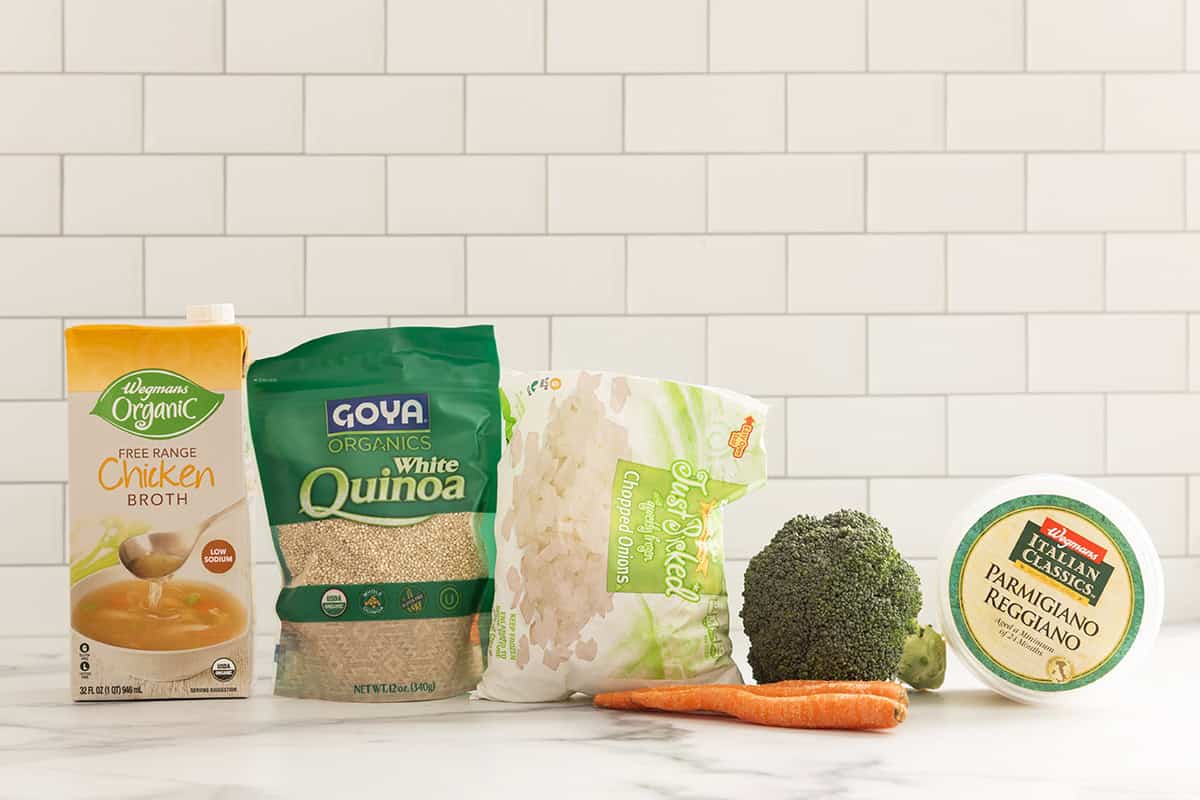
Detailed Culinary Methodology and Preparation
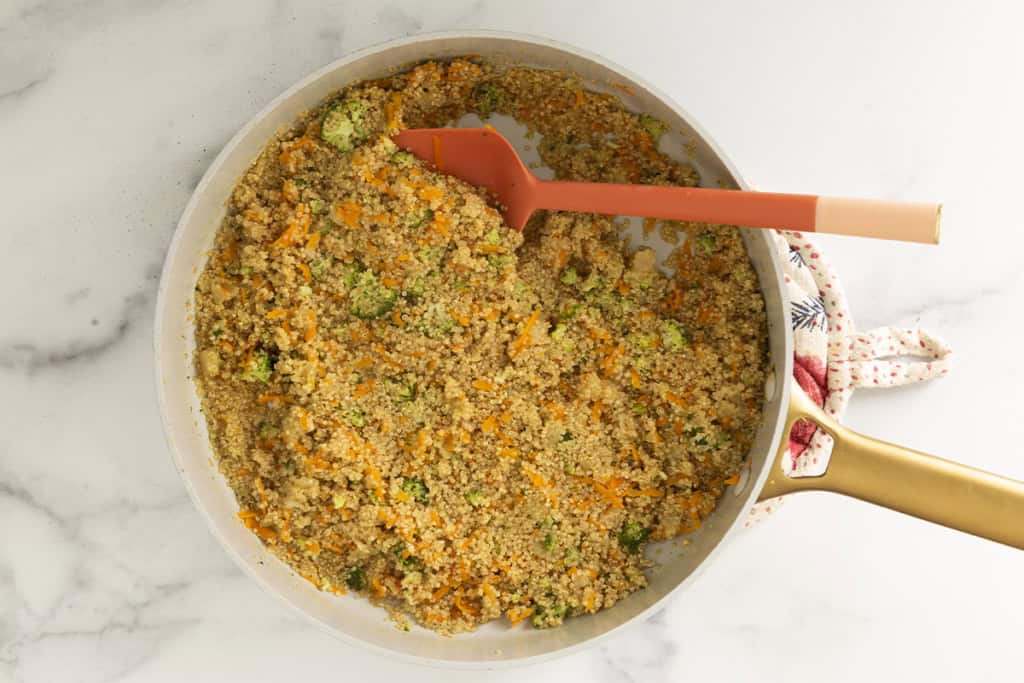
The success of the 20-minute Veggie Quinoa relies on a specific sequence of actions designed to ensure the grain reaches a "fluffy" texture rather than becoming mushy. The process begins with the selection of a wide, deep skillet. This choice of vessel is intentional; a larger surface area allows for more even heat distribution and faster liquid evaporation, which is essential for meeting the sub-20-minute timeframe.
Step 1: Assembly and Fluid Dynamics
The ingredients—including the quinoa, a trio of finely diced vegetables (typically carrots, peas, and corn or bell peppers), and a flavorful broth—are added to the skillet simultaneously. The ratio of liquid to solid is calibrated to ensure that by the time the quinoa has fully bloomed, the liquid has been entirely absorbed.
Step 2: The Simmering Phase
The mixture is brought to a simmer. During this phase, the heat must be maintained at a level that allows for a steady bubble without scorching the bottom of the pan. This stage typically lasts 12 to 15 minutes. The inclusion of fats, such as butter or olive oil, during this phase assists in the mouthfeel of the dish, making it more palatable for young children who may be sensitive to the texture of whole grains.
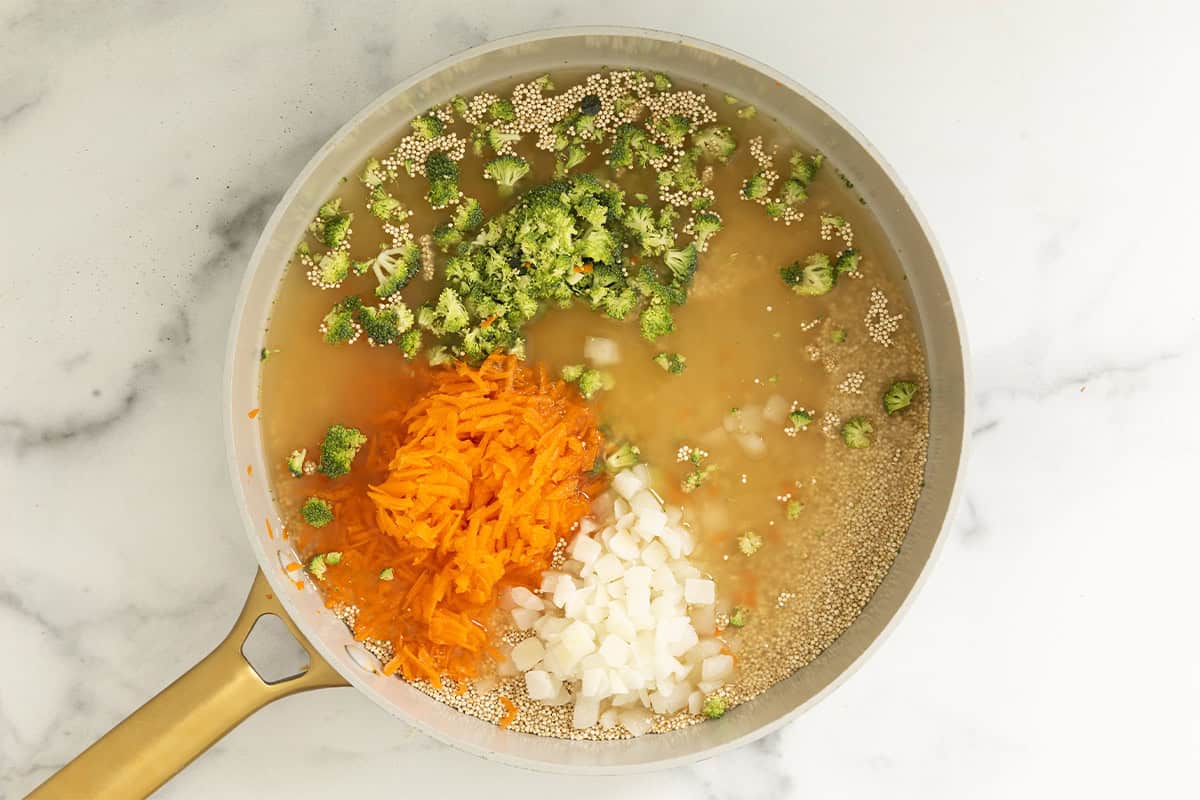
Step 3: Final Integration and Serving
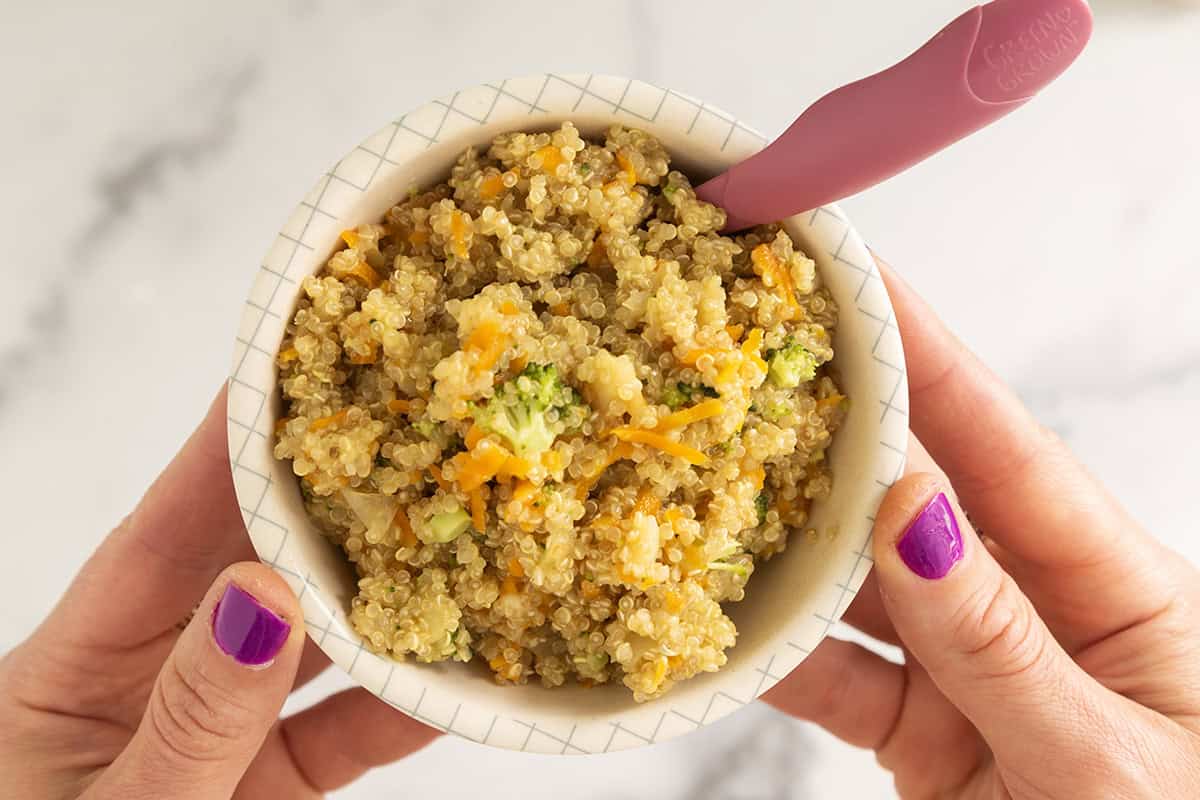
Once the broth is absorbed and the quinoa is soft, the dish is removed from the heat. For pediatric servings, the texture is soft enough to be eaten with a spoon, aiding in the development of self-feeding skills. Optional flavor enhancers, such as fresh lemon rind, minced basil, or parsley, can be added at the end to provide a more complex profile for adult family members.
Supporting Data: Cost and Time Efficiency
In an economic landscape where the cost of living continues to fluctuate, the Veggie Quinoa model offers a cost-effective alternative to pre-packaged toddler meals. A bulk-purchased bag of quinoa, combined with frozen or seasonal vegetables, results in a per-serving cost significantly lower than that of processed "kid-friendly" convenience foods.
Furthermore, the "time-to-table" metric is a key data point for modern households. Studies on domestic labor suggest that the average parent has less than 45 minutes to dedicate to dinner preparation on weeknights. By reducing the active cooking time to under 20 minutes, this recipe allows for a 50% reduction in the standard preparation window, providing a buffer for other evening responsibilities.
Official Responses and Expert Perspectives
Nutritionists and pediatric dietitians have largely responded positively to the rise of such "veggie-packed" grain dishes. Experts emphasize the importance of "repeated exposure" in toddler nutrition. By incorporating vegetables directly into a familiar and palatable grain base, parents can increase the frequency with which children encounter different textures and flavors.
"The goal for toddler nutrition is often ‘exposure without pressure,’" says one nutritional consultant. "Recipes like Veggie Quinoa allow the vegetables to become a standard part of the meal’s architecture rather than a separate, potentially intimidating side dish. The soft texture of cooked quinoa is also an excellent bridge between purees and more complex adult foods."
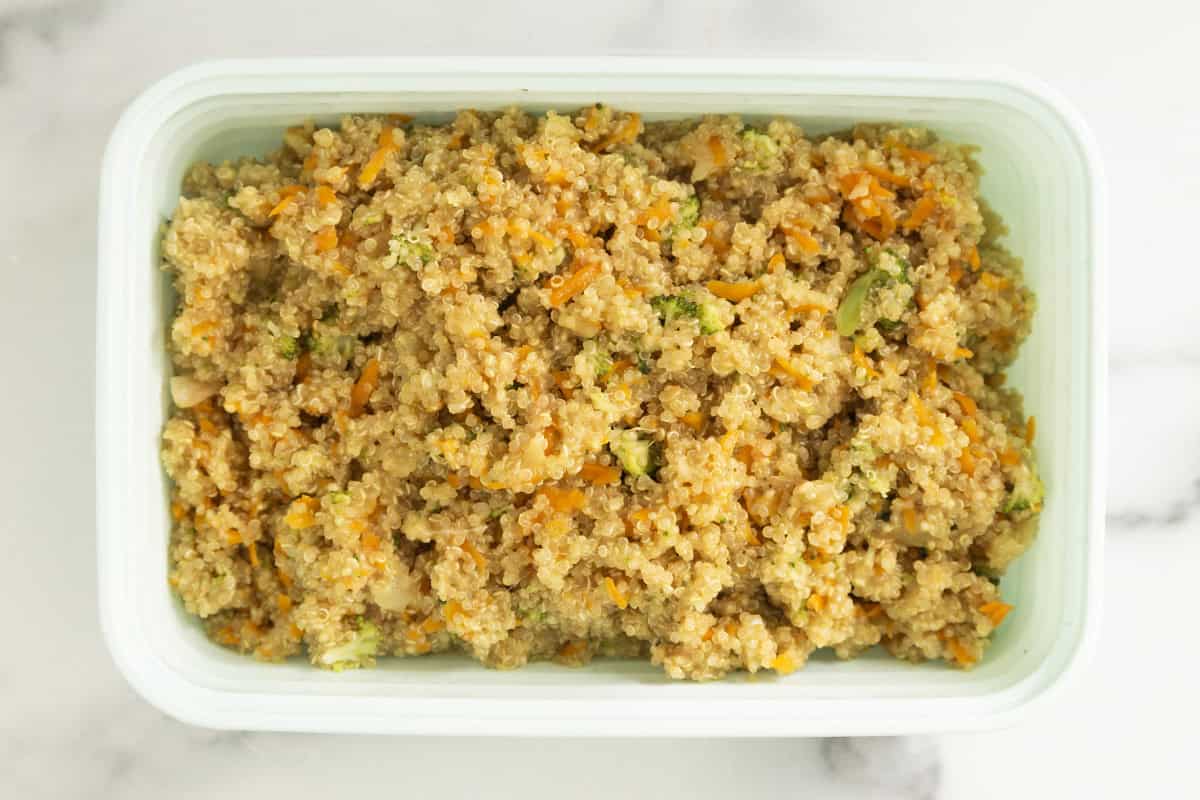
From a food safety and storage perspective, the dish meets the criteria for "meal prepping." It can be stored in an airtight container in the refrigerator for up to five days. This longevity is a significant factor for parents who prefer to cook in batches, as the dish can be reheated in 30-second intervals without a significant loss of texture or nutritional value.
Broader Impact and Implications for Sustainable Eating
The promotion of Veggie Quinoa as a primary family meal has implications beyond individual health. As global food systems move toward more sustainable models, the shift from animal-based proteins to plant-based alternatives like quinoa is increasingly encouraged by environmental advocates. Quinoa has a lower water footprint compared to beef or even certain other grains, and its ability to grow in diverse climates makes it a resilient crop in the face of climate change.
Moreover, the recipe’s versatility allows for the reduction of food waste. The "FAQ" guidelines for the dish suggest that bell peppers, frozen mixed vegetables, or various leafy greens can be substituted or added based on what is available in the household inventory. This "kitchen sink" approach to vegetable integration helps families utilize produce that might otherwise go to waste.
Analysis of Future Trends in Family Dining
The 20-minute Veggie Quinoa is more than just a recipe; it is a manifestation of the "functional food" movement. As the boundary between health food and everyday convenience continues to blur, dishes that offer "high-density nutrition" with "low-density effort" are expected to dominate the market.
Looking ahead, we can expect further innovations in this space, such as the integration of ancient grains like farro or amaranth into similar one-pot frameworks. However, quinoa remains the current leader due to its rapid cook time and superior protein profile. The success of this 20-minute meal indicates a permanent shift in how families approach the dinner hour—prioritizing speed, health, and simplicity in equal measure.
By providing a meal that is equally suitable for a 12-month-old and a working adult, the Veggie Quinoa model addresses the logistical challenge of the "split menu" (cooking different meals for different family members). This unification of the family table is perhaps the most significant social impact of the one-pot movement, fostering a shared eating experience that is both nutritious and sustainable.
