

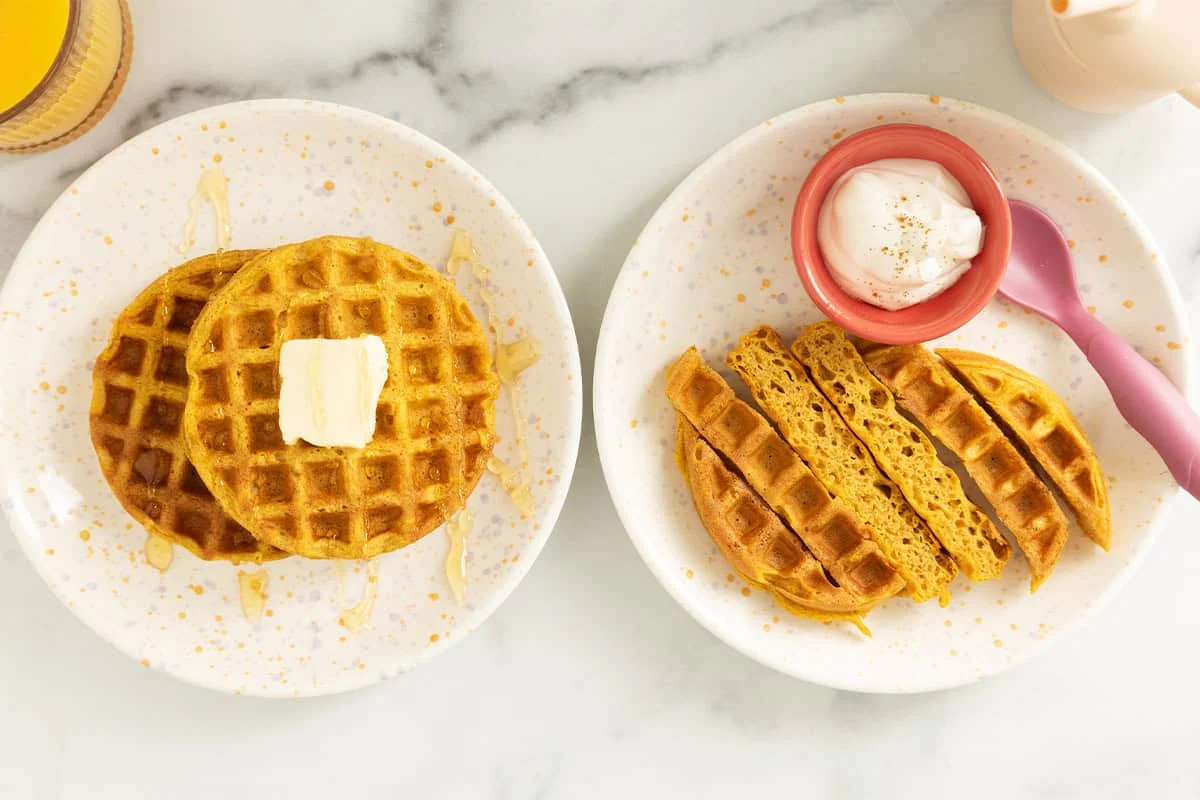
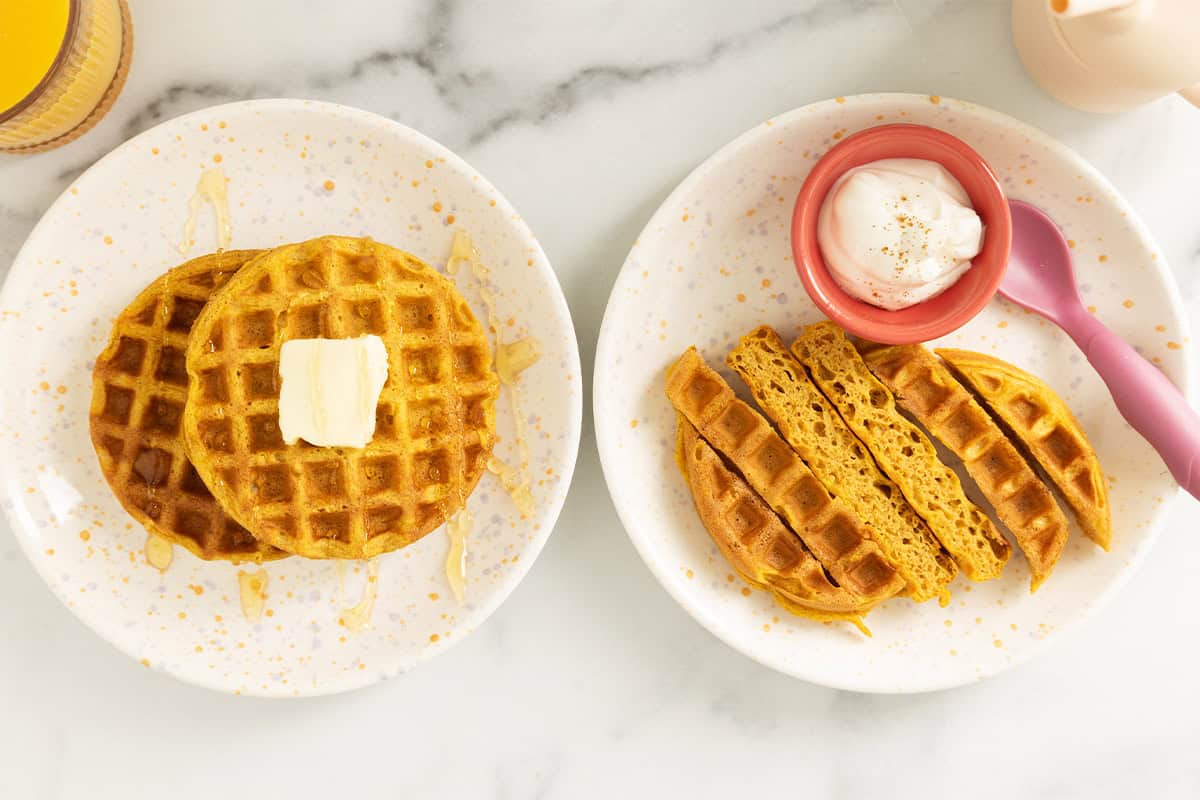
The integration of nutrient-dense vegetables into traditional breakfast staples has emerged as a significant trend in pediatric nutrition, with pumpkin waffles representing a primary example of this culinary evolution. These waffles serve as a strategic dietary tool for families, combining the sensory appeal of a classic crisp-edged waffle with the physiological benefits of Cucurbita moschata, more commonly known as pumpkin. This dish has transitioned from a seasonal novelty to a year-round household staple due to its versatility, ease of preparation, and compatibility with long-term storage protocols. By utilizing a streamlined one-bowl preparation method, the recipe addresses the logistical challenges faced by modern households, offering a high-density nutritional profile that includes significant quantities of Vitamin A, dietary fiber, and essential minerals.
Technical Specifications and Nutritional Composition
A detailed analysis of the nutritional data associated with these pumpkin waffles reveals a profile specifically tailored to support the growth and development of young children while maintaining a balanced caloric intake for adults. A standard serving, consisting of two waffles, provides approximately 226 kilocalories. The macronutrient distribution is characterized by 32 grams of carbohydrates, 9 grams of protein, and 8 grams of total fat. Notably, the saturated fat content remains moderate at 4 grams, while the inclusion of pumpkin and whole-grain flour options contributes to a substantial 5 grams of dietary fiber per serving.
From a micronutrient perspective, the waffles are an exceptional source of Vitamin A, providing 5,049 IU per serving. This is largely attributed to the high beta-carotene content found in pumpkin puree. Beta-carotene serves as a precursor to Vitamin A, which is critical for maintaining healthy vision, supporting the immune system, and ensuring proper organ function. Furthermore, the recipe provides 211 milligrams of calcium and 2 milligrams of iron, addressing two of the most common nutritional gaps found in toddler diets. The sodium content is maintained at a manageable 395 milligrams, making it a viable option for health-conscious meal planning.
The Chronology of Preparation and Culinary Execution
The production of pumpkin waffles follows a specific procedural timeline designed to maximize efficiency and ensure structural integrity of the final product. The process is divided into distinct phases: preparation, emulsification, integration, and thermal application.
Phase I: Preparation and Emulsification
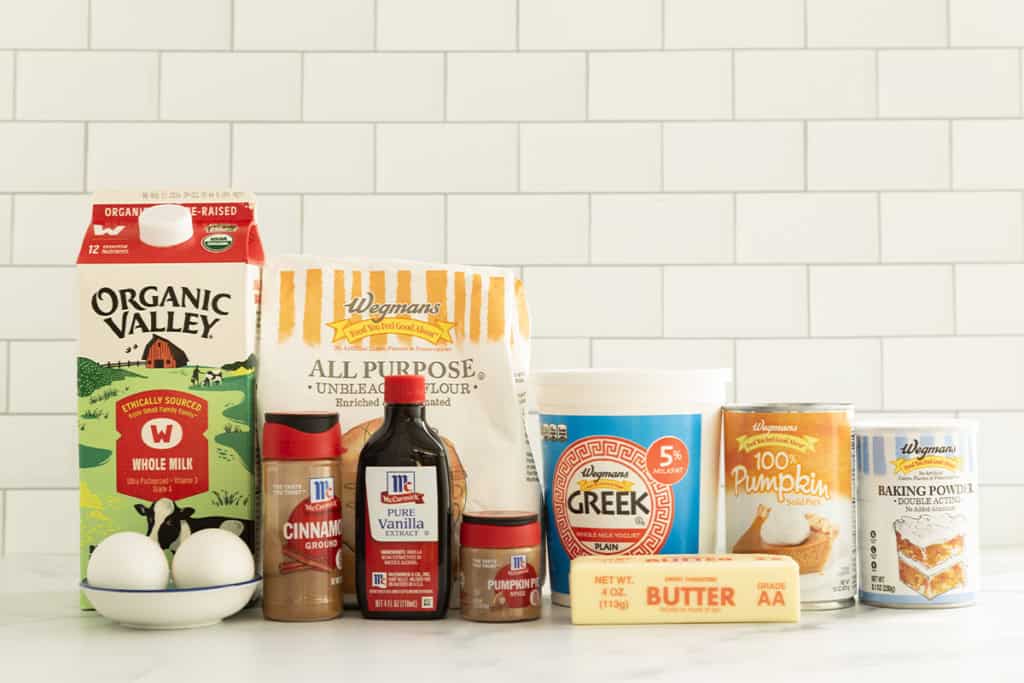
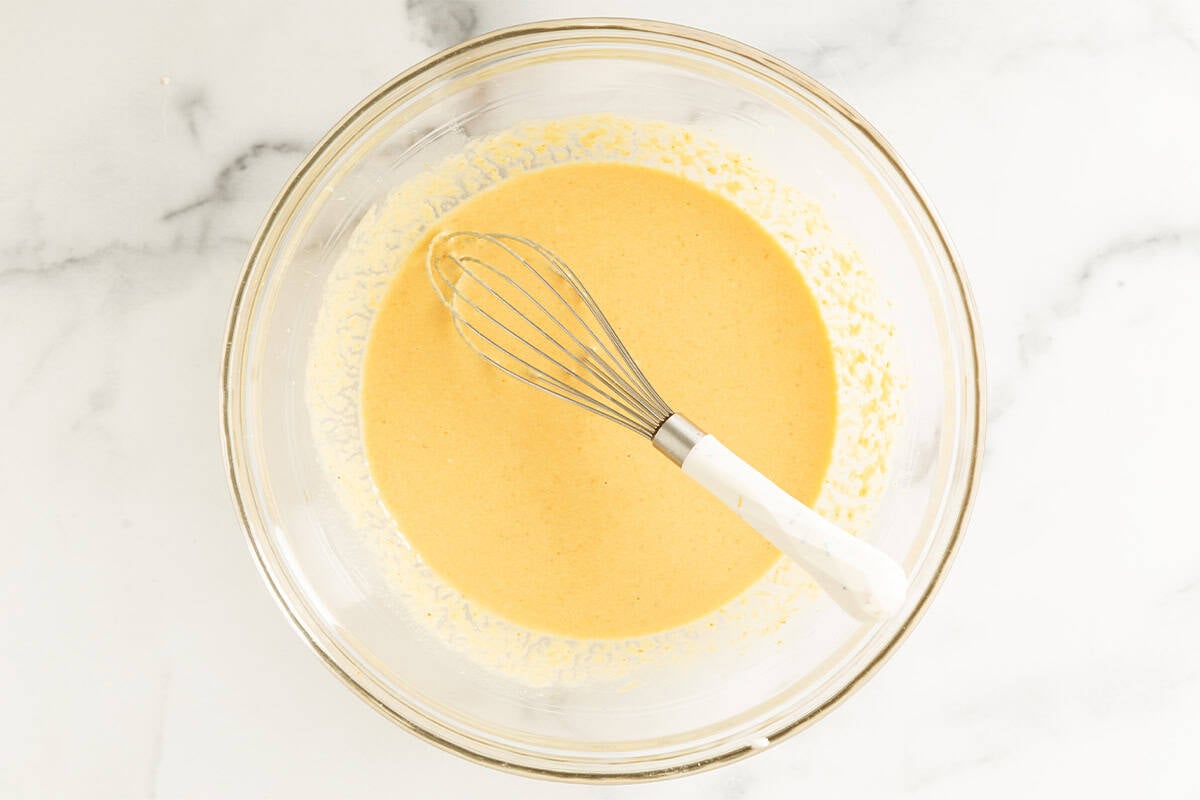
The initial stage involves the assembly of wet ingredients. In a medium-sized mixing vessel, pumpkin puree is combined with milk, melted butter, eggs, and vanilla extract. This stage is crucial for creating a stable emulsion. The pumpkin puree not only provides flavor and color but also acts as a humectant, ensuring the waffle interior remains tender. The fats from the butter and eggs serve to coat the flour proteins in the subsequent stage, preventing excessive gluten development which could lead to a tough or rubbery texture.
Phase II: Integration of Dry Components
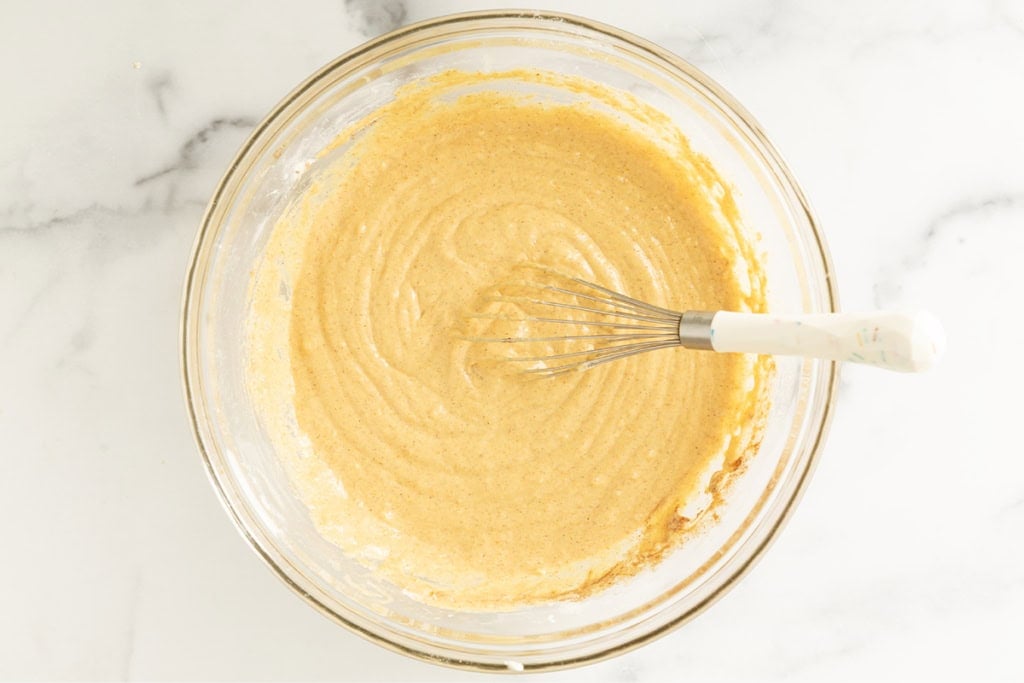
Once the wet base is homogenized, the dry ingredients—including flour, a minimal amount of sugar, baking powder, and salt—are introduced. The use of a single-bowl method minimizes cleanup and reduces the risk of over-mixing. The baking powder serves as the primary leavening agent; when it comes into contact with the moisture of the pumpkin and milk, it initiates a chemical reaction that releases carbon dioxide gas. This gas becomes trapped within the batter’s structure, providing the necessary "lift" during the cooking process.
Phase III: Thermal Application and Maillard Reaction
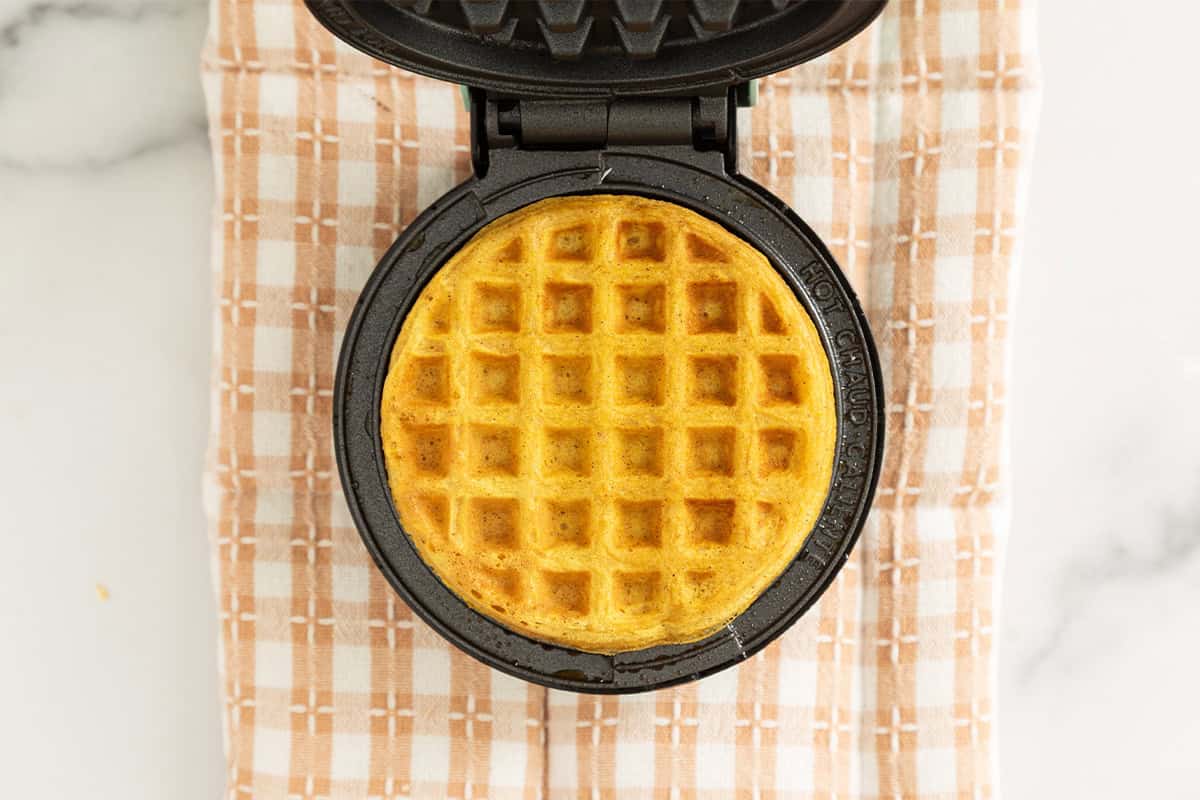
The final phase involves the use of a preheated waffle iron, typically set to a medium-high heat (often referred to as the "four" or "five" setting on standard consumer appliances). The application of heat triggers the Maillard reaction—a chemical reaction between amino acids and reducing sugars that gives browned food its distinctive flavor and crisp exterior. Approximately one-third of a cup of batter is applied per waffle. The cooking duration is determined by the manufacturer’s specifications, but the visual indicator of steam cessation generally signals that the internal moisture has been sufficiently reduced and the structure has set.
Logistical Management: Storage and Reheating Protocols
One of the most significant advantages of this specific recipe is its suitability for batch production and long-term storage, a factor that aligns with the growing "meal prep" culture among working professionals and parents.
Cooling and Freezing
To maintain the structural integrity of the waffles for future consumption, they must be cooled correctly. Placing hot waffles directly into storage containers can lead to condensation, resulting in a soggy texture. Instead, waffles should be placed on a wire cooling rack to allow air circulation on all sides. Once the waffles reach room temperature, they can be transferred to airtight, zip-top bags. Industry standards suggest that these waffles can be frozen for up to three months without significant degradation in quality.
Reheating Strategies
The objective of reheating is to restore the crispness of the exterior while warming the interior without causing dehydration. The most effective method is the use of a toaster or toaster oven on a low-to-medium heat setting. This direct dry heat revitalizes the exterior crunch. For larger batches, waffles can be placed on a baking sheet and warmed in a conventional oven at 200 degrees Fahrenheit (approx. 93 degrees Celsius). This method is particularly useful for maintaining temperature when serving a large group simultaneously.
Contextual Analysis: The Rise of Functional Breakfasts
The popularity of pumpkin waffles is situated within a broader shift toward "functional foods"—items that provide health benefits beyond basic nutrition. In the context of early childhood, this often involves the "stealth health" approach, where vegetables are integrated into familiar formats to bypass the neophobia (fear of new foods) often exhibited by toddlers.
Addressing Picky Eating
Pediatric nutritionists often recommend the inclusion of pumpkin due to its mild, slightly sweet flavor profile, which is generally well-received by children. By incorporating it into a waffle, parents can ensure the delivery of fiber and vitamins in a format that children associate with positive breakfast experiences. This strategy reduces mealtime stress and ensures consistent nutrient intake during critical developmental stages.
Economic and Environmental Implications
From a socio-economic perspective, the use of pumpkin puree—whether fresh or canned—is a cost-effective way to enhance the volume and nutritional value of a meal. Canned pumpkin is a shelf-stable product with a long half-life, reducing food waste and allowing for year-round availability. Furthermore, the ability to create homemade "frozen waffles" provides a more sustainable and nutritious alternative to ultra-processed commercial varieties, which often contain higher levels of sodium, preservatives, and refined sugars.
Expert Perspectives and Community Feedback
While this recipe is a cornerstone of the "Yummy Toddler Food" repertoire, it reflects a wider consensus among culinary experts regarding the utility of squash-based batters. Chefs note that the pectin found in pumpkin acts as a natural stabilizer, which helps the batter hold its shape better than traditional flour-and-milk mixtures.
Market observations indicate that consumers are increasingly seeking recipes that offer "customization potential." This pumpkin waffle base allows for the addition of supplemental spices such as nutmeg, ginger, and cloves for a more robust "pumpkin spice" profile, or the inclusion of flaxseeds and chia seeds for added Omega-3 fatty acids. This adaptability makes the recipe a versatile tool for meeting various dietary requirements, including those of families looking to reduce their reliance on processed snacks.
Broader Impact on Household Dynamics
The implementation of efficient, nutritious recipes like pumpkin waffles has a documented impact on household dynamics. By reducing the time required for daily meal preparation through batch cooking, parents can reallocate time toward other developmental activities with their children.
Moreover, the "one-bowl" simplicity of the recipe encourages "kitchen involvement," where toddlers and older children can assist in the mixing process. Research in the field of child development suggests that children who are involved in the preparation of their food are more likely to try new ingredients and develop a healthier relationship with eating.
Conclusion
The pumpkin waffle serves as more than a mere breakfast item; it is a calculated response to the demands of modern parenting and nutritional science. By leveraging the inherent benefits of pumpkin and the efficiency of a freezer-friendly design, this recipe provides a blueprint for healthy, sustainable, and stress-free morning routines. As dietary trends continue to move toward whole-food ingredients and home-based meal preparation, the pumpkin waffle stands as a primary example of how traditional favorites can be successfully re-engineered for the modern age. Through its high Vitamin A content, ease of storage, and high palatability, it remains a gold standard for early childhood nutrition and family meal planning.
