

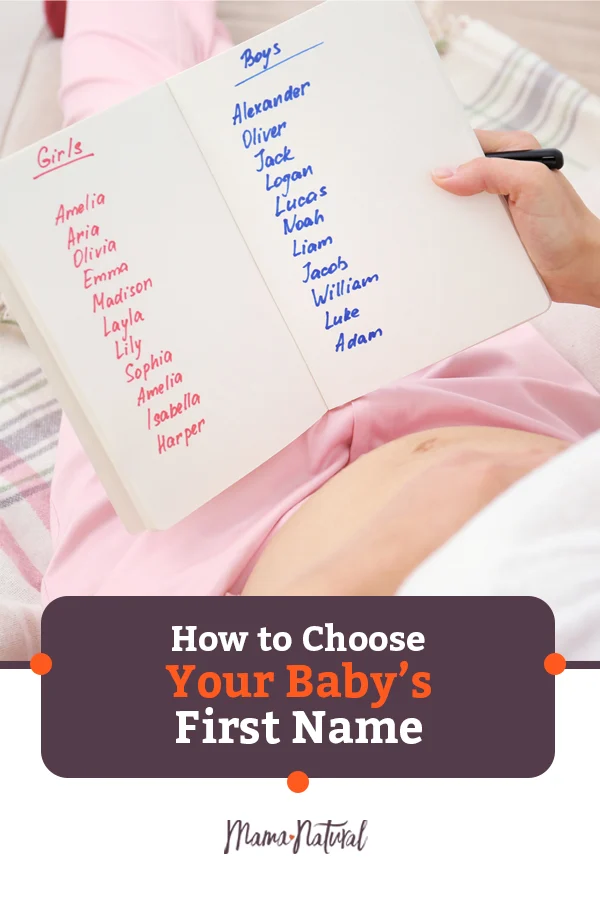
The selection of a child’s first name represents one of the earliest and most enduring decisions parents make, serving as a foundational element of an individual’s identity and social presence. While the process is often celebrated as a joyful milestone, contemporary data suggests it has become a source of significant pressure for expectant couples. According to recent sociological studies and data from the Social Security Administration (SSA), the landscape of American naming conventions has shifted from traditional, family-centered choices toward a focus on uniqueness, phonetics, and personal branding. This evolution has transformed naming from a simple genealogical tradition into a complex project requiring strategic planning, compromise, and a deep understanding of linguistic trends.
The Evolution of Naming Trends and Historical Context
Historically, naming conventions in Western societies were heavily dictated by religious calendars, royal lineages, or the preservation of family surnames. In the early 20th century, a small pool of names dominated the records; for instance, names like John and Mary consistently accounted for a significant percentage of the population. However, the 21st century has seen a radical diversification. Data from the SSA indicates that the "Top 10" names now represent a much smaller fraction of total births than they did fifty years ago. This "long tail" effect in naming suggests that parents are increasingly prioritizing individuality over conformity.
The rise of the internet and global connectivity has further accelerated this trend. Parents now have access to global databases, allowing them to draw inspiration from various cultures, mythologies, and obscure literary references. This shift reflects a broader societal movement toward self-expression. In this environment, the challenge for modern parents is no longer finding a name that fits in, but rather finding one that stands out while remaining functional and respectful of the child’s future professional and social life.
Establishing a Strategic Foundation: Wants and Needs
The first phase of the naming process involves a systematic evaluation of parental expectations. Experts in family dynamics suggest that couples should begin by establishing "naming parameters" before reviewing specific lists. This foundational step prevents future conflicts by aligning both parties on basic preferences. Key considerations often include the desired level of popularity, the significance of cultural or religious heritage, and the preferred length or "weight" of the name.
Sociologists note that naming preferences often reflect the parents’ own upbringing and social aspirations. For example, some parents may gravitate toward "prestige names" that evoke a sense of tradition and stability, while others may seek "innovator names" that signal creativity and modernism. By discussing these underlying values early in the pregnancy, couples can create a filtered search criteria, significantly reducing the "decision fatigue" associated with browsing thousands of potential options.
The Search for Inspiration: From Tradition to Innovation
Once parameters are established, the search for the specific name typically moves into an exploratory phase. Current trends show a marked increase in several distinct categories:
- The Vintage Revival: Names that were popular in the late 19th and early 20th centuries, such as Eleanor, Theodore, Hazel, and Arthur, are experiencing a massive resurgence. This "hundred-year rule" suggests that names often go out of fashion for two generations before feeling fresh and sophisticated again.
- Nature and Botanical Names: There is a growing statistical trend toward names inspired by the natural world. For girls, floral names like Iris and Juniper are rising in the charts, while for boys, rugged topographical or celestial names like Orion and River are gaining traction.
- Global and Cross-Cultural Names: As societies become more multicultural, parents are increasingly looking toward international origins. Names that are easy to pronounce across multiple languages, such as Sofia, Leo, or Maya, are particularly favored by "global citizen" parents.
- Phonetic Appeal: Many parents now choose names based on "phonaesthetics"—the inherent beauty of the sound. This often results in the selection of names with soft consonants and multiple vowels, which are perceived as more melodic.
To facilitate this search, digital tools and databases have become indispensable. These platforms allow users to filter by meaning, origin, and syllable count, or even use "surprise me" features to break out of narrow search patterns.
The Significance of Etymology and Meaning
The "meaning" of a name continues to hold substantial weight in the decision-making process. For many, a name is viewed as a "self-fulfilling prophecy" or a blessing bestowed upon the child. Names that denote strength (e.g., Ethan or Matilda), peace (e.g., Pax or Serenity), or vitality (e.g., Zoe or Vida) remain perennial favorites.

Linguists point out that the etymological roots of a name can provide a sense of narrative and history. For instance, a parent might choose the name "Felix" not just for its sound, but for its Latin root meaning "lucky" or "successful." In the context of twins or multiple births, meanings are often used to create a thematic link between siblings without relying on matching initials or rhyming sounds, which can sometimes be viewed as overly repetitive.
Structural Compatibility: The Surname Factor
A critical but often overlooked aspect of naming is the interaction between the first name and the family surname. Professional name consultants—a growing niche industry—advise parents to consider the rhythmic flow of the full name. A short, staccato first name may pair best with a long, multi-syllabic surname, whereas a lyrical first name might require a simpler last name to maintain balance.
Furthermore, parents must conduct "due diligence" on initials and potential nicknames. In an era of digital identifiers, the acronym formed by a child’s initials can have unintended consequences. Analysts also suggest testing the "shout test" (how the name sounds when called across a park) and the "resume test" (how the name appears in a professional context). These practical exercises help bridge the gap between an aesthetic choice and a functional identity.
Resolving Interpersonal Conflict and "Name Feuds"
The naming process is frequently a site of interpersonal negotiation. When parents have diametrically opposed tastes—such as one preferring avant-garde names and the other favoring classic staples—conflict is inevitable. Psychological research into parental collaboration suggests several resolution strategies:
- The "Veto" System: Each parent is given a set number of absolute vetoes to eliminate names they find unacceptable.
- The Middle Name Compromise: Using a more "adventurous" name in the middle position while keeping the first name traditional, or vice versa.
- The "Tournament" Bracket: Creating a competitive list where names are paired against each other until a winner emerges.
- Stylistic Blending: Finding a "bridge" name that shares qualities of both parents’ favorites (e.g., if one likes "Isabella" and the other likes "Chevelle," they might agree on "Isabel").
The Chronology of Decision-Making and Public Disclosure
The timeline for finalizing a name varies widely across cultures and individual families. While some parents arrive at a hospital with a definitive choice, a growing number of couples are opting to wait until the birth to "meet" the baby before making a final commitment. This "wait-and-see" approach is often driven by a desire to ensure the name matches the child’s perceived temperament.
The question of whether to reveal the name before the birth has also become a point of modern etiquette. With the rise of social media, the "name reveal" has become a curated event. However, many experts advise keeping the name private until the birth certificate is signed to avoid unsolicited opinions from friends and family, which can lead to "buyer’s remorse" or unnecessary stress during the final stages of pregnancy.
Broader Implications and Sociological Analysis
The act of naming carries significant long-term implications for a child’s social and economic trajectory. Studies in "nominative determinism" suggest that while a name does not strictly dictate a person’s future, it can influence how they are perceived by educators, employers, and peers. Names that are perceived as "easy to pronounce" or "familiar" can sometimes lead to smoother social interactions, whereas highly unique names can foster a strong sense of individual identity but may also face unconscious bias in certain traditional environments.
Ultimately, the trend toward more diverse and meaningful names reflects a shift in how we view the individual’s role in society. No longer just a link in a family chain, the modern child is often given a name that serves as a unique "calling card" in a globalized world. As parents navigate this complex decision, the most successful outcomes are typically those that balance personal sentiment with practical longevity, ensuring the name remains a source of pride for the child throughout their life.
By utilizing a combination of historical data, linguistic analysis, and strategic communication, parents can transform the daunting task of choosing a first name into a meaningful exercise in legacy-building. The name, after all, is the only gift a child will carry with them every day, in every interaction, for the rest of their lives.
