


When a couple has been unsuccessful at achieving pregnancy after one year of regular, unprotected intercourse, it signals a critical juncture where both partners need to undergo a comprehensive physical and medical assessment. This proactive approach is essential because male factors contribute significantly, accounting for approximately 50% of all infertility cases, underscoring the imperative to examine both partners simultaneously for potential infertility issues. Delaying assessment or focusing solely on one partner can prolong the journey to conception, increase emotional distress, and potentially complicate treatment.

Understanding the Landscape of Infertility
Infertility is defined by the World Health Organization (WHO) as a disease of the male or female reproductive system defined by the failure to achieve a pregnancy after 12 months or more of regular unprotected sexual intercourse. For women aged 35 or older, this timeframe is often shortened to six months due to age-related decline in ovarian reserve. This medical condition affects millions worldwide, with estimates suggesting that 1 in 8 couples experience some form of infertility. The emotional and psychological toll on individuals and couples can be profound, often leading to stress, anxiety, depression, and relationship strain. Recognizing infertility as a medical condition, rather than a personal failing, is the first step towards seeking appropriate care. The complexity of human reproduction means that a multitude of factors can contribute to difficulty conceiving, necessitating a thorough and systematic diagnostic process for both partners.

The Indispensable Role of Comprehensive Fertility Testing
A systematic diagnostic evaluation is paramount to identify the underlying causes of infertility, which can range from hormonal imbalances and structural abnormalities to genetic conditions and lifestyle factors. For an effective diagnosis and subsequent treatment plan, both partners must undergo a tailored series of tests.

Fertility Assessment for Women:
The female fertility workup typically begins with a detailed medical history and physical examination, including a pelvic exam. Key diagnostic procedures include:

- Ovarian Reserve Testing: This assesses the quantity and quality of a woman’s remaining eggs.
- Follicle-Stimulating Hormone (FSH) and Estradiol (E2) Levels: Measured on cycle day 2-4, elevated FSH levels can indicate diminished ovarian reserve.
- Anti-Müllerian Hormone (AMH): A blood test that reflects the size of the remaining egg supply. It is less cycle-dependent than FSH and provides a good indication of ovarian reserve.
- Antral Follicle Count (AFC): Performed via transvaginal ultrasound, this counts the small follicles in the ovaries, which correlates with the number of eggs remaining.
- Ovulation Assessment: Confirming regular ovulation is fundamental.
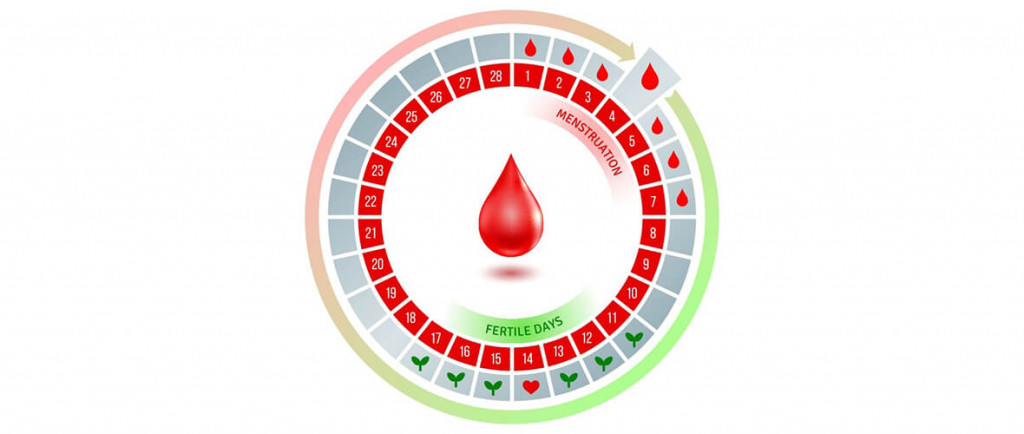
- Basal Body Temperature (BBT) Charting: Tracking daily temperature changes can indicate ovulation.
- Ovulation Predictor Kits (OPKs): Detect the surge in luteinizing hormone (LH) that precedes ovulation.
- Progesterone Levels: A blood test around day 21 of a 28-day cycle can confirm that ovulation has occurred.
- Uterine Evaluation: To ensure the uterus is suitable for implantation.
- Transvaginal Ultrasound: Visualizes the uterus, ovaries, and fallopian tubes to check for structural issues like fibroids, polyps, or ovarian cysts.
- Hysterosalpingography (HSG): An X-ray procedure where dye is injected into the uterus and fallopian tubes to check for blockages or abnormalities.
- Sonohysterography (Saline Infusion Sonogram – SIS): Saline solution is injected into the uterus during an ultrasound to better visualize the uterine cavity.
- Hysteroscopy: A minimally invasive procedure where a thin scope is inserted into the uterus to directly visualize and, if necessary, treat uterine abnormalities.
- Fallopian Tube Patency Tests: Essential for ensuring eggs can travel to the uterus and sperm can reach the egg. HSG (mentioned above) is the primary test here.
- Hormonal Profiling: Beyond FSH and AMH, other hormones like thyroid-stimulating hormone (TSH), prolactin, androgens, and adrenal hormones may be checked if indicated by symptoms or history.
- Genetic Screening: Karyotyping or specific gene tests may be recommended in cases of recurrent miscarriage or known genetic conditions.
Fertility Assessment for Men:
The male fertility workup also begins with a thorough medical history, including questions about childhood illnesses, surgeries, medications, and lifestyle. A physical examination focuses on the reproductive organs. The cornerstone of male fertility assessment is:

- Semen Analysis: This is a crucial test evaluating several parameters of the ejaculate.
- Volume: The total amount of semen produced.
- Sperm Concentration (Count): The number of sperm per milliliter of semen.
- Motility: The percentage of sperm that are moving and how well they move. Good motility is essential for sperm to reach and fertilize an egg.
- Morphology: The percentage of sperm that have a normal shape. Abnormal shapes can impair a sperm’s ability to penetrate an egg.
- Vitality: The percentage of live sperm.
- White Blood Cell Count: Elevated levels can indicate infection.
- Hormonal Testing: If semen analysis results are abnormal, hormonal tests may be performed.
- Testosterone: Primary male sex hormone.
- FSH and LH: Regulate sperm production.
- Prolactin: High levels can interfere with testosterone production.
- Genetic Testing: Recommended for severe sperm abnormalities or unexplained infertility.
- Karyotyping: Checks for chromosomal abnormalities.
- Y-chromosome Microdeletion Testing: Detects missing genes on the Y chromosome critical for sperm production.
- Post-ejaculatory Urinalysis: Performed if no sperm are found in the ejaculate, to check for retrograde ejaculation (sperm entering the bladder instead of exiting the penis).
- Testicular Biopsy: In rare cases of azoospermia (absence of sperm in ejaculate), a biopsy may be performed to determine if sperm are being produced in the testes.
- Specialized Sperm Function Tests: Such as sperm DNA fragmentation, which assesses the integrity of sperm DNA, as high fragmentation can impact fertilization and embryo development.
The Significant Contribution of Male Factors
The statistic that male factors account for approximately 50% of all infertility cases highlights a critical, often overlooked aspect of reproductive health. Historically, the burden of infertility diagnosis and treatment often fell disproportionately on women. However, modern understanding emphasizes that male reproductive health is equally vital for successful conception. Common causes of male infertility include:

- Varicocele: Enlarged veins in the scrotum, similar to varicose veins, which can increase testicular temperature and impair sperm production and quality.
- Hormonal Imbalances: Deficiencies in testosterone, FSH, or LH can disrupt spermatogenesis (sperm production).
- Obstruction: Blockages in the tubes that transport sperm can prevent them from being ejaculated. This can be due to infections, previous surgeries, or congenital defects.
- Genetic Factors: Chromosomal abnormalities (e.g., Klinefelter syndrome) or specific gene mutations can lead to impaired sperm production or function.
- Lifestyle Factors: Smoking, excessive alcohol consumption, illicit drug use, obesity, poor diet, and exposure of the testicles to excessive heat (e.g., hot tubs, prolonged laptop use) can negatively impact sperm quality. Certain medications can also affect fertility.
- Environmental Toxins: Exposure to pesticides, heavy metals, and other industrial chemicals has been linked to male infertility.
- Infections: Past or present infections (e.g., mumps orchitis, sexually transmitted infections) can damage the reproductive system.
The ongoing stigma associated with male infertility can lead to delays in men seeking assessment, further complicating the diagnostic process for couples. Raising awareness about the prevalence and treatability of male factor infertility is crucial for fostering an equitable and efficient approach to reproductive care.
A Coordinated Timeline for Seeking Fertility Help

For most couples under 35, the recommendation is to seek medical advice after one year of regular, unprotected intercourse without conception. For women aged 35 or older, or those with known risk factors (e.g., irregular periods, pelvic inflammatory disease, endometriosis, previous testicular surgery), this timeframe is reduced to six months.
The typical chronology of seeking help involves:

- Initial Consultation: A joint appointment with a primary care physician, gynecologist, or urologist to discuss medical history, lifestyle, and duration of attempts.
- Referral to a Fertility Specialist: If initial assessments or the duration of trying indicate potential issues, a referral to a reproductive endocrinologist (for women) or a urologist specializing in male infertility (for men) is common.
- Simultaneous Testing: Crucially, both partners should undergo their respective assessments concurrently. This streamlines the diagnostic process, reduces the emotional burden of one partner waiting for the other’s results, and allows for a holistic view of the couple’s fertility potential.
- Diagnosis and Treatment Plan: Once the test results are in, the fertility specialist will discuss the diagnosis, potential contributing factors from both partners, and outline a personalized treatment plan.
Expert Perspectives and Support Systems
Leading medical organizations, such as the American Society for Reproductive Medicine (ASRM) and the American College of Obstetricians and Gynecologists (ACOG), consistently advocate for a comprehensive, dual-partner approach to infertility diagnosis. Dr. Sarah Miller, a prominent reproductive endocrinologist, states, "It’s vital that we move past the outdated notion that infertility is primarily a ‘woman’s problem.’ Half the time, the male partner has an identifiable factor, or both partners have contributing issues. A holistic and simultaneous evaluation not only saves time but ensures we can develop the most effective, personalized treatment strategy for the couple." Patient advocacy groups further amplify this message, working to destigmatize infertility and empower individuals with information and support. They highlight the importance of emotional counseling and peer support networks as integral components of the fertility journey.
Modern Treatment Pathways and Future Implications
Following diagnosis, a range of treatment options may be considered, tailored to the specific causes of infertility. These can include:

- Lifestyle Modifications: Dietary changes, exercise, stress reduction, and avoiding harmful substances.
- Medications: Such as ovulation-inducing drugs for women (e.g., Clomid, Femara) or hormonal therapies for men.
- Intrauterine Insemination (IUI): A procedure where washed and concentrated sperm are placed directly into the uterus around the time of ovulation.
- In Vitro Fertilization (IVF): A highly effective assisted reproductive technology (ART) where eggs are fertilized by sperm outside the body in a laboratory, and the resulting embryos are transferred to the uterus.
- Advanced Procedures: Including intracytoplasmic sperm injection (ICSI) for severe male factor infertility, preimplantation genetic testing (PGT), and the use of donor gametes (sperm or egg) or gestational surrogacy in specific cases.
The field of reproductive medicine continues to advance rapidly, with ongoing research into novel diagnostic tools, genetic therapies, and more effective treatment protocols. These advancements offer increasing hope for couples struggling with infertility.
Broader Societal and Economic Impacts

The implications of infertility extend beyond the individual couple. Societally, it impacts family structures, population demographics, and societal perceptions of family formation. Economically, the costs associated with fertility treatments can be substantial, often posing a significant barrier for many. Insurance coverage for infertility varies widely, leading to disparities in access to care. This highlights a need for policy changes that ensure broader coverage and support for reproductive health services. Emotionally, the journey through infertility can be a marathon, not a sprint, requiring immense resilience. Access to mental health support, including individual and couples counseling, is crucial for navigating the emotional complexities and maintaining well-being.
In conclusion, the journey to parenthood can present unexpected challenges, and infertility is a common, medically treatable condition. By adopting a proactive stance and ensuring comprehensive, simultaneous fertility assessments for both partners after the recommended timeframe, couples can significantly improve their chances of conception. This approach, supported by continuous advancements in reproductive medicine and growing societal awareness, empowers individuals to navigate their fertility journey with informed decisions and unwavering hope.
