

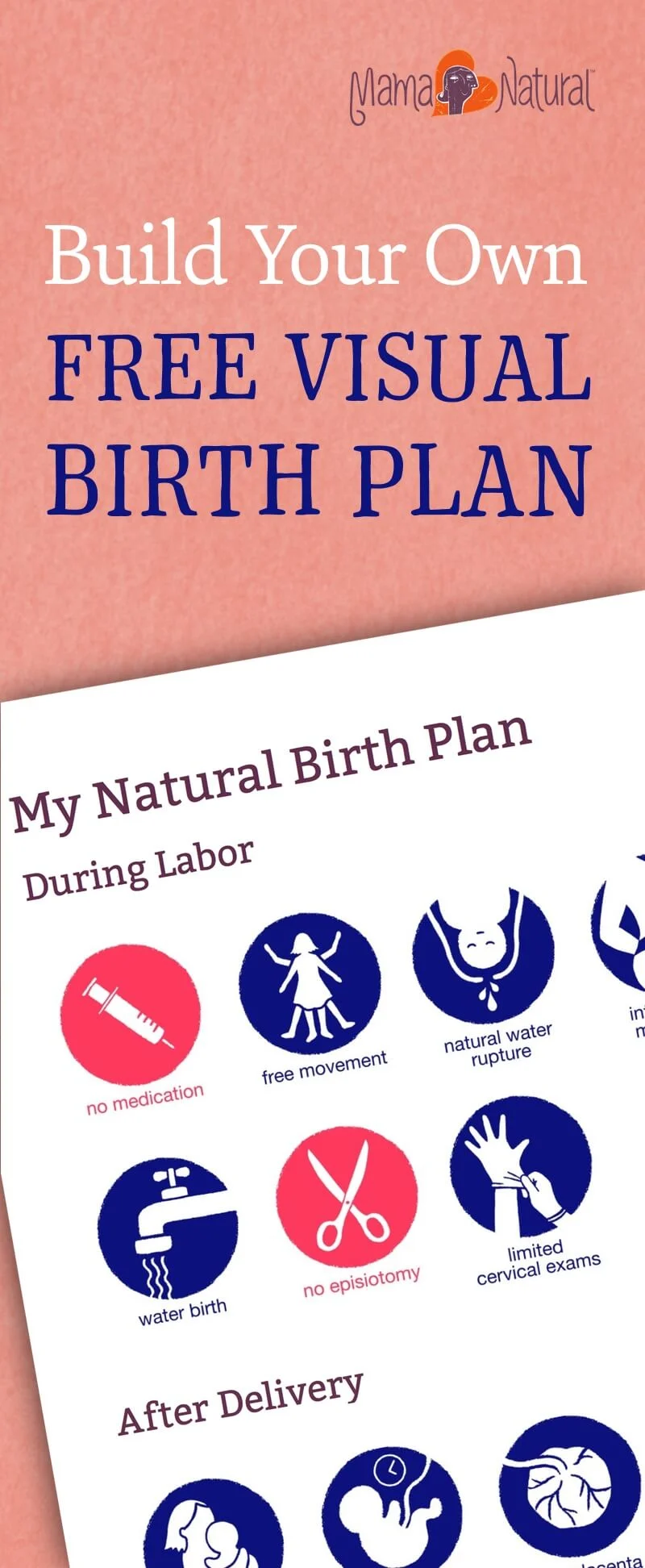
The landscape of modern maternity care is undergoing a significant transformation as expectant parents increasingly prioritize informed consent and personalized delivery experiences. Central to this shift is the emergence of the visual birth plan, a streamlined, icon-based document designed to bridge the communication gap between laboring patients and clinical staff. As medical environments become more fast-paced, the traditional multi-page birth plan is being replaced by concise, one-page templates that utilize visual cues to convey complex medical preferences instantaneously.
The Evolution of Birth Planning in Clinical Environments
Historically, birth plans emerged in the late 1970s and early 1980s as a response to the increasing medicalization of childbirth. Initially conceived as "wish lists," these documents allowed parents to express desires regarding pain management, movement during labor, and immediate postpartum care. However, as hospital protocols became more standardized, long-form written plans often created friction. Clinical staff, including nurses and obstetricians, frequently cited "cognitive overload" when presented with dense text during the active stages of labor.
The transition to a visual format represents a strategic pivot in patient-centered care. By utilizing icons and color-coded systems, the 2025 visual birth plan template addresses the primary complaint of healthcare providers: the lack of time to read lengthy documents during a medical event. This evolution reflects a broader trend in healthcare toward "health literacy," ensuring that critical information is accessible and actionable for all parties involved, regardless of the stress levels in the delivery suite.
Structural Analysis of the 2025 Visual Birth Plan
The 2025 iteration of the visual birth plan, popularized by maternal health advocates such as Mama Natural, utilizes a dual-layered communication strategy. The template is divided into two primary phases: labor and delivery, and immediate postpartum care. The use of standardized iconography allows a nurse or midwife to scan a patient’s chart and understand their stance on interventions—such as epidurals, episiotomies, or continuous fetal monitoring—in less than thirty seconds.
A critical feature of the updated 2025 template is the implementation of a color-coded psychological framework. Blue icons are utilized to represent "positive preferences" or actions the birthing team is encouraged to take, such as allowing intermittent monitoring or practicing delayed cord clamping. Conversely, red icons signify "negative preferences" or interventions the patient wishes to avoid unless medically necessary, such as the routine breaking of the amniotic sac (amniotomy) or the administration of pitocin.
Innovations in the 2025 Update: The Gentle Cesarean
One of the most significant additions to the 2025 visual birth plan is the inclusion of icons dedicated to "Gentle Cesareans." Statistically, cesarean sections account for approximately 32% of all births in the United States. For years, the surgical nature of the procedure often precluded the "natural" elements many parents desired.
The new icons allow patients to request specific modifications to the surgical environment, including:
- Clear Drapes: Allowing the mother to see the baby being born.
- Music and Lighting: Adjusting the operating room atmosphere to reduce maternal anxiety.
- Immediate Skin-to-Skin: Facilitating early bonding even within a sterile field.
- Delayed Cord Clamping in the OR: Ensuring the neonate receives the full volume of placental blood.
By integrating these options into a standard birth plan, the document acknowledges the reality of surgical births while maintaining the patient’s agency in the process.

Supporting Data: Communication and Maternal Outcomes
Research into maternal health outcomes suggests a direct correlation between clear communication and patient satisfaction. According to a study published in the Journal of Perinatal Education, women who felt they had a voice in their birthing process reported lower levels of postpartum depression and higher rates of successful breastfeeding.
Furthermore, the visual birth plan serves as a tool for health equity. Data from the Centers for Disease Control and Prevention (CDC) highlights significant disparities in maternal mortality and morbidity, particularly among Black women, who are three times more likely to die from pregnancy-related causes than white women. Organizations such as the National Association of To Be Born (NAABB) have advocated for tools like the "Black Birthing Bill of Rights" to be used in conjunction with birth plans. In this context, a visual birth plan acts as a formalized record of a patient’s rights, providing a layer of protection and a standard for respectful care in systems where implicit bias may exist.
Chronology of Birth Plan Integration
The effectiveness of a birth plan is largely determined by the timing of its introduction into the clinical workflow. Healthcare experts recommend a three-stage chronology for implementing a visual birth plan:
- The Second Trimester Discussion: Patients are encouraged to download and customize their templates between weeks 20 and 28. This allows time to research specific interventions and discuss them with a partner or doula.
- The Provider Consult: Between weeks 32 and 36, the plan should be presented to the primary OB-GYN or midwife. This stage is crucial for identifying any hospital policies that may conflict with the patient’s wishes, allowing for negotiation or a change in birth setting if necessary.
- The Hospital Admission: Upon arrival at the birthing center or hospital, the visual plan is placed at the front of the physical chart or taped to the wall of the delivery room. This ensures that every shift change of nursing staff is immediately briefed on the patient’s preferences without requiring the laboring mother to repeat her instructions.
Clinical Reactions and Professional Perspectives
While the visual birth plan is designed to be provider-friendly, its reception in the medical community remains varied. Midwifery models of care generally embrace these documents as a continuation of the shared decision-making process. Stephanie, an expectant mother who utilized the 2025 visual template, noted that her midwife praised the document for its clarity, stating it was "the best way to keep everyone on the same page."
However, challenges remain within high-volume hospital settings. Some nursing staff have historically viewed birth plans as a sign of an "inflexible" patient. The term "high maintenance" is occasionally used in clinical circles to describe patients with detailed plans. The visual format aims to dismantle this stigma by presenting the plan not as a list of demands, but as a collaborative tool that respects the staff’s time and the unpredictable nature of childbirth.
Professional medical organizations, including the American College of Obstetricians and Gynecologists (ACOG), have issued statements supporting the use of birth plans as a means of improving the patient-physician relationship. ACOG Committee Opinion No. 766 emphasizes that "communication is a key component of patient safety" and encourages providers to view birth plans as an opportunity for education rather than a challenge to medical authority.
Broader Implications for the Future of Maternity Care
The rise of the visual birth plan template signals a broader shift toward the "consumerization" of healthcare, where patients view themselves as active participants rather than passive recipients of care. As technology continues to integrate with healthcare, it is likely that these visual templates will eventually transition into digital health records, with icons appearing on the electronic monitors used by nurses and doctors.
The implications of this shift extend beyond the delivery room. By fostering an environment of transparency and mutual respect, visual birth plans may contribute to a reduction in "birth trauma," a condition often cited by women who felt their autonomy was ignored during labor.
Final Analysis
The 2025 visual birth plan template is more than a simple document; it is a sophisticated communication instrument tailored for the modern medical age. By prioritizing brevity, clarity, and visual recognition, it addresses the needs of both the patient and the healthcare provider. As the medical community continues to grapple with maternal health crises and the need for more personalized care, tools that empower patients while respecting clinical realities will remain essential. The move toward visual literacy in the delivery suite represents a promising step toward a safer, more respectful, and more collaborative birthing experience for all.
