

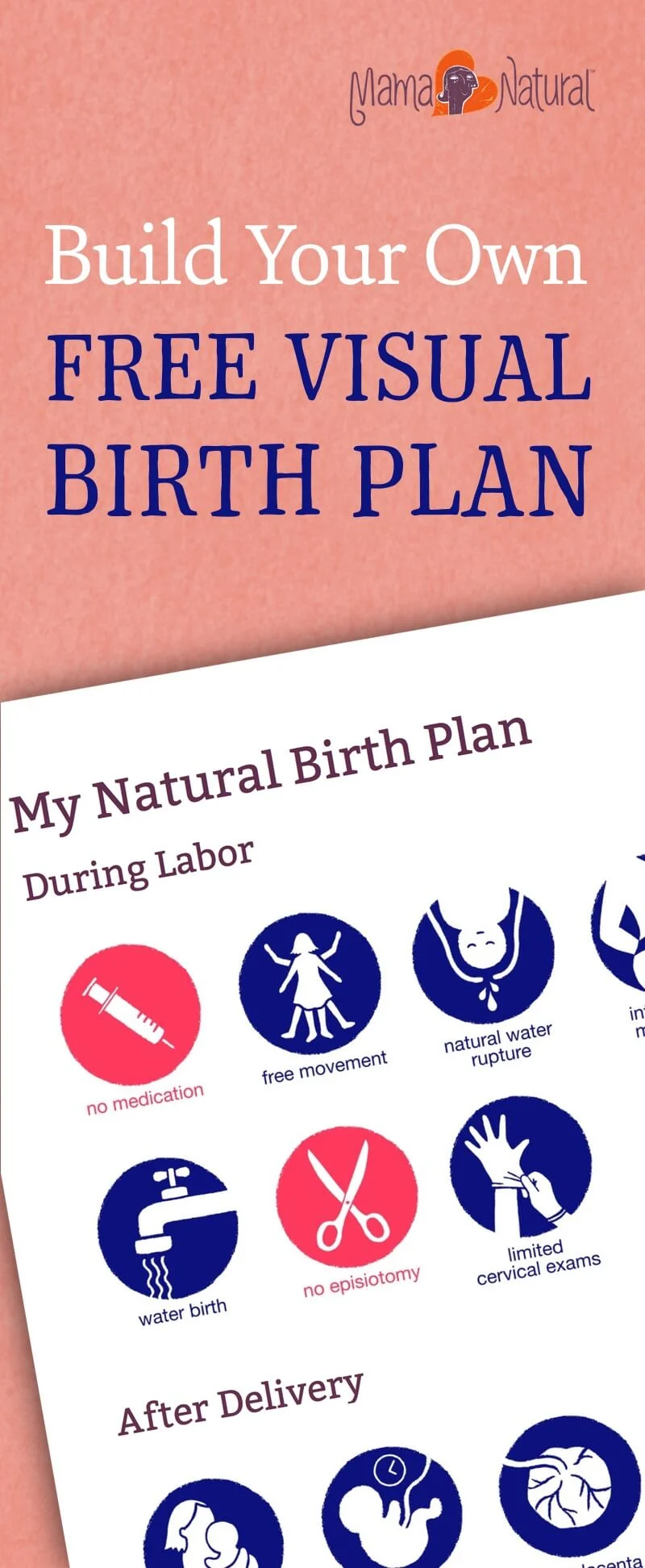
The integration of structured birth plans into obstetric care has transitioned from a niche preference to a critical component of modern maternal-fetal medicine, as healthcare providers and patients increasingly seek ways to streamline communication during the high-acuity environment of labor and delivery. Recent developments in the field, including the release of the 2025 Mama Natural Visual Birth Plan template, highlight a significant shift toward iconography-based communication. This approach aims to bridge the gap between patient autonomy and the fast-paced requirements of hospital staff. By utilizing a one-page, visual-first format, these templates are designed to provide a "blueprint" for the delivery room, ensuring that a mother’s preferences regarding interventions, postpartum care, and emergency contingencies are immediately accessible to the entire birthing team.
The Evolution of the Birth Plan: From Narrative to Visual
Historically, birth plans were often lengthy narrative documents that detailed a woman’s desires for her birthing experience. However, clinical feedback over the last decade has indicated that dense text is frequently overlooked in active labor settings. The move toward a visual birth plan represents a strategic response to the logistical realities of the labor and delivery ward. These templates utilize standardized icons to represent complex medical choices, such as fetal monitoring preferences, pain management strategies, and immediate newborn procedures.
The 2025 update to the Mama Natural framework introduces a refined icon system that distinguishes between affirmative preferences and declined interventions through color-coding. Blue icons are utilized to represent "positive" requests—actions the birthing team is encouraged to take, such as allowing free movement or performing delayed cord clamping. Conversely, red icons signal "negative" preferences—interventions the patient wishes to avoid unless medically necessary, such as episiotomies or the routine administration of Pitocin. This binary visual system is intended to reduce the cognitive load on nursing staff, allowing for rapid assessment of the patient’s chart without requiring extensive verbal consultation during contractions.
Technical Specifications and Customization in Modern Templates
The 2025 visual birth plan framework is built on a modular architecture, allowing for high levels of personalization. Available in both editable Word/Pages formats and static PDFs, the template allows users to drag and drop over a dozen icons to create a bespoke document. This level of customization is essential because the "standard of care" varies significantly between birthing centers, home birth settings, and tertiary care hospitals.
Key categories included in the updated 2025 framework include:
- Labor Interventions: Icons for intermittent vs. continuous monitoring, saline locks, and hydrotherapy.
- Pain Management: Preferences regarding epidurals, nitrous oxide, or natural coping techniques.
- Post-Delivery Care: Requests for "the golden hour" (immediate skin-to-skin contact), breastfeeding support, and the timing of the newborn’s first bath.
- Gentle Cesarean Options: A new dedicated section for 2025 that addresses the growing demand for family-centered surgical births, including clear drapes, music in the OR, and immediate skin-to-skin in the recovery room.
Data-Driven Context: Why Birth Plans Matter in 2025
The push for standardized birth plans is supported by a growing body of data regarding maternal satisfaction and obstetric outcomes. According to the Centers for Disease Control and Prevention (CDC), the cesarean delivery rate in the United States remains approximately 32.1%. As surgical births remain common, the inclusion of "Gentle Cesarean" icons in birth plan templates reflects a data-driven reality: patients need to be prepared for surgical outcomes while maintaining a sense of agency.
Furthermore, studies published in the Journal of Perinatal Education suggest that women who feel they have had a "voice" in their birthing process report significantly lower rates of postpartum post-traumatic stress disorder (PTSD) and postpartum depression. Even when medical complications necessitate a deviation from the original plan, the existence of a documented preference allows for "informed refusal" and "informed consent," which are the cornerstones of ethical medical practice.

Addressing the Clinical Stigma of the "High Maintenance" Patient
Despite the benefits, birth plans have historically faced a "stigma of inflexibility" within some hospital environments. Anecdotal evidence from nursing staff and midwives suggests that overly rigid or adversarial birth plans can sometimes create friction between the patient and the care team. Some clinicians have expressed concern that birth plans set unrealistic expectations, leading to disappointment if the "plan" must be abandoned for safety reasons.
However, the visual birth plan model is specifically designed to mitigate this friction. By keeping the document to a single page and using clear, professional icons, it signals to the medical staff that the patient is seeking a collaborative relationship rather than an adversarial one. As noted by Stephanie, a mother who utilized the visual template, midwives and hospital staff have begun to embrace these tools as the "clearest way to keep everyone on the same page." This shift indicates that when birth plans are presented as a communication tool rather than a list of demands, they are more likely to be integrated into the patient’s clinical chart and respected by the attending staff.
Health Equity and the Black Birthing Bill of Rights
The enrichment of birth plan templates also intersects with broader movements for health equity. For women of color, who face disproportionately higher rates of maternal mortality and morbidity in the United States, a birth plan is more than a list of preferences; it is a tool for survival and advocacy. Organizations like the National Association to Advance Black Birth (NAABB) have advocated for the "Black Birthing Bill of Rights," which emphasizes the right to respectful, high-quality care.
Incorporating these rights into a visual birth plan allows marginalized patients to clearly articulate their expectations for care. In an environment where implicit bias can affect medical decision-making, a clear, written, and visual document serves as a persistent advocate for the patient, ensuring that their choices are recorded and visible to every shift-change of the medical team.
Chronology of Birth Plan Integration
The trajectory of the birth plan from 1980 to 2025 shows a clear path toward professionalization:
- 1980s-1990s: The rise of the "Natural Birth" movement led to the first handwritten birth plans, often viewed with skepticism by the medical establishment.
- 2000s: Hospitals began creating their own "check-box" forms to standardize patient requests, though these were often limited in scope.
- 2010s: The digital revolution allowed for the creation of printable templates and the rise of the "visual birth plan" using basic clip art.
- 2020-2024: Increased focus on "Gentle Cesareans" and trauma-informed care led to more nuanced templates.
- 2025: The introduction of advanced iconography, color-coded negative/positive indicators, and comprehensive surgical options as seen in the latest Mama Natural releases.
Implications for the Future of Obstetric Care
The continued evolution of visual birth plans suggests a future where patient-provider communication is increasingly mediated by standardized, accessible tools. As hospitals move toward fully digital health records, there is a significant opportunity to integrate these visual icons directly into Electronic Health Record (EHR) systems. This would allow a patient’s preferences to be flagged automatically for any clinician accessing their file.
The primary implication of this trend is the democratization of birth expertise. By providing free, easy-to-customize templates, organizations are empowering parents to educate themselves on their options long before they enter the hospital. This proactive approach encourages "informed choice" over "routine care," potentially reducing the number of unnecessary interventions and improving the overall safety and satisfaction of the birthing experience.
In conclusion, the 2025 visual birth plan is not merely a document but a sophisticated communication framework. By simplifying complex medical choices into a clear, one-page visual format, it addresses the needs of both the laboring mother and the healthcare provider. As the medical community continues to prioritize patient-centered care, tools that foster clarity, respect, and mutual understanding will remain essential in the delivery rooms of the future. Healthcare providers are encouraged to view these plans not as a challenge to their authority, but as a roadmap to providing the most supportive and safe care possible for each unique family.
