

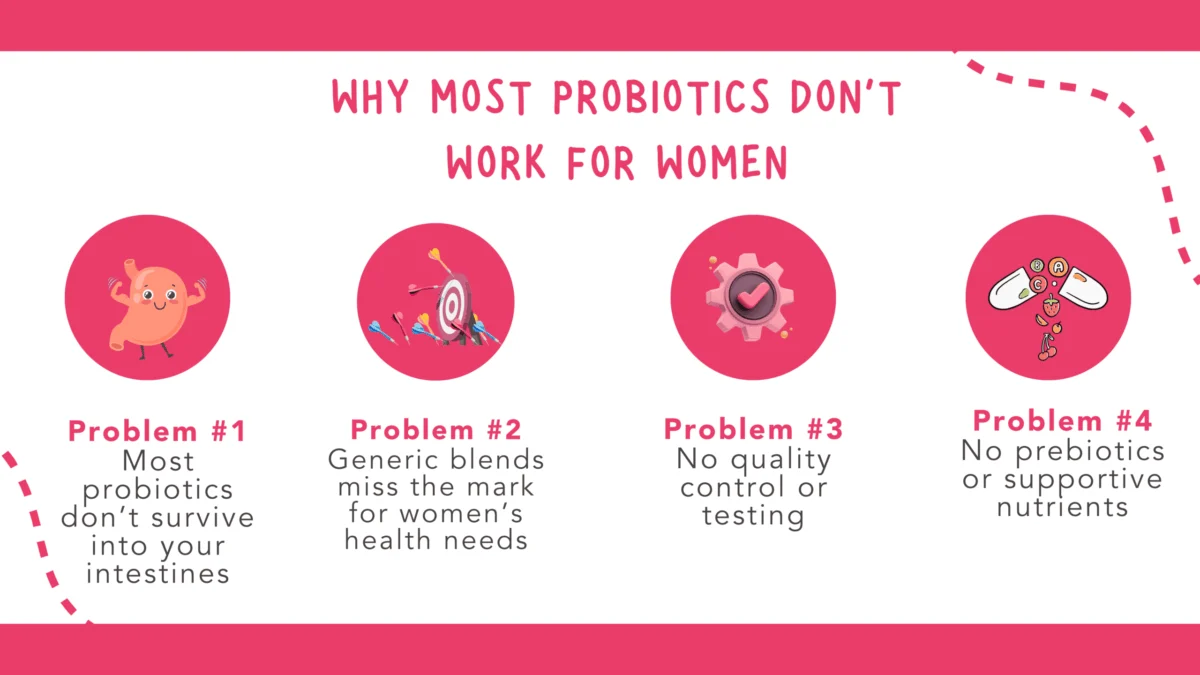
The global probiotic market, valued at over $70 billion in 2023, continues to expand as consumers increasingly seek natural solutions for digestive health, immunity, and skin clarity. However, a growing body of scientific evidence and consumer feedback suggests that a significant portion of these products fail to deliver their promised benefits, particularly for female users. While marketing campaigns frequently promise "improved digestion" and "balanced moods," the reality of probiotic efficacy is complicated by biological barriers, manufacturing inconsistencies, and a historical lack of gender-specific formulation.
To understand why the majority of probiotics on the market may be ineffective for women, it is necessary to examine the journey these microorganisms must take through the human body, the specific physiological needs of the female microbiome, and the regulatory landscape of the supplement industry.
The Biological Barrier: Survival Through Gastric Acid
The primary obstacle facing any oral probiotic is the human stomach. Designed to be a hostile environment for pathogens, the stomach maintains a highly acidic pH level, typically ranging from 1.5 to 3.5. While this acidity is essential for breaking down proteins and neutralizing harmful bacteria, it is equally lethal to many beneficial probiotic strains.
Research indicates that unless a probiotic is specifically formulated to survive this acidic passage, the majority of the live cultures are destroyed before they reach the small and large intestines, where they are intended to colonize. In many commercial preparations, the "Colony Forming Units" (CFUs) advertised on the label refer to the count at the time of manufacture, not the count that remains viable upon reaching the gut.
To address this, pharmaceutical-grade formulations have begun employing two primary strategies: enteric coatings and "potent overage." Enteric coatings are designed to dissolve only when they reach the higher pH environment of the intestines. Alternatively, the strategy of potent overage involves packing a capsule with significantly higher numbers of bacteria than the label claims, ensuring that even after a high percentage of loss in the stomach, a therapeutic dose remains. Industry experts suggest that for a probiotic to be effective, it must utilize strains known for their inherent acid resistance or be protected by advanced delivery technologies.
The Gender Gap in Microbiome Research
A significant factor in the failure of generic probiotics is the historical "one-size-fits-all" approach to gut health. Women’s health needs are distinct from men’s due to fluctuations in hormones, the presence of the vaginal microbiome, and higher incidences of specific conditions such as urinary tract infections (UTIs) and yeast infections.
The female microbiome is not limited to the digestive tract; it encompasses a complex system that includes the reproductive and urinary tracts. Strains that are effective for general digestive health in men may not address the specific requirements of the vaginal flora. For example, the presence of Lactobacillus species is a primary indicator of a healthy vaginal environment. When these populations decline, the risk of bacterial vaginosis and other infections increases.
Generic blends often prioritize common strains like Lactobacillus acidophilus without including the specific sub-strains necessary for female-specific support. Clinical studies have highlighted several strains that are particularly beneficial for women:
- Lactobacillus rhamnosus: Extensively studied for its ability to survive the digestive tract and support both gut and vaginal health.
- Lactobacillus gasseri: Known for its role in maintaining vaginal flora balance and supporting metabolic health.
- Lactobacillus reuteri: Linked to the reduction of harmful bacteria and the promotion of immune health.
- Bifidobacterium longum: A key player in maintaining the integrity of the intestinal lining and supporting the immune system.
The Reality of Industry Quality Control
The supplement industry operates under different regulatory standards than the pharmaceutical industry. In the United States, the Food and Drug Administration (FDA) does not approve dietary supplements for safety and effectiveness before they are marketed. This regulatory gap has led to significant discrepancies between product labels and actual contents.
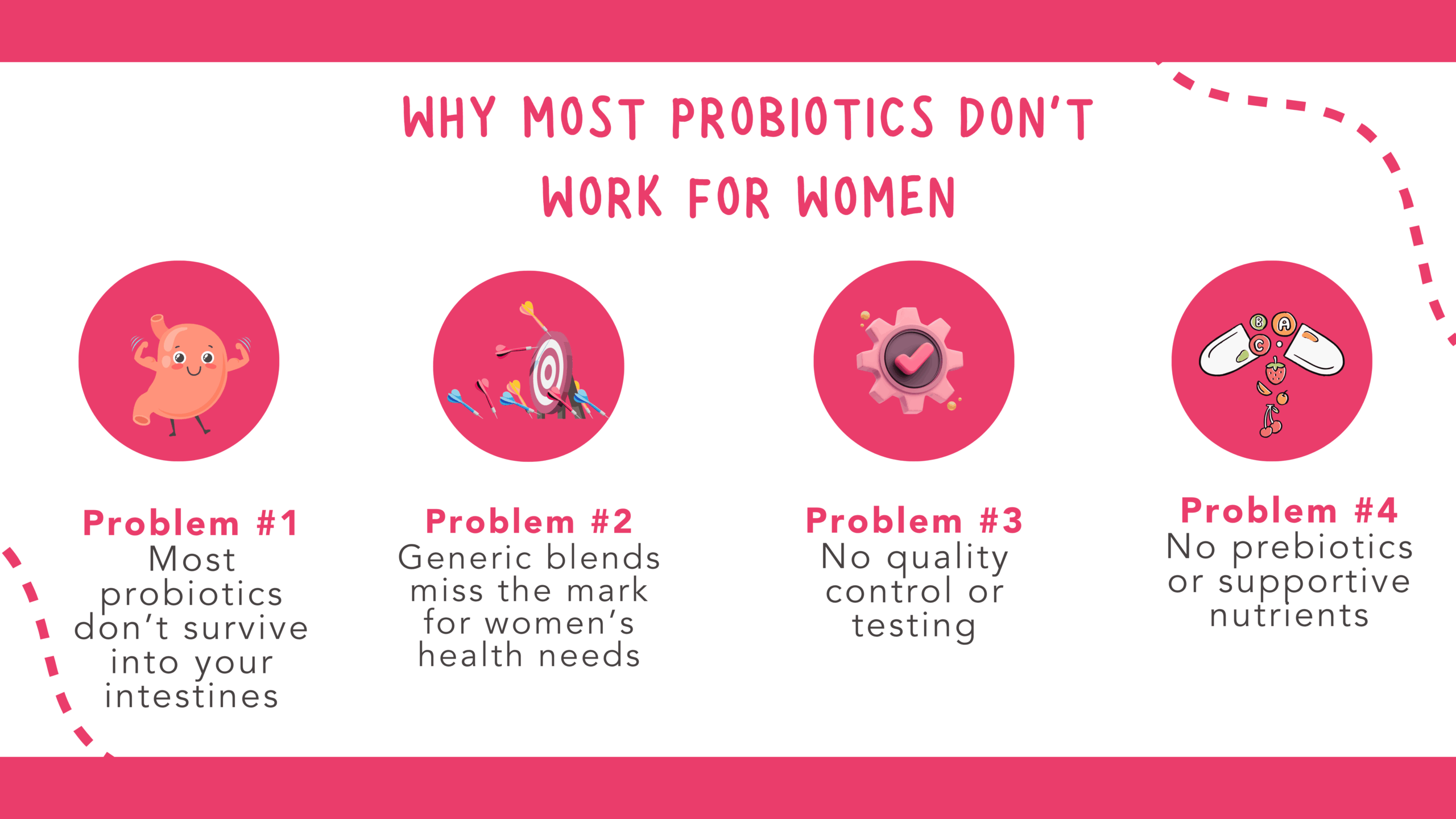
A landmark study published in the journal Scientific Reports and other independent laboratory tests have revealed that a substantial number of probiotic supplements contain fewer live organisms than stated. In some cases, products contained none of the advertised strains or were contaminated with mold or unintended bacteria.
Furthermore, the stability of probiotics is a major concern. Many strains are sensitive to heat and moisture. Without rigorous third-party testing and climate-controlled supply chains, the "friendly bacteria" in a bottle may be dead by the time a consumer purchases it. Professional-grade manufacturers are now moving toward mandatory third-party certifications and transparent "strain-specific" labeling to build consumer trust and ensure efficacy.
The Role of Prebiotics and the "Baobab" Innovation
A probiotic’s success is also dependent on its environment. Probiotics are living organisms that require nourishment to thrive and colonize effectively. These nutrients are known as prebiotics—non-digestible fibers that serve as "fuel" for beneficial bacteria.
Most standard probiotic supplements omit prebiotics, forcing the bacteria to compete for limited resources within the host’s gut. Modern formulations, such as those developed by companies like Mama Natural, are increasingly incorporating "synbiotics"—a combination of probiotics and prebiotics in a single dose.
One emerging prebiotic source gaining attention in the nutritional science community is the fruit of the Baobab tree (Adansonia digitata), often referred to as the "Tree of Life." Baobab fruit fiber is a whole-food source of prebiotics that is rich in antioxidants and gentle on the digestive system. Given that the average woman requires approximately 25 grams of fiber daily—a target that many fail to reach—the inclusion of 100 mg or more of organic baobab fiber provides a dual benefit of feeding the probiotic strains while contributing to the user’s daily fiber intake.
Chronology of Probiotic Development
The evolution of probiotics from traditional fermented foods to sophisticated medical supplements follows a clear timeline of scientific discovery:
- Early 1900s: Nobel laureate Élie Metchnikoff proposes that consuming fermented milk could "seed" the gut with beneficial bacteria and prolong life.
- 1950s-1980s: Identification of specific Lactobacillus and Bifidobacterium strains begins. Probiotics are primarily found in yogurts and fermented products.
- 1990s-2000s: The "Probiotic Boom" occurs. Supplements enter the mainstream market, though often with generic, low-stability formulas.
- 2010s: Genomic sequencing allows scientists to identify specific strains and their unique functions. Research into the "gut-brain axis" and the "gut-vaginal axis" gains momentum.
- 2020s-Present: The shift toward "Precision Probiotics" begins. Consumers demand gender-specific formulas, third-party testing, and high-survival delivery systems.
Analysis of Implications for Women’s Health
The shift toward targeted probiotics represents a significant advancement in preventative healthcare for women. When a probiotic is correctly formulated—utilizing acid-resistant strains, female-specific bacteria, and prebiotic support—the potential benefits extend beyond simple digestion.
- Immune System Support: Since approximately 70% to 80% of the immune system is located in the gut, a balanced microbiome is essential for resisting seasonal illnesses and chronic inflammation.
- Hormonal Balance: The "estrobolome" is a collection of bacteria in the gut specifically tasked with metabolizing and recirculating estrogen. An imbalance in these bacteria can lead to estrogen dominance or deficiency, affecting everything from the menstrual cycle to mood.
- Vaginal and Urinary Health: By maintaining an acidic environment in the vaginal tract through the production of lactic acid, specific probiotic strains serve as a primary defense against pathogens.
Conclusion and Recommendations
For a probiotic to be effective, it must be more than just a collection of random bacteria. Industry experts recommend that consumers look for products that meet four specific criteria: they must contain clinically studied, strain-specific bacteria; they must be targeted toward the user’s specific biological needs; they should include prebiotic fibers (such as Baobab) to ensure bacterial survival; and they must be free from unnecessary fillers and allergens.
Furthermore, consistency is paramount. Microbiologists note that the gut ecosystem does not change overnight. It typically takes two to four weeks of daily supplementation for new bacterial colonies to establish themselves. This must be paired with a diet rich in whole foods, adequate hydration, and a reduction in processed sugars, which tend to feed harmful bacterial populations.
As the science of the microbiome continues to evolve, the move away from generic, "one-size-fits-all" supplements toward specialized, high-quality formulations marks a new era in women’s wellness—one where the promise of "improved health" is backed by biological reality rather than just marketing.
