

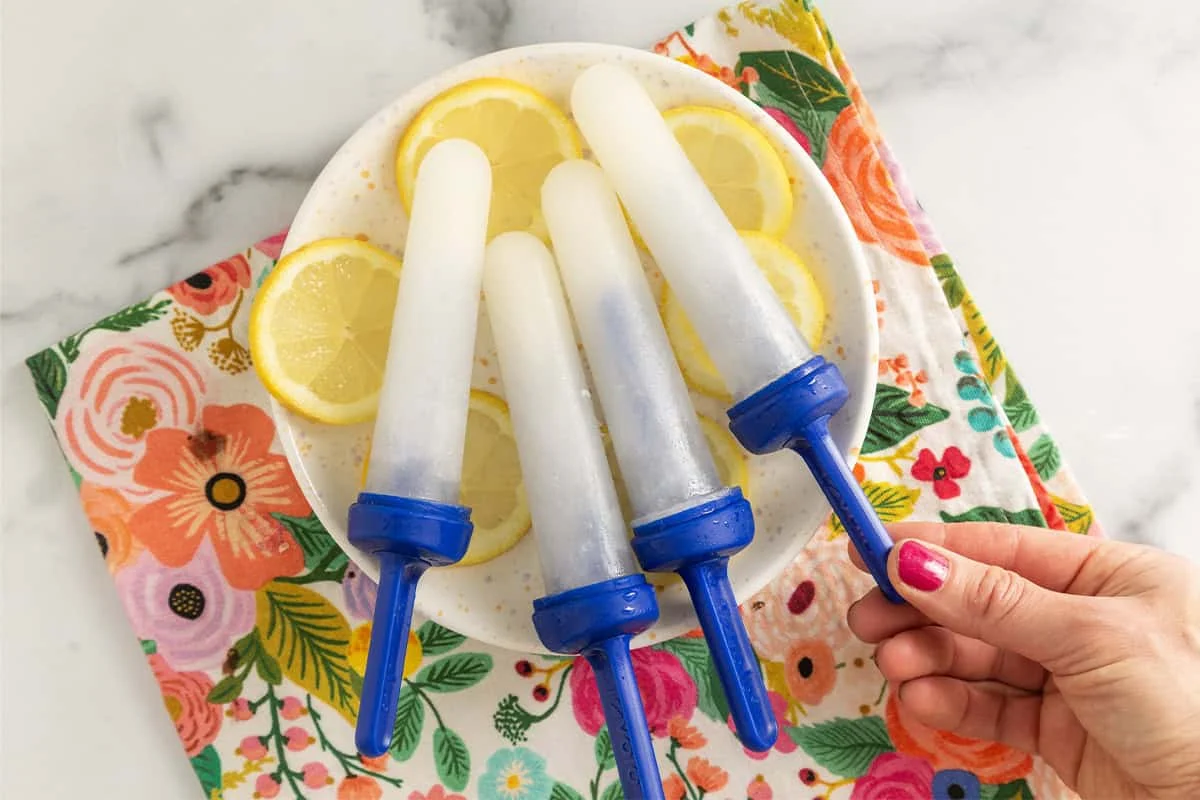
The emergence of minimalist culinary practices in the household has led to a significant shift in how parents approach pediatric nutrition, particularly during the high-temperature summer months when hydration becomes a primary physiological concern. Among the most efficient solutions recently highlighted by nutritionists and family-food specialists is the streamlined lemon popsicle, a snack that requires as few as one to two ingredients. This preparation method prioritizes accessibility and rapid assembly without compromising the sensory appeal necessary to maintain consistent fluid intake in young children. By utilizing high-quality store-bought lemonade or a combination of citrus and dairy/plant-based fats, caregivers can produce a hydrating tool that serves as both a dessert and a nutritional supplement.
Structural Simplicity and Ingredient Methodology
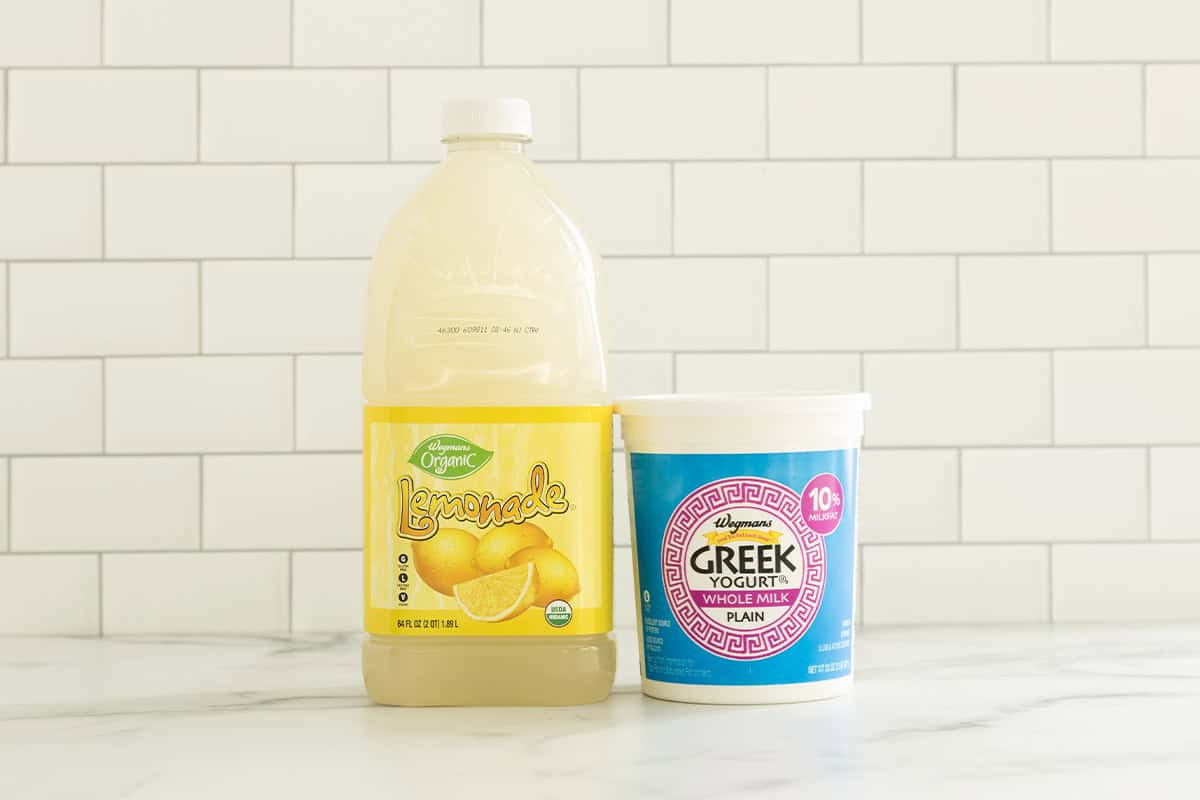
The core appeal of the modern lemon popsicle lies in its structural simplicity. Traditionally, frozen confections have relied on complex syrups, artificial dyes, and stabilizers to maintain texture and flavor. However, current trends in pediatric feeding suggest that a "clean label" approach—reducing the ingredient list to the bare essentials—is more effective for long-term health. The primary methodology involves the use of a pre-made lemonade base. This choice is significant from a logistical standpoint; it eliminates the need for mechanical blending and reduces the preparation time to mere minutes.
For parents seeking to enhance the macronutrient profile of the snack, the "two-ingredient" variation introduces a creamy element, typically in the form of Greek yogurt or coconut cream. This addition transitions the popsicle from a simple ice-pop into a more substantial snack, providing a modest amount of protein and healthy fats. According to nutritional data, a standard serving of these lemon popsicles contains approximately 35 calories, 7 grams of carbohydrates, and 2 grams of protein when a dairy component is included. This low-calorie density makes it an ideal "anytime" snack that does not interfere with the consumption of primary meals.
Chronology of Development and Consumer Adoption
The transition toward simple, homemade frozen treats has followed a distinct timeline over the last decade. Historically, the "ice pop" market was dominated by mass-produced items containing high-fructose corn syrup and synthetic flavorings. Between 2015 and 2020, a surge in health-conscious blogging and pediatric nutrition research began to influence domestic food preparation. The "Yummy Toddler Food" methodology, which emphasizes stress-free kitchen environments, popularized the use of store-bought shortcuts that do not sacrifice ingredient quality.
A notable turning point in the adoption of these specific lemon-based recipes occurred during the post-pandemic travel boom. Parents, often operating in temporary kitchen environments such as vacation rentals or campsites, required recipes that did not necessitate heavy machinery like blenders. The discovery that high-quality lemonade could be frozen directly in molds without additional processing provided a "proof of concept" for minimalist snacking. This "vacation-style" cooking has since been integrated into daily routines, reflecting a broader societal move toward efficiency and reduced cognitive load for caregivers.
Nutritional Analysis and Pediatric Hydration Strategies
Pediatricians frequently emphasize the importance of creative hydration, especially for children who may be resistant to drinking plain water. Lemon popsicles serve as a strategic intervention in this area. The citric acid in lemon juice provides a refreshing flavor profile that stimulates salivation, while the frozen medium ensures a slow, controlled intake of fluids.
From a data-driven perspective, the nutritional breakdown of a single lemon popsicle is as follows:
- Calories: 35 kcal
- Total Carbohydrates: 7g (with 6g being sugar, primarily from the lemonade base)
- Protein: 2g (when fortified with yogurt)
- Sodium: 9mg
- Calcium: 19mg (contributing to bone health in developing toddlers)
While the sugar content is present, it is significantly lower than that of commercial "sherbet" or "ice cream" alternatives. Furthermore, the ability to select "lower-added-sugar" versions of store-bought lemonade allows for precise caloric management. For children over the age of one, the addition of honey can provide a natural sweetener with antimicrobial properties, though caregivers must remain vigilant regarding the strict prohibition of honey for infants under 12 months due to the risk of botulism.
Comparative Analysis: Store-Bought vs. Homemade Bases
A central debate in the preparation of these popsicles involves the source of the lemonade. While purists may argue for fresh-squeezed lemon juice mixed with homemade simple syrup, the journalistic consensus among food analysts suggests that high-quality store-bought options are often more practical for the average household. Store-bought lemonade typically offers a consistent acidity level and sweetness profile, which ensures that the popsicles freeze with a predictable texture.
However, for those seeking to maximize flavor, several "flavor-enhancement" techniques have been identified:
- Zest Integration: Adding lemon zest increases the concentration of limonene, an essential oil with antioxidant properties.
- Fruit Suspension: The inclusion of sliced strawberries or raspberries provides visual interest and additional fiber.
- Acid Modification: A fresh squeeze of lime or additional lemon juice can sharpen the flavor profile for children who prefer tart snacks.
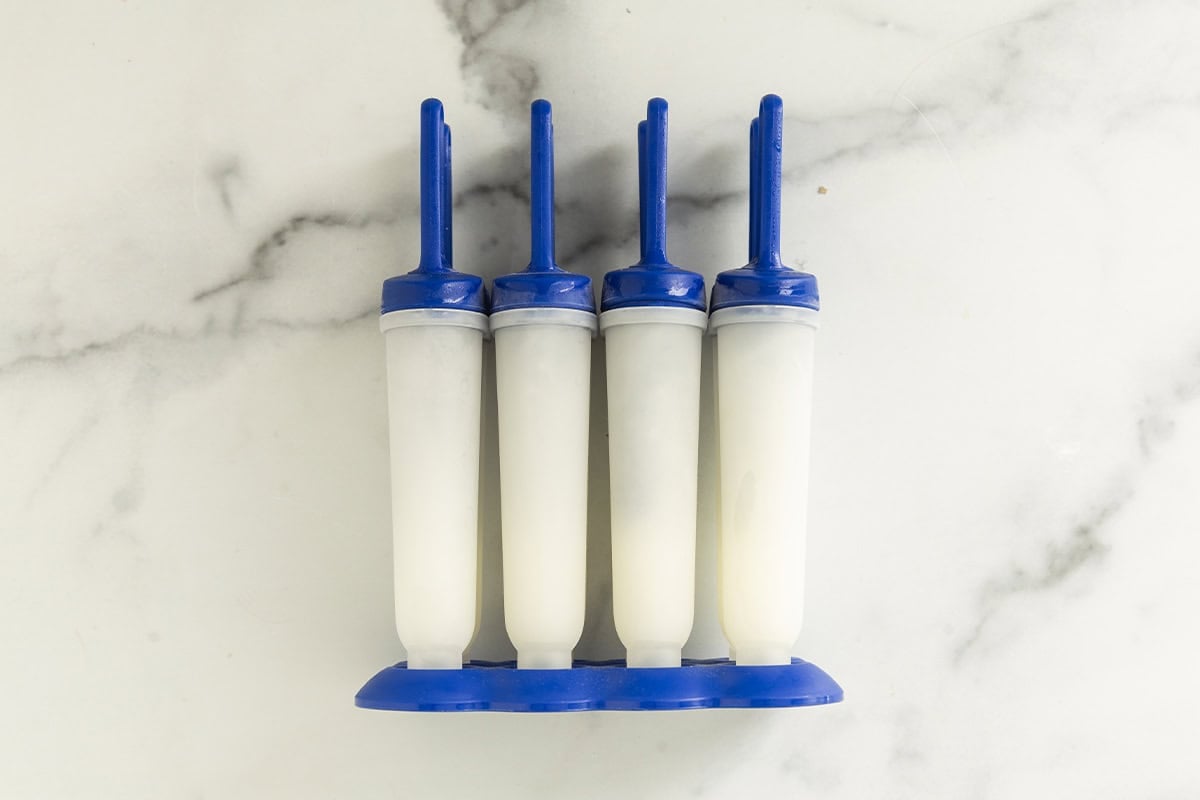
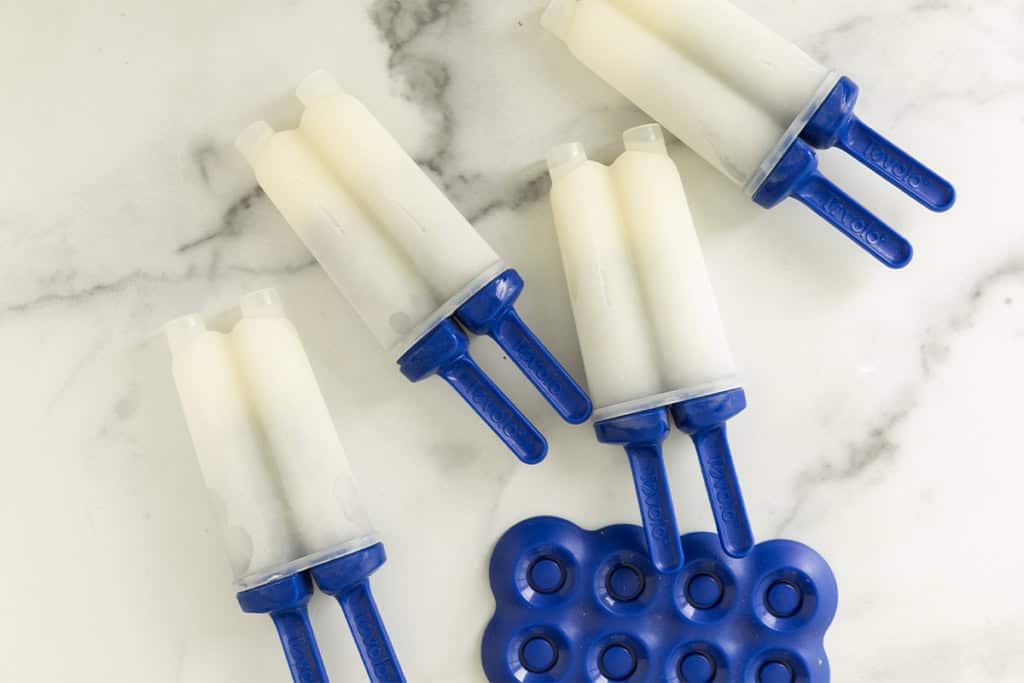
The freezing process itself requires a minimum of four hours to reach structural integrity, though overnight freezing is recommended to ensure the core is fully solidified. For households lacking professional popsicle molds, the industry standard for "DIY" freezing involves 4-ounce paper or plastic cups paired with traditional wooden sticks—a method that remains a staple of resourceful parenting.
Market Trends and the "Clean Label" Influence
The popularity of one-ingredient lemon popsicles is a microcosm of the larger "Clean Label" movement within the global food industry. Market research indicates that consumers are increasingly wary of long ingredient lists containing unrecognizable chemical compounds. By shifting the production of snacks from the factory to the home freezer, parents are reclaiming control over the "ultra-processed" food cycle.
This shift has implications for the snack industry at large. As more families opt for "fridge-to-freezer" snacks, demand for high-quality, organic lemonade and Greek yogurt has seen a proportional increase. This trend also aligns with sustainability goals, as homemade popsicles in reusable silicone molds significantly reduce the plastic waste associated with individually wrapped commercial ice pops.
Professional Guidance and Safety Standards
While lemon popsicles are generally considered a safe and healthy option, experts provide several caveats for optimal success. First, the texture of the popsicle is heavily dependent on the sugar-to-water ratio. Pure water freezes into a hard, crystalline block, whereas the sugar in lemonade interferes with the formation of large ice crystals, resulting in a "softer" bite that is safer for primary teeth.
Storage also plays a critical role in maintaining quality. To prevent "freezer burn"—the dehydration of the frozen surface due to air exposure—it is recommended that popsicles be transferred to airtight containers or freezer bags once they have fully hardened in their molds. This practice extends the shelf life of the snack to several weeks, allowing for bulk preparation.
Broader Impact on Pediatric Feeding Dynamics
Beyond the immediate nutritional benefits, the use of lemon popsicles has a psychological impact on the feeding dynamic between parent and child. The "toddler" phase is often characterized by neophobia (the fear of new foods) and a desire for autonomy. Offering a popsicle—a food item traditionally viewed as a high-value treat—can reduce mealtime power struggles and foster a positive relationship with fruit-based flavors.
Furthermore, the versatility of the recipe allows it to be paired with other healthy staples. Recommendations include serving the popsicles alongside lemon yogurt muffins or homemade graham crackers, creating a multi-textured snack experience that supports sensory development. This holistic approach to snacking ensures that the child receives a variety of nutrients while viewing healthy eating as an enjoyable, rather than restrictive, activity.
Conclusion: The Future of Simplified Nutrition
The rise of the minimalist lemon popsicle reflects a broader realization in modern nutrition: that the most effective health interventions are often the simplest. By leveraging the basic chemistry of citrus and the convenience of modern freezing technology, caregivers can provide a high-utility snack that addresses hydration, caloric needs, and sensory satisfaction. As the culinary landscape continues to evolve toward transparency and efficiency, the one-ingredient popsicle stands as a testament to the power of functional, accessible food design in the domestic sphere. For the modern household, the ability to transform a simple beverage into a revitalizing frozen treat represents a victory for both pediatric health and parental sanity.
