

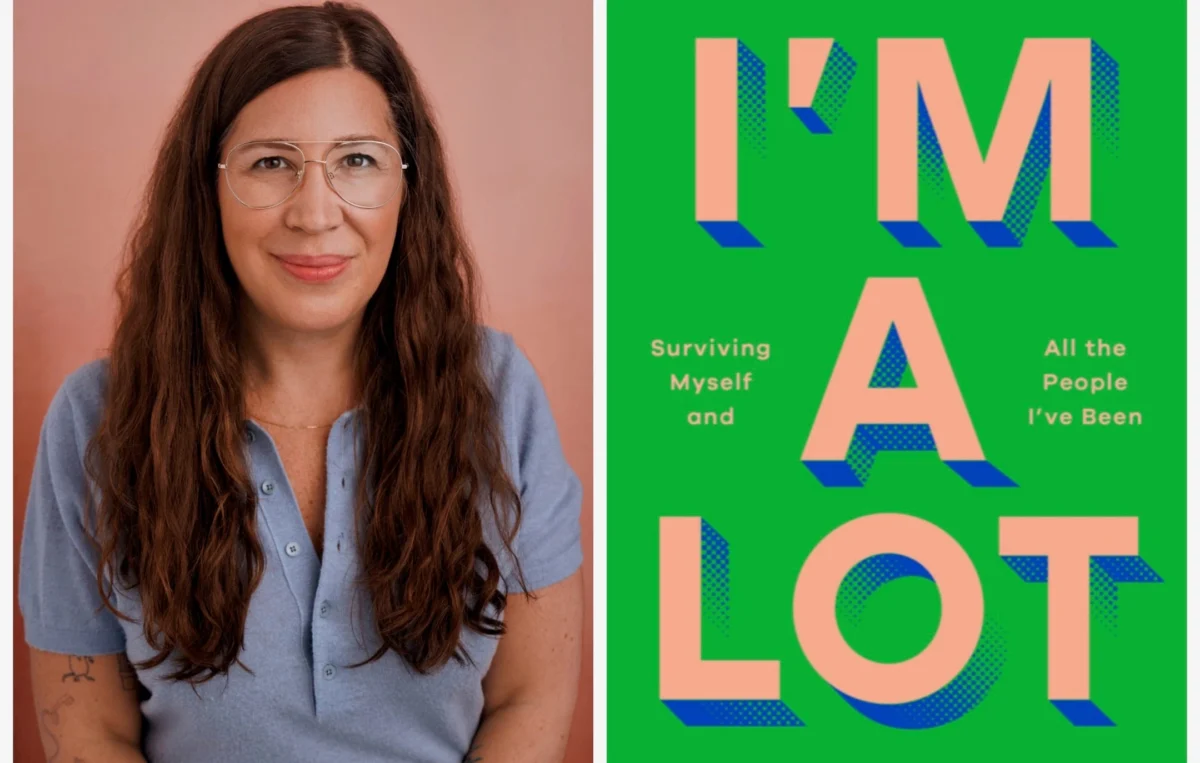
The Context of Leiby’s Narrative and the "One-and-Done" Trend
Leiby’s reflections arrive at a time when the "only child" family dynamic is becoming increasingly prevalent in the United States and other developed nations. According to data from the U.S. Census Bureau and the Pew Research Center, the percentage of mothers who have only one child by the end of their childbearing years has doubled since the mid-1970s, rising from approximately 11% to 22%. This shift is attributed to various factors, including the rising cost of childcare, delayed parenthood, and changing career trajectories for women.
In her essay, Leiby describes a childhood defined by a "separate vacation" policy. Rather than compromising on a single destination, her parents—who remained married but possessed divergent interests—took individual trips with her. Her father opted for skiing in Colorado, while her mother preferred the beaches of Boca Raton. Leiby identifies this as a hallmark of the only-child experience: the ability of the family unit to cater to individual preferences without the logistical friction inherent in larger households. This narrative challenges the "spoiled" stereotype often attributed to only children, suggesting instead that the environment fosters a unique form of adaptability and exposure to adult interests.
Chronology of Media Representation and the "Normal" Family
Leiby’s essay highlights a significant gap in 20th-century media representation. She references the "TGIF" programming block on ABC, which dominated Friday night television in the late 1980s and 1990s. Shows such as Full House, Family Matters, and Step by Step typically depicted large, often blended families. Leiby notes that the "sole child living with two adults" was rarely the focus of these sitcoms, likely because the quiet, adult-centric environment of such a household lacked the high-energy conflict required for traditional television comedy.
The chronology of these media portrayals contributed to a societal definition of "normalcy" that excluded the only-child experience. For decades, sitcoms relied on sibling rivalry as a primary plot driver. In contrast, Leiby describes her childhood as one of "decompressing in silence," a habit she compares to that of a middle-aged professional. This "adultification"—the process by which children in small families adopt adult-like social cues and conversational styles—is a documented phenomenon in developmental psychology. Leiby recounts befriending teachers and discussing episodes of 60 Minutes at the age of nine, illustrating how only children often bridge the generational gap earlier than those with siblings.

Supporting Data: Debunking the Only Child Myth
The stereotypes Leiby addresses—selfishness, social maladjustment, and an inability to handle conflict—have been the subject of psychological study for over a century. In 1896, psychologist G. Stanley Hall famously characterized being an only child as "a disease in itself." However, modern research has largely debunked these claims.
A meta-analysis of over 200 studies conducted by Toni Falbo, a professor of educational psychology at the University of Texas at Austin, found that only children do not differ significantly from children with siblings in terms of personality traits such as extroversion, agreeableness, or emotional stability. In fact, the data suggested that only children often score higher in "achievement motivation" and self-esteem, likely due to the concentrated resources and attention provided by parents. Leiby’s account aligns with these findings, as she describes a high level of comfort in adult spaces and a lack of jealousy toward peers with siblings, whom she viewed as having more chaotic and less autonomous lives.
Socio-Economic Implications and the Future of Caregiving
While Leiby’s essay celebrates the freedoms of the only-child lifestyle, it also confronts a sobering reality: the "sole caregiver" burden. As the "Baby Boomer" and "Gen X" generations age, only children are increasingly finding themselves responsible for the care of two parents without the support of siblings.
Leiby expresses a profound apprehension regarding this future, noting that as her parents enter their seventies, the uncertainty of their long-term health and financial management rests entirely on her shoulders. This reflects a broader societal challenge known as the "Sandwich Generation" crisis, though for only children, the "sandwich" is often more of a singular pillar of support.
Key Statistical Trends in Caregiving:
- Resource Concentration: Only children often receive more financial support for education and housing, but they also face a 100% responsibility rate for parental elder care.
- Economic Impact: The lack of sibling support can lead to higher rates of professional burnout for only children who must balance full-time careers with intensive caregiving duties.
- The Inheritance Factor: Conversely, the eventual transfer of wealth is less diluted in single-child families, which can provide a financial cushion for the caregiver’s own retirement.
Reactions and Critical Reception
The excerpt has garnered significant engagement, with over 130 comments on the original Cup of Jo feature within days of its publication. Readers have echoed Leiby’s sentiments, with many only children expressing relief at seeing their "quiet" childhoods validated. Conversely, parents of only children have used the piece as a platform to discuss the guilt they sometimes feel about not providing a sibling, a phenomenon often referred to as "only child guilt."

Industry peers have praised Leiby for her ability to blend humor with existential dread. Her background in comedy—specifically her work on The Marvelous Mrs. Maisel—is evident in her sharp observations about "Walt the warthog" and the "metallic gunmetal-gray Lancôme eye shadow." Critics argue that Leiby’s work is part of a growing literary movement that seeks to de-stigmatize non-traditional family structures and celebrate the "small family" unit.
Broader Impact and Implications for Family Planning
Leiby’s essay concludes with a description of her family’s current tradition: an annual trip to Aruba. By replacing traditional gift-giving with shared experiences, the Leiby family has maintained a close-knit bond that persists into Alison’s adulthood. This shift from consumer-based holidays to experience-based bonding is a growing trend among millennial and Gen Z families, who prioritize "quality time" over material accumulation.
The broader implication of Leiby’s narrative is the normalization of the "one-and-done" family. As societal pressures to have multiple children diminish, more individuals are weighing the benefits of a smaller family unit—such as financial stability, focused parenting, and the preservation of the parents’ individual identities. Leiby’s work suggests that while the "only child" path includes unique fears regarding the future, it also offers a depth of connection and a level of personal autonomy that many find preferable to the traditional, larger family model.
In the landscape of modern memoir writing, I’m a Lot serves as a cultural touchstone for a generation re-evaluating what it means to be a "normal" family. Through her blend of personal anecdote and social commentary, Leiby provides a roadmap for understanding the complexities of the modern nuclear family, ensuring that the voice of the only child is no longer sidelined in the conversation about the American domestic experience.
