


The modern breakfast landscape has undergone a significant transformation over the last decade, shifting from sugary cereals and labor-intensive stovetop cooking toward nutrient-dense, time-efficient "meal prep" solutions. At the forefront of this movement is the emergence of overnight oats, a preparation method that utilizes cold-soaking to soften grains. While rolled oats have traditionally dominated this category, a refined technique involving steel cut oats is gaining traction among health-conscious consumers and busy parents. This method provides a superior nutritional profile and a distinct texture that addresses both the dietary needs of growing children and the logistical demands of professional households.
The Nutritional Superiority of Steel Cut Grains
To understand the rising popularity of overnight steel cut oats, one must first examine the structural differences between various types of oat products. Steel cut oats, also known as Irish or Scottish oats, are produced by cutting the whole oat groat into two or three smaller pieces using steel blades. Unlike rolled oats, they are not steamed or flattened. This minimal processing ensures that the bran and germ remain intact, preserving the grain’s natural fiber and protein content.
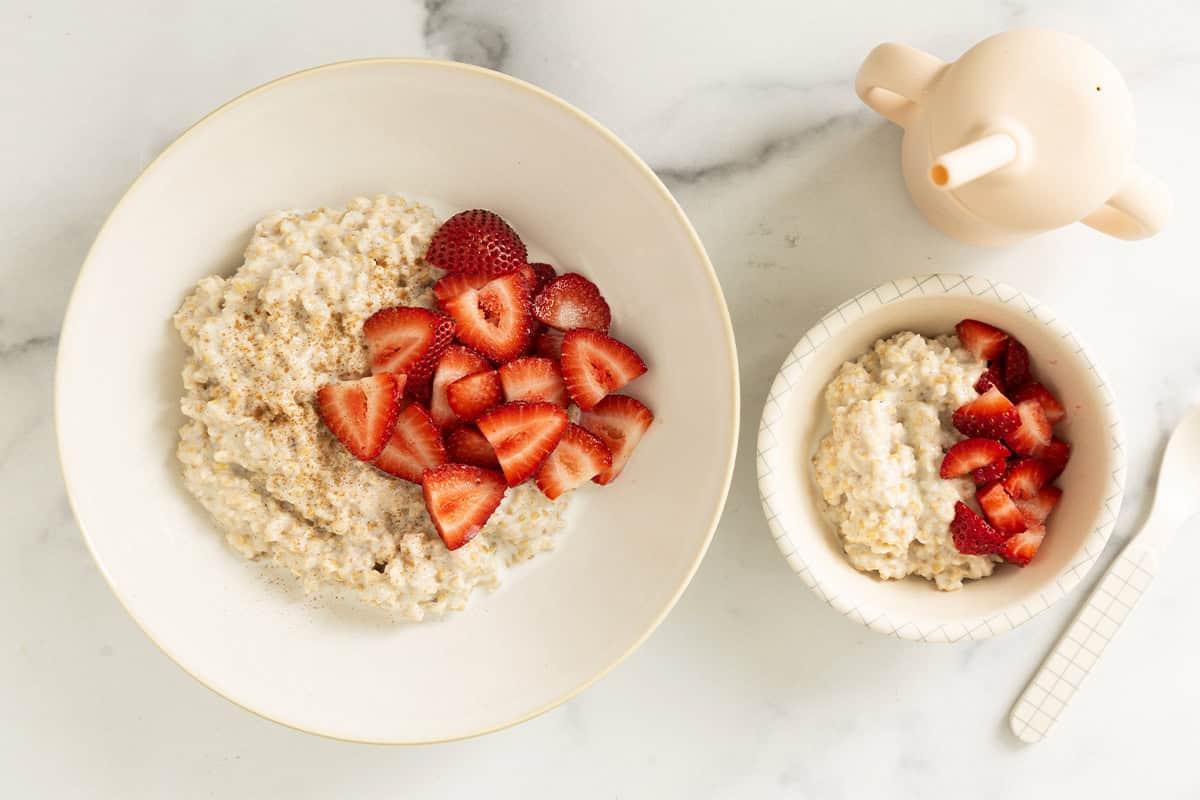
According to nutritional data, a single serving of steel cut oats prepared with milk and fruit contains approximately 257 calories, providing 10 grams of protein and 6 grams of dietary fiber. This fiber content is particularly significant; it consists largely of beta-glucan, a soluble fiber known to lower LDL cholesterol and improve heart health. Furthermore, the low glycemic index of steel cut oats ensures a slower release of glucose into the bloodstream, preventing the "sugar crashes" often associated with processed breakfast foods. For toddlers and young children, the high iron content—averaging 3 milligrams per serving—serves as a critical intervention against iron-deficiency anemia, a common concern during early developmental stages.
Technical Methodology: The Simmer and Soak Process
The primary challenge historically associated with steel cut oats in an "overnight" context has been their density. Unlike rolled oats, which soften readily in cold liquid, raw steel cut oats can remain unpleasantly gritty if not handled correctly. A refined chronological process has been developed to bridge the gap between convenience and palatability.
Phase One: The Thermal Activation
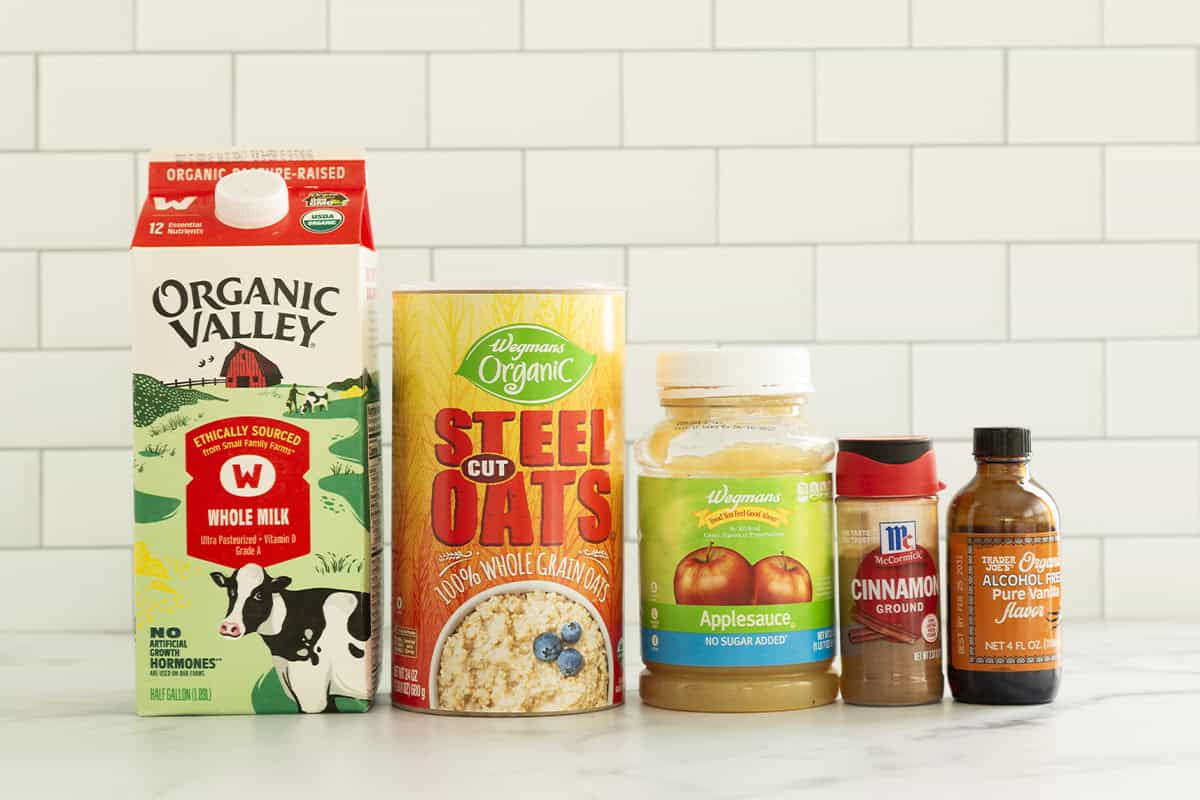
The process begins in the evening with a brief thermal intervention. By combining steel cut oats with a liquid base—typically dairy or plant-based milk—in a medium saucepan, the preparer brings the mixture to a simmer. This step is not intended to cook the oats fully but rather to initiate the gelatinization of starches. Once the simmer point is reached, the heat is immediately deactivated. This brief exposure to heat breaks down the tough outer hull of the grain just enough to allow for deeper moisture penetration during the soaking phase.
Phase Two: The Infusion of Flavor
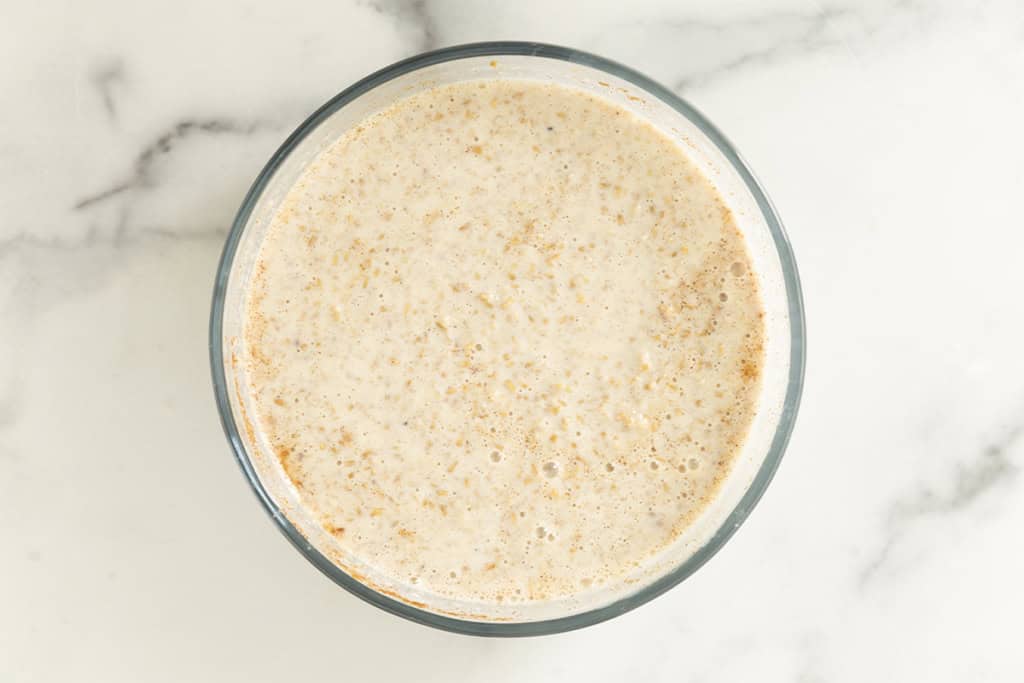
Following the simmer, additional ingredients are introduced. Standard formulations include vanilla extract for aromatic depth and ground cinnamon, which serves as both a flavor enhancer and a source of antioxidants. Many practitioners also incorporate chia seeds at this stage to increase the omega-3 fatty acid content and further thicken the consistency to a pudding-like state.
Phase Three: Overnight Hydration
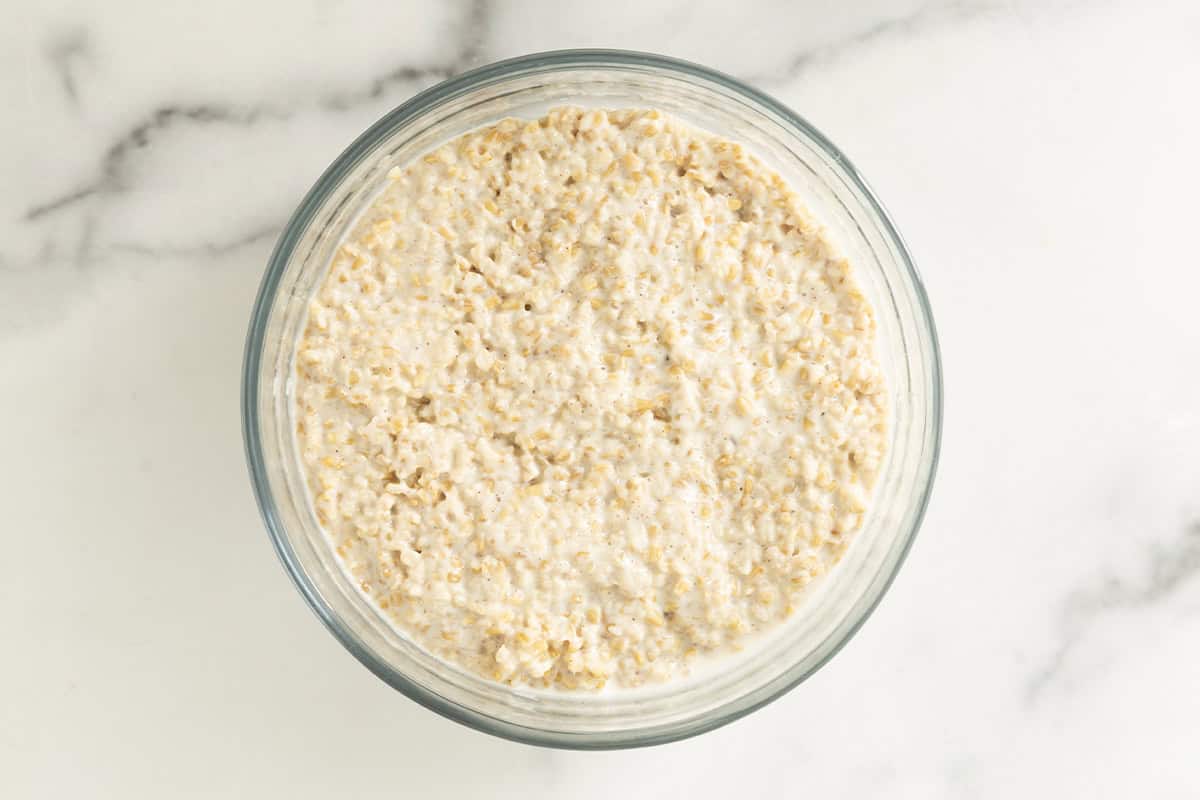
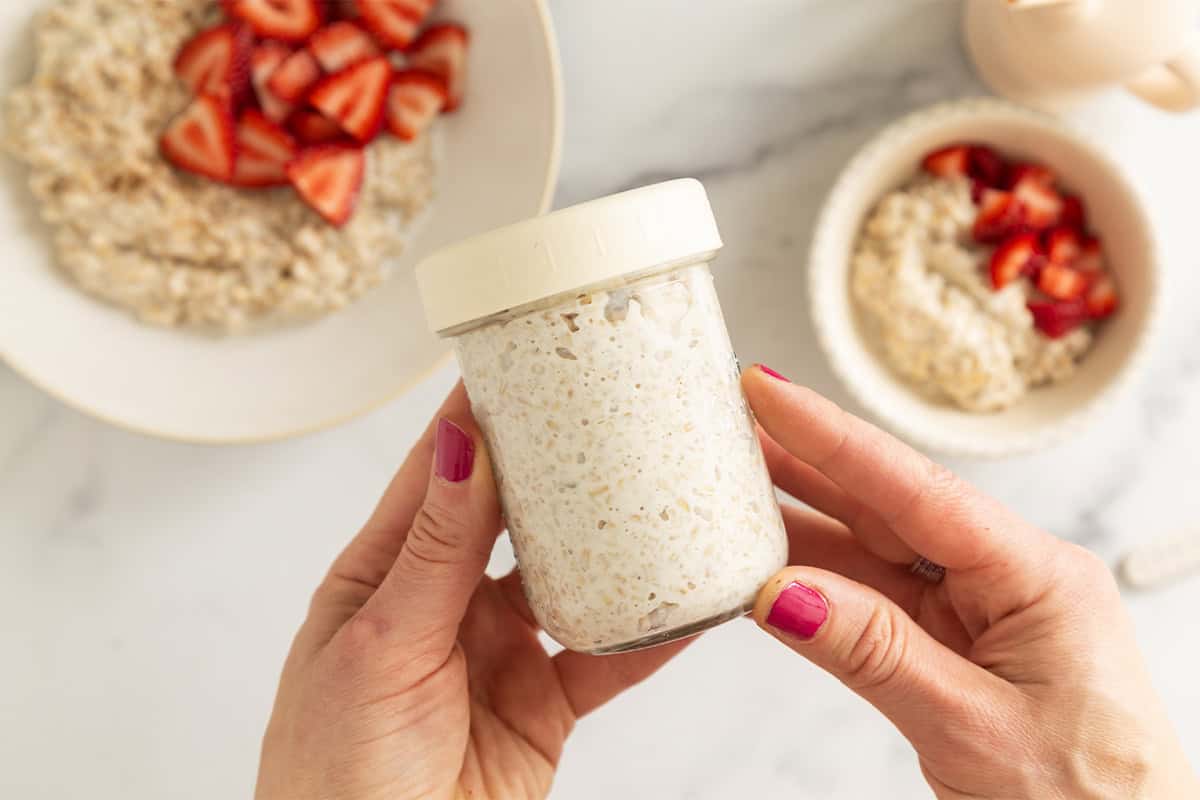
The mixture is then transferred to an airtight container and refrigerated for a minimum of eight hours. During this period, the oats undergo a slow hydration process. The result is a creamy, chewy texture that retains the "mouthfeel" of the grain without the hardness of raw oats or the mushiness of overcooked rolled oats.
Comparative Analysis of Breakfast Preparation Methods
The adoption of overnight steel cut oats represents a strategic shift in household management. In a comparative analysis of morning routines, the "overnight" method eliminates the 20 to 30 minutes of active stovetop monitoring required for traditional steel cut porridge.

| Feature | Instant Oats | Rolled Overnight Oats | Steel Cut Overnight Oats |
|---|---|---|---|
| Processing Level | High | Medium | Low |
| Glycemic Index | High | Medium | Low |
| Preparation Time | 2 Minutes | 5 Minutes (Prep) | 7 Minutes (Prep + Simmer) |
| Texture | Soft/Mushy | Soft/Creamy | Chewy/Dense |
| Fiber Retention | Lower | Moderate | High |
Data suggests that families who engage in "meal prepping"—the practice of preparing meals in bulk ahead of time—report lower stress levels during the morning rush. The ability to portion the oats into individual glass jars allows for a "grab-and-go" efficiency that mirrors the convenience of fast food while maintaining the integrity of a home-cooked meal.
Pediatric Implications and Sensory Development
For pediatric nutritionists, the texture of steel cut oats is a significant factor in child development. While many toddlers gravitate toward soft, homogenous textures, early exposure to varied "mouthfeels" is essential for preventing picky eating habits later in life. The "rice pudding" consistency of overnight steel cut oats provides a sensory experience that encourages active chewing, which is beneficial for oral motor development.
Furthermore, the versatility of the base recipe allows parents to address specific nutritional gaps. The addition of nut butters can increase healthy fat intake, while the inclusion of hemp hearts or flaxseeds can boost protein. Statements from dietary experts indicate that involving children in the customization of their oat jars—choosing between strawberries, blueberries, or sliced bananas—increases their "food agency" and likelihood of consumption.
Economic and Environmental Impact
Beyond health and convenience, the shift toward bulk-prepared oats has broader economic implications. Steel cut oats purchased in bulk are significantly more cost-effective than pre-packaged, flavored oatmeal sachets. On average, a homemade serving of overnight oats costs approximately $0.50 to $0.75, compared to $2.50 to $4.00 for store-bought refrigerated oat cups or fast-food breakfast options.
Environmentally, the use of reusable glass jars for overnight oats contributes to a reduction in single-use plastic and paper waste. As consumers become increasingly aware of the environmental footprint of their dietary choices, the "zero-waste" potential of home-prepped oats adds another layer of appeal to this breakfast strategy.
Storage, Safety, and Longevity
Food safety is a paramount consideration in any meal-prep scenario. Journalistic investigation into food storage best practices reveals that overnight oats, when kept in an airtight container at a constant temperature below 40°F (4°C), remain safe for consumption for up to five days. This longevity allows for a single preparation session on Sunday evening to cover the entire work week.
However, experts caution that the addition of fresh fruit directly into the mixture may shorten the shelf life due to the release of moisture and the potential for fermentation. For optimal freshness, it is recommended to add fresh berries or sliced fruits immediately before serving.
Broader Health Trends and Implications
The rise of the "overnight steel cut oat" is indicative of a larger societal trend: the pursuit of "functional foods." These are foods that provide health benefits beyond basic nutrition. By combining whole grains with probiotics (if using yogurt-based liquids) and antioxidants (from spices and fruit), the recipe serves as a comprehensive tool for gut health and chronic disease prevention.
As the global oats market continues to expand—projected to reach a valuation of over $6 billion by 2030—the focus is expected to remain on minimally processed varieties. The transition from the "fast food" era to the "smart food" era is exemplified by this simple yet effective preparation method. It represents a synthesis of ancient grain consumption and modern logistical needs.
In conclusion, overnight steel cut oats offer a scientifically backed, nutritionally dense, and economically viable solution for modern breakfast challenges. By utilizing a brief simmering step to unlock the texture of the grain, preparers can provide a meal that supports cardiovascular health, stabilizes blood sugar, and facilitates easier morning transitions for families. As more households move away from processed convenience foods, the reliance on pantry staples like steel cut oats is likely to become a permanent fixture in the global culinary repertoire.
