

The global probiotic market, currently valued at over $70 billion and projected to grow significantly through the end of the decade, has transformed from a niche health-food sector into a cornerstone of the modern wellness industry. As consumers increasingly prioritize preventative healthcare and gut-mediated wellness, the sheer volume of available products has led to a phenomenon often described by clinicians as "choice paralysis." From shelf-stable capsules and refrigerated liquids to formulations boasting anywhere from 10 billion to 100 billion Colony Forming Units (CFUs), the landscape of microbial supplementation is as complex as the human microbiome itself. To navigate this market effectively, health professionals and researchers emphasize the importance of strain specificity, delivery mechanisms, and the alignment of microbial profiles with individualized health objectives.
The Evolution of Microbiome Science and Consumer Demand
The history of probiotic consumption dates back to the early 20th century when Nobel laureate Élie Metchnikoff hypothesized that the longevity of Bulgarian peasants was linked to their consumption of fermented milk products. However, it was the completion of the Human Microbiome Project in the early 21st century that catalyzed the current revolution in gut health. Scientists discovered that the human body hosts trillions of microorganisms, which play a critical role in digestion, vitamin synthesis, immune modulation, and even neurological function via the gut-brain axis.
As public awareness of the microbiome has expanded, so too has the demand for sophisticated supplementation. This demand has shifted the industry away from "one-size-fits-all" solutions toward targeted therapies. Market data suggests that modern consumers are no longer satisfied with generic "gut health" claims; they are seeking specific outcomes, such as relief from irritable bowel syndrome (IBS), improved vaginal health, or cognitive support.
Understanding Strain Specificity: The Key to Efficacy
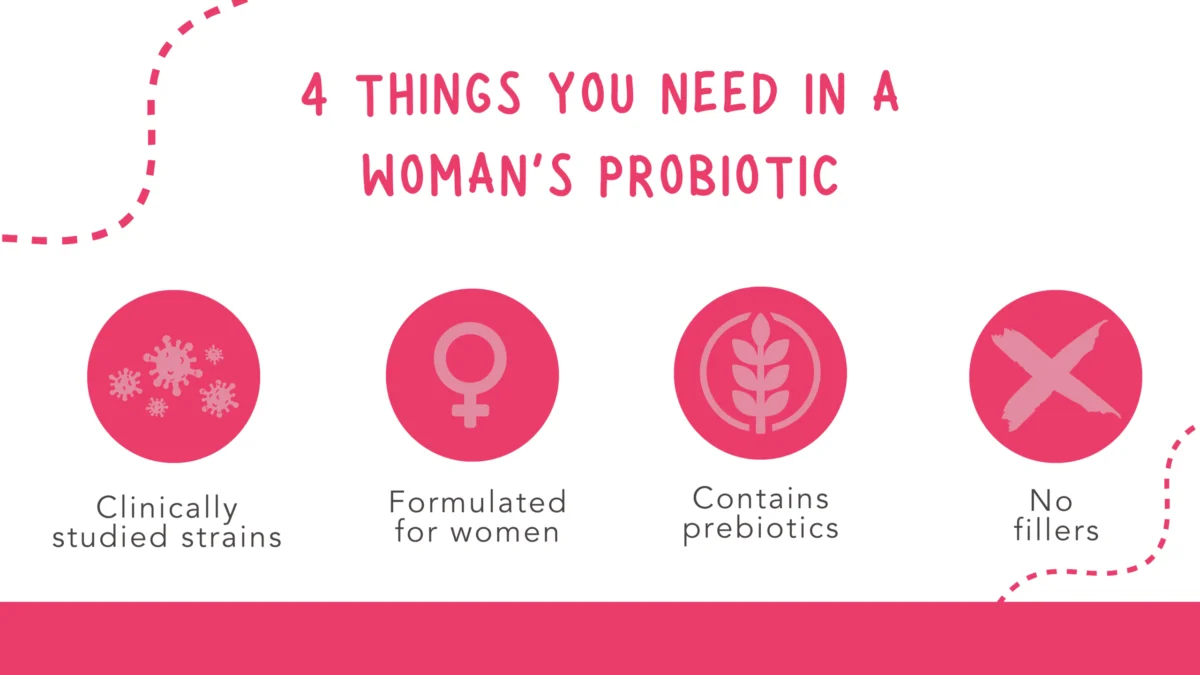
The fundamental error many consumers make is treating all probiotics as interchangeable. In the field of microbiology, the benefits of a probiotic are strain-specific. A probiotic is identified by its genus (e.g., Lactobacillus), its species (e.g., acidophilus), and its specific strain (e.g., La-14). Research indicates that while two strains may belong to the same species, they may exert entirely different effects on the host.
Gastrointestinal and Digestive Support
For individuals addressing common digestive complaints such as bloating, irregular bowel movements, and nutrient malabsorption, specific strains of Lactobacillus acidophilus and Bifidobacterium lactis have shown the highest clinical efficacy. These microorganisms support the production of digestive enzymes and help maintain the integrity of the intestinal barrier, often referred to as the "tight junctions." By reinforcing this barrier, these strains prevent the translocation of undigested food particles and pathogens into the bloodstream, thereby reducing systemic inflammation and localized discomfort.
Urogenital Health in Women
A significant sector of the probiotic market is now dedicated to women’s health, specifically the maintenance of the vaginal and urinary microbiomes. The vaginal environment is naturally dominated by Lactobacillus species, which produce lactic acid to maintain a low pH, inhibiting the overgrowth of pathogenic bacteria and yeast. Strains such as Lactobacillus rhamnosus and Lactobacillus reuteri have been extensively studied for their ability to migrate from the digestive tract to the vaginal canal, helping to restore balance after courses of antibiotics or hormonal fluctuations.
Immune System Modulation
Approximately 70% to 80% of the human immune system is located in the gut, specifically within the Gut-Associated Lymphoid Tissue (GALT). Strains like Lactobacillus paracasei and Bifidobacterium longum are frequently utilized for immune support. These "immunobiotics" interact with dendritic cells and T-cells, training the immune system to distinguish between harmless environmental antigens and genuine pathogens. This modulation is crucial for preventing both chronic infections and the overactive immune responses seen in allergies and autoimmune conditions.
The Psychobiotic Movement: Mood and Mental Health
One of the most innovative frontiers in probiotic research is the study of "psychobiotics"—bacteria that, when ingested in adequate amounts, yield a mental health benefit. The gut-brain axis serves as a bidirectional communication highway, utilizing the vagus nerve and the production of neurotransmitters like serotonin and GABA. Strains such as Lactobacillus helveticus and Bifidobacterium longum have been shown in clinical trials to reduce levels of the stress hormone cortisol and improve symptoms of anxiety and depression.
Quality Metrics and the CFU Debate
When evaluating a probiotic product, the "CFU count" is often the most prominent figure on the label. While a higher number—such as 50 billion CFUs—suggests a higher concentration of live bacteria, experts caution that quantity does not always equate to quality. The efficacy of a probiotic is determined by its ability to survive the journey through the highly acidic environment of the stomach to reach the small and large intestines.
Professional-grade supplements, such as those developed by Mama Natural, emphasize not just the initial count but the "survivability" of the strains. This is often achieved through advanced encapsulation technologies or the selection of naturally hardy strains that are shelf-stable. Shelf stability is a critical logistical factor; probiotics that require constant refrigeration are susceptible to rapid degradation if the cold chain is broken during shipping or storage. Consequently, many modern consumers are pivoting toward shelf-stable formulations that guarantee potency through the expiration date rather than just at the time of manufacture.
Furthermore, transparency in labeling is a non-negotiable standard in the current regulatory environment. High-quality products are characterized by third-party testing for purity and potency, ensuring that the supplement is free from contaminants such as heavy metals, GMOs, gluten, and soy.
The Role of Prebiotics and Synbiotics
The evolution of the industry has led to the rise of "synbiotics"—products that combine probiotics (live bacteria) with prebiotics (non-digestible fibers that serve as fuel for the bacteria). Common prebiotics include inulin, fructooligosaccharides (FOS), and galactooligosaccharides (GOS).
The logic behind synbiotic formulation is grounded in microbial ecology. By providing a "lunchbox" of nutrients along with the bacteria, manufacturers increase the likelihood that the probiotic will successfully colonize the gut. However, clinicians advise a cautious approach for individuals with sensitive digestive systems. Rapid introduction of high-fiber prebiotics can lead to temporary gas and bloating. A "low and slow" approach to dosage is generally recommended to allow the gut microbiome to adapt to the new microbial influx.
Chronology of Consumer Implementation and Expectations
The integration of a probiotic into a daily health regimen requires a disciplined, long-term perspective. Unlike pharmaceutical interventions that may offer immediate relief, probiotics function by gradually shifting the ecological balance of the gut.
- Days 1–7 (The Adjustment Phase): As new strains begin to compete with existing flora, some users may experience minor changes in digestion. This is often a sign of microbial "remodeling."
- Weeks 2–3 (Colonization): Beneficial bacteria begin to establish colonies. Users may notice improved regularity and a reduction in post-meal bloating.
- Month 1 and Beyond (Systemic Benefits): By the fourth week of consistent use, the systemic effects—such as improved immune response, clearer skin, and stabilized mood—typically become more apparent.
To maximize these results, health advocates suggest pairing supplementation with a "gut-friendly" lifestyle. This includes a diet rich in diverse plant fibers, adequate hydration, stress management, and the avoidance of unnecessary antibiotics, which can indiscriminately deplete beneficial microbial populations.
Broader Impact and Regulatory Implications
As the probiotic industry continues to expand, it faces increasing scrutiny from regulatory bodies such as the U.S. Food and Drug Administration (FDA) and the European Food Safety Authority (EFSA). Unlike pharmaceutical drugs, probiotics are largely classified as dietary supplements, which means they are not subject to the same rigorous pre-market approval process. This regulatory gap places the burden of due diligence on the consumer and the manufacturer.
The rise of brands like Mama Natural, which offer specialized "4-in-1" support (addressing gut, immune, vaginal, and digestive health), reflects a broader trend toward "precision supplementation." This movement is expected to drive further innovation in the field of personalized nutrition, where stool testing and genomic sequencing may eventually allow consumers to receive custom-blended probiotics tailored to their specific microbial deficiencies.
In conclusion, the selection of a probiotic should be a calculated decision based on scientific evidence rather than marketing aesthetics. By focusing on strain specificity, ensuring product stability, and maintaining consistency in usage, consumers can effectively harness the power of the microbiome to achieve comprehensive health outcomes. As research continues to unveil the depths of the gut-brain-immune connection, the role of targeted probiotics is set to become an even more integral component of evidence-based wellness.
