


Infertility, a complex and often emotionally challenging medical condition, affects millions of individuals and couples worldwide. Defined as the inability to conceive after a certain period of unprotected intercourse, it is increasingly recognized as a public health issue requiring comprehensive understanding and advanced medical interventions. Fortunately, significant strides in reproductive medicine have opened numerous avenues for treatment, offering hope and tangible solutions to those on the journey to parenthood. These treatments range from fundamental lifestyle adjustments and nutritional support to advanced surgical procedures and sophisticated assisted reproductive technologies.

Understanding the Landscape of Infertility
Globally, infertility impacts an estimated 1 in 6 couples of reproductive age, according to the World Health Organization (WHO), underscoring its widespread prevalence. In the United States, data from the Centers for Disease Control and Prevention (CDC) indicates that approximately 12% of women aged 15-44 years have difficulty getting pregnant or carrying a pregnancy to term. This condition is not solely a female issue; male factor infertility contributes to about one-third of cases, and in another third, it’s a combination of male and female factors or remains unexplained. The emotional toll of infertility can be profound, often leading to stress, anxiety, depression, and significant strain on relationships. Recognizing these challenges, medical guidelines and support systems emphasize early intervention and a holistic approach to care.

When to Seek Professional Guidance: ASRM Recommendations
The American Society for Reproductive Medicine (ASRM), a leading authority in the field, provides clear guidelines on when individuals or couples should consult a healthcare provider regarding conception difficulties. For women under 35 years of age, medical consultation is recommended if they have been trying to conceive for more than 12 months without success. This timeframe allows for a reasonable period of natural conception attempts, as statistics show that approximately 80% of couples conceive within the first year of trying.

However, for women aged 35 or older, this recommendation is shortened to six months of trying to conceive. This adjustment reflects the natural decline in female fertility that accelerates after the mid-30s due to factors such as reduced egg quality and quantity. For women aged 40 and above, immediate consultation is often advised due to the more rapid decline in ovarian reserve and increased risk of chromosomal abnormalities in eggs. Furthermore, certain pre-existing conditions or circumstances warrant earlier evaluation, regardless of age or duration of trying. These include irregular or absent menstrual cycles, a history of pelvic inflammatory disease, multiple miscarriages, known uterine or tubal abnormalities, or a male partner with known fertility issues. Early diagnosis can be crucial in identifying the underlying causes and initiating appropriate treatment, potentially improving success rates.
The Diagnostic Journey: Pinpointing the Causes

Before embarking on specific treatments, a thorough diagnostic evaluation is essential for both partners. This comprehensive assessment aims to identify any factors impeding conception.
For women, common diagnostic tests include:

- Hormone Blood Tests: These measure levels of hormones such as Follicle-Stimulating Hormone (FSH), Luteinizing Hormone (LH), Estrogen, Progesterone, Thyroid-Stimulating Hormone (TSH), and Anti-Müllerian Hormone (AMH). FSH and AMH levels, in particular, provide insights into ovarian reserve.
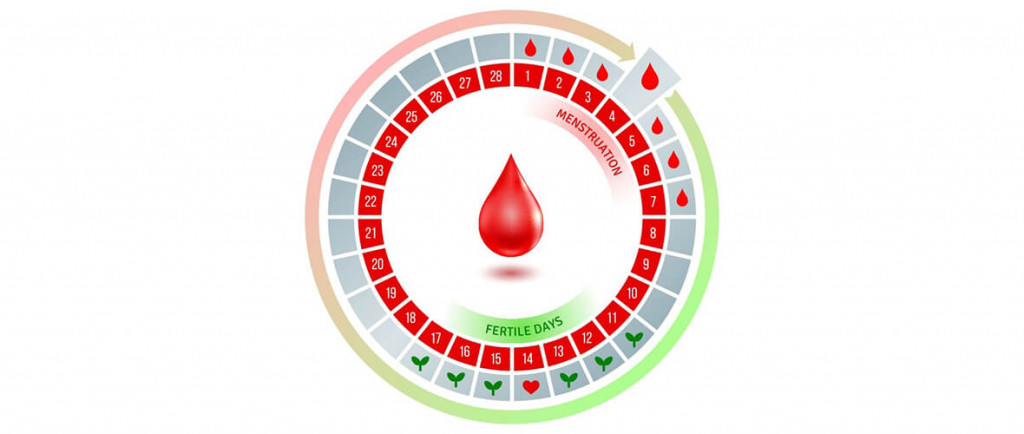
- Ovulation Tracking: Methods like ovulation predictor kits (OPKs), basal body temperature (BBT) charting, and ultrasound monitoring help confirm regular ovulation.
- Hysterosalpingography (HSG): An X-ray procedure that uses a dye to visualize the uterus and fallopian tubes, checking for blockages or structural abnormalities.
- Transvaginal Ultrasound: Used to examine the uterus, ovaries, and fallopian tubes for conditions like fibroids, polyps, ovarian cysts, or endometriosis.
- Laparoscopy: A minimally invasive surgical procedure that allows direct visualization of pelvic organs to diagnose and sometimes treat conditions like endometriosis, adhesions, or tubal blockages.
For men, the primary diagnostic tool is:
- Semen Analysis: This test evaluates sperm count, motility (movement), and morphology (shape). Abnormal results can indicate male factor infertility. Further tests may include hormone levels, genetic screening, or specialized sperm function tests.
In some cases, despite extensive testing, no specific cause can be identified, leading to a diagnosis of "unexplained infertility." While frustrating, even these cases can often benefit from various treatment options.

A Spectrum of Fertility Treatment Options
Once a diagnosis is established, healthcare providers can recommend a personalized treatment plan. The options available are diverse, ranging from conservative approaches to highly advanced medical procedures.

1. Lifestyle Modifications and Supplements:
Often the first line of advice, lifestyle changes can significantly impact fertility. These include adopting a balanced diet rich in fruits, vegetables, and whole grains, maintaining a healthy weight (as both underweight and overweight can affect ovulation and sperm quality), regular moderate exercise, and stress reduction techniques such as yoga or meditation. Eliminating smoking, excessive alcohol consumption, and recreational drug use is also critical. Certain vitamins and supplements, such as folic acid (essential for neural tube development and recommended preconceptionally), Vitamin D, Coenzyme Q10, and specific antioxidants, may be recommended to improve egg and sperm quality.
2. Medical Interventions:
Pharmacological treatments primarily aim to regulate or induce ovulation in women with ovulatory disorders.

- Oral Medications: Clomiphene Citrate (Clomid) and Letrozole are commonly prescribed to stimulate the ovaries to produce and release eggs. They work by modulating hormone levels.
- Injectable Gonadotropins: These stronger hormonal medications directly stimulate the ovaries to produce multiple eggs, often used in conjunction with intrauterine insemination (IUI) or in vitro fertilization (IVF).
- Metformin: While not a direct fertility drug, Metformin is often prescribed for women with Polycystic Ovary Syndrome (PCOS) to improve insulin sensitivity, which can help regulate ovulation.
3. Surgical Options:
Surgical interventions can correct anatomical issues affecting fertility in both men and women.
- For Women:
- Laparoscopy: Can be used to remove endometriosis implants, ovarian cysts, uterine fibroids, or to clear blocked fallopian tubes (e.g., salpingostomy).
- Hysteroscopy: A procedure to remove polyps, fibroids, or scar tissue within the uterus that might interfere with implantation.
- For Men:
- Varicocelectomy: Surgical repair of a varicocele (enlarged veins in the scrotum) which can sometimes improve sperm quality.
- Sperm Retrieval Procedures: For men with obstructive azoospermia (blockage preventing sperm release), surgical procedures like TESE (testicular sperm extraction) or PESA (percutaneous epididymal sperm aspiration) can retrieve sperm directly from the testes or epididymis for use in ART.
4. Assisted Reproductive Technologies (ART):
ART encompasses a range of advanced medical procedures where eggs and sperm are handled outside the body to achieve conception.
- Intrauterine Insemination (IUI): This procedure involves placing specially prepared sperm directly into the woman’s uterus around the time of ovulation. IUI is less invasive and less expensive than IVF and is often recommended for mild male factor infertility, unexplained infertility, or women using donor sperm. Success rates typically range from 5-20% per cycle, depending on various factors.
- In Vitro Fertilization (IVF): IVF is the most common and effective form of ART. It involves several key steps:
- Ovarian Stimulation: Hormonal medications are given to stimulate the ovaries to produce multiple mature eggs.
- Egg Retrieval: A minor surgical procedure to collect the mature eggs from the ovaries.
- Fertilization: Eggs are fertilized with sperm in a laboratory dish. This can involve conventional insemination or Intracytoplasmic Sperm Injection (ICSI), where a single sperm is injected directly into each egg, often used for severe male factor infertility.
- Embryo Culture: The fertilized eggs (embryos) are cultured in the lab for several days.
- Embryo Transfer: One or more embryos are transferred into the woman’s uterus.
- Cryopreservation: Any viable excess embryos can be frozen for future use.
Success rates for IVF vary significantly with age, with younger women generally having higher success rates. For women under 35, the live birth rate per IVF cycle can be around 40-45%, decreasing to 10-15% for women over 40.
- Preimplantation Genetic Testing (PGT): An advanced technique often used with IVF, PGT involves screening embryos for genetic abnormalities before transfer, which can improve implantation rates and reduce the risk of miscarriage or genetic disorders.
- Third-Party Reproduction: For individuals or couples unable to use their own gametes, options include donor eggs, donor sperm, or donor embryos. Gestational surrogacy, where another woman carries the pregnancy, is another option for those who cannot carry a pregnancy themselves.
The Emotional and Financial Landscape of Fertility Treatment
The journey through fertility treatment is rarely purely medical; it is deeply personal and emotionally taxing. Patients often grapple with a rollercoaster of hope and disappointment, alongside significant stress and anxiety. The repeated medical procedures, hormonal fluctuations, and the uncertainty of outcomes can take a severe toll on mental health. Many clinics now integrate psychological counseling and support groups into their services, recognizing the critical need for emotional well-being throughout the process.

Furthermore, the financial burden of fertility treatments can be substantial. A single cycle of IVF in the U.S. can cost upwards of $15,000 to $30,000, and multiple cycles are often required. Insurance coverage for fertility treatment varies widely, with many plans offering limited or no coverage, making access a significant barrier for many. This economic disparity creates a substantial challenge, highlighting the need for broader insurance mandates and increased public awareness regarding fertility care affordability.
Broader Implications and Future Outlook

The advancements in reproductive medicine have profound implications for public health, family planning, and societal structures. They offer pathways to parenthood for diverse families, including single individuals and same-sex couples, thus redefining family formation in modern society. As research continues, the field is poised for further innovations, including improved understanding of genetic factors influencing fertility, more personalized treatment protocols, and potentially less invasive or more cost-effective technologies.
Organizations like the American Pregnancy Association (APA) play a vital role in complementing the clinical aspects of fertility care by providing accessible, evidence-based information and support resources. Such organizations empower individuals and couples with knowledge, helping them navigate complex medical information and make informed decisions. They also advocate for improved access to care and increased public understanding of infertility.

The landscape of fertility treatment is dynamic and continually evolving, offering renewed hope to millions. While the path to parenthood can be challenging, the expanding array of diagnostic tools and therapeutic options, coupled with robust support systems, ensures that individuals and couples are never alone on their journey to build their families. The emphasis remains on early consultation, personalized care, and comprehensive support, transforming what was once a silent struggle into a journey filled with possibility.
