


The journey of infant feeding often presents unique challenges for new parents, with many babies requiring supplemental milk feeds alongside or in place of direct breastfeeding. This complex transition, aimed at increasing direct breastfeeding and, for some, achieving exclusive breastfeeding, is a critical area of focus for infant health and maternal well-being. While historically viewed as a straightforward process, contemporary understanding emphasizes a nuanced, evidence-based approach, underpinned by professional support and careful monitoring, acknowledging that not all families will achieve exclusive breastfeeding due to various complications.
Understanding the Initial Need for Supplementation
Infants may require supplementary milk for a multitude of reasons, often stemming from challenges in the immediate postnatal period. These can range from insufficient milk transfer at the breast, where a baby may not be efficiently removing milk, to a mother’s delayed or insufficient milk supply (lactation insufficiency). Medical conditions in the infant, such as prematurity, jaundice, or certain congenital issues, can impair their ability to feed effectively at the breast, leading to a need for additional nutrition to ensure healthy growth and development. Similarly, maternal health issues, complications during birth, or even the initial separation of mother and baby can impact the establishment of effective breastfeeding. In these scenarios, "supplements" or "top-ups" — whether expressed maternal milk, donor human milk, or infant formula — become vital to provide adequate sustenance and energy for the baby to thrive.
The Health Imperative: Why Transition Matters
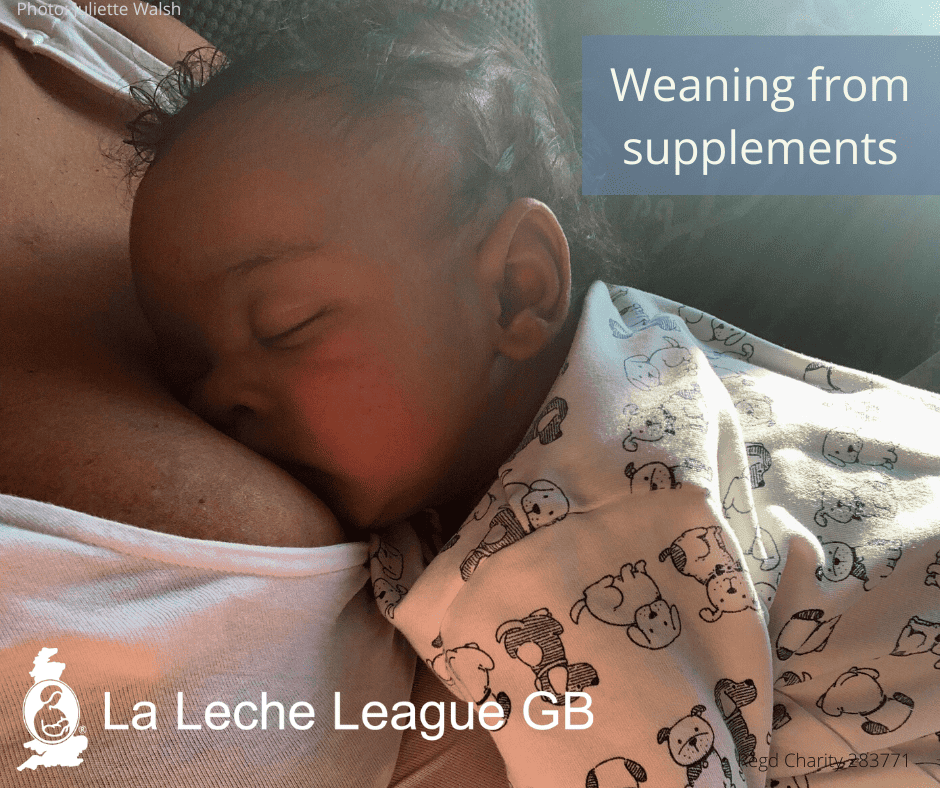
The goal for many parents and healthcare professionals is to facilitate a transition towards increased direct breastfeeding, ideally leading to exclusive breastfeeding where possible. This is not merely a preference but is rooted in extensive research highlighting the unparalleled benefits of human milk. Breast milk is a dynamic, living fluid uniquely tailored to an infant’s needs, offering complete nutrition, essential antibodies, and bioactive compounds that support immune system development, gut health, and neurological maturation.
Data from global health organizations like the World Health Organization (WHO) and UNICEF consistently underscore the protective effects of breastfeeding. Exclusive breastfeeding for the first six months is associated with reduced incidence of respiratory infections, ear infections, gastrointestinal illnesses, and sudden infant death syndrome (SIDS). For mothers, breastfeeding can lower the risk of certain cancers, type 2 diabetes, and postpartum depression. Even partial breastfeeding, where supplements are still necessary, confers significant health advantages over no breastfeeding. Therefore, the strategic reduction of supplements and increased direct breastfeeding, when medically appropriate and supported, represents a critical public health objective, contributing to healthier infant populations and empowering parents in their feeding choices.
Laying the Foundations: Prioritizing Infant Growth and Maternal Milk Production
Before initiating any reduction in supplementary feeds, the primary focus must be on ensuring the infant is gaining weight adequately and demonstrating robust health. A well-nourished baby possesses the energy and physiological readiness to effectively feed at the breast. Healthcare providers, including pediatricians, midwives, and specialist lactation consultants, play a crucial role in assessing an infant’s growth trajectory and determining the appropriate volume of supplements. This initial phase might involve a prescribed volume of milk per feed or day, or a more responsive approach where the baby’s cues dictate the amount. However, experts caution against overfeeding with bottles, emphasizing techniques like "paced feeding" which allow the infant to control intake and take breaks, mimicking the natural rhythm of breastfeeding and preventing unnecessary supplementation.
Concurrently, maximizing maternal milk production is paramount, particularly if the goal is to replace formula or donor milk with the mother’s own milk. The physiological window for significantly increasing milk supply is often most responsive in the first few weeks postpartum, with peak production typically established by one month. Frequent and effective milk removal from the breasts is the cornerstone of increasing supply. This involves consistent direct breastfeeding attempts and/or pumping sessions. Experts advise that while a strong, efficient baby can stimulate increased supply, if a baby is struggling to latch or transfer milk effectively, the responsibility for building supply falls to the mother through diligent pumping or hand expression.

The Journey of Transition: A Phased Approach
The process of transitioning from supplements to direct breastfeeding is rarely linear and demands patience, professional guidance, and continuous monitoring.
-
Step One: Maximising Milk Production (if applicable)
For mothers aiming to increase their own milk supply, the initial focus is on stimulating the breasts to produce more. This often involves frequent pumping sessions (8-12 times in 24 hours, including at least one overnight session in the early weeks) using a high-quality double electric breast pump, coupled with diligent hand expression. The goal is to signal to the body a higher demand for milk. Signs of increasing milk production include fuller breasts, more frequent milk let-downs, and an increased volume of expressed milk. The target milk volume for an average baby between one and six months is approximately 800ml in 24 hours, though individual needs vary. Replacing formula or donor milk supplements with expressed maternal milk is a significant first achievement. This phase can be particularly challenging, and mothers are encouraged to connect with lactation professionals for personalized strategies and emotional support. -
Step Two: Facilitating Direct Breastfeeding
Once milk supply is robust, or at its maximum potential, the focus shifts to helping the baby breastfeed more effectively. This involves a combination of techniques and tools:- Skin-to-Skin Contact: Maximizing skin-to-skin time helps regulate the baby’s temperature, heart rate, and breathing, while also stimulating innate feeding reflexes and fostering bonding.
- Optimizing Latch and Positioning: Working with a lactation consultant to ensure an effective latch is crucial. A deep, comfortable latch allows the baby to transfer milk efficiently, signaling to the breast to produce more.
- Breast Compression: This technique can help maintain milk flow to a baby who is sleepy or not actively swallowing, encouraging them to continue feeding at the breast.
- Lactation Aids: Supplemental Nursing Systems (SNS) can be invaluable. These devices allow a baby to receive supplementary milk (expressed breast milk or formula) via a thin tube taped to the breast, while simultaneously stimulating milk production and practicing breastfeeding at the breast. This bypasses the need for bottles in some instances, preventing "nipple confusion" and reinforcing the association of satiety with the breast.
- Frequent Breastfeeding: Offering the breast frequently, on demand, helps the baby practice and strengthens their feeding skills.
The Critical Role of Monitoring and Support

Throughout the transition, vigilant monitoring of the baby’s growth and well-being is non-negotiable. Standard weighing schedules (e.g., at 5 and 10 days, then monthly) are insufficient during this dynamic phase. Weekly weighing, gradually extending to fortnightly once progress is stable, is recommended by infant feeding specialists. This frequent data provides objective evidence of whether the baby is receiving adequate nutrition as supplements are reduced. Parents are advised to keep detailed feeding logs, noting wet and dirty nappies, feed durations, and any expressed milk volumes, which offer further indicators of intake. Sharing this comprehensive data with healthcare teams ensures informed decisions are made, prioritizing the baby’s health above all.
The support network is as vital as the clinical guidance. Organizations like La Leche League International provide peer support, accurate information, and access to trained Leaders (breastfeeding counsellors) who can offer practical advice and emotional encouragement. Many regions also have NHS Infant Feeding Teams or similar specialist services equipped to handle complex feeding issues. This multi-faceted support system acknowledges the emotional toll and potential frustrations parents may experience during this intensive process.
Strategic Reduction of Supplements: A Gradual Process
Once the baby is thriving and milk production is optimized, a gradual reduction in supplements can begin. This is akin to crossing a "rickety bridge," as described by some experts – a cautious, step-by-step approach is essential. Rather than abruptly eliminating feeds, the reduction is typically incremental. For example, if a baby is receiving five supplementary feeds daily, one feed might be slightly reduced in volume for a few days, while closely monitoring the baby’s weight and output. If successful, another feed’s volume can be decreased.
A common strategy involves substituting one bottle feed with an extended breastfeed or a session using an SNS, while concurrently reducing the frequency or duration of pumping if the baby is increasingly efficient at the breast. This balance prevents engorgement, which can signal to the body to reduce milk production. For mothers who have been exclusively pumping to build supply, a gradual reduction in pumping sessions (e.g., from 8 to 7, then 6, etc.) while the baby increases direct breastfeeding is a typical pathway.

Broader Implications: Public Health and Policy
The challenges and successes associated with weaning from supplements have significant public health implications. The need for robust, accessible, and consistent breastfeeding support services is paramount. This includes adequately trained healthcare professionals, readily available lactation consultants, and community-based peer support groups. Policy initiatives that protect and promote breastfeeding, such as paid parental leave, workplace lactation accommodations, and regulations on formula marketing, play a crucial role in creating an environment where families can pursue their feeding goals.
The experience of parents navigating supplementation and transition also highlights the importance of individualized care. Standardized advice often falls short for families facing complex medical situations or unique anatomical challenges. A flexible, empathetic, and evidence-based approach from healthcare providers is essential to support parental autonomy and ensure optimal outcomes for both mother and child.
Conclusion: Acknowledging the Journey
The path from supplementary feeding to increased direct breastfeeding is a testament to parental dedication and resilience. While the aspiration for exclusive breastfeeding is strong, recognizing that not all journeys lead to this outcome is equally important. Many families find a harmonious balance of combination feeding, where breastfeeding continues alongside supplements, providing both the benefits of human milk and sufficient nutrition for the baby. The ultimate goal remains a way of feeding that is safe, sustainable, and enjoyable for both parent and child, fostering healthy growth and a strong bond. Whatever the outcome, the extensive effort, informed decisions, and unwavering love invested in an infant’s early nutrition are invaluable, and support systems like La Leche League remain steadfast in their commitment to assisting families through every step of this profound journey.
